As the chill of winter begins to fade, a wave of warmth and celebration sweeps across Tamil Nadu. This isn't just any festival; it's Pongal, a four-day harvest festival that thanks the sun, nature, and the cattle for a bountiful yield. While many parts of India celebrate Makar Sankranti, Tamilians have their own unique and vibrant way to mark the occasion. Let's dive into the heart of this joyous festival and discover the rich traditions that make Pongal in Tamil Nadu so special.
Pongal is more than just a holiday; it's a cultural cornerstone that connects people to their agricultural roots. It signifies new beginnings, prosperity, and gratitude. Over four days, families come together to perform rituals, cook delicious food, and honor the elements that sustain life.
Day 1: Bhogi - Clearing Out the Old
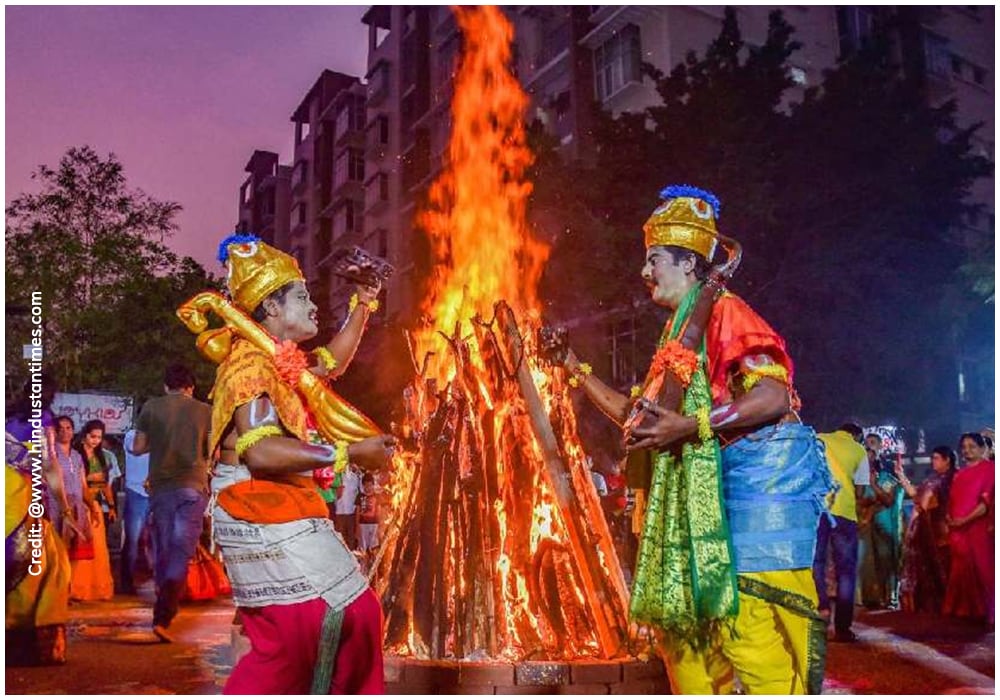
The festivities kick off with Bhogi. The theme of this day is purification and renewal. Think of it as a thorough spring cleaning for the soul and the home. Families discard old and unused items, symbolizing the shedding of past grievances and the welcoming of a fresh start.
In the early morning, you'll see bonfires lit in front of homes. These fires, fueled by the discarded items, represent the burning away of negativity. The warmth of the fire on a cool morning, combined with the symbolic act of letting go, creates a powerful sense of community and hope. Homes are then cleaned, decorated, and prepared for the days of celebration ahead. Bhogi celebrations set a positive and clean slate for the new harvest cycle.
Day 2: Thai Pongal - The Main Event
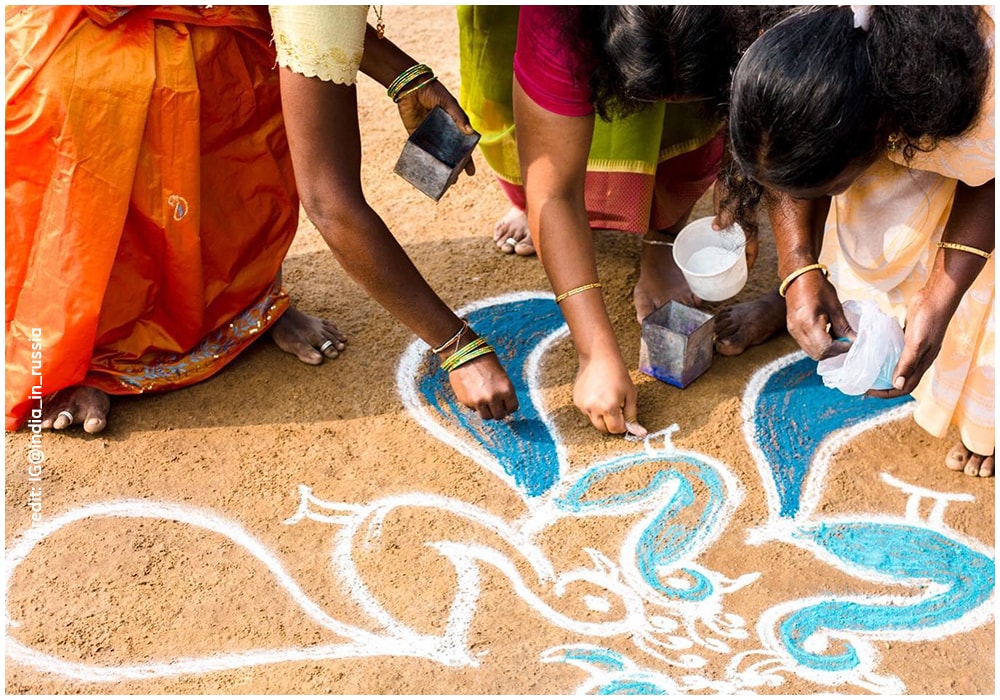
The second and most important day is Thai Pongal, which coincides with Makar Sankranti. This day is dedicated to Surya, the Sun God, for providing the energy necessary for agriculture. The day begins early with the drawing of intricate kolams (rangoli) at the entrance of homes using rice flour. These beautiful geometric patterns are a traditional art form and a welcoming gesture to guests and deities.
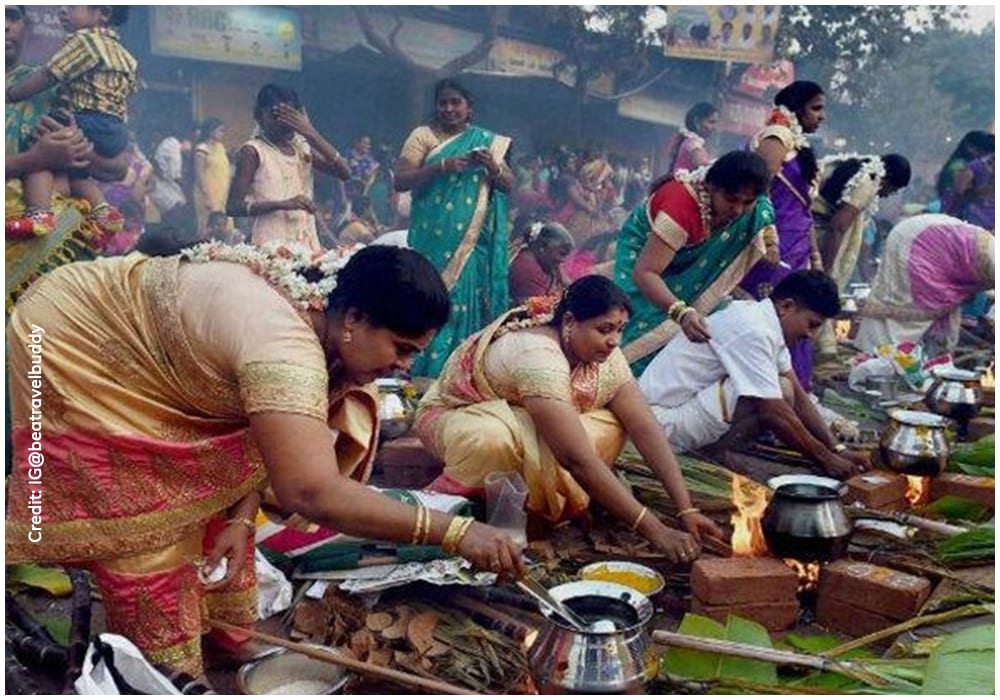
The central ritual is the cooking of the Pongal dish itself. In an earthen pot, freshly harvested rice is boiled with milk and jaggery. The pot is often decorated with turmeric leaves and ginger. As the mixture boils and overflows, family members shout "Pongalo Pongal!" This overflowing is a powerful symbol of abundance and prosperity for the coming year. This sweet dish, known as Sakkarai Pongal, is first offered to the Sun God before being shared among family and friends.
Day 3: Mattu Pongal - Honoring the Cattle
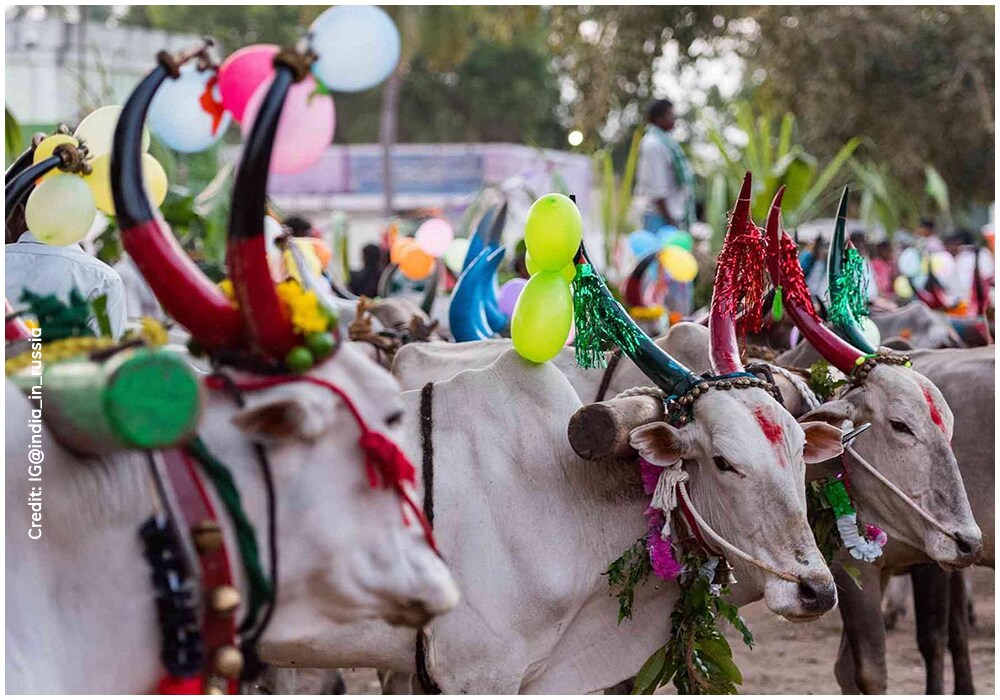
The third day, Mattu Pongal, is reserved for honoring the cattle, the unsung heroes of the farm. Cows and bulls are considered sacred partners in agriculture, helping farmers plow the fields and providing milk. On this day, they get a well-deserved day of pampering.
The cattle are given a thorough bath, and their horns are painted in bright colors. They are adorned with flower garlands, tinkling bells, and multi-colored beads. A special Pongal dish is prepared and offered to them as a sign of gratitude. In some villages, Mattu Pongal rituals also include events like Jallikattu, a traditional bull-taming sport that showcases the strength and bravery of local youth and the prized bulls of the region.
Day 4: Kaanum Pongal - A Day for Family and Fun
The final day of the celebration is Kaanum Pongal. The word 'Kaanum' means 'to see' or 'to visit'. This day is all about strengthening family bonds and community ties. Younger members of the family pay their respects to the elders and receive their blessings.
Families often pack lunches, including leftover Pongal and other delicacies, and head out for picnics. Popular spots include riverbanks, parks, and beaches. It's a day for socializing, playing traditional games, and enjoying the company of loved ones. Kaanum Pongal activities conclude the four-day festival on a note of togetherness and joy, reinforcing the social fabric of the community.
The Flavors of Pongal
No festival is complete without food, and Pongal is a true culinary delight. Beyond the signature sweet Sakkarai Pongal, a savory version called Ven Pongal is also popular. Made with rice and moong dal and seasoned with black pepper, cumin, and ghee, it's a comforting and delicious dish often enjoyed for breakfast.
Other traditional foods prepared during the festival include vada, payasam (a sweet pudding), and various vegetable curries. Sugarcane, a key harvest of the season, is also prominently featured, with stalks often used in decorations and enjoyed as a sweet treat.
Pongal: A Celebration for Everyone
The Pongal festival in Tamil Nadu is a beautiful expression of gratitude, culture, and community. It’s a time to honor nature, appreciate the hard work of farmers, and cherish family bonds. Whether you're witnessing the overflow of the Pongal pot, seeing the beautifully decorated cattle, or simply enjoying a day out with family, the spirit of this festival is infectious. It’s a reminder to be thankful for life's blessings and to look forward to a prosperous year ahead. Pongalo Pongal!
Where to Celebrate Pongal in Tamil Nadu
Looking to experience Pongal at its vibrant best? While nearly every village and city in Tamil Nadu comes alive for the festival, some places and temples are especially famous for their grand celebrations:
- Madurai Meenakshi Amman Temple: Immerse yourself in traditional rituals and vibrant Pongal ceremonies held at this iconic temple.
- Thanjavur Brihadeeswarar Temple: Known for its majestic architecture and large-scale festive gatherings during Pongal, including temple processions and cultural programs.
- Chidambaram Nataraja Temple: Experience spiritual celebrations intertwined with music and dance as devotees gather to offer freshly harvested produce.
- Srirangam Ranganathaswamy Temple (Tiruchirappalli): Witness elaborate pujas and community feasts in one of India's largest temple complexes.
- Chennai: Enjoy community Pongal pots, cultural programs, and lively kolam competitions in neighborhoods across the city.
- Coimbatore: Known for large gatherings and public celebrations, particularly on Kaanum Pongal.
- Villages throughout Tamil Nadu: For a truly authentic experience, visit rural areas where age-old customs and communal feasts bring everyone together.
Pongal Activities
During Pongal, take part in:
- Cooking and sharing the Pongal dish outdoors in traditional clay pots.
- Drawing colorful kolams at doorways.
- Decorating cattle and attending events like Jallikattu.
- Visiting temples to offer prayers for a good harvest.
- Family picnics and games on Kaanum Pongal, from kabaddi to uri adithal (pot-breaking).
Dress Code for Pongal Celebrations
The festival is the perfect time to showcase traditional Tamil attire in all its radiant glory! Wearing new clothes is also customary, symbolizing renewal and prosperity as families come together to celebrate. Women often choose colorful silk sarees adorned with gold borders or opt for the classic pavadai (long skirt) paired with a matching blouse and dupatta, especially among younger girls. Popular styles include Kanchipuram silk sarees with elaborate patterns, often complemented by gold jewellery and fresh jasmine garlands woven into braided hair or worn as floral jewellery. Glass bangles, anklets, and bright bindis add a festive touch.


Men typically wear crisp white or vibrant colored dhotis (veshtis) paired with a shirt or kurta. It's common to see men draping an angavastram (a shawl-like cloth) over their shoulders. Children dress in traditional attire as well, lending a cheerful and unified look to family celebrations. Bright colors such as yellow, green, red, and orange are especially favored during Pongal, reflecting the joyous spirit of the harvest season.


Wherever you choose to celebrate, soaking in the local customs, joining community events, and donning traditional clothing will make your Pongal experience truly unforgettable.