Embroidery is the quiet detail that turns a plain outfit into a statement. A few stitches can add shine, texture, and centuries of craft to a single garment. If you love fashion, knowing your textile embroidery styles helps you shop smarter and style better.
This guide breaks down the most loved embroidery styles, what each one looks like, where it shines, and how to pick the right one for daily wear, festive wear, or your big day. By the end, you'll know exactly which stitch suits your ethnic wear.
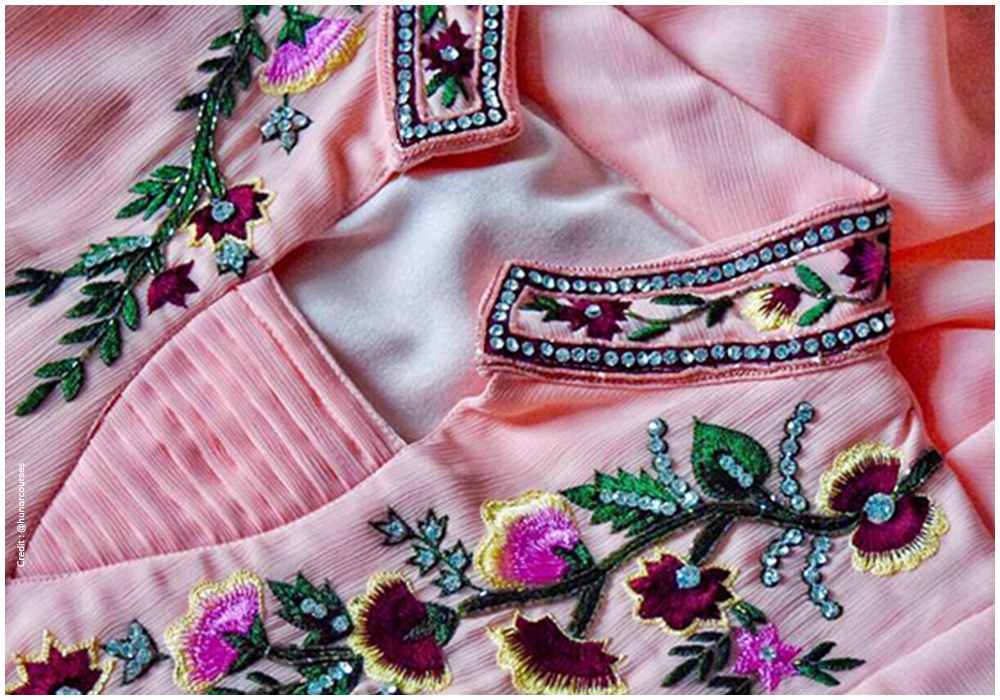
- Zardozi
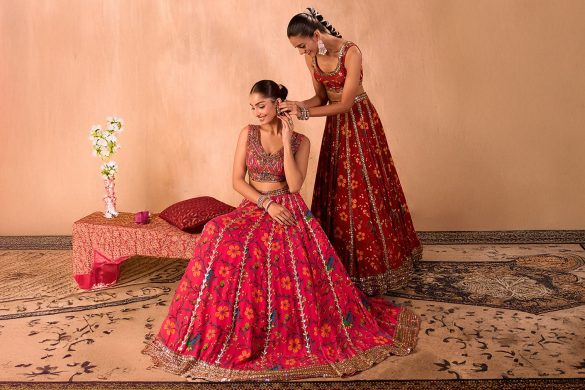
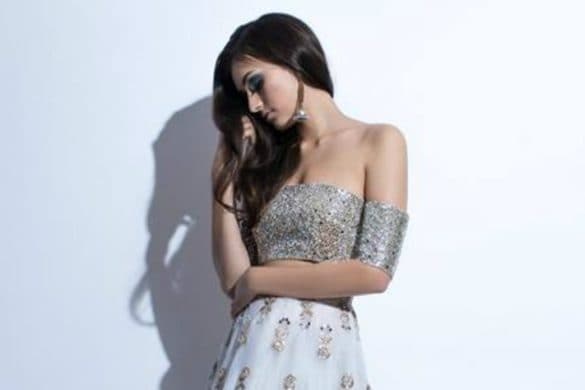
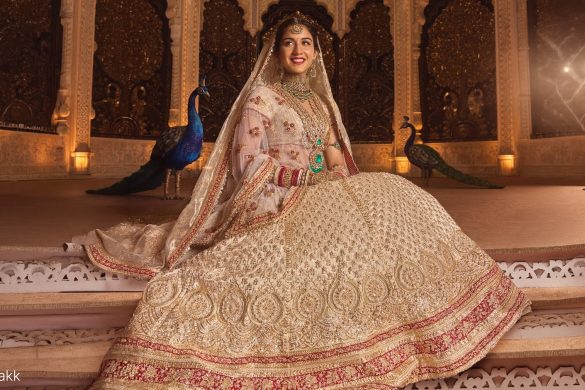
Zardozi is heavy metallic embroidery worked with gold and silver threads, often paired with beads and sequins. It looks rich, raised, and regal. You'll see it on bridal lehengas, sherwanis, and statement Anarkali suits. Choose Zardozi for weddings and grand receptions where you want maximum sparkle.
- Phulkari
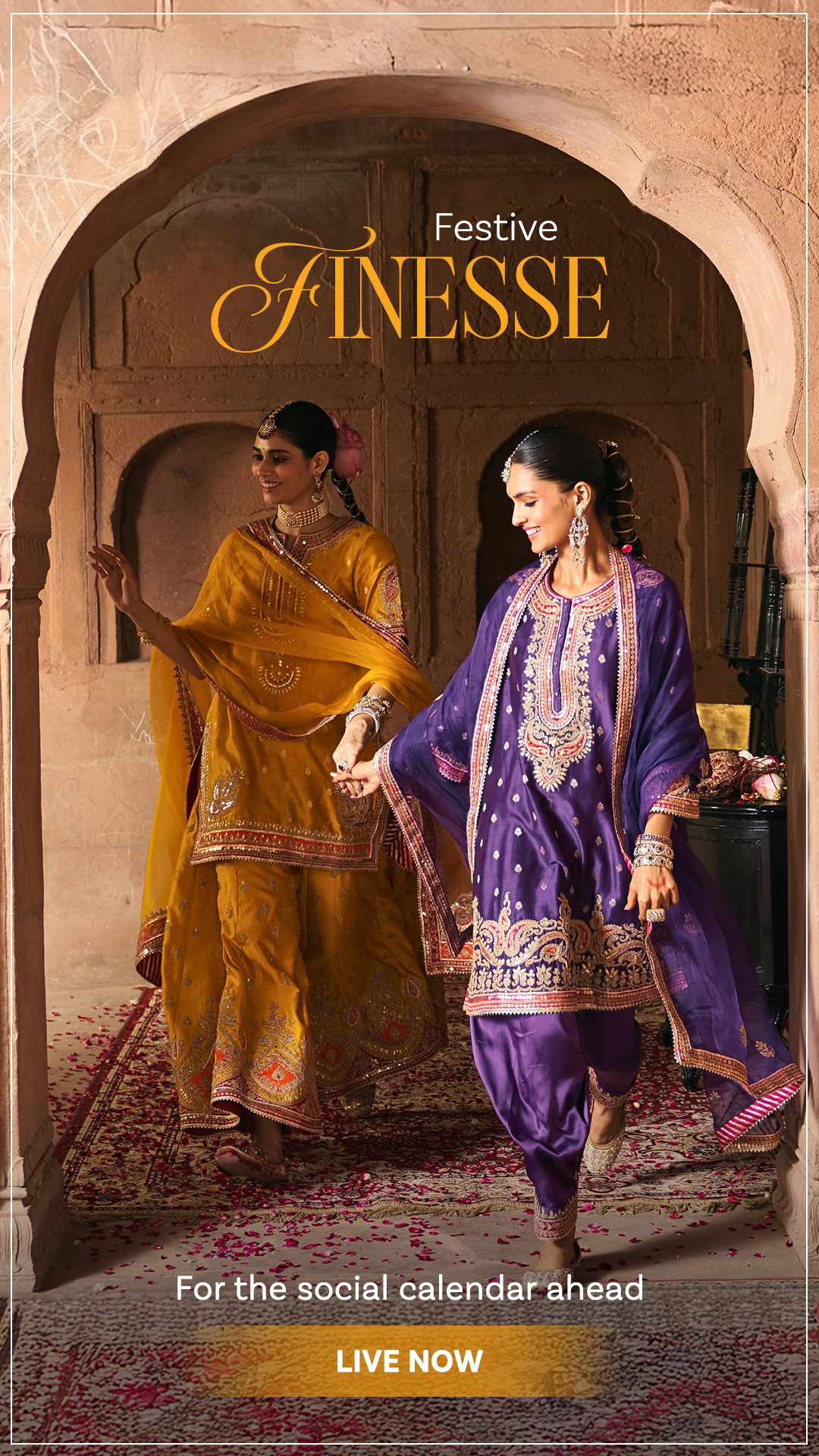
Phulkari, meaning "flower work," is the vibrant thread embroidery of Punjab. Bright silk stitches form dense floral and geometric patterns, usually on dupattas and shawls. It feels festive yet rooted in tradition. Try dupatta styles with Phulkari to brighten simple suits for festivals and family gatherings.
- Chikankari
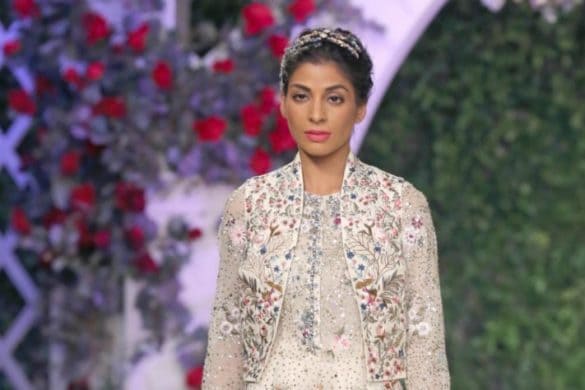
Chikankari is delicate white-on-white thread work from Lucknow, known for its soft, airy look. It suits light fabrics like cotton, georgette, and chiffon. This is your go-to for summer cotton suit sets and breezy daytime events. The understated elegance also works beautifully for office and casual wear.
- Kantha
Kantha uses simple running stitches to create flowing, layered patterns, often with a slightly textured finish. Born in Bengal, it once recycled old fabrics into quilts. Today it appears on stoles, sarees, and embroidered suits. Pick Kantha for relaxed, artistic looks that still feel handmade and special.
- Aari Work
Aari is fine hook-needle embroidery that produces tight, detailed chain stitches. It's fast, versatile, and often combined with beads, mirrors, or sequins. You'll find it on party wear, blouses, and festive lehengas. Aari is a smart middle ground when you want detail without the weight of Zardozi.
- Mirror Work (Shisha)
Mirror work studs fabric with small reflective discs framed by colorful thread. It's playful, bold, and full of movement. Common in Gujarati and Rajasthani styles, it brightens skirts, kurtas, and festive wear. Choose it for daytime celebrations and folk-inspired outfits that need energy.
- Gota Patti
Gota Patti applies ribbon-like metallic strips to fabric, creating shiny appliqué patterns. It feels lightweight yet festive, making it popular for Rajasthani bridal and pre-wedding looks. It pairs wonderfully with pastel and bright Anarkali suits. Reach for Gota Patti when you want shimmer that stays comfortable.
- Resham (Thread Work)
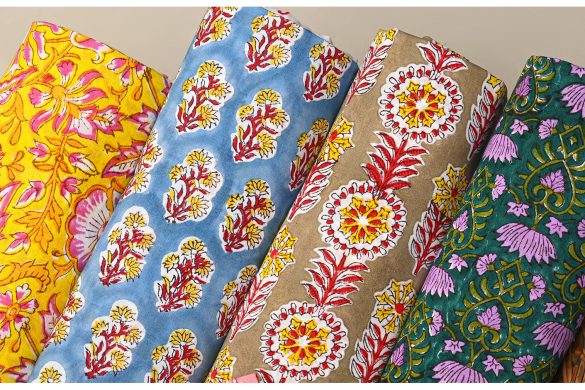
Resham is classic silk thread embroidery in vivid colors. It's affordable, durable, and endlessly versatile across daily and dressy outfits. From floral motifs to bold borders, it suits almost any fabric. This is the easiest starting point if you're new to handcrafted fashion.
How to Choose the Right Embroidery
A simple rule: match the weight of the work to the occasion.
- Daily wear: Chikankari, Resham, light Kantha
- Festive wear: Phulkari, Mirror Work, Aari
- Bridal looks: Zardozi, Gota Patti, heavy Aari
- Modern ethnic styling: mix subtle thread work with clean, minimal silhouettes
Also consider fabric. Heavy embroidery sits best on silk and velvet, while delicate stitches suit cotton, georgette, and chiffon. Handwork usually costs more than machine work, but it lasts longer and feels far more special.
Final Thoughts
Embroidery is the easiest way to add personality and craft to your wardrobe. Once you recognize each style, choosing the right outfit becomes simple and fun. Start with one piece you love, note how the stitches feel and shine, and build your collection from there.