



Real silk is a natural fiber produced by silkworms, known for its soft drape, subtle sheen, and breathability. Art silk (artificial silk) is a synthetic or semi-synthetic alternative—typically rayon, polyester, or viscose—that mimics silk's appearance at a lower price point. The key differences lie in texture, sheen, breathability, and how each fabric behaves under heat.
Buying a saree or lehenga online is exciting—until you're unsure whether the fabric description matches what will actually arrive. "Art silk" appears on product listings constantly, and while it can be a perfectly good fabric, it isn't the same as real silk. Knowing how to tell them apart can save you from a costly mistake, especially for occasion wear where fabric quality is everything.

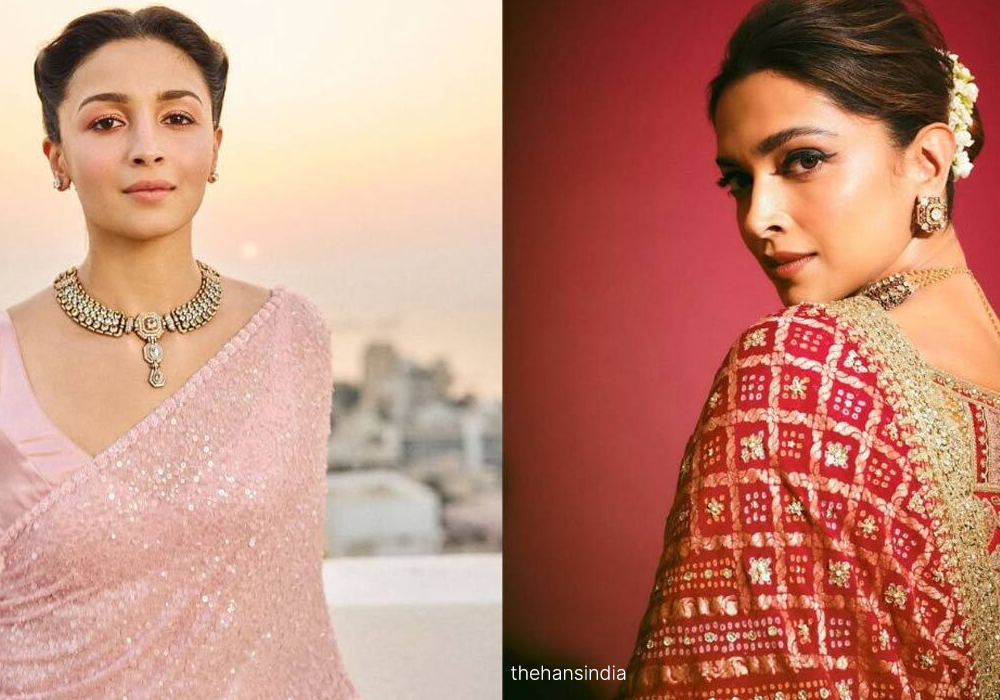
What Is Real Silk?
Real silk is a natural protein fiber produced by Bombyx mori silkworms. It's one of the oldest luxury textiles in the world, prized for its smooth hand feel, natural temperature regulation, and soft, luminous sheen.
Key characteristics:
- Sheen: Soft, multi-tonal glow that shifts with light
- Texture: Smooth, cool to the touch, never scratchy
- Breathability: Highly breathable; regulates body temperature naturally
- Common types: Kanjivaram, Banarasi, Tussar, Mulberry, Chanderi silk
- Best for: Formal sarees, bridal lehengas, wedding occasion wear
What Is Art Silk?
Art silk is an umbrella term for synthetic or semi-synthetic fabrics designed to replicate the look of real silk. The most common materials include rayon (viscose), polyester, and nylon. Art silk is significantly more affordable and easier to maintain, which is why it's widely used in printed sarees, everyday kurtas, and costume dupattas.
Key characteristics:
- Sheen: Brighter, more uniform sheen—can look plastic-like under direct light
- Texture: Softer varieties (viscose) can feel close to silk; polyester tends to feel stiffer
- Breathability: Lower than real silk; polyester-based art silk can trap heat
- Best for: Casual wear, printed styles, budget-friendly occasion pieces
Real Silk vs Art Silk: Key Differences at a Glance
|
Feature |
Real Silk |
Art Silk |
|
Fiber origin |
Natural (silkworm) |
Synthetic or semi-synthetic |
|
Sheen |
Soft, shifting |
Bright, uniform |
|
Breathability |
High |
Low to moderate |
|
Burn test result |
Burns slowly, smells like burning hair |
Melts, smells like plastic |
|
Price |
Higher |
Budget-friendly |
|
Care |
Dry clean recommended |
Machine washable (most types) |
How to Tell Real Silk from Art Silk at Home
The burn test
This is the most reliable at-home method. Pull a few threads from the fabric and hold them to a small flame. Real silk burns slowly, self-extinguishes, and produces a smell similar to burning hair. The ash crumbles easily. Art silk (polyester) melts, beads up, and smells like burning plastic.
The ring test
Try passing a small section of fabric through a finger ring. Real silk, with its fine, flexible fibers, slides through easily. Stiffer synthetic fabrics tend to bunch or resist.
The touch test
Run the fabric between your fingers. Real silk warms to your body temperature almost immediately. Art silk tends to stay at room temperature longer and may feel slightly slippery or coarse depending on the blend.
The sheen test
Hold the fabric up to natural light and tilt it at different angles. Real silk produces a soft, color-shifting glow. Art silk typically reflects a single, consistent shine—sometimes almost metallic under bright light.
Which Fabric Is Right for Your Outfit?
Choose real silk for formal events, bridal wear, and pieces you'll wear for years. The drape, breathability, and sheen of real silk make it especially well-suited for silk and weave sarees and occasion lehengas where fabric quality is visible up close.
Choose art silk for casual or semi-formal outfits, heavily printed styles, or pieces where budget is a priority. Many art silk fabrics photograph beautifully and hold vibrant color well, making them a practical choice for one-off events.
For festive and bridal occasion wear, explore Aza Fashions' Celebration Closet for curated pieces across both categories.
Frequently Asked Questions
Is art silk lower quality than real silk?
Not necessarily—art silk serves a different purpose. For casual wear and printed styles, art silk performs well and is easier to maintain. For formal and bridal occasions, real silk offers superior drape, breathability, and longevity.
Can art silk pass as real silk?
High-quality viscose (rayon) art silk can closely mimic the feel of real silk and is difficult to distinguish by touch alone. The burn test remains the most accurate way to tell them apart.
Does real silk shrink when washed?
Yes. Real silk is sensitive to water and heat. Most real silk garments require dry cleaning or very gentle hand washing in cold water to preserve their texture and shape.
What is the most common type of art silk used in Indian ethnic wear?
Viscose (rayon) and polyester are the most commonly used art silk fabrics in Indian ethnic wear. Viscose offers a softer drape similar to real silk, while polyester is more durable and vibrant in color.
How do I verify if a product listed as silk is genuine?
Look for fabric composition details in the product description, ask the seller for a fabric certificate where possible, and check for hallmarks like "pure silk" on handloom weaves. When buying in person, the burn and ring tests are your best tools.

