 Maharashtrian weddings are a beautiful celebration of culture, tradition, and vibrant colors. Known for their simplicity and elegance, these ceremonies are steeped in rich customs that are reflected in the attire worn by the couple and their guests. From the iconic Paithani saree to the regal Pheta, every element of a Maharashtrian wedding look tells a story. Whether you are the bride, the groom, or a guest, figuring out what to wear can be exciting. This guide will walk you through traditional and modern Maharashtrian wedding outfit ideas, helping you put together a look that is both authentic and stylish.
For the Maharashtrian Bride
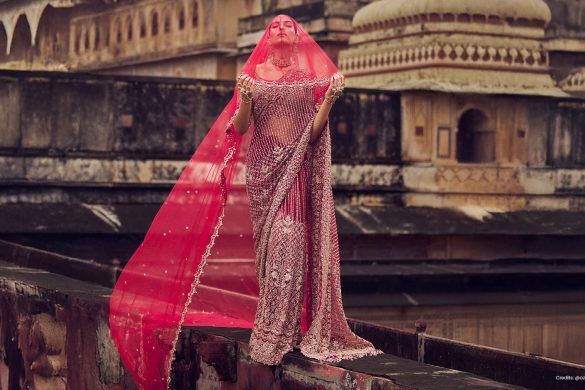
The Maharashtrian bride is a picture of grace and timeless beauty. Her look is a blend of rich textiles and unique, traditional jewelry. While the Paithani saree is a classic choice, modern brides are also experimenting with other silhouettes.The Quintessential Saree
The saree is the heart of the bridal ensemble. The way it's draped—the traditional Nauvari (nine-yard) style—is distinct and symbolic.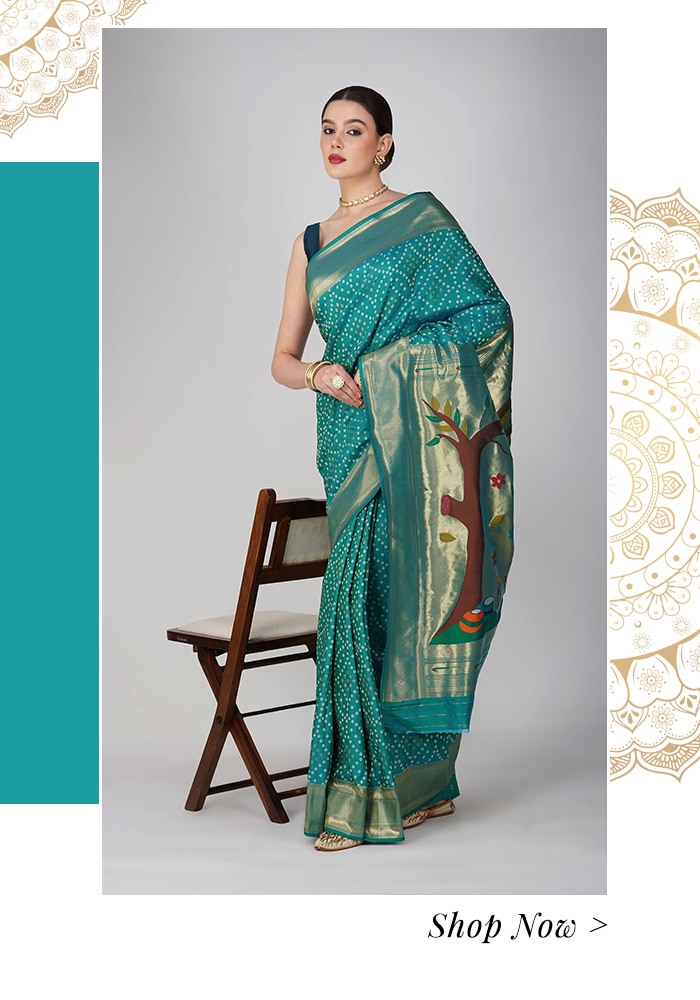
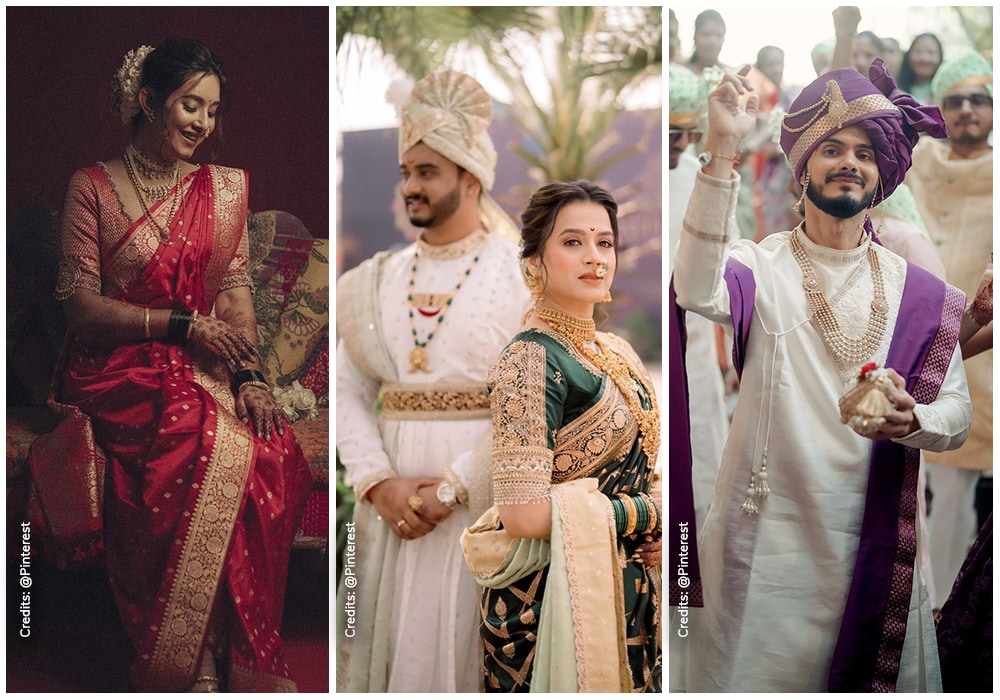
- The Paithani Saree: This is the most coveted saree for a Maharashtrian bride. Woven from fine silk, a Paithani is characterized by its peacock motifs on the pallu and an oblique square design on the border. Bright colors like golden yellow, leaf green, and royal blue are traditional favorites.
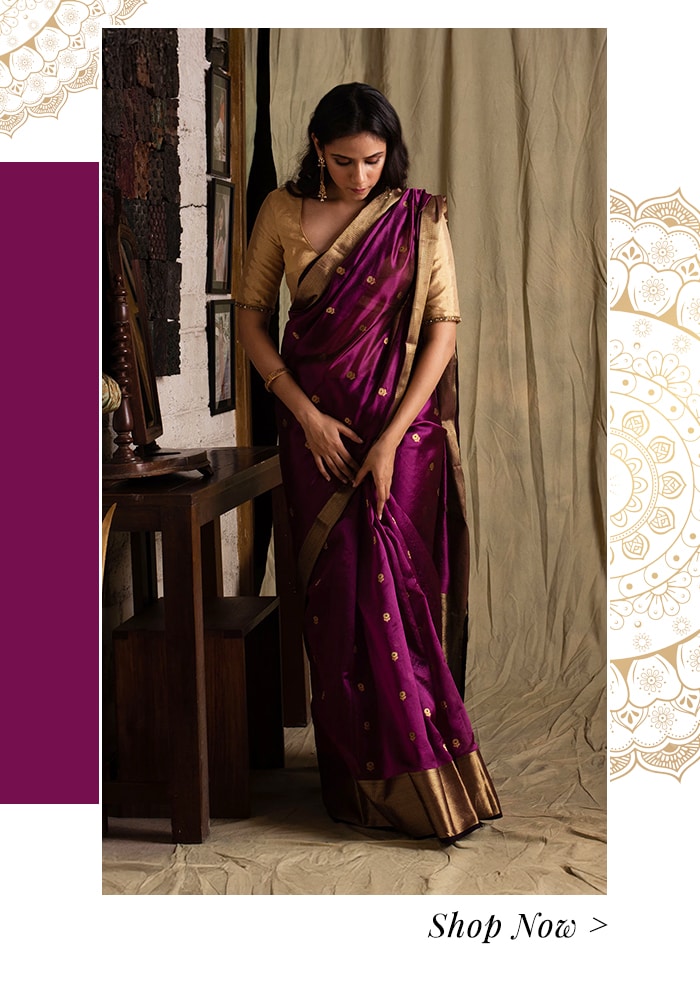
- The Nauvari Saree: For the main ceremony, many brides opt for a silk Nauvari saree. This nine-yard drape allows for easy movement and has historical significance, symbolizing strength and femininity. It is often a vibrant yellow or green saree, considered auspicious colors.
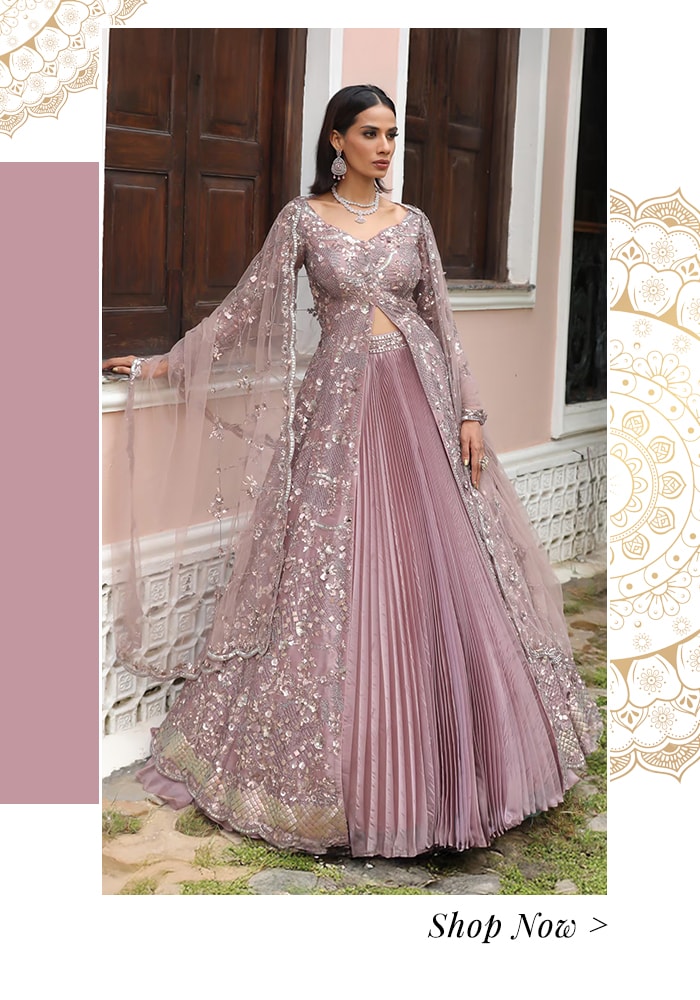
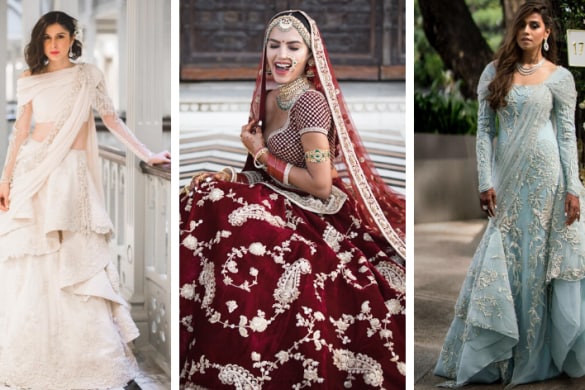
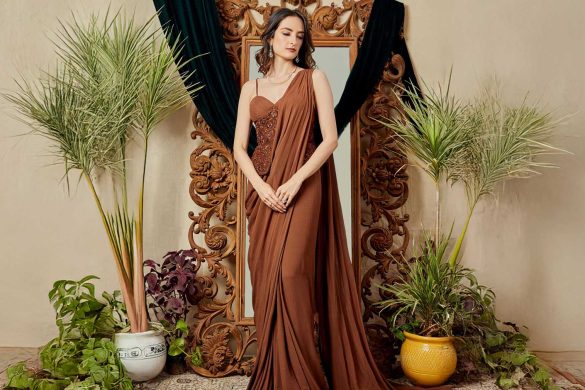
- Modern Lehengas: While sarees are traditional, many brides are now choosing lehengas for their reception or sangeet. A Paithani-inspired lehenga, with its characteristic motifs and silk fabric, is a wonderful way to blend tradition with a modern silhouette.
Signature Bridal Jewelry
Maharashtrian bridal jewelry is unique and holds deep cultural meaning. Each piece complements the overall look.- Mundavalya: This is perhaps the most distinctive piece. A string of pearls or gold beads worn across the forehead, with two strands falling down the sides of the face. It is worn by both the bride and the groom.
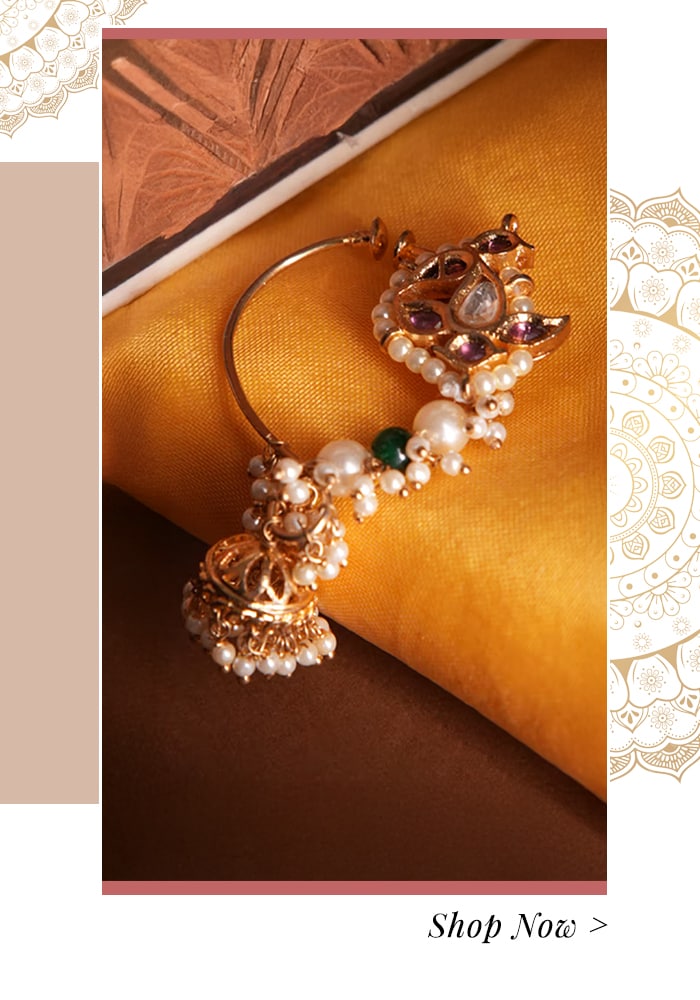
- Nath: The Maharashtrian Nath is a beautiful nose ring, typically crafted with pearls and colorful stones in a cashew shape. It is a symbol of a married woman.
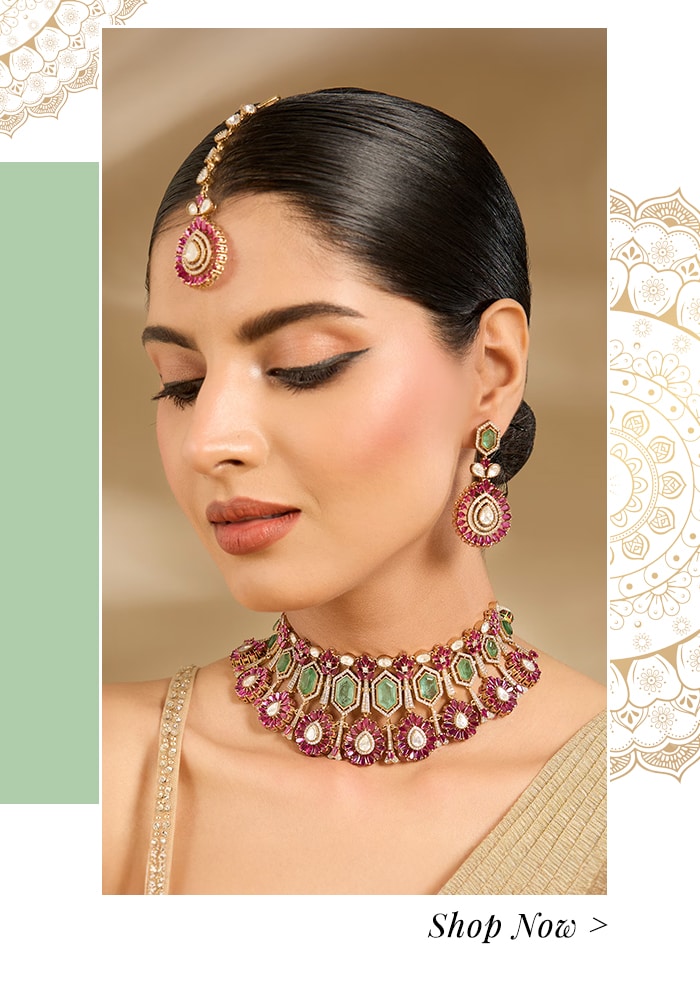
- Thushi: A choker-style necklace made of closely-knit golden beads with an adjustable thread. It sits snugly at the base of the neck.
- Kolhapuri Saaj: A more elaborate necklace originating from Kolhapur, this piece often contains 21 design elements, including the 10 avatars of Lord Vishnu.
- Green Glass Bangles (Chura): The bride wears green glass bangles interspersed with gold bangles (patlya). The green color signifies fertility, new life, and prosperity.
- Vaaki (Armlet): Worn on the upper arm, a vaaki or armlet adds a touch of royalty.
Completing the Look
The bridal look is tied together with specific hair and makeup choices. A simple bun adorned with fresh flowers (gajra) is classic. The most iconic feature is the crescent-shaped bindi, known as the chandrakor, placed just above the eyebrows.For the Maharashtrian Groom
The Maharashtrian groom’s attire is elegant, understated, and regal. Comfort and tradition go hand-in-hand.The Traditional Attire
The groom’s outfit is typically simple yet dignified, allowing the rich fabrics and accessories to shine.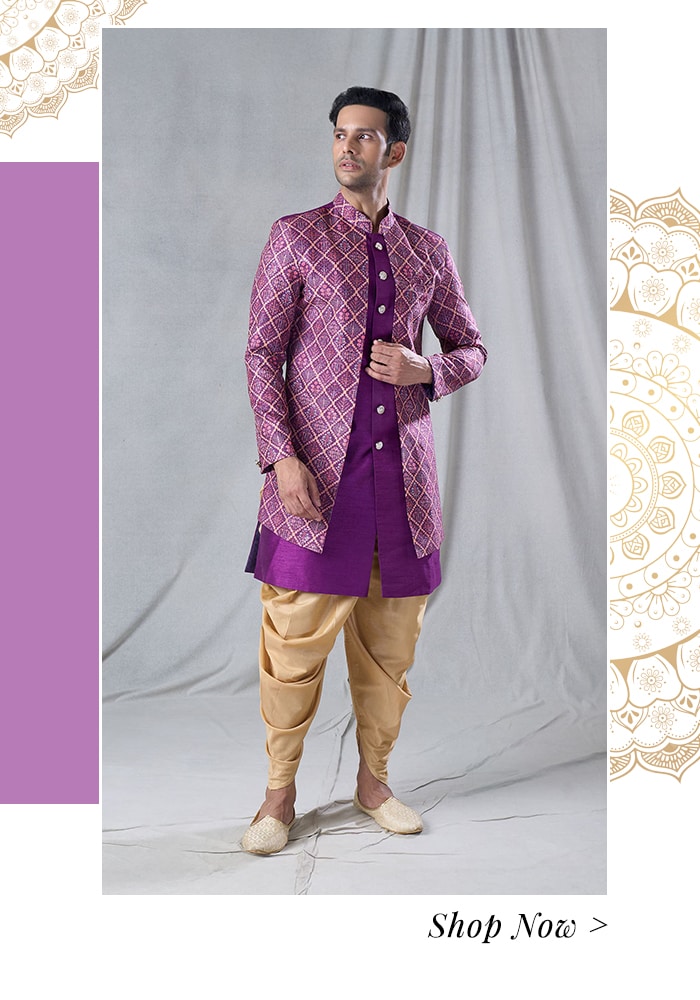
- Dhoti-Kurta: The most traditional outfit is a simple silk or cotton kurta paired with a dhoti. Off-white, cream, or beige are common color choices for the kurta. The dhoti is often a crisp white or cream silk garment with a simple border.
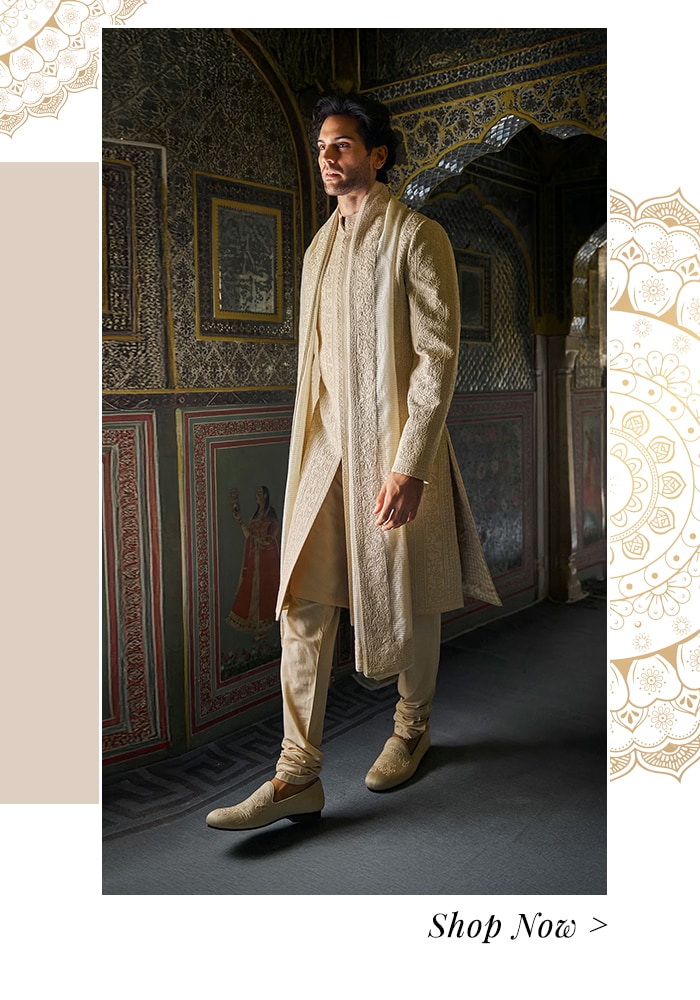
- Sherwani or Bandhgala: For receptions or other pre-wedding events, many grooms opt for a more contemporary look. A well-fitted sherwani or a classic bandhgala jacket in a rich fabric like brocade or raw silk is a popular choice. These can be paired with churidars or straight trousers.
Key Groom Accessories
Accessories are essential to completing the groom's look.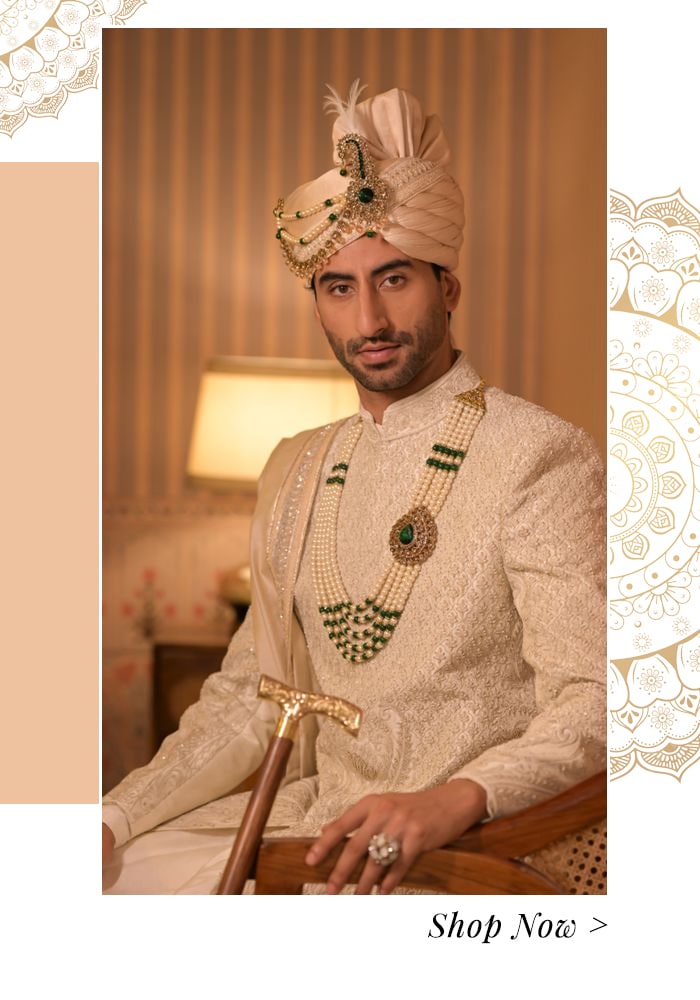
- Pheta (Turban): The groom wears a turban, known as a Pheta. It can be a pre-stitched piece or a long cloth artfully tied. Common colors are saffron, pink, or red, often with a decorative brooch.
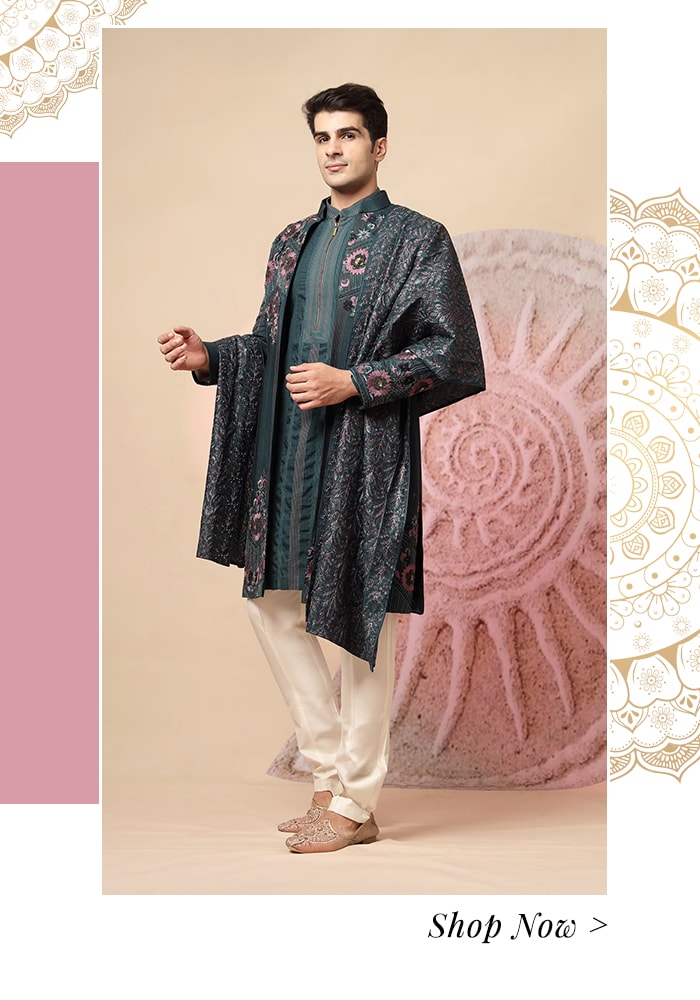
- Shawl (Dupatta): A decorative shawl or dupatta is often draped over the groom's shoulders, typically matching the color of his Pheta or complementing the bride's saree.
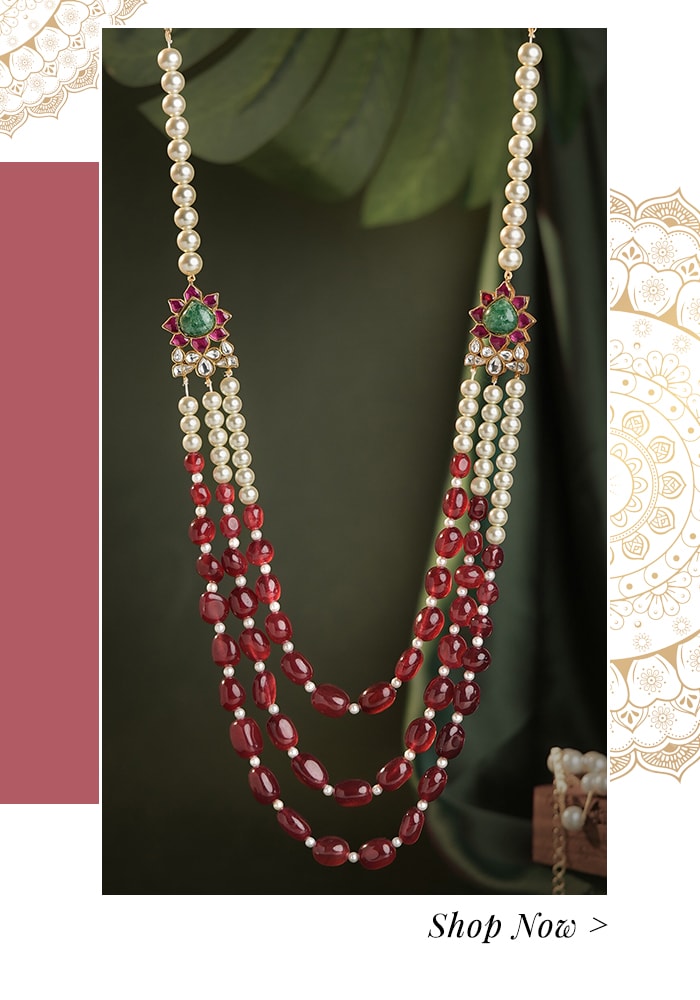
- Jewelry: The groom also wears the mundavalya. He may also wear a simple pearl or gold chain around his neck.
For the Wedding Guests
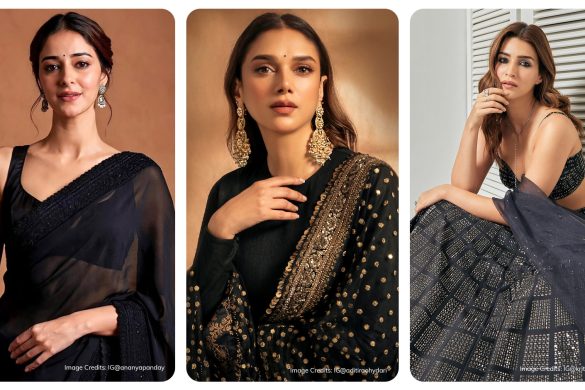
As a guest, you have the wonderful opportunity to embrace the festive spirit by dressing in traditional Maharashtrian attire or contemporary ethnic wear.What Women Can Wear
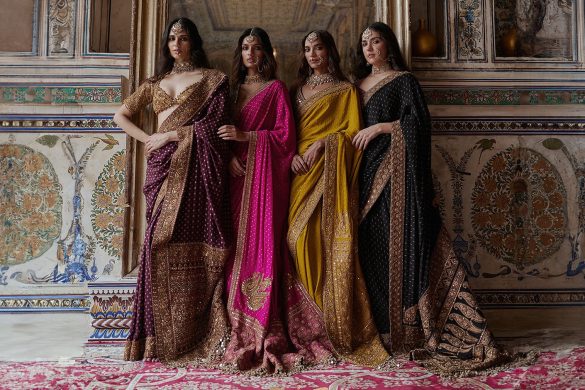
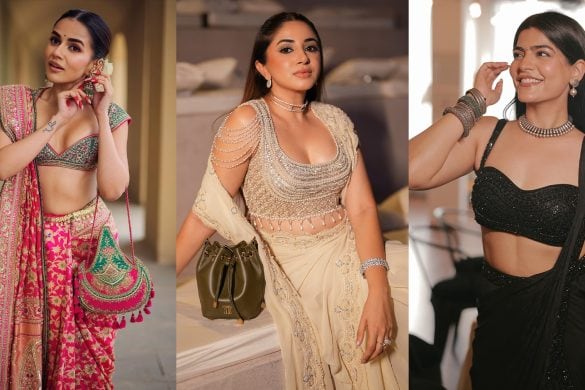
- Silk Sarees: A beautiful silk saree is always a great choice for a Maharashtrian wedding. Besides Paithani, you can opt for Narayan Peth, Gadwal, or a classic Kanjeevaram saree. Drape it in the regular Nivi style for comfort and elegance.
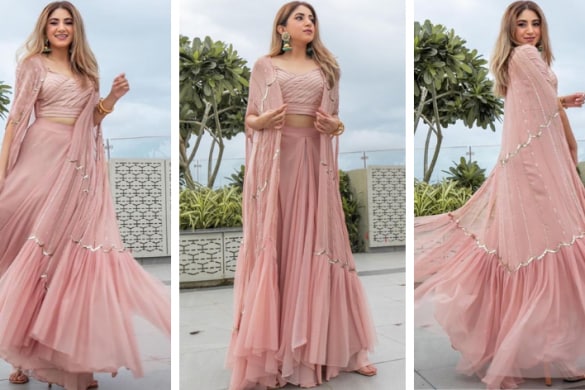
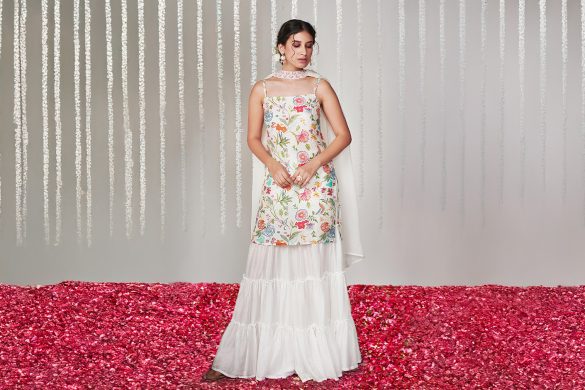
- Shararas and Anarkalis: If you're not comfortable with a saree, a floor-length Anarkali suit or a trendy sharara set in vibrant colors is a perfect alternative. Choose fabrics like silk, georgette, or chiffon.
- Accessorizing Your Look: You can accessorize with traditional jewelry like a Thushi-style necklace or a pair of jhumkas. Don't forget a small bindi to complete the look.
What Men Can Wear
- Kurta Pajama with a Nehru Jacket: This is a foolproof and stylish option for male guests. A simple kurta pajama can be instantly elevated with a contrasting Nehru jacket in a raw silk or brocade fabric.
- Sherwani: If you are a close family member, a simple and elegant sherwani is an excellent choice. Opt for subtle colors like pastel blue, mint green, or classic beige.
- Formal Wear: A classic suit or a bandhgala is also appropriate, especially for the reception.