In the colorful, chaotic, and heartwarming world of Indian weddings, the journey to "I do" begins long before the actual wedding day. It starts with a simple, intimate, yet profoundly significant event known as the Roka ceremony.
For many families, this is the very first official step in the wedding timeline. It’s the moment when casual talks turn into concrete plans, and two families formally agree to become one.
If you are new to Indian wedding traditions or planning your own Roka, you might be wondering what exactly happens during this ceremony and why it matters so much. This guide will walk you through the beautiful traditions of the Roka, its emotional significance, and how to look your absolute best for this special occasion.
What is the Roka Ceremony?
The term "Roka" comes from the Hindi word rokna, which means "to stop." In the context of a wedding, it signifies stopping the search for a partner. It is a formal declaration that the boy and girl have found their soulmates in each other, and they are now officially taken.
Historically, this ceremony was a very simple affair. It was a way for parents to secure the match and announce to their immediate community that an alliance had been formed. Today, while the core meaning remains the same, the celebration has evolved. It can range from a cozy gathering in a living room to a lavish party at a banquet hall. Regardless of the scale, the Roka remains one of the most pivotal Indian wedding pre-wedding rituals, marking the beginning of a beautiful journey together.
The Cultural Significance: More Than Just an Agreement
While the engagement ceremony involves the exchange of rings, the Roka is about the exchange of trust and blessings. It is the first time the two families officially meet as relatives rather than just acquaintances.
Uniting Two Families
In Indian culture, a marriage is not just between two individuals; it is the union of two families. The Roka ceremony serves as an ice-breaker. It provides a space for the parents, siblings, and close relatives to interact, bond, and celebrate the upcoming union. It dissolves the formal boundaries and replaces them with warmth and laughter.
A Seal of Commitment
Before the Roka, marriage talks might still be tentative. The ceremony acts as a stamp of approval. Once the Roka is done, the couple is considered "booked" for each other. It brings a sense of security and excitement, allowing the couple to start courting openly and planning their future together.
Spiritual Blessings
Like most auspicious Indian occasions, the Roka usually begins with a prayer or puja. Families seek the blessings of the Almighty for a smooth and happy journey leading up to the wedding. It grounds the celebration in spirituality, reminding everyone of the sanctity of the bond being formed.
Common Roka Ceremony Traditions
Though customs can vary between different regions and communities—North Indian traditions might differ slightly from South Indian ones—the essence of the Roka remains consistent. Here is what typically happens during this heartwarming event.
1. The Tilak Ritual
The ceremony usually kicks off with the Tilak ritual. The father of the bride applies a tilak (a mark of vermilion and rice) on the groom's forehead. This is a gesture of acceptance and respect. Similarly, the groom's mother or a female elder will place a chunni (a decorative scarf) over the bride's head and apply a tilak to her, welcoming her into their family.
2. Exchange of Shagun (Gifts)
Gifting is a huge part of Indian hospitality and celebration. During the Roka, families exchange Shagun, which are gifts that symbolize good luck and prosperity.
- For the Groom: The bride's family gifts him clothes, sweets (mithai), dry fruits, and sometimes cash.
- For the Bride: The groom's family gifts her jewelry, sarees or suits, makeup, and sweets.
These gifts are not just material items; they are tokens of love and acceptance.
3. The Blessings
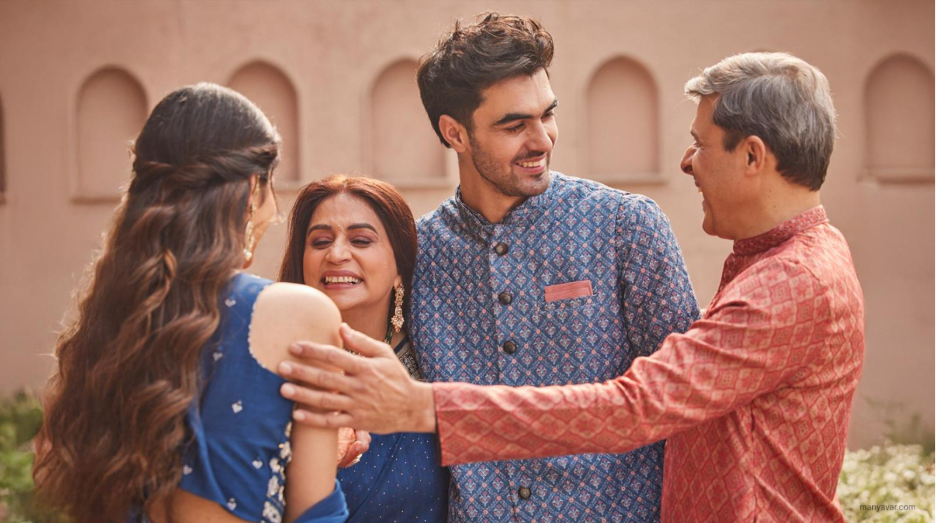
Once the rituals are complete, elders from both sides bless the couple. This is often the most emotional part of the ceremony. Parents might get teary-eyed seeing their children step into adulthood, while grandparents offer wisdom and prayers for a long, happy life.
4. The Celebration
After the serious part is over, it’s time to party! The Roka is often followed by a lunch or dinner. In modern times, this can include a cake-cutting ceremony, music, and dancing. It’s a time for the families to let loose and enjoy the happiness of the occasion.
What to Wear: Roka Ceremony Outfits
The Roka is typically a semi-formal event. It’s not as grand as the wedding reception but definitely dressier than a casual dinner. The key is to strike a balance between traditional elegance and modern comfort. Since this is your first official appearance as a bride or groom-to-be, you want to make a lasting impression.
For the Bride-to-Be
This is your moment to shine without the weight of heavy bridal jewelry or lehengas.
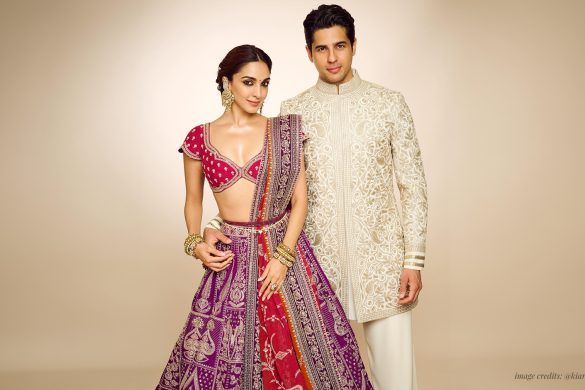
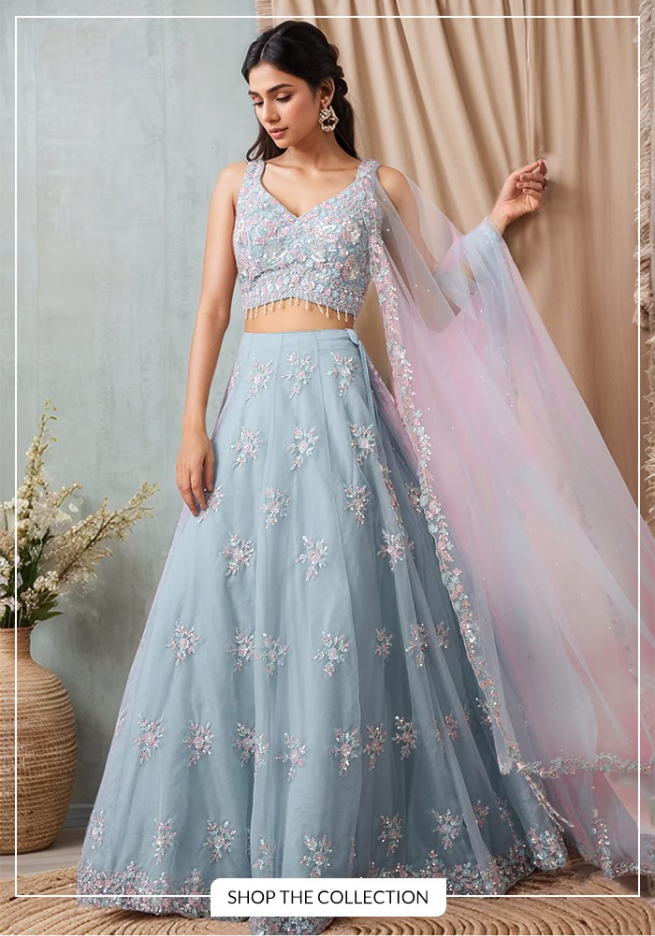
- Light Lehengas: Opt for lehengas in pastel shades like peach, mint green, or lilac. These are trendy, youthful, and perfect for a daytime ceremony.
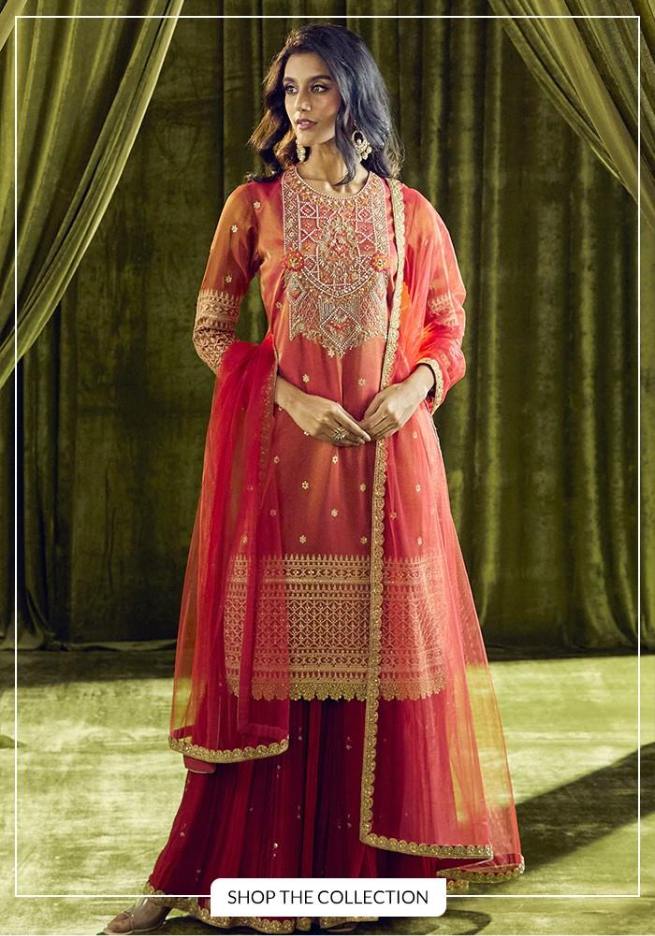
- Sharara Sets: A sharara is comfortable yet incredibly stylish. It allows you to move freely while looking regal.
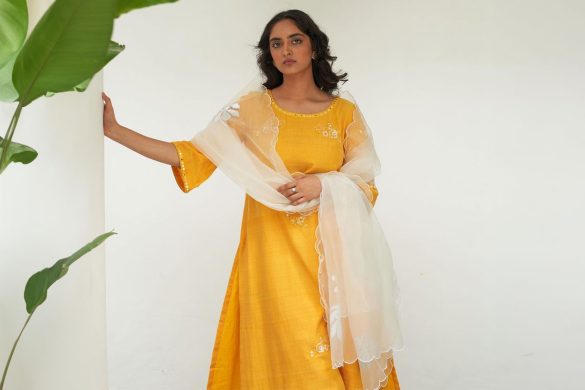
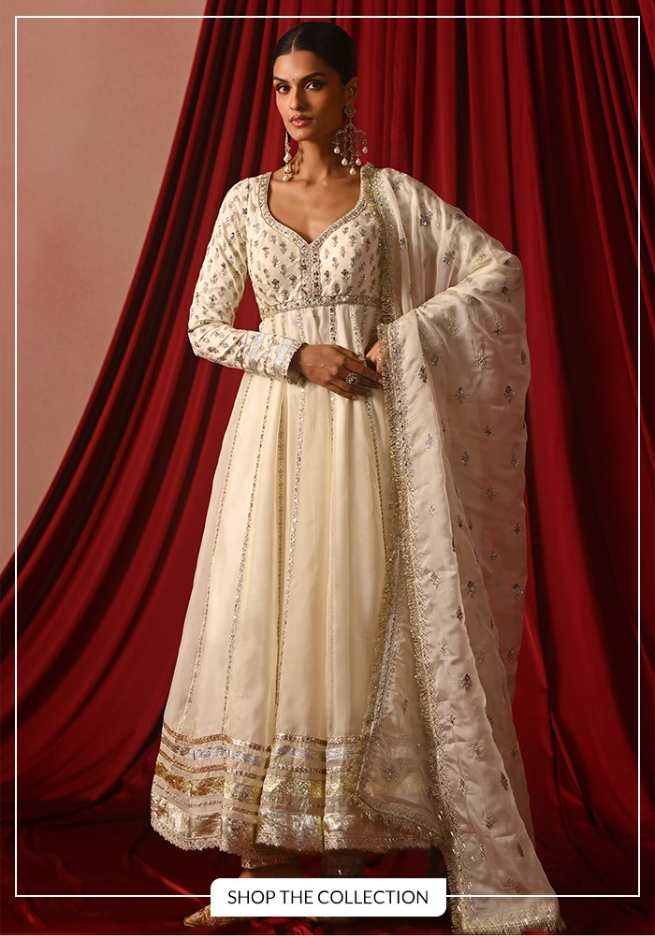
- Anarkalis: A floor-length Anarkali suit is a classic choice. It is flattering on all body types and exudes grace.
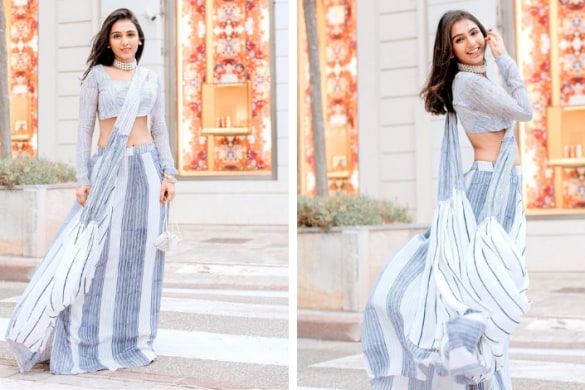
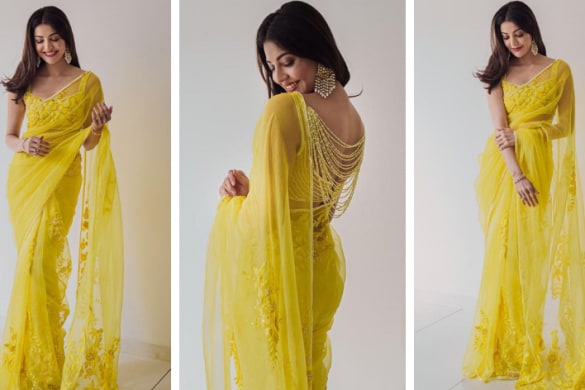
- Fusion Wear: If you want a modern twist, consider a pre-draped saree or a crop top with a skirt. These are chic and perfect for the modern Indian bride.
For the Groom-to-Be
You want to look sharp and sophisticated.
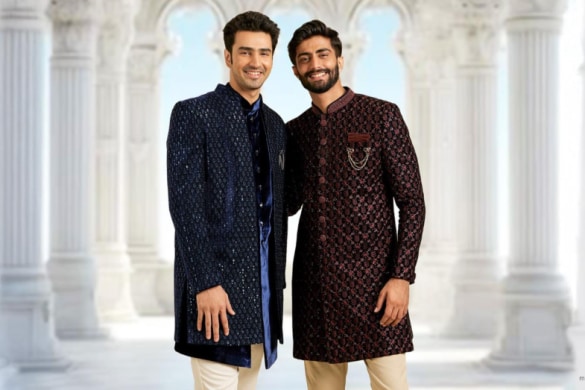
- Kurta Jackets: A crisp kurta paired with a Nehru jacket is a winner. You can experiment with colors—try a floral jacket over a solid kurta for a fun look.
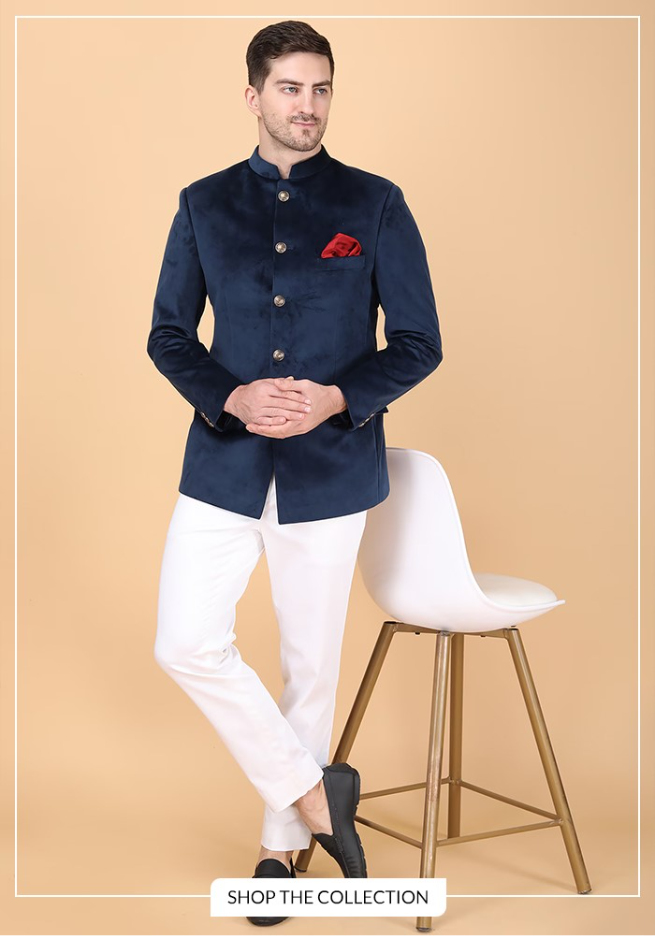
- Bandhgalas: A short Bandhgala or Jodhpuri suit looks very princely and formal.
- Pathani Suits: For a more relaxed yet masculine vibe, a Pathani suit is a great option.
For the Families
The families should coordinate their outfits to look cohesive in photos.
- Mothers: Elegant silk sarees or lightweight embroidered suits work best.
- Fathers: A classic kurta pajama with a waistcoat or a formal suit is appropriate.
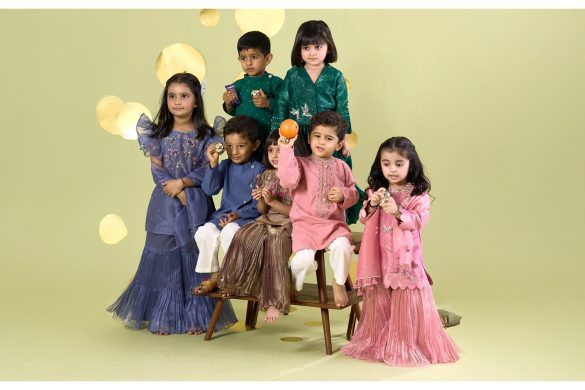
- Siblings: This is the time to experiment! Sisters can wear trendy indo-western gowns, and brothers can rock asymmetrical kurtas.
Why Aza Fashions is Your Ultimate Roka Destination
Planning a Roka can be stressful, but choosing your outfit shouldn't be. You want attire that reflects your personality and respects the tradition of the day. This is where Aza Fashions steps in.
We understand that every ceremony in an Indian wedding has its own vibe. Our curated collection features the best of Indian luxury fashion, specifically handpicked for occasions like the Roka.
- Designer Collections: We house creations from India's top designers, ensuring you wear nothing but the best.
- Variety: From traditional handlooms to contemporary cuts, our range caters to every taste.
- Family Fashion: We don't just dress the couple; we have exquisite collections for parents, siblings, and guests, making us a one-stop shop for your entire family's fashion needs.
Whether you are looking for a subtle pastel ensemble for a morning Roka or a glamorous outfit for an evening celebration, Aza Fashions helps you find the perfect look.
Conclusion
The Roka ceremony is the beautiful prologue to your wedding story. It is a day filled with smiles, blessings, and the promise of a lifetime together. It sets the tone for all the festivities that follow. By understanding the traditions and embracing the significance of the day, you can make it truly memorable for yourself and your family.
As you step into this exciting new chapter, let your style speak for you. Dress in a way that makes you feel confident, beautiful, and ready for the journey ahead.