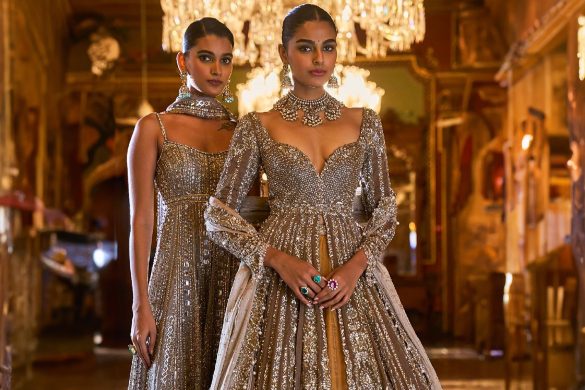
The salwar kameez is one of the most loved and versatile outfits in South Asian fashion. It's comfortable, elegant, and perfect for countless occasions. But for those new to this beautiful attire, the terms can be a bit confusing. People often use "salwar kameez" to describe the whole outfit, but what exactly is a salwar, and what is a kameez?
Understanding the two core components is the first step to mastering this classic look. While they work together to create a single ensemble, each piece has its own unique identity and function. This simple guide will break down the difference between a salwar and a kameez, helping you choose the perfect style for any event.
What is a Salwar Kameez? The Complete Outfit
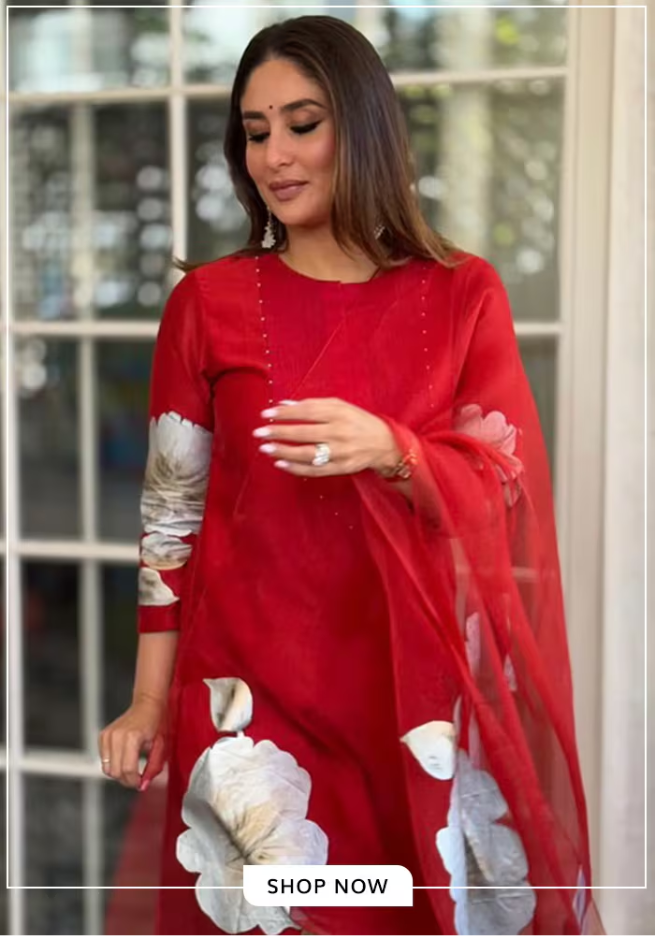
Before we dive into the individual parts, let's understand the complete outfit. A salwar kameez is a traditional three-piece ensemble popular in India, Pakistan, and other parts of South Asia. It includes:
- The Kameez: The top or tunic.
- The Salwar: The bottom or trousers.
- The Dupatta: A matching long scarf or stole.
Together, these three pieces create a coordinated, graceful look that combines modesty with style. Now, let's look at each main component separately.
The Kameez: The Elegant Tunic
Think of the kameez as the "top" part of the outfit. It is a long shirt or tunic that is worn over the salwar. The kameez is often the star of the show, featuring the most prominent designs, embroidery, and embellishments.
Key Features of a Kameez:
- Length: The length of a kameez can vary greatly. It can be short (hip-length), medium (knee-length), or long (calf or ankle-length). Traditional styles often feature longer kameez, while modern designs experiment with shorter lengths.
- Cut & Silhouette: Kameez styles range from straight-cut and A-line to the flared, frock-like Anarkali. The silhouette defines the overall look, whether it's sleek and modern or royal and traditional.
- Necklines and Sleeves: You can find a huge variety of necklines (round, V-neck, boat neck) and sleeve lengths (sleeveless, short, full-length). This allows for a high degree of personalization.
- Fabric and Design: The kameez is where designers focus their creativity. At Aza Fashions, our collection features kameez made from luxurious silks, comfortable cottons, and flowing georgettes, often decorated with intricate hand-embroidery, prints, or beadwork.
Styling the Kameez
The beauty of the kameez is its versatility. A heavily embroidered velvet kameez is perfect for a wedding, while a simple printed cotton one is ideal for daily wear. You can even pair a modern, shorter kameez (often called a kurti) with jeans for a chic Indo-Western look.
The Salwar: The Comfortable Trousers
The salwar is the "bottom" part of the ensemble. It refers to the trousers worn underneath the kameez. The primary focus of the salwar is comfort and ease of movement.
Key Features of a Salwar:
- Fit: The traditional salwar is a loose-fitting pant that is wide at the top and tapers gently towards the ankles. It's gathered at the waist and held in place with a drawstring or elastic.
- Comfort: Its loose fit makes the salwar incredibly comfortable and breathable, which is perfect for warmer climates.
- Design: While the kameez is often the focus, the salwar can also have its own design elements. Some are plain to balance a heavy kameez, while others might have matching embroidery at the ankle.
- Fabric: Salwars are typically made from durable yet soft fabrics like cotton, satin, or crepe that allow for comfortable movement.
Variations of the Salwar
Over time, the classic salwar has evolved into many different styles of bottoms. While people might use the term "salwar" loosely, these are some popular variations:
- Churidar: These are tight-fitting pants that are long and gather at the ankles, creating a ruched effect that looks like bangles (churis).
- Palazzo: These are very wide-legged trousers with a straight-cut, offering a modern and flowy silhouette.
- Sharara/Gharara: These are heavily flared pants, often fitted to the knee and then dramatically flaring out. They are a festive favorite.
- Straight Pants: A simple, straight-cut trouser for a more formal and structured look.
Choosing the right bottom can completely change the look of your outfit. An Anarkali kameez, for instance, pairs beautifully with a fitted churidar to balance its volume.
Salwar vs. Kameez: A Quick Comparison
The kameez is the upper tunic or shirt; the salwar is the lower trousers or pants.
The kameez stands out for its design, embellishments, and unique styles, while the salwar is all about comfort and ease of movement.
Kameez lengths can vary from hip to ankle, but the salwar is generally a standard pant length.
Common kameez styles include Anarkali, A-line, and straight-cut. Popular salwar types are churidar, palazzo, and sharara.
Visually, the kameez is often the main attraction of the outfit, while the salwar complements and completes the overall look.
Find Your Perfect Style at Aza Fashions
Understanding the difference between a salwar and a kameez is the key to appreciating the artistry of this timeless outfit. Whether you prefer the grace of a long kameez or the comfort of a classic salwar, the combination offers endless possibilities.
At Aza Fashions, we celebrate this diversity by offering an unparalleled collection of salwar kameez sets. From exquisitely hand-embroidered bridal suits to chic, contemporary palazzo sets, our curations feature the finest craftsmanship and designs. Each piece is a testament to quality and style, ensuring you look and feel your best.
Explore the world of salwar kameez at Aza Fashions and discover an ensemble that perfectly reflects your personal style.