In the vibrant landscape of Indian textiles, few crafts are as recognizable and loved as the Sanganeri print. Originating from the heart of Rajasthan, this delicate and artistic hand-block printing technique has captured the imagination of people for centuries. Its intricate floral patterns on light, airy fabrics evoke a sense of timeless elegance and bohemian charm.
But Sanganeri is more than just a pretty print. It is a legacy carried forward by generations of artisans, a story of royal patronage, and a craft that continues to thrive in a fast-changing world. Whether you own a Sanganeri kurta, bedsheet, or scarf, understanding its journey will give you a deeper appreciation for this beautiful art form.
Let's dive into the world of Sanganeri print, exploring its rich history, the meticulous process behind its creation, and its enduring relevance today.
What is Sanganeri Print?
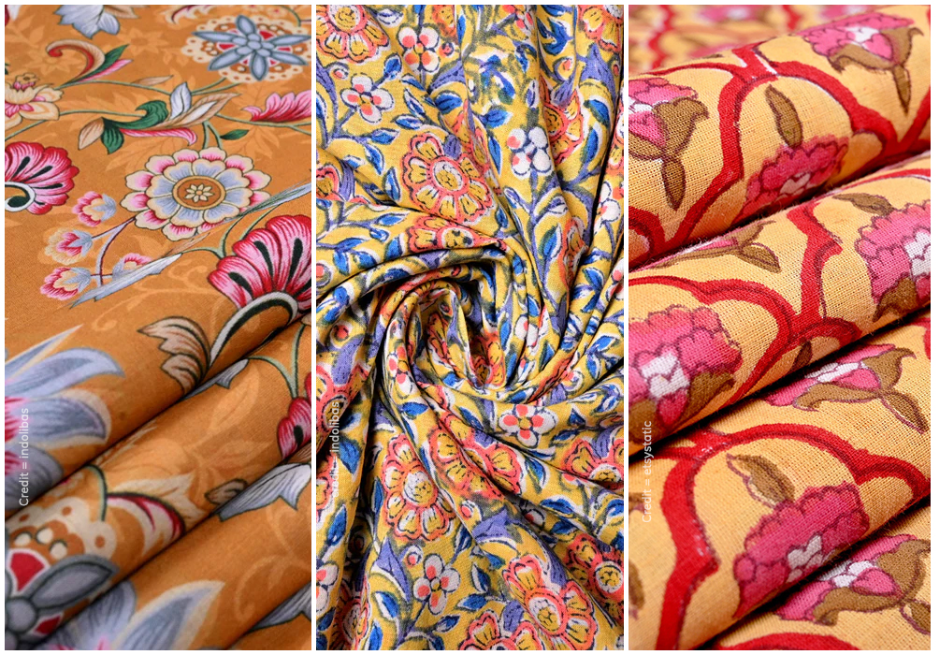
Sanganeri is a traditional form of hand-block printing that originated in Sanganer, a town located just south of Jaipur, Rajasthan. This craft is famous for its intricate designs, particularly floral and nature-inspired motifs, which are printed on fine, off-white or white cotton fabric. The beauty of Sanganeri lies in the delicate lines, the vibrant yet subtle colors, and the sheer artistry of the block carvers and printers.
Unlike other block-printing styles from Rajasthan, such as Bagru or Ajrakh, which often use dark backgrounds and bold, geometric patterns, Sanganeri is known for its graceful, detailed floral patterns on a light base. This distinction gives it a fresh, summery, and elegant appeal.
A History Rooted in Royal Taste
The story of Sanganeri print begins in the 16th century. The town of Sanganer was established by Rana Sanga, a Rajput ruler from Mewar, who transformed it into a bustling center for art and commerce. The local Chippa community, a group of skilled artisans, became the guardians of this unique printing technique.
For centuries, Sanganer was the go-to place for royalty and wealthy families who wanted their fabrics adorned with exquisite prints. Its reputation grew far and wide. During the British Raj, the East India Company became a major exporter of Sanganeri fabrics, introducing this Rajasthani art to the world.
The craft’s significance was so profound that in 1902, Sir George Watt, a prominent figure in British India, noted, "As far as the technique is concerned, Sanganer can be easily observed as the capital of Hand Block Printing.”
To protect this invaluable heritage, Sanganeri printing was granted a Geographical Indication (GI) tag in 2010. This legal protection prevents the misuse of its name and ensures that the legacy of the Chippa community continues to be honored and preserved.
The Art of Making: From Plain Cloth to Floral Canvas
Creating a Sanganeri print is a labor-intensive process that requires immense skill, patience, and precision. It involves several key steps, each passed down through generations.
Step 1: Preparing the Fabric
It all starts with a plain piece of cotton cloth. The fabric is first washed thoroughly in water and bleach to remove any impurities, starch, or dirt. This process, known as scouring, ensures that the dyes will penetrate the fabric evenly. After boiling and washing, the cloth is stretched and laid out in the sun to dry, which can take several days depending on the weather.
Step 2: Marking the Cloth
Once the fabric is clean and dry, it is laid out on a long printing table. The printer uses chalk and a scale to mark the areas where the patterns will be printed. This marking helps ensure the prints are aligned correctly and leaves enough space for cutting and stitching the final garment.
Step 3: Printing (Chhapaai)
This is where the magic happens. The artisans use hand-carved wooden blocks, typically made from teak or sheesham wood. These blocks are masterfully carved with the intricate designs that define Sanganeri prints.
The printing process itself is called chhapaai. The printer dips the block into a tray of dye and then carefully presses it onto the fabric with firm, even pressure. This is repeated meticulously across the entire length of the cloth, starting from one end and moving methodically to the other. It is a rhythmic process that requires a steady hand and an eye for detail.
Step 4: Drying and Curing (Sukhaai)
After the printing is complete, the fabric is left to dry in the sun. This step, known as sukhaai, allows the natural dyes to set and become more permanent. The sunlight helps the colors develop and deepen.
Step 5: Final Washing and Finishing (Dhulaai)
Finally, the printed cloth is steamed and washed thoroughly in water. This dhulaai process removes any excess dye and softens the fabric. Once washed, the fabric is dried one last time, ironed, and is then ready to be made into beautiful clothing, home textiles, or exported.
Design Elements: The Language of Sanganeri Motifs
The visual identity of Sanganeri print is defined by its specific design elements. If you know what to look for, you can easily distinguish it from other printing styles.
- Light Background: The most defining feature is the use of a white or off-white base fabric. This creates a perfect canvas for the delicate patterns to stand out.
- Fine Lines and Details: Sanganeri prints are known for their exceptional fineness and intricate details. The curves are graceful, and the outlines are sharp.
- Nature-Inspired Motifs: The patterns are almost always drawn from nature. You will find a beautiful array of small flowers, buds, leaves, birds (like peacocks and parrots), and animals. These motifs are often arranged in repeating patterns or scattered elegantly across the fabric.
- Color Palette: The dyes used are traditionally natural and vegetable-based, resulting in a soft and appealing color palette. Common colors include shades of red, yellow, blue, and green, all set against the light background.
Sanganeri Today: Tradition Meets Innovation
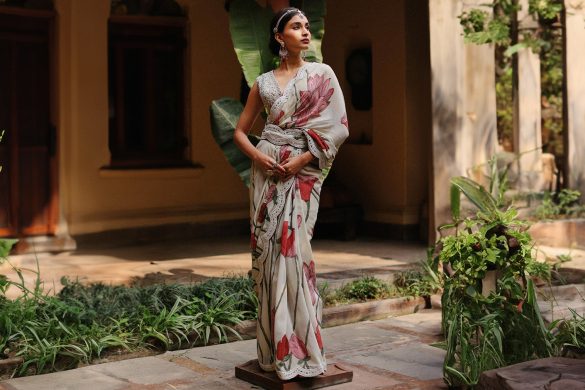
In the modern era, the Sanganeri print continues to be incredibly popular. It has gracefully transitioned from being a purely traditional craft to a staple in contemporary fashion. You can find Sanganeri prints on everything from high-fashion runways to everyday wear.
However, this popularity has also brought challenges. The debate between hand-block printing and screen printing is a significant one. Screen printing is faster, cheaper, and requires less labor, making it a tempting option for mass production. But it lacks the soul, depth, and unique character of hand-block printing. Each hand-printed fabric has slight variations and imperfections that make it a one-of-a-kind piece of art, something a machine can never replicate.
Artisans and designers are now finding a middle ground. Many designers collaborate with the Chippa community, using traditional techniques to create modern silhouettes and innovative designs. This negotiation between tradition and modernity allows the craft to evolve while preserving its core essence. This collaboration not only keeps the ancient art alive but also provides a sustainable livelihood for the artisan communities.
Why Sanganeri Prints Deserve a Place in Your Wardrobe
- Breathable and Comfortable: Made on fine cotton, Sanganeri garments are perfect for India's climate. They are light, airy, and incredibly comfortable.
- Timeless Elegance: The delicate floral patterns are universally appealing and never go out of style. A Sanganeri kurta or saree is a classic piece that you can wear for years.
- Supporting Artisans: When you buy authentic hand-block printed Sanganeri fabric, you are supporting a 500-year-old tradition and helping skilled artisans earn a fair wage for their incredible work.
- Eco-Friendly: Traditionally, Sanganeri printing uses natural dyes, making it a more environmentally friendly choice compared to fabrics treated with synthetic chemicals.
Conclusion
The Sanganeri print is a beautiful testament to the enduring power of handmade art. It carries the history of Rajasthan's royal courts, the skill of the Chippa community, and the timeless beauty of nature. Every motif tells a story, and every impression of the wooden block is a connection to a rich cultural past.
So, the next time you wear a Sanganeri print, take a moment to appreciate the centuries of tradition and the incredible human skill woven into its very threads. It’s not just a piece of clothing; it's a piece of history.