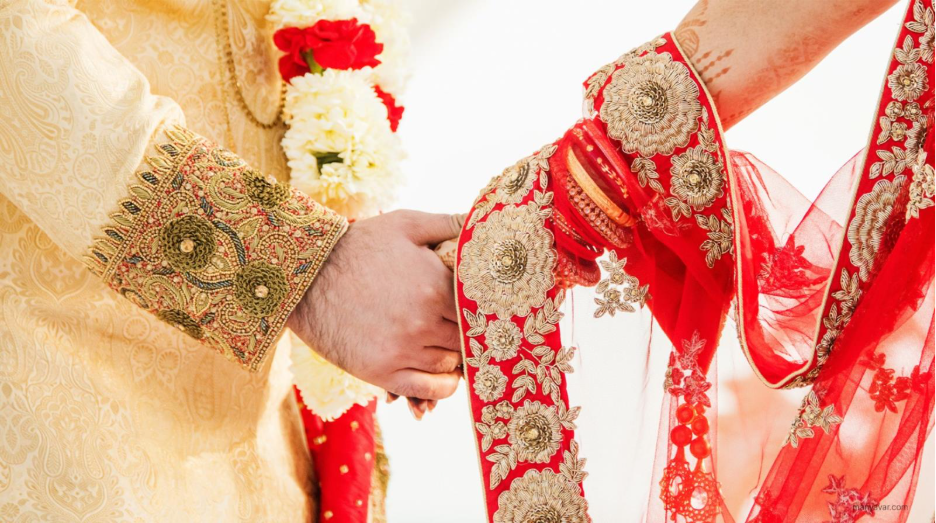
An Indian wedding is a beautiful spectacle of color, emotion, and deep-rooted traditions. At the heart of the Hindu wedding ceremony lies a ritual that is both visually and spiritually profound: the Saat Phere, or the seven circles around the sacred fire. As the bride and groom take these seven steps together, they make seven promises to each other, forming the very foundation of their marital union.
These are not just steps; they are vows that bind two souls in a sacred commitment for a lifetime. Understanding the meaning behind each phera adds a powerful layer of significance to the wedding day, transforming the ritual from a mere tradition into a deeply personal pledge.
At Aza Fashions, we cherish the beautiful traditions that make Indian weddings so special. This guide will walk you through the meaning and significance of the Saat Phere, the 7 vows of Indian marriage, which turn a couple into lifelong partners.
What are the Saat Phere?
The Saat Phere, also known as Saptapadi, is a ritual where the couple walks around a holy fire (Agni) seven times. The fire is considered a divine witness to the marriage. For the first three rounds, the groom leads, and for the final four, the bride leads. With each circle, they recite a specific vow, promising to uphold their duties and responsibilities towards each other.
These vows cover all aspects of life, from providing for the family to standing by each other in sickness and health. Let’s explore the beautiful meaning of each of the seven promises.
The First Vow: The Promise of Nourishment
The Vow: “Om esha ekapadi bhava iti prathaman.”
The couple takes their first step, with the groom leading. He prays to the Almighty to provide for their household, promising to bring prosperity and happiness to the family. The bride, in turn, promises to manage the home, food, and finances responsibly.
Meaning: This vow is about providing for each other and the family. It is a pledge of mutual responsibility, ensuring that their home will always be filled with nourishment, both literally and spiritually. It is the foundation upon which all other promises are built.
The Second Vow: The Promise of Strength
The Vow: “Om oorje jara dastayaha.”
In the second step, the couple prays for physical and mental strength. The groom promises to protect the home and family from all harm. The bride promises to be his strength and courage, standing by his side through all of life’s challenges.
Meaning: This vow signifies the couple's commitment to being each other's support system. It is about developing mental, physical, and spiritual wellness together, facing life's ups and downs as a united force.
The Third Vow: The Promise of Prosperity
The Vow: “Om rayas santu joradastayaha.”
For the third step, the couple seeks wealth and prosperity, not just in a material sense but also in knowledge and happiness. The groom promises to work hard to provide a comfortable life for their family. The bride promises her unwavering loyalty and dedication to him.
Meaning: This promise is about growing together in every aspect of life. It’s a commitment to building a prosperous future, celebrating successes, and increasing their wealth and wisdom as a team.
The Fourth Vow: The Promise of Family
The Vow: “Om mayo bhavyas jaradastaya ha.”
This is the first vow where the bride leads. She takes the lead in this step, signifying her role as the heart of the family. The couple pledges to be responsible for their families, respecting their elders and showering them with love.
Meaning: This vow is a beautiful promise to unify not just two individuals, but two families. It is about creating a life filled with love, respect, and happiness, and acknowledging the importance of family in their new journey together.
The Fifth Vow: The Promise of Progeny
The Vow: “Om prajabhyaha santu jaradastayaha.”
With the fifth step, the couple prays for virtuous, healthy, and loving children. They promise to be responsible and loving parents, nurturing their future offspring with good values and education.
Meaning: This vow is about extending their love to the next generation. It is a pledge to build a family together and raise children who are noble and kind, carrying forward the family legacy.
The Sixth Vow: The Promise of Health
The Vow: “Rutubhyah shat padi bhava.”
For their sixth step, the couple prays for a long and healthy life, free from disease. They promise to care for each other in sickness and in health, through every season and every stage of life.
Meaning: This is a powerful vow of lifelong companionship. It is a promise to be a constant source of support, especially during difficult times, and to cherish a life of togetherness filled with good health and well-being.
The Seventh Vow: The Promise of Lifelong Friendship
The Vow: “Om sakhi jaradastayahga.”
In the final step, the couple seals their union with a promise of eternal friendship, loyalty, and understanding. They vow to be not just husband and wife, but best friends for life, trusting and cherishing each other unconditionally.
Meaning: This is arguably the most beautiful of all the vows. It transcends the traditional roles of a married couple and establishes a relationship based on true companionship. It is a pledge to be partners in every sense of the word, forever and always.
Honoring the Vows in Style
The Saat Phere is the soul of a Hindu wedding. As you take these seven sacred steps, your outfit should reflect the sanctity and joy of the moment. A traditional lehenga or a classic sherwani, chosen with care, adds to the grace of the ceremony and becomes a part of the beautiful memories you create.

Understanding these vows makes the wedding ceremony a much more meaningful experience. It’s a reminder that marriage is not just a social contract, but a spiritual partnership built on love, respect, and seven sacred promises.
Ready to find the perfect attire for your sacred vows? Explore Aza Fashions to discover our collection of elegant wedding outfits. From timeless bridal lehengas to regal groom sherwanis, find the perfect ensemble to honor your traditions in style.