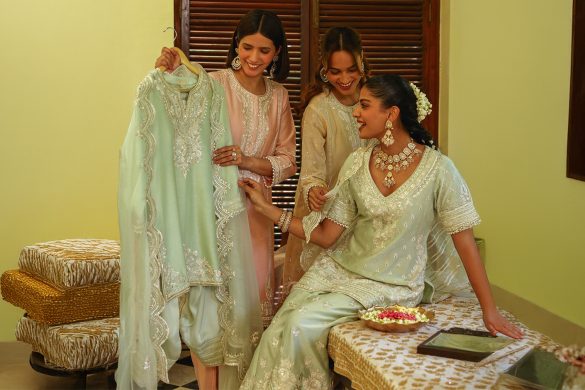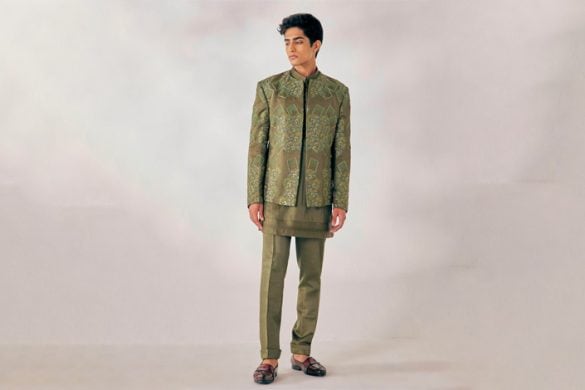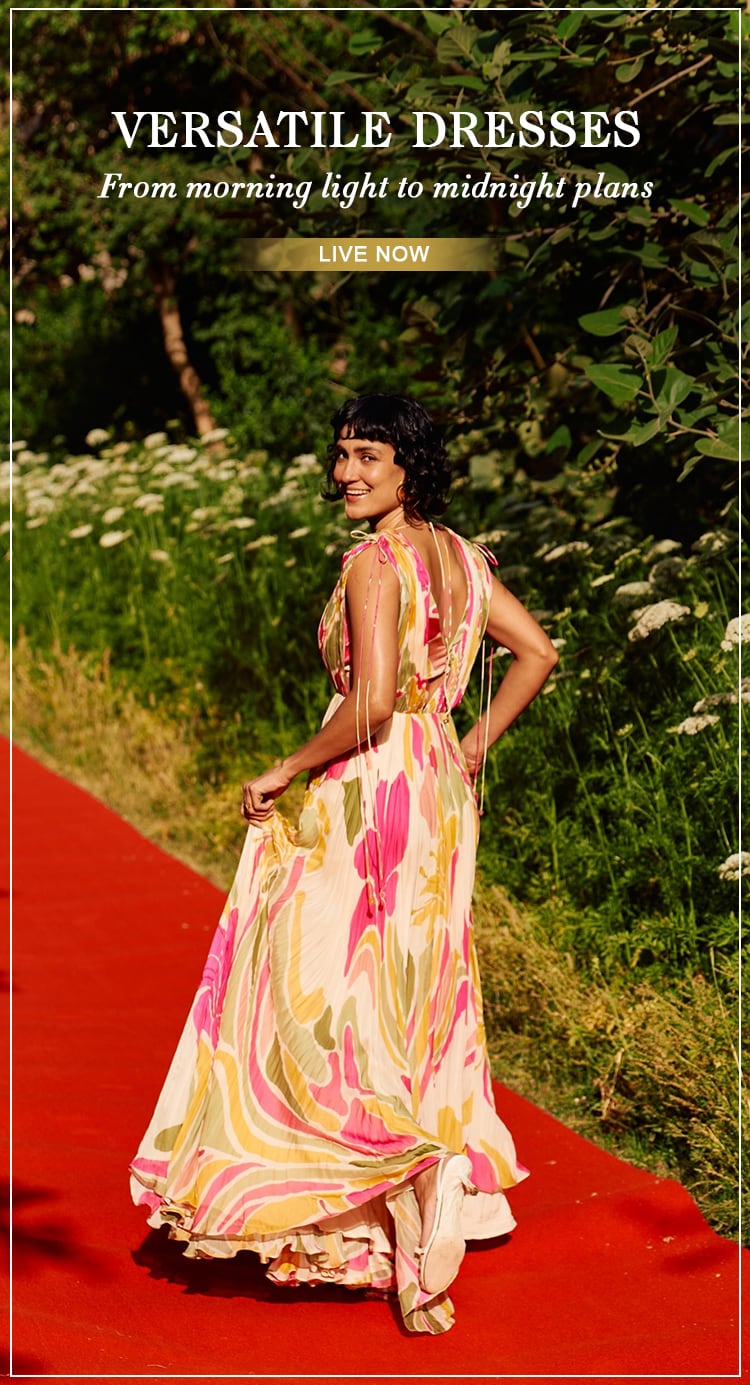
In the evolving landscape of Indian fashion, a quiet revolution is taking place. While heavy embroidery and rich brocades have long defined traditional opulence, a new wave of aesthetics is capturing the hearts of the modern fashionista. Soft prints characterized by delicate motifs, pastel palettes, and fluid fabrics are redefining what it means to dress up.
This trend is more than just a seasonal fad; it represents a shift towards "intelligent fusion," where comfort meets couture. Today's woman is global, busy, and seeking elegance that doesn't weigh her down. Soft prints offer exactly that: a sophisticated visual language that whispers rather than shouts.
Here is why soft prints are dominating designer ethnic wear in 2026 and how they are transforming your favorite categories.
The Appeal of the Understated
The rise of soft prints is fueled by a desire for lightweight luxury. Gone are the days when "festive" meant carrying 10 kilos of embellished velvet. The modern aesthetic favors breathable fabrics like organza, georgette, and chiffon, which serve as the perfect canvas for intricate digital and hand-block prints.
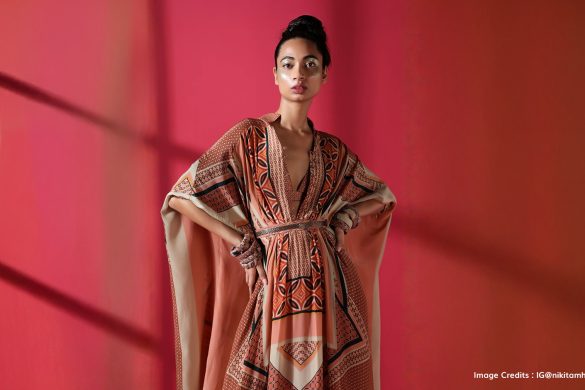
From watercolor florals to abstract geometrics, these prints bring a sense of airiness and romance to traditional silhouettes. They bridge the gap between casual and formal, making ethnic wear versatile enough for a destination wedding in Jaipur or a festive brunch in New York.
Redefining Categories with Soft Prints
Soft prints are not limited to casual kurtas; they have infiltrated high-fashion bridal and festive collections. Here is how different categories of ethnic wear are embracing this trend.
1. The New-Age Saree: Printed Elegance
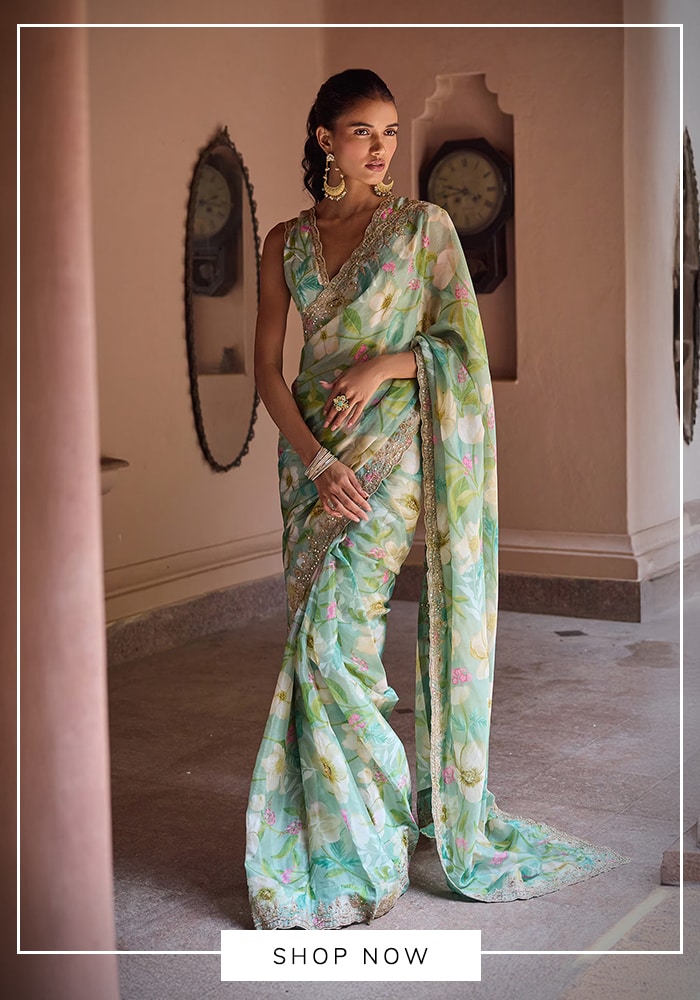
The saree is perhaps the most versatile garment in the world, and soft prints have given it a contemporary facelift.
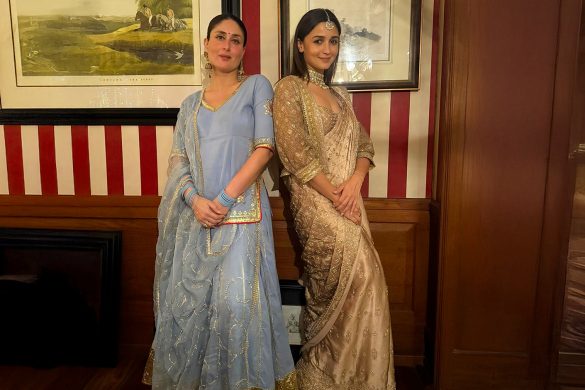
Georgette sarees featuring micro-florals or dusty botanical prints are currently trending for daytime events. These sarees drape beautifully, offering a slimming silhouette that is easy to manage. Unlike stiff silk sarees, printed versions in chiffon or organza require minimal effort to pleat and carry.
Designers are pairing these fluid drapes with statement blouses—often in solid colors or contrasting prints—to create a modern, chic look. Whether it’s a pastel-toned organza saree for a summer wedding or a digitally printed satin drape for a cocktail party, the emphasis is on fluid movement and effortless grace.

2. Lehengas: From Heavy to Heavenly
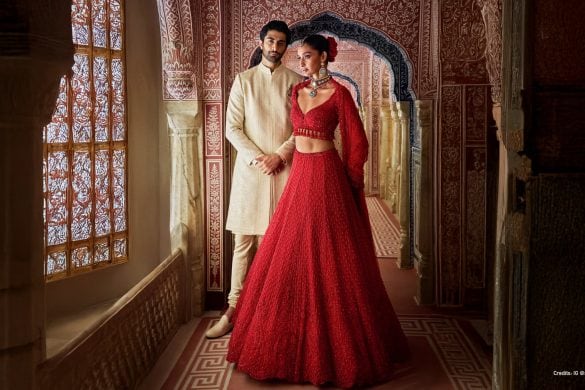
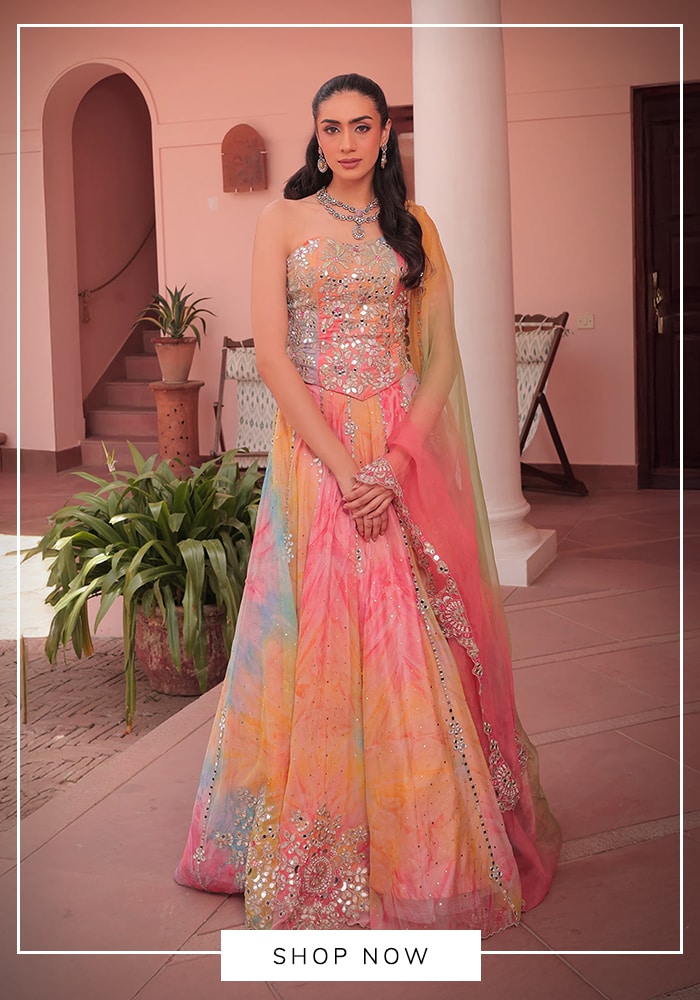
For years, lehengas were synonymous with heavy zari work and sequins. However, the printed lehenga has emerged as a game-changer, especially for sangeets, mehendi ceremonies, and destination weddings.
Designers are opting for large-scale floral prints on lightweight fabrics like organza and silk blends. These "lightweight fabrics" allow for voluminous skirts that swirl and dance with you, rather than holding you back.
The trend often features pastel tones like sage green, blush pink, and powder blue, adorned with subtle highlights of sequin or gota work to add a festive touch without the bulk. A floral printed lehenga skirt paired with a solid crop top or a blazer-style choli is the ultimate expression of modern ethnic wear.

3. Salwar Kameez: The Comfort-Chic Upgrade
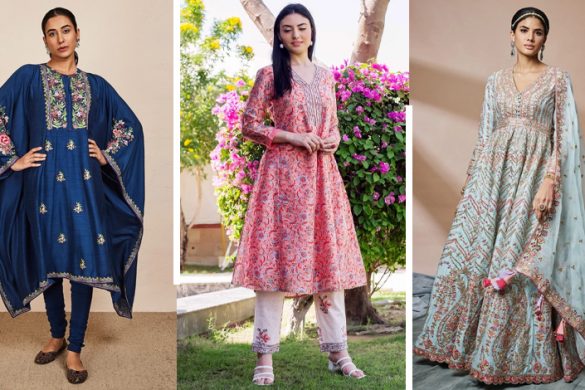
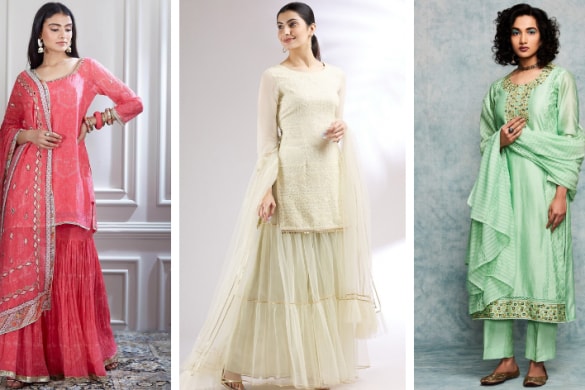
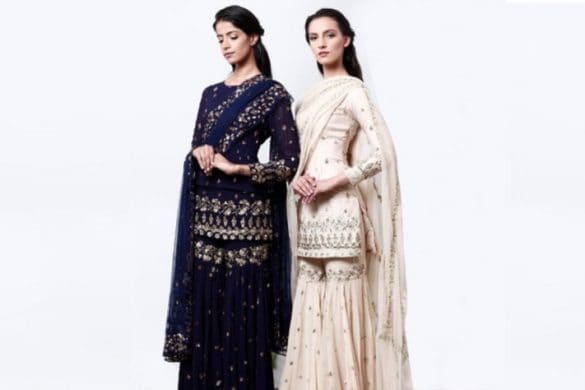
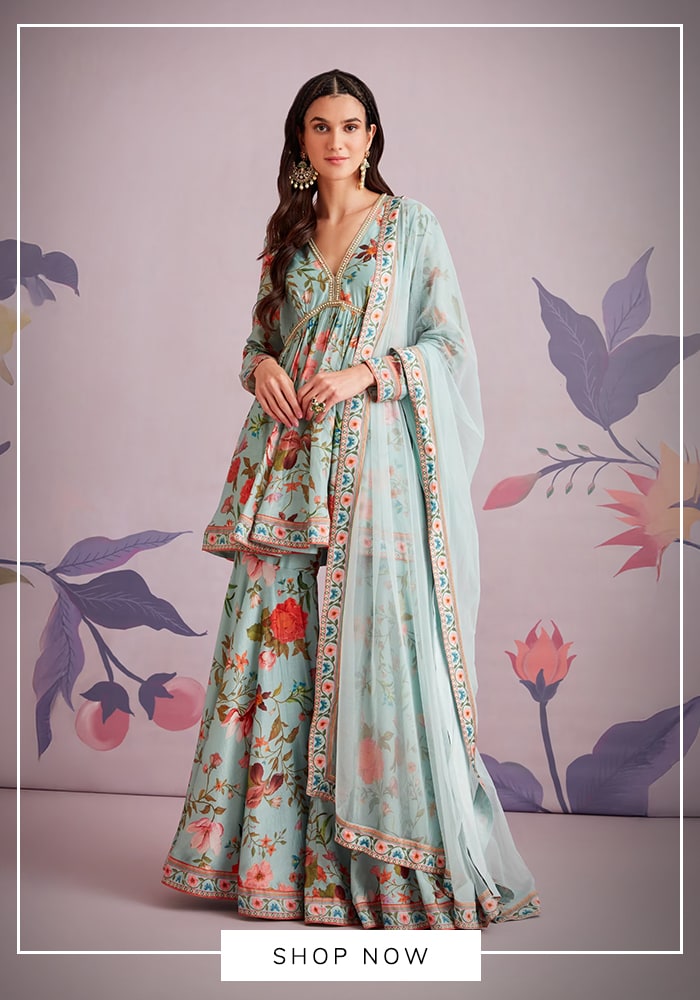
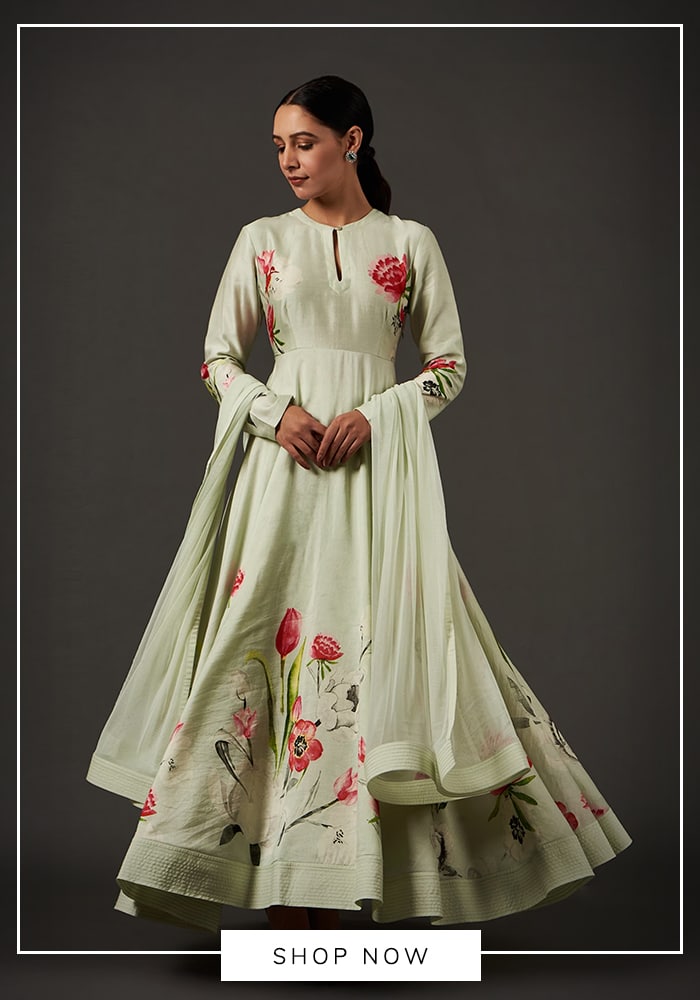
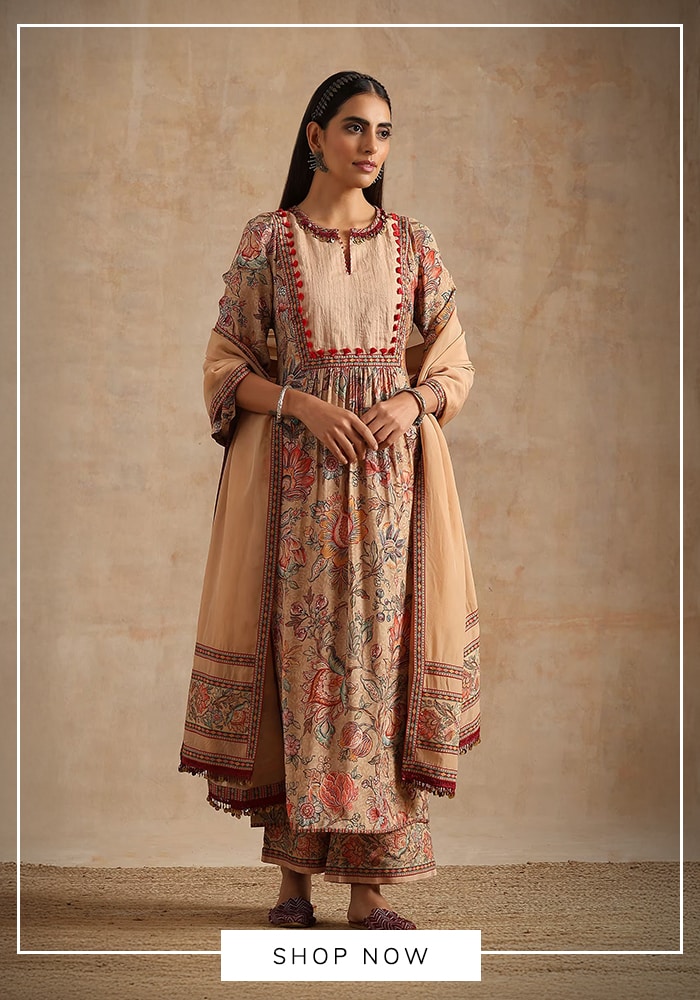
The humble Salwar Kameez has undergone a major transformation with the infusion of soft prints. The trend has moved away from stiff fabrics to flowy silhouettes like the Anarkali suits and the Sharara sets.
Floral prints dominate this category, appearing on floor-length Anarkalis made of georgette or crepe. These outfits offer the grandeur of a gown with the comfort of a suit. We are also seeing a rise in "co-ord" style sets, where the kurta and bottom feature an all-over soft print, creating a streamlined, height-enhancing look.
Soft prints in earthy or pastel hues make these outfits perfect for office wear, intimate family gatherings, or festive lunches where you want to look polished but feel relaxed.
4. Kurta Sets: Everyday Luxury
The contemporary kurta set for women is the backbone of a modern ethnic wardrobe. Soft prints have elevated this staple from basic daily wear to "everyday luxury."
Current trends favor straight-cut kurtas in breathable cottons or linens, featuring delicate block prints or digital motifs. The color palette revolves heavily around pastel tones, think lilacs, mints, and peaches which feel fresh and soothing.
Paired with matching printed palazzos or solid cigarette pants, these sets are the epitome of "modern ethnic wear." They transition effortlessly from a day at work to an evening dinner, proving that style does not have to come at the cost of comfort.

Why This Trend Resonates Now
The shift toward soft prints speaks to the changing lifestyle of the global Indian woman.
- Versatility: A printed floral lehenga can be dressed down with a white shirt or dressed up with a heavy dupatta. These pieces are not "one-time wear" items; they are reusable assets in a wardrobe.
- Comfort is Key: With destination weddings and long festive days becoming the norm, women prioritize fabrics that allow them to move, dance, and breathe.
- Global Aesthetic: Soft prints have a universal appeal. They blend Indian silhouettes with a global design sensibility, making them appropriate for multicultural settings.
Soft prints are more than just a visual delight; they are a practical response to the needs of modern life. By marrying the elegance of traditional cuts with the ease of lightweight fabrics and soothing colors, designer ethnic wear has found a new, enduring identity.
Whether you are looking for a breezy georgette saree or a chic printed lehenga, embracing soft prints is the surest way to look effortlessly stylish this season. It is a celebration of heritage, minus the weight.