Deciding what to wear to a wedding can be a challenge. When it’s an Indian wedding, with its vibrant mix of traditions and multi day celebrations, the question gets even bigger. For men, a common dilemma is choosing between a classic suit and a sharp tuxedo. Both are stylish, but they serve different purposes. Understanding the difference is key to looking your best for every event.
This guide will help you decode the suit vs. tuxedo debate for Indian weddings. We'll explore what makes them unique, which events they’re best for, and how to style them perfectly. By the end, you'll know exactly how to choose the right outfit, whether you're the groom or a guest.
What’s the Real Difference Between a Suit and a Tuxedo?
At a glance, suits and tuxedos look similar. But the details make all the difference. The primary distinction is formality a tuxedo is a step above a suit. This difference comes from a few key features.
The Defining Element: Satin
The easiest way to tell a suit from a tuxedo is by looking for satin. Tuxedos have satin details, while suits do not.
- Lapels: Tuxedo lapels are faced with satin, giving them a subtle sheen. Suit lapels are made from the same fabric as the rest of the jacket.
- Buttons: Tuxedo buttons are covered in satin. Suit buttons are usually made of plastic, bone, or horn.
- Trousers: A tuxedo often features a satin stripe down the side of the trousers. Suit trousers match the jacket fabric completely.
Fabric and Construction
Both suits and tuxedos come in materials like wool, cashmere, and blends. However, tuxedos are typically crafted from higher quality, finer fabrics to give them a more luxurious feel. A suit is designed for more frequent wear, so its construction is often more utilitarian.
Essential Accessories
The accessories you wear also separate the two looks.
- Shirt: A tuxedo is traditionally worn with a crisp white dress shirt that has a pleated or bib front and French cuffs for cufflinks. A suit can be paired with a wider variety of dress shirts, including different colors and patterns.
- Neckwear: A black bow tie is the classic choice for a tuxedo. Suits offer more flexibility, working well with neckties, bow ties, or even no tie at all for a casual look.
- Shoes: Patent leather dress shoes are the standard for a tuxedo. With a suit, you can wear polished leather shoes like Oxfords, Derbys, or loafers.
Decoding the Dress Code for Indian Wedding Events
Indian weddings are a series of festive events, each with its own vibe and dress code. Knowing where a suit or tuxedo fits in is crucial.
Mehendi & Haldi: Casual & Colorful
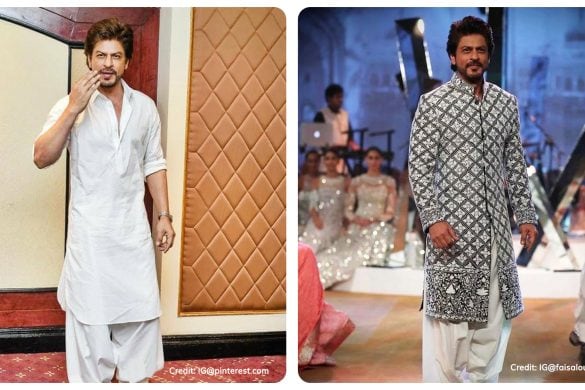
These daytime ceremonies are relaxed, joyful, and often messy. Heavy formal wear is not practical. Stick to lighter Indian ethnic wear like a kurta pajama or a Nehru jacket. A suit or tuxedo is not appropriate here.
Sangeet & Cocktail Night: Time to Shine
This is where Western formal wear often makes its grand entrance. These evening events are all about music, dance, and celebration.
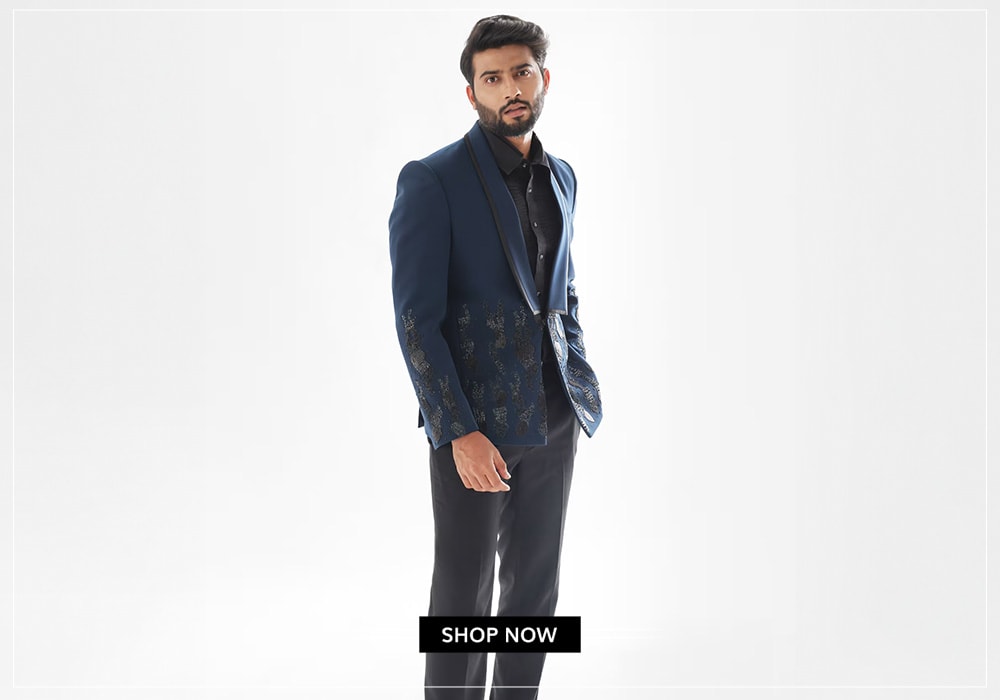
- For the Groom: A sharp, well fitted tuxedo in a classic black, midnight blue, or even a rich jewel tone like burgundy makes a powerful statement. It signals that this is a special, celebratory evening.
- For Guests: A dark suit is a perfect choice for a semi formal Indian wedding outfit. You can also opt for a tuxedo, especially if the invitation specifies "black tie" or "cocktail attire."
Wedding Ceremony (Pheras/Nikah): Tradition Reigns
The main wedding ceremony is typically a traditional affair.
- For the Groom: Most grooms opt for ethnic attire like a sherwani, an achkan, or a bandhgala. This is a moment to honor cultural heritage. A suit or tuxedo is rarely worn for the main ceremony, creating a tuxedo vs. sherwani choice where the sherwani almost always wins.
- For Guests: Guests can wear a suit, especially for a daytime winter wedding. However, an Indian outfit like a bandhgala or kurta with a Nehru jacket is often a more fitting and comfortable choice.
The Grand Reception: Formal & Fabulous
The wedding reception is a formal celebration and your final chance to make a style statement.
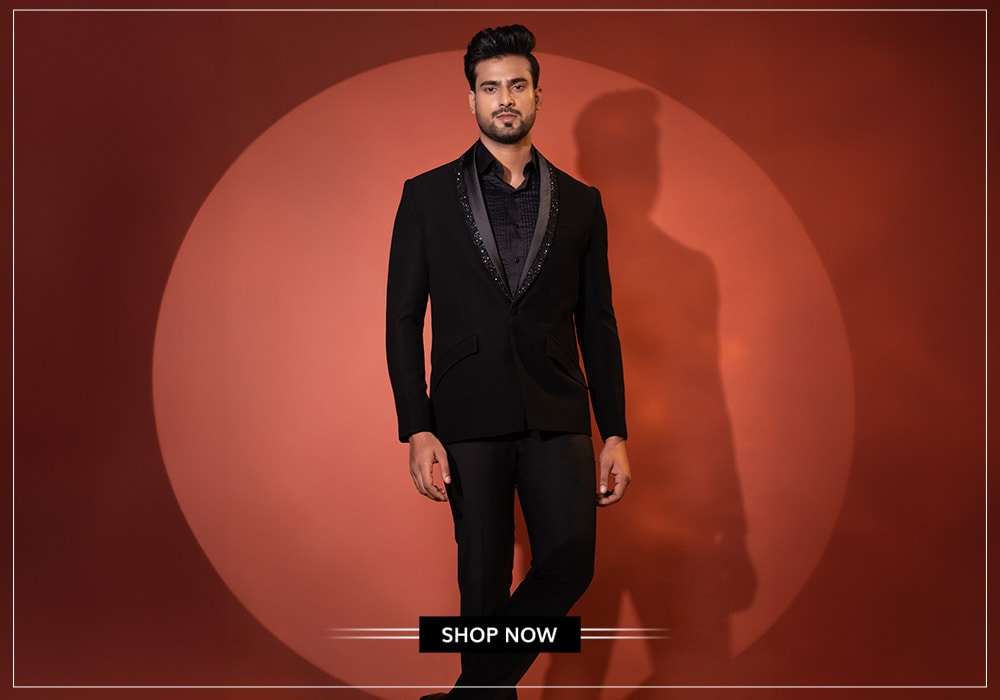
- For the Groom: A tuxedo is an excellent choice for the groom at a formal evening reception. It looks polished, celebratory, and photographs beautifully. A stylish three piece suit is another great option.
- For Guests: If the dress code is "black tie Indian wedding," a tuxedo is expected. For a formal or semi formal reception, a dark suit is always a safe and stylish bet.
Finding the Right Fit and Style
Whether you choose a suit or a tuxedo, the fit is everything. A well tailored garment looks infinitely better than an expensive one that doesn’t fit properly.
- Shoulders: The jacket's shoulder seam should end exactly where your shoulder does.
- Jacket Length: The jacket should cover the seat of your trousers.
- Sleeves: About a half inch of your shirt cuff should be visible beyond the jacket sleeve.
- Trousers: Trousers should have a clean line with a slight break at the shoe.
Consider exploring designer wear for impeccable tailoring and unique designs. Aza Fashions, a leading e commerce brand for buying designer wear, offers an extensive collection from top Indian designers. You can find everything from classic suits to modern tuxedos and fusion bandhgalas, ensuring a perfect fit and standout style.
Competitive Insights: What Top Blogs Say
When you look at guidance from leading fashion and wedding platforms, a clear pattern emerges. They almost universally agree that tuxedos are reserved for formal, evening events with a "black tie" dress code. Suits are positioned as more versatile, appropriate for semi formal events, daytime functions, or when the dress code is less strict. Most also emphasize that for traditional Indian ceremonies, ethnic wear like a sherwani or bandhgala is the preferred and more culturally appropriate choice for the groom and close family.
Fusing Western and Indian Styles
One of the most exciting trends in Indian wedding fashion is the fusion of Western and Indian elements.
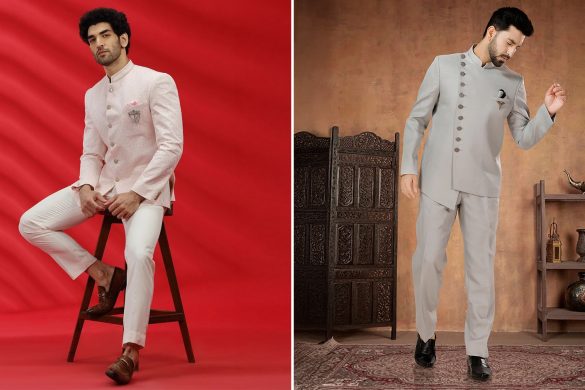
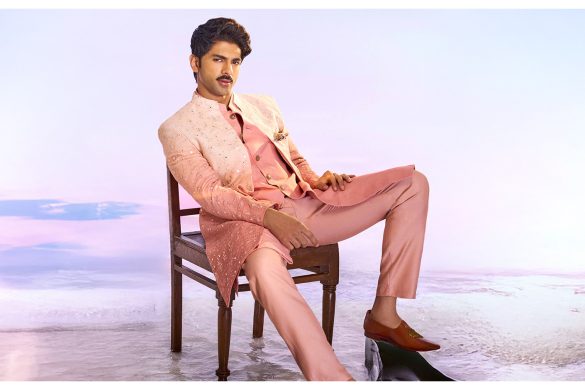
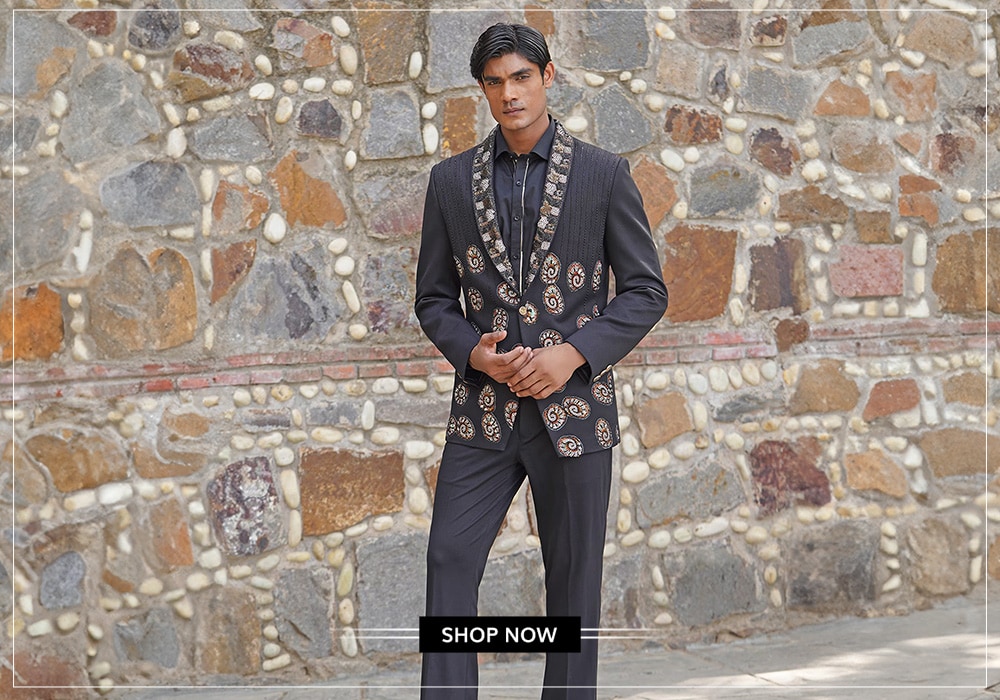
- The Bandhgala Suit: A bandhgala jacket paired with matching trousers creates a look that is both Indian and internationally stylish. It’s a fantastic alternative to a traditional suit or tuxedo.
- Accessorize with a Dupatta: A groom can drape a richly embroidered dupatta or shawl over a classic tuxedo for a regal, fusion look.
- Nehru Jacket with Trousers: For a semi formal event like a sangeet, pair a crisp shirt and formal trousers with a contrasting Nehru jacket.
These fusion looks are a great way to express personal style while respecting tradition. You can find an incredible range of these styles when you buy designer wear online in India, with platforms like Aza Fashions curating looks from the best designers for Indian wedding suits and ethnic wear.
Frequently Asked Questions (FAQs)
1. Can I wear a tuxedo to an Indian wedding ceremony?
It’s generally not recommended. The main wedding ceremony (Pheras or Nikah) is a traditional event where ethnic attire like a sherwani or kurta is more appropriate. A tuxedo is best saved for a formal reception or cocktail night.
2. What is the main difference between a suit and a tuxedo for a wedding?
The main difference is formality, marked by the presence of satin. Tuxedos have satin on the lapels, buttons, and trouser stripes, making them more formal than suits. They are reserved for "black tie" events, while suits are more versatile.
3. What colors are best for a suit or tuxedo at an Indian wedding?
For a tuxedo, classic black or midnight blue is timeless. For a suit, navy, charcoal, and grey are safe and stylish choices. For a bolder statement at a sangeet or reception, you can explore jewel tones like emerald green, burgundy, or royal blue.
4. How do I choose between a tuxedo and a sherwani for the groom?
Choose based on the event. A sherwani is perfect for the traditional wedding ceremony, honoring cultural heritage. A tuxedo is ideal for a formal Western style reception, offering a sharp, celebratory look. Many grooms wear both a sherwani for the ceremony and a tuxedo for the reception.
5. What accessories should I wear with a tuxedo at an Indian wedding?
Stick to the classics: a white dress shirt with French cuffs, a black bow tie, cufflinks, and black patent leather shoes. You can add a pocket square for a pop of personality. Avoid wearing a necktie with a tuxedo.
Your Perfect Wedding Look Awaits
Choosing between a suit and a tuxedo ultimately comes down to the specific event, the dress code, and your personal style. A tuxedo is for your most formal, celebratory moments, while a well fitted suit offers timeless versatility. For Indian weddings, it's often best to have a mix of both Western and ethnic wear to look your best at every function.
Ready to find your perfect wedding outfit? Explore the curated collections of designer suits, tuxedos, sherwanis, and bandhgalas from the biggest names in Indian fashion. Shop these styles on the Aza Fashions website and discover a world of luxury menswear delivered right to your door.