Tamil Nadu, the cradle of Dravidian culture in Southern India, is a land of ancient temples, sun-kissed coastlines, and a profound cultural heritage that stretches back millennia. Its landscape is dotted with towering gopurams (temple gateways) that touch the sky, and its air is filled with the rhythms of classical music and dance. This deep-rooted history is not just confined to monuments; it is vibrantly alive in the state's iconic textiles and traditional clothing.
The tropical climate has long influenced the choice of lightweight, breathable fabrics like silk and cotton, perfect for the region's warmth and humidity. Meanwhile, centuries of royal patronage and a rich temple culture have shaped some of the most revered textile techniques in the world. Today, the timeless elegance of Tamil Nadu's traditions continues to inspire contemporary fashion and design, offering a beautiful blend of ancient artistry and modern style. This guide will immerse you in the graceful world of Tamil Nadu's stylistic legacy.
Traditional Clothing / Ethnic Wear
The attire of Tamil Nadu is a reflection of its cultural identity elegant, rich in symbolism, and deeply connected to tradition. As a timeless expression of Indian wear, the garments are crafted for grace and comfort, adorned with motifs that echo the state's artistic and spiritual soul.
Women’s Attire
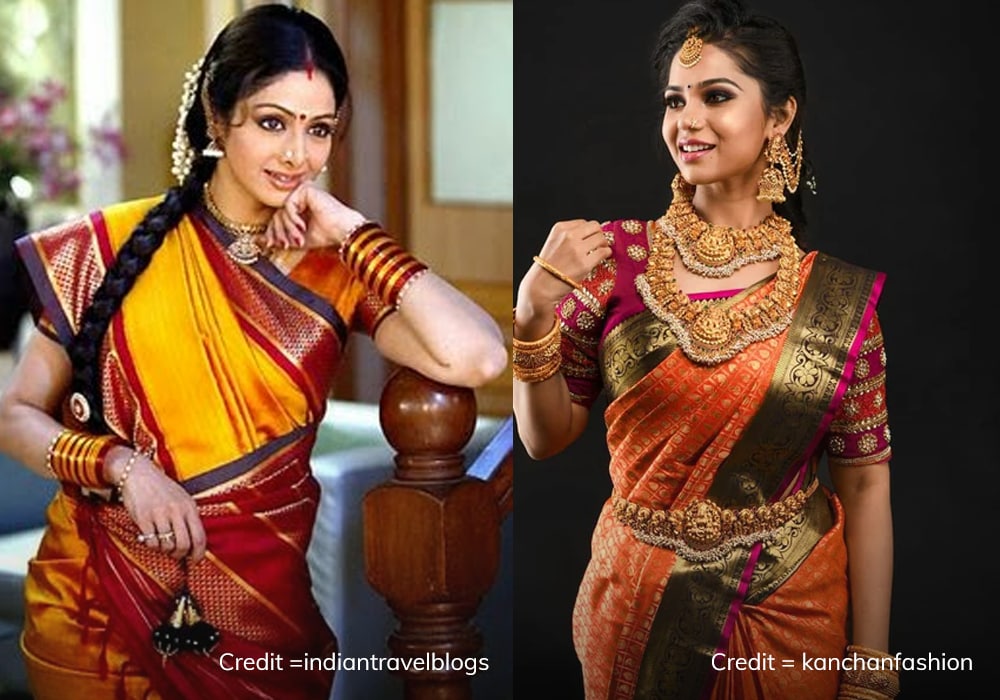
For women in Tamil Nadu, the saree is not just a garment but a symbol of grace and heritage.
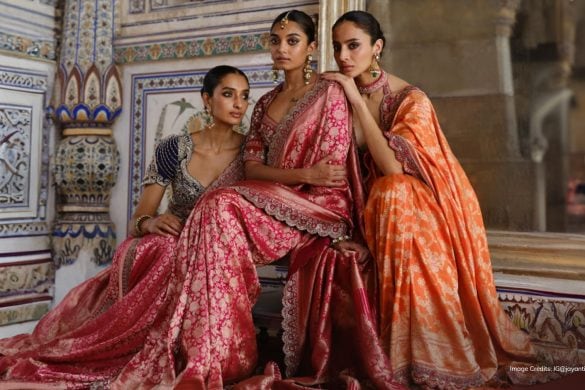
- Kanjeevaram Saree: The undisputed queen of sarees, the Kanjeevaram (or Kanchipuram) silk saree is a masterpiece of weaving. Known for its rich mulberry silk, vibrant colors, and intricate zari work featuring temple-inspired motifs, it is a prized possession worn during weddings and major festivals. The body and border are often woven separately and then interlocked, a technique that makes the saree incredibly durable.
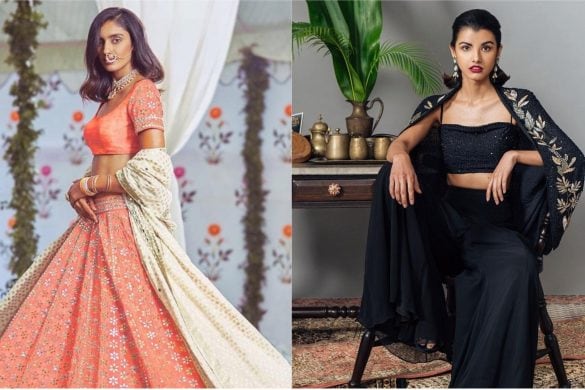
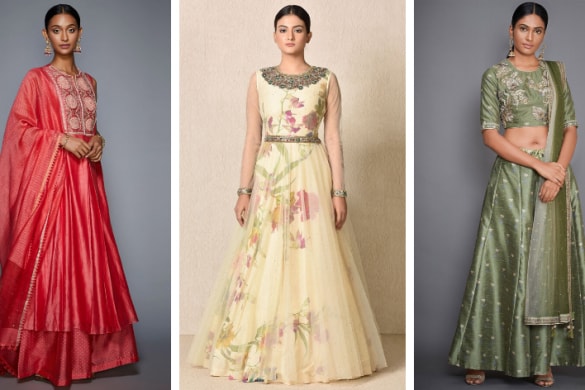
- Half-Saree (Langa Voni): A traditional two-piece attire worn by young women, the half-saree consists of a pavadai (a long skirt), a choli (blouse), and a davani (a long scarf draped like a saree pallu). It represents a transition from childhood to womanhood and is often seen during cultural events and ceremonies.
- Pavadai: For young girls, the pavadai set, a long skirt paired with a matching blouse, is the traditional outfit of choice, often made in bright silks for festive occasions.
Men’s Attire
Men's traditional wear in Tamil Nadu is elegant in its simplicity, designed for comfort in the tropical climate.
- Veshti (Dhoti): The primary traditional garment for men is the veshti, a rectangular piece of unstitched cloth wrapped around the waist. A simple white or cream-colored cotton veshti is worn for daily use, while a silk one with a decorative border (karai) is reserved for special occasions like weddings and temple visits.
- Angavastram: This is a separate piece of cloth, or shawl, draped over the shoulders. It serves both a practical and a formal purpose, completing the traditional look.
- Sattai: A simple shirt, or sattai, is typically worn with the veshti.
Jewelry & Accessories
Jewelry in Tamil Nadu is deeply symbolic and is an integral part of traditional attire.
- Temple Jewelry: This is perhaps the most famous style of jewelry from the region. Originally crafted to adorn temple idols, these heavy gold ornaments feature intricate designs of gods, goddesses, lotuses, and peacocks, often studded with precious and semi-precious stones.
- Gold Ornaments: Gold is highly valued, and traditional jewelry includes pieces like the manga malai (mango necklace), kasu malai (coin necklace), and various designs of earrings (jhumkas) and bangles.
- Jasmine Flowers (Malli Poo): Fragrant strings of jasmine flowers are a quintessential hair accessory for women, adding a touch of natural beauty and elegance to their look.
Crafts, Textile Techniques & Prints
Tamil Nadu's textile heritage is defined by its masterful weaving traditions, which have been perfected over centuries.
- Kanjeevaram Silk Weaving: This legendary craft from Kanchipuram involves weaving pure mulberry silk with intricate zari threads made of silver dipped in gold. The motifs are drawn from temple architecture, mythology, and nature, including peacocks, parrots, lions, and floral patterns.
- Madurai Sungudi Sarees: Known as the "tie and dye" of the south, Sungudi sarees from Madurai use a traditional resist-dyeing technique similar to Bandhani. These cotton sarees are lightweight, comfortable, and feature vibrant dot patterns.
- Chettinad Cottons: Hailing from the Chettinad region, these are thick, durable cotton sarees known for their bold checks, stripes, and contrasting color combinations. Their earthy, vibrant look makes them a popular choice for everyday wear.
Cultural Context – Lifestyle, Tradition & Heritage Influences
The clothing and crafts of Tamil Nadu are inextricably linked to its climate, history, and deep-seated social norms.
The hot and humid tropical climate makes lightweight and absorbent fabrics like cotton and silk ideal. The veshti for men and the flowing sarees for women allow for ample air circulation, providing comfort throughout the day.
Traditions of modesty are reflected in the draping style of the saree, which provides elegant coverage. The veshti is considered a garment of respect, especially when worn in temple precincts. The state's Dravidian heritage and powerful temple culture are the biggest influences on its textiles. The motifs seen on Kanjeevaram sarees are direct translations of the carvings and sculptures found on ancient temple walls. Royal patronage from dynasties like the Cholas and Pandyas was crucial in nurturing these crafts, allowing weavers to create textiles of unparalleled quality and artistry.
When & How These Styles Are Worn Today
While deeply traditional, the styles of Tamil Nadu have found their place in the modern world.
- Everyday vs. Special Occasions: Simple cotton sarees, especially Chettinad cottons, are still a common sight for daily wear. The magnificent Kanjeevaram silk sarees are reserved for the most important life events—weddings, major festivals like Pongal and Diwali, and formal ceremonies.
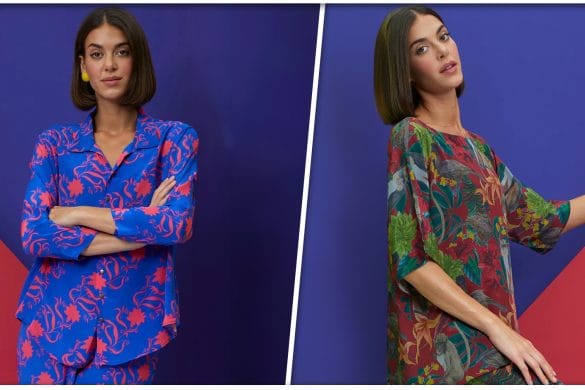
- Modern Reinterpretations: Contemporary designers are reinterpreting these classic textiles for modern wardrobes. You can find dresses made from Chettinad cotton, jackets with Kanjeevaram borders, and Sungudi patterns on scarves and tunics. The half-saree has inspired modern lehenga designs popular across India.
Styling Tips:
- Pair a Chettinad cotton saree with contemporary silver jewelry for a chic, modern-ethnic look.
- Use a Kanjeevaram silk dupatta as a statement piece over a simple kurta or dress.
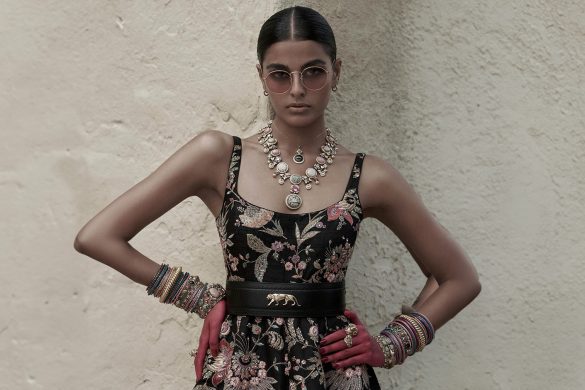
- Incorporate temple jewelry with western outfits to create a bold, fusion look for a special evening.
Why It Matters – Heritage, Identity & Fashion Inspiration
Preserving the textile crafts of Tamil Nadu is about safeguarding a priceless cultural legacy and supporting the artisan communities that are its custodians. Each Kanjeevaram saree is a work of art that carries generations of skill and history within its threads.
In a world leaning towards disposable fashion, the enduring quality and timeless beauty of these handcrafted textiles offer a meaningful alternative. They inspire global fashion with their rich colors, sophisticated patterns, and unparalleled craftsmanship. These styles demonstrate that tradition is a powerful source of inspiration for a graceful and modern wardrobe.
Discover the Elegance of Tamil Tradition
Tamil Nadu's style heritage is a beautiful narrative of culture, spirituality, and artistry. From the majestic drape of a Kanjeevaram saree to the intricate design of a temple necklace, each element is a testament to a civilization that has always cherished beauty and craftsmanship.
We encourage you to explore this world of timeless elegance. Consider investing in a handwoven saree, a piece of temple jewelry, or a vibrant Chettinad cotton fabric. By doing so, you are not just embracing a beautiful aesthetic; you are celebrating a rich heritage and helping to ensure that these magnificent art forms continue to flourish for generations to come.