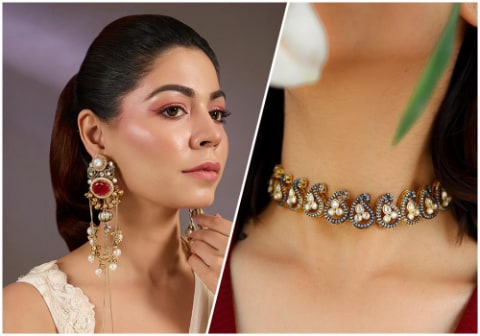
There is something undeniably magical about an outfit that catches the light. Whether it is a subtle shimmer or a dazzling sparkle, light-reflecting embellishments have a way of making us feel special. At the heart of this glittering world lies sequin embroidery, a technique that has adorned royalty and fashion icons for centuries.
You might see sequins everywhere today, from casual t-shirts to high-end bridal lehengas. But this art form is far more than just shiny plastic discs. It is a historic craft with deep roots in culture and tradition.
In this blog, we will explore the fascinating journey of sequin embroidery. We will look at its history, its massive role in ethnic fashion, and how you can style these sparkling pieces for any event.
From Gold Coins to Glitter: A Brief History
The word "sequin" comes from the Arabic word sikka, meaning coin or minting die. Centuries ago, people in the Middle East and India didn't just wear sparkle for fashion; they wore it as a sign of wealth. Travelers and nomads would sew real gold and silver coins onto their clothing. This wasn't just for decoration. It was a practical way to keep their wealth safe and close to their bodies while moving from place to place.
Over time, the intent shifted from functionality to pure aesthetics. In India, this evolved into a specialized traditional craft. Artisans began flattening precious metals into small ring-like shapes to stitch onto fabric. This was the ancestor of the modern sequin.
During the 1920s, the discovery of King Tutankhamun’s tomb revealed garments covered in gold discs, sparking a global obsession with sequins. Today, we mostly use plastic or vinyl sequins, which are lighter and more affordable, but the technique of intricate hand-embroidery remains a highly skilled art form.
The Process: How the Magic Happens
Understanding the effort behind the sparkle makes wearing it even more special. Sequin embroidery can be done by machine or by hand, but the most luxurious ethnic wear usually features hand-done work.
Artisans start by tracing a design onto the fabric. Then, using a hook or a needle, they stitch each sequin individually. They might use a simple flat stitch, where the sequin lies flat against the fabric, or an overlapping stitch, which creates a textured, scale-like effect (often called "fish scale" embroidery).
The beauty lies in the variety. Sequins come in different shapes—round, square, flower-shaped—and finishes, from matte and metallic to holographic. When combined with other embroidery styles like Zari or thread work, the result is a textured masterpiece that feels rich and dimensional.
Sequin Embroidery in Indian Ethnic Fashion
While sequins are used globally, they hold a special place in Indian wardrobes. They add the perfect amount of festivity required for weddings and celebrations. Let's look at how this craft transforms different traditional outfits.
The Shimmering Saree
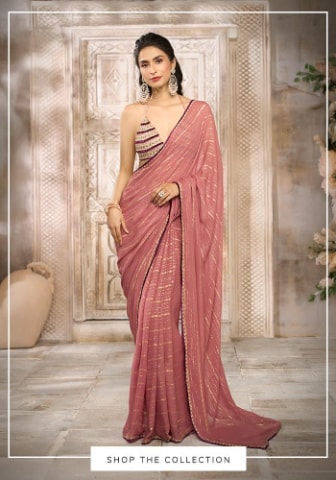
A sequin saree is a modern classic. Unlike heavy silk sarees that rely on the weave for beauty, sequin sarees rely on light. Designers often use sheer fabrics like georgette, chiffon, or net as a base. This keeps the saree lightweight even when it is fully embellished.
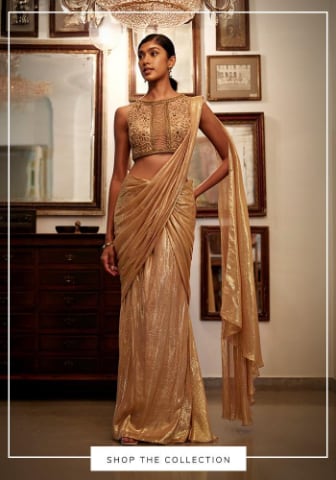
You can find two main styles here:
- The Border Look: A plain saree with a heavy sequin border. This is elegant and perfect for formal dinners.
- The All-Over Glam: A saree completely covered in sequins. This is a showstopper, ideal for cocktail parties or receptions.
The Dazzling Lehenga
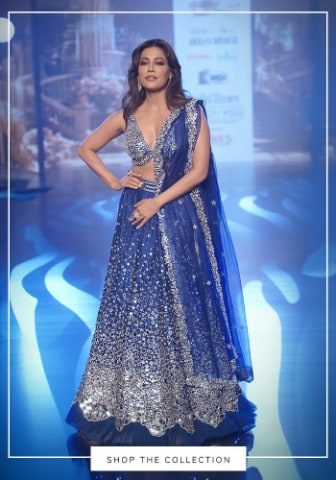
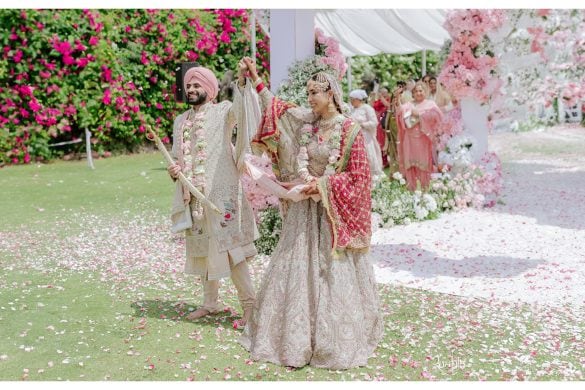
Lehengas and sequins are a match made in heaven. For brides who want to shine without the weight of heavy stones or velvet, sequin embroidery is a great choice. Pastel lehengas with silver or champagne sequins have become a massive trend for day weddings.
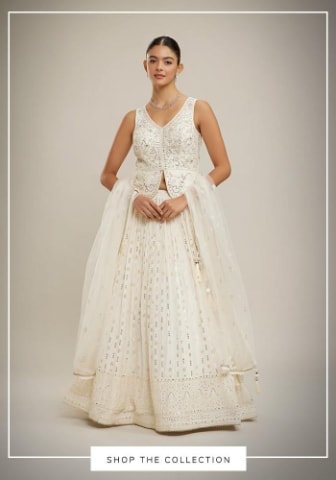
For sangeet nights, darker colors like midnight blue, emerald green, or black featuring self-colored sequins look incredibly chic. The "tone-on-tone" technique, where the sequins match the fabric color, provides a sophisticated shimmer that isn't too loud.
The Sparkling Salwar Suit
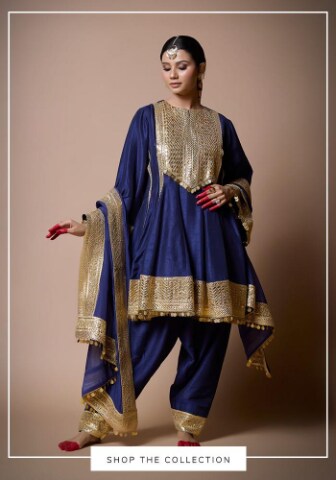
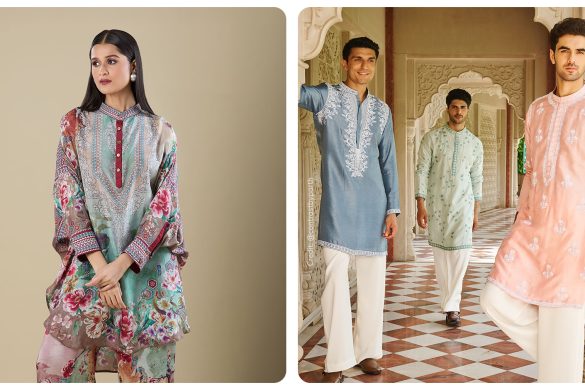
If you want to wear sequins in a more understated way, the salwar suit is your best bet. A simple Anarkali with a sequin-scattered dupatta creates a romantic look. Alternatively, a straight-cut kurta with detailed sequin work on the neckline and cuffs adds just enough glam for a festive family gathering. Punjabi suits with mirror and sequin work are also iconic, capturing the vibrant spirit of North Indian fashion.
Modern Appeal and Global Trends
Why is sequin embroidery still popular after all these centuries? The answer lies in its versatility. It has successfully crossed the bridge between traditional craft and modern high fashion.
Designers are constantly reinventing how sequins are used. We are seeing a rise in "matte sequins," which offer texture without the intense shine. This makes them suitable for daytime wear.
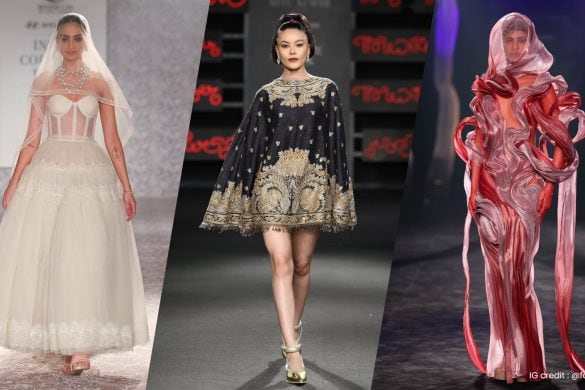
Fusion wear has also embraced sequins. Crop tops, cape jackets, and Indo-western gowns heavily feature this work. A sequin crop top can be paired with a plain lehenga skirt for a wedding, or with high-waisted trousers for a dinner date. This adaptability makes sequin pieces a smart investment for your wardrobe.
How to Style Sequin Outfits
Wearing sequins can be tricky. There is a fine line between looking glamorous and looking like a disco ball. Here are some simple tips to style your sequin outfits perfectly.
1. Balance is Key
If you are wearing a heavy sequin outfit, keep everything else simple. If your lehenga is fully embroidered with sequins, opt for a solid-colored blouse or a plain dupatta. Let the sequins be the hero of your look.
2. Minimal Jewelry
Sequins reflect light and draw attention. You don't need heavy jewelry competing for that attention.
- For high necklines: Skip the necklace and go for statement earrings.
- For deep necklines: A delicate diamond or stone choker works well.
- Avoid chunky gold jewelry that might clash with the modern vibe of sequins.
3. Choose the Right Time
While fashion rules are meant to be broken, lighting plays a huge role in how sequins look.
- Daytime Events: Choose matte or pastel sequins. Colors like powder blue, peach, or mint green with silver sequins look fresh and airy.
- Nighttime Events: Go bold with metallics (gold, silver, copper) or deep jewel tones. The artificial lights at the venue will make your outfit come alive.
4. Makeup Matters
Keep your makeup dewy and fresh. A heavy sequin outfit paired with heavy makeup can look overwhelming. A nude lip and defined eyes usually complement the shimmer of the dress perfectly. If your outfit is silver, go for cool-toned makeup. If it is gold or copper, warm bronze tones on the face look stunning.
Caring for Your Sequin Treasures
Sequin embroidery is delicate. To ensure your outfits last a lifetime, you need to care for them properly.
- Never machine wash. The agitation can bend the sequins or break the threads holding them. Always dry clean.
- Store with care. Wrap your sequin outfits in a muslin cloth or a soft saree bag. Do not hang them next to delicate fabrics like silk or chiffon, as the sequins can snag and tear the other garments.
- Air them out. Before packing them away, let them air out in the shade to remove any moisture or perfume residue.
Conclusion
The art of sequin embroidery is a testament to how fashion evolves while staying true to its roots. From ancient coins sewn onto tunics to the high-fashion runways of today, sequins have always been about standing out and celebrating life.
Whether you are looking for a heavy bridal lehenga or a chic party saree, this traditional craft offers something for everyone. It is versatile, timeless, and undeniably beautiful. So, the next time you are shopping for ethnic wear, don't shy away from a little sparkle. Embrace the light-catching magic of sequins and let your style shine.
Ready to add some shimmer to your wardrobe? Explore the latest collections at Aza Fashions and find the perfect sequin piece for your next celebration.