In the rich tapestry of traditional Indian textiles, few drapes combine understated elegance with deep cultural heritage quite like Mangalagiri sarees. Originating from the temple town of Mangalagiri in Andhra Pradesh, these sarees are celebrated for their simplicity, durability, and the distinctive glow of their golden zari borders. This is more than just a piece of fabric; it is a story woven with threads of devotion, history, and masterful craftsmanship.
This post will guide you through the sacred origins of Mangalagiri sarees, explore their unique characteristics, and trace their journey from a local temple tradition to a globally admired symbol of handloom excellence. You will discover what makes these sarees a timeless addition to any wardrobe.
Sacred Beginnings: The Temple Town of Mangalagiri
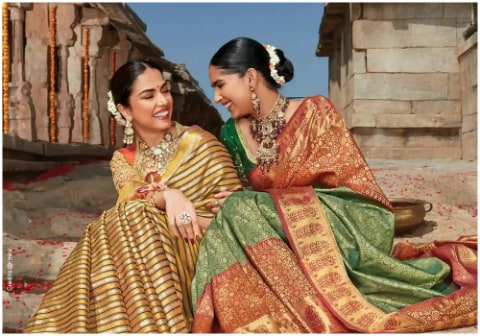
The story of the Mangalagiri saree is inseparable from its namesake town. Mangalagiri, which translates to "The Auspicious Hill," is a significant pilgrimage site, home to the revered Panakala Narasimha Swamy temple. For centuries, weaving in this region was not just a craft but a form of devotion. The tradition began with weavers creating fabrics offered to the temple deity. Devotees visiting the temple would then purchase these handwoven textiles as a sacred memento of their pilgrimage.
This deep-rooted connection to the temple fostered a unique weaving culture. The craft was patronized by the local community and pilgrims alike, ensuring its survival and growth. The spiritual significance of the town is woven into every thread, giving Mangalagiri sarees a unique identity that distinguishes them from other handloom sarees of Andhra Pradesh. This historical link to faith and community is what makes the saree a cherished piece of cultural heritage.
The Art of the Weave: What Makes Mangalagiri Sarees Unique?
Mangalagiri sarees are defined by their minimalist aesthetic and superior craftsmanship. Unlike heavily embellished sarees, their beauty lies in their simplicity and the quality of the fabric. Let's explore the key characteristics that make them so special.
Fine Cotton and Silk-Cotton Blends
The hallmark of a Mangalagiri saree is its fabric. Woven from fine-count cotton, these sarees are incredibly lightweight, breathable, and comfortable, making them perfect for India's warm climate. The cotton is known for its durability and soft texture, which gets even better with each wash. In recent times, weavers have also incorporated silk-cotton blends, adding a subtle sheen and a more formal drape to the sarees while retaining their characteristic lightness.
The Missing Piece: The Nizam Border
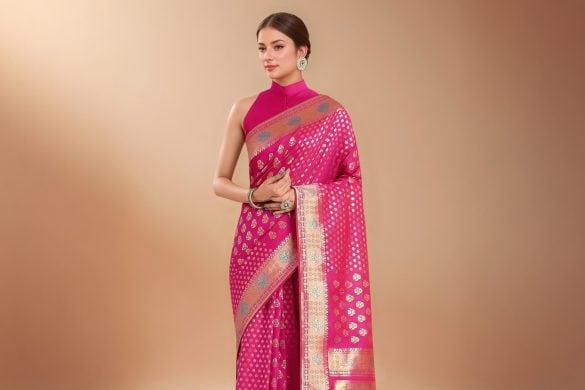
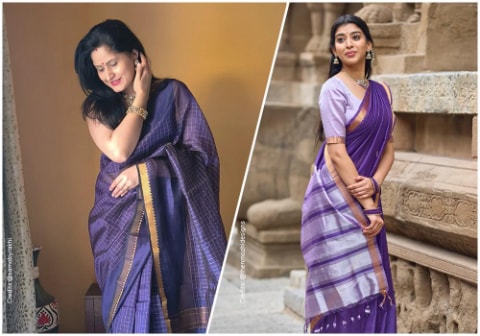
A defining feature of an authentic Mangalagiri saree is its distinctive border, often referred to as the Nizam border. These sarees are known for featuring intricate golden zari borders that stand in beautiful contrast to the solid-colored body. What makes them unique is the absence of woven motifs or patterns on the body of the saree itself. The focus is entirely on the lustrous border and the rich, plain color of the fabric. This minimalist design principle gives the saree a sophisticated and timeless appeal. The zari work is typically done in a dense, striped pattern, adding a touch of grandeur without overwhelming the drape.
The Weaving Process
The creation of a Mangalagiri saree is a labor of love, requiring immense skill and precision. The weaving is done on a pit loom, a traditional loom where the weaver sits with their feet in a pit. This setup provides better control over the loom and allows for the creation of tightly woven, durable fabric. A unique aspect of the process is the absence of a dobby mechanism for creating intricate patterns on the body, which reinforces the saree's plain-body design philosophy. The zari border, however, is woven with meticulous care, making it the saree's primary decorative element.
From Local Tradition to Global Legacy
For a long time, Mangalagiri sarees were a well-kept secret of Andhra Pradesh, cherished locally for their comfort and connection to the temple. However, as the appreciation for handloom textiles grew across India and the world, these sarees began to gain wider recognition. Handloom connoisseurs and fashion designers were drawn to their elegant simplicity and high-quality weave.
The Government of India has also played a crucial role in promoting this craft. Mangalagiri sarees were registered under the Geographical Indication (GI) tag, which authenticates their origin and protects the weavers' legacy. This recognition has helped preserve the traditional weaving techniques while providing a platform for weavers to reach a global market. Today, Mangalagiri sarees are sought after by women who appreciate traditional Indian textiles that are both classic and versatile.
Styling Your Mangalagiri Saree
The beauty of a Mangalagiri saree lies in its versatility. Its understated elegance makes it suitable for a wide range of occasions.
- For Daily Wear: A pure cotton Mangalagiri saree in a bright, solid color is perfect for office wear or daily use. Its breathability ensures comfort throughout the day.
- For Festive Occasions: A silk-cotton Mangalagiri with a broad zari border can be styled for festivals or small family functions. Pair it with traditional gold jewelry to complement the golden zari borders.
- For Formal Events: A Mangalagiri saree in a deep, jewel tone like maroon, navy, or black exudes sophistication. A contemporary blouse and statement silver jewelry can give it a modern, elegant look.
The plain body of the saree also serves as a perfect canvas for designers, who often enhance it with block prints, embroidery, or other surface embellishments, creating unique fusion wear.
A Legacy Woven in Cotton and Gold
Mangalagiri sarees are more than just a beautiful garment; they are a living tradition. They represent a seamless blend of faith, craftsmanship, and timeless design. By choosing a Mangalagiri saree, you are not only adding a piece of classic elegance to your collection but also supporting the artisan communities that have kept this incredible craft alive for centuries. In a world of fleeting trends, the enduring charm of these handloom sarees of Andhra Pradesh is a testament to the power of simplicity and heritage.