Some crafts simply refuse to fade. Aari embroidery is one of them. Trace your fingers across a hand-embroidered lehenga and you'll feel the quiet proof of it—rows of tiny chain stitches so precise they look machine-made, until you realize a single artisan looped each one by hand. This is a craft that has survived empires, trade routes, and the relentless churn of fashion trends, and it's more sought-after now than ever.
The story of Aari work is a story of reinvention. It moved from the workshops of cobblers to the silk robes of emperors, then from dusty heirloom trunks to the spotlight of international runways. Along the way, it picked up gold thread, mirror work, and Swarovski crystals without ever losing its soul. Here's how this remarkable craft traveled from Mughal courts to modern fashion—and why it still belongs on the most coveted pieces in your wardrobe.
The Mughal Beginning: When Craft Became Royal
Aari embroidery began far from any palace. Its origins trace back to the 12th century, when leather workers in Gujarat used a hooked tool to embellish footwear. Practical, humble, and undeniably skilled—this was craftsmanship born of trade, not luxury.
That changed under the Mughals. Drawn to its fineness and precision, Mughal emperors brought Aari work into their courts, where skilled male artisans applied it to fine silk and cotton instead of leather. Suddenly, a cobbler's technique was adorning ceremonial robes, sherwanis, lehengas, and even royal tents.
The Mughal era also opened the craft to the world. Trade with China and England introduced fresh design influences, and 17th-century royal garments began featuring an unexpected mix of motifs—oriental landscapes alongside European botanicals like daffodils and irises, all rendered in delicate Aari stitches. This is the moment Mughal embroidery became a true cross-cultural art form, blending Indian skill with influences carried in along the spice and silk routes.
The Magic of the Aari Needle
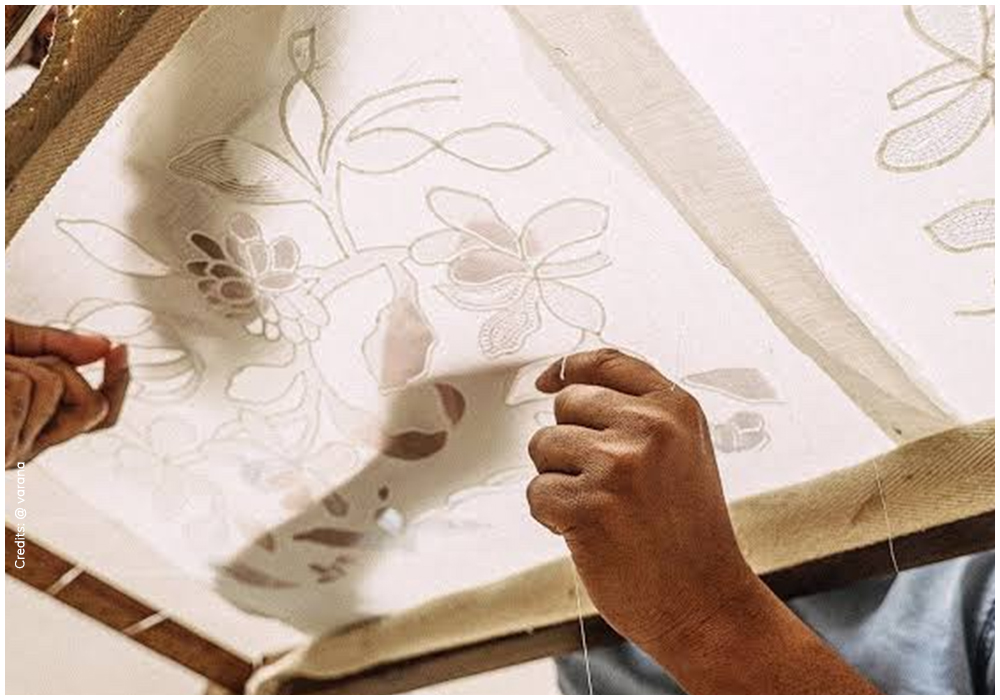
The name says everything. "Aari" comes from the aar—a small, hooked needle that gives this craft its signature look and its remarkable speed.
The process is a quiet ritual of patience. First, a specialized artisan draws the pattern onto thin paper, pricks tiny pinholes along the outlines, and dusts a fine powder over the surface. The powder slips through the holes, leaving a dotted map of the design on the fabric below. The cloth is then stretched taut over a wooden frame, ready for the real work to begin.
Here's where the magic happens. The artisan sits on the floor, plying the hooked needle from above while feeding silk thread from below. One hand drives the needle, the other guides the thread, and together they move in swift, repetitive loops. The result is an unbroken line of chain stitches so fine and fluid it seems to flow across the fabric.
This continuous looping motion is what sets Aari apart from its cousins. People often confuse it with zardozi or maggam work, but Aari stands out for its clean finish and faster execution. To enrich the surface, artisans weave in beads, sequins, pearls, and zari—the gold, silver, and copper threads that still carry the glow of Mughal royalty. Every stitch must be the same size, placed just so, so that the eye sees nothing but seamless beauty.
Aari Across India: One Technique, Many Expressions
A craft this beautiful was never going to stay in one place. As Aari work spread across India, it absorbed the flavor of every region it touched—one technique speaking in many regional dialects.
- Kashmir: Aari merged with the valley's celebrated crewel embroidery, producing lush, nature-heavy designs.
- Gujarat and Kutch: The craft kept its roots in mirror-rich, vibrant folk embroidery, full of color and texture.
- Tamil Nadu: Aari blended with the bold, sacred aesthetics of temple art.
- Uttar Pradesh: It became a cornerstone of bridal wear, lending fine detail to wedding finery.
Across all these regions, certain motifs kept reappearing—flowers, trailing vines, peacocks, and crisp geometric patterns. These nature-inspired designs are the visual language of Aari work, instantly recognizable whether stitched on a Kashmiri shawl or a Gujarati ghagra.
The Revival of Handcrafted Luxury
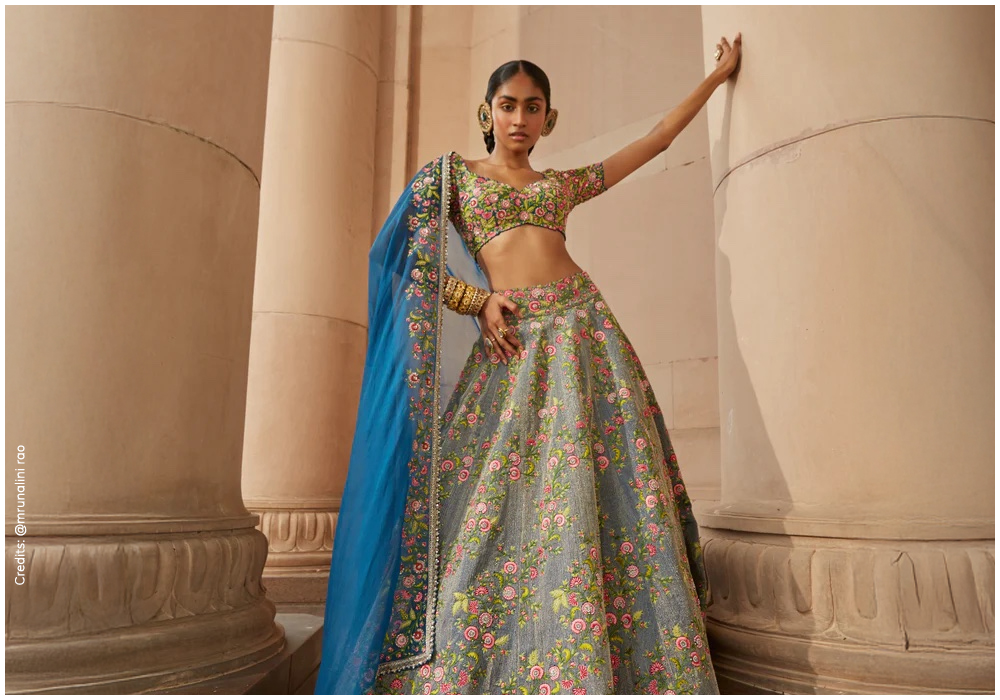
For a while, it seemed like fast fashion might leave crafts like Aari behind. The opposite happened. As shoppers grew tired of mass-produced sameness, handcrafted embroidery became the ultimate statement of taste—and Aari work found a whole new audience.
The appeal is easy to understand. In a market flooded with machine output, a hand-embroidered piece carries something a factory can't replicate: the time, skill, and human touch of artisan craftsmanship. Each garment becomes a small piece of living heritage. That's why luxury Indian fashion now treats Aari not as decoration but as the centerpiece, the very reason a piece commands its price.
This revival has gone global. Demand for Indian bridal and occasion wear featuring Aari work has surged across the UAE, the United States, the UK, and Canada. The craft now travels through designer labels and artisan-driven brands alike, showing up in international exhibitions, fashion shows, and even museum displays.
From Bridal Couture to Contemporary Fashion
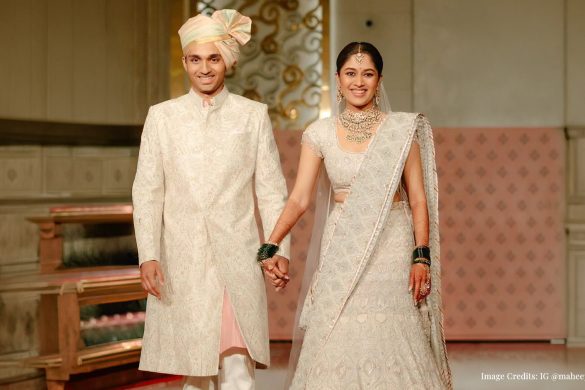
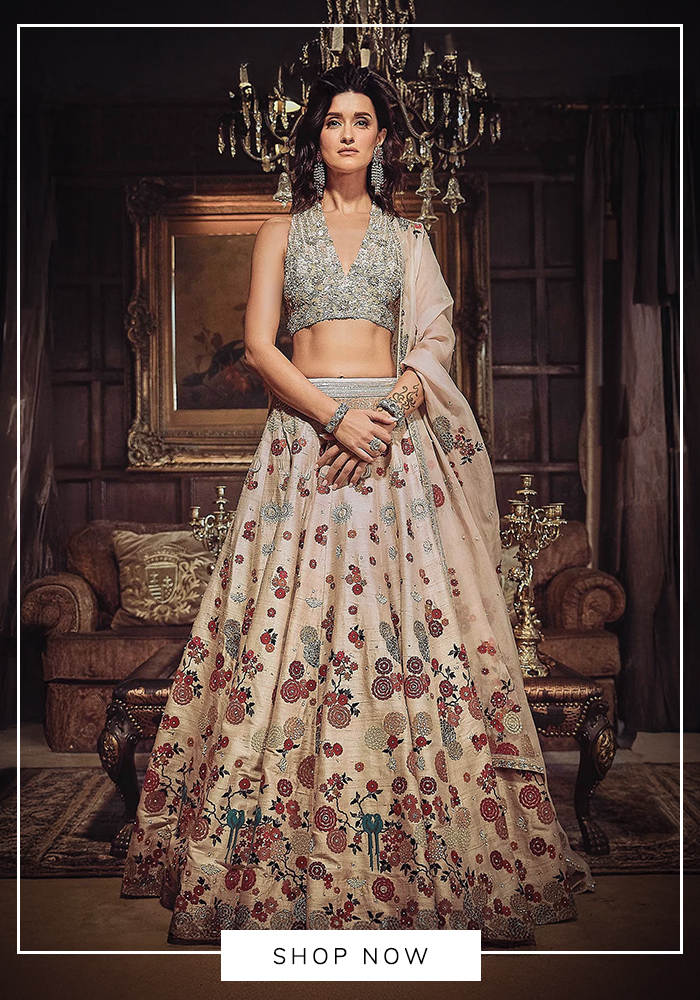
Nowhere does Aari shine brighter than in bridal couture. The intricate detailing and luxurious thread work make it a natural fit for designer lehengas, where a single piece can take months to complete. Designers like Sabyasachi and Manish Malhotra have returned to Aari again and again, building bridal masterpieces on the strength of rural artisans and centuries-old techniques.
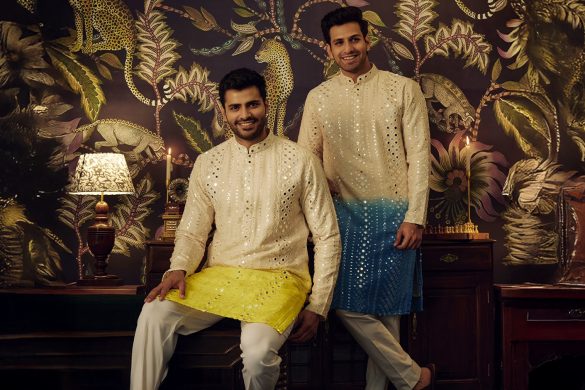
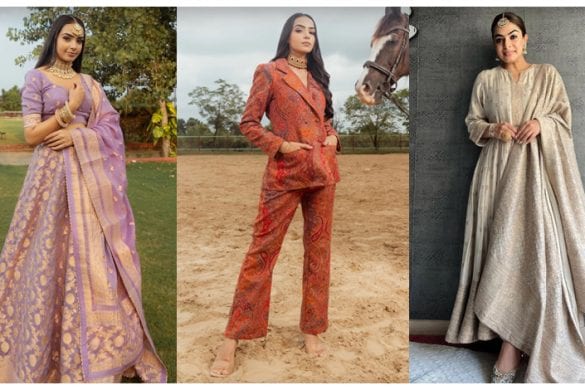
But Aari refuses to be boxed in. The same hooked needle that adorns a bridal lehenga now embellishes sarees, dupattas, stoles, and handbags. More daring still, it's appearing on western silhouettes—denim jackets, sneakers, cushions, and home décor. Modern artisans have expanded their palette too, reaching beyond traditional gold and silver threads to include sequins, pearls, mirrors, and Swarovski crystals for a fresh, contemporary glow.
This versatility is precisely why Aari embroidery feels so current. It bridges the gap between a grandmother's wedding saree and a runway-ready statement jacket without losing its identity in either.
Why Aari Embroidery Still Matters Today
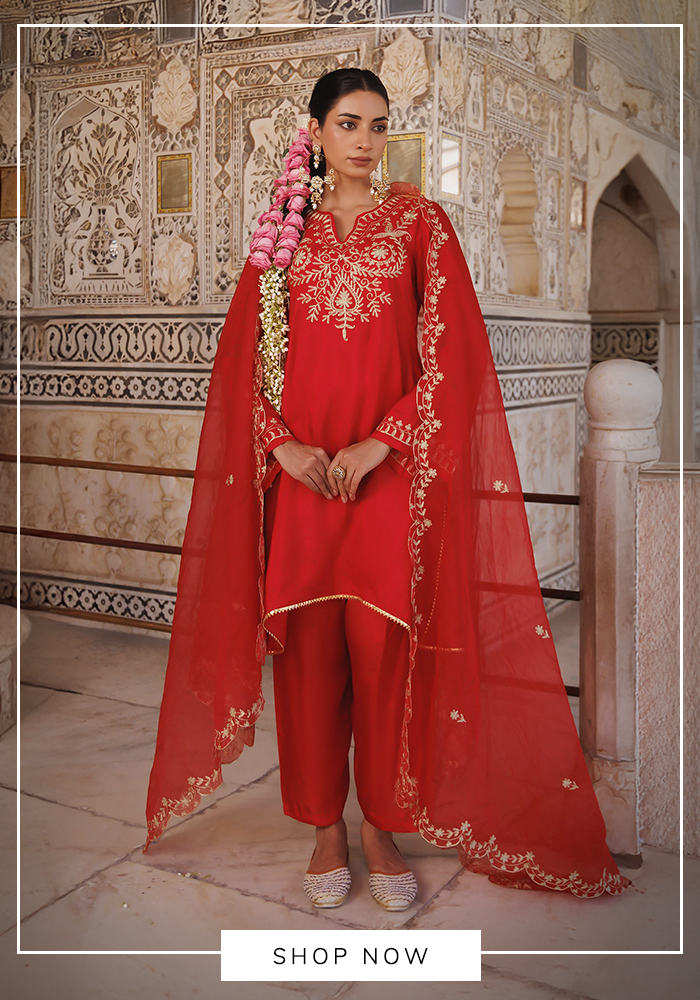
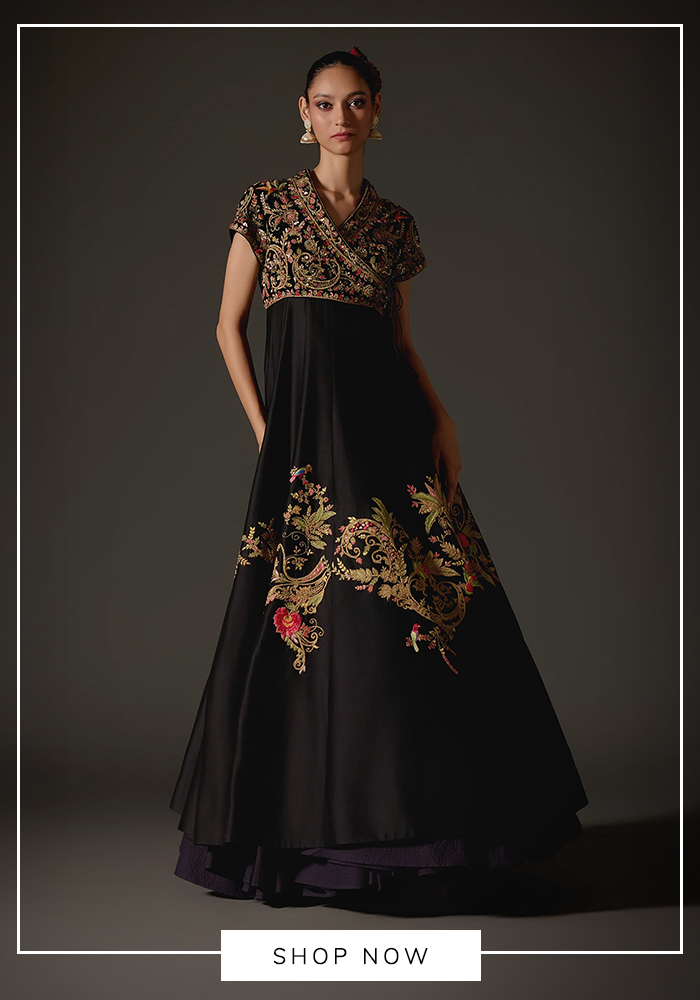
The fashion world has grown more mindful, and that shift plays directly to Aari's strengths. As shoppers seek out pieces with meaning, sustainability, and a human story, handcrafted embroidery has moved from nostalgic to essential.
Choose Aari work if you value craftsmanship over volume and want a garment with cultural depth rather than a fleeting trend. Its clean finish, regal designs, elaborate detailing, and slow, sustainable making process give it a staying power that fast fashion simply can't match. Wearing Aari is a way to carry centuries of skill on your shoulders—and to support the artisans keeping that skill alive.
A Legacy Woven into Every Stitch
From a cobbler's tool in 12th-century Gujarat to the embroidered hem of a couture lehenga, Aari embroidery has never stopped evolving. It has been royal and rustic, traditional and trend-setting, and somehow always itself. That adaptability is its genius—and the reason it continues to captivate designers and wearers around the world.
The next time you admire a piece of intricate Indian embroidery, look closer. Those flawless rows of chain stitches hold a story that stretches across centuries. If you're drawn to fashion with roots, seek out pieces crafted with genuine artisan skill—you won't just be buying a garment, you'll be wearing a living legacy.