Imagine the rich, earthy scent of henna filling the room. You are surrounded by your closest friends and family, laughter echoing as traditional songs play in the background. Your hands are being adorned with intricate patterns that tell a story of love and new beginnings. This is the magic of the Mehndi ceremony.
In Indian weddings, applying mehndi (henna) is not just a beauty treatment or a temporary tattoo. It is a sacred ritual deeply rooted in culture and emotion. It marks the beginning of the wedding festivities and transforms a woman into a bride.
Whether you are a bride-to-be or just someone who loves Indian traditions, understanding the meaning behind these beautiful swirls and lines makes the experience even more special. At Aza Fashions, we celebrate every part of the bridal journey. Let’s decode the cultural significance of bridal mehndi and why it remains the heartbeat of Indian weddings.
More Than Just Decoration: The Ancient Roots
The tradition of applying mehndi dates back centuries. It is considered one of the Solah Shringar (sixteen adornments) of a bride in Hindu culture. But did you know it serves a practical purpose too?
Weddings can be stressful. Henna is a natural herb known for its cooling properties. Applying it to the palms and feet—where nerve endings are concentrated—helps cool the body and calm the nerves. It relieves stress and headaches, ensuring the bride is relaxed and refreshed for her big day.
Beyond the physical benefits, mehndi is believed to bring good luck, prosperity, and health to the couple. It is a blessing painted onto the skin, warding off evil spirits and inviting positive energy into the bride's new life.
The Symbolism of Color: Darker is Better
There is a popular and charming belief associated with the color of the mehndi stain. It is said that the darker the stain appears on the bride's hands, the deeper the groom's love for her will be.
Another playful folklore suggests that a dark stain indicates a strong bond and understanding between the bride and her mother-in-law. While these are just fun myths, they add a layer of excitement to the ritual. Brides often go to great lengths to ensure their mehndi turns out a rich, deep maroon, seeing it as a good omen for their future happiness.
Decoding the Motifs: What Do the Designs Mean?
Bridal mehndi designs are rarely random. Every line, dot, and figure holds a specific meaning. Artists weave these symbols together to create a tapestry of blessings for the couple. Here are some of the most common motifs and what they represent:
1. The Peacock
You will often see beautiful peacocks dancing across a bride’s palms. The peacock is a symbol of beauty, grace, and passion. Including it in the design represents the beauty of the love shared between the couple.
2. The Lotus Flower
The lotus is a sacred flower in Indian culture. It grows in muddy water but blooms into something pure and beautiful. In mehndi, it symbolizes purity, spiritual awakening, and the grace with which the bride enters her new life. It also represents fertility and the blossoming of a new family.
3. The Groom’s Name
This is perhaps the most romantic and fun tradition of them all. The mehndi artist cleverly hides the groom's name or initials within the intricate patterns on the bride's hands.

On the wedding night, the groom must find his name hidden in the design. It is a playful "ice-breaker" game for the newlyweds. If he cannot find it, legend says the bride will have the upper hand in the marriage!
4. Vines and Leaves
Flowing vines and leaves represent longevity, devotion, and vitality. They symbolize a relationship that grows and thrives over time, much like a healthy plant.
5. Raja and Rani (King and Queen)
Many bridal designs feature portraits of a bride and groom (or a King and Queen). This depicts the couple themselves, symbolizing their union and the promise that they will treat each other with royalty and respect.
The Mehndi Ceremony: A Celebration of Sisterhood
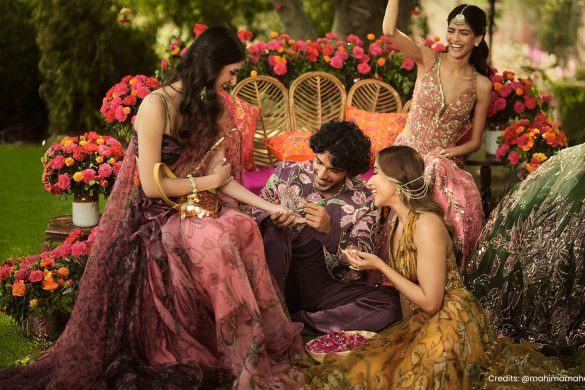
The application of mehndi usually takes place one or two days before the wedding. It is traditionally a function dominated by the women of the family—mothers, sisters, aunts, and friends.
In the past, this was a small, intimate gathering at home. Today, it has evolved into a vibrant party often called the "Mehndi Sangeet." The atmosphere is electric. While the bride sits patiently for hours (often unable to move her hands!), her friends and family entertain her.
They sing traditional folk songs that tease the bride about her future husband and in-laws, dance to Bollywood beats, and feed her delicious treats since she cannot eat by herself. It is a moment of bonding, joy, and emotional release before the formal wedding rituals begin.
Tips for a Perfect Bridal Mehndi Experience
To make sure your mehndi looks stunning and the ceremony goes smoothly, here are some expert tips.
1. Choose the Right Outfit
Since you will be sitting for a long time, comfort is key. However, you also want to look stylish for the photos.
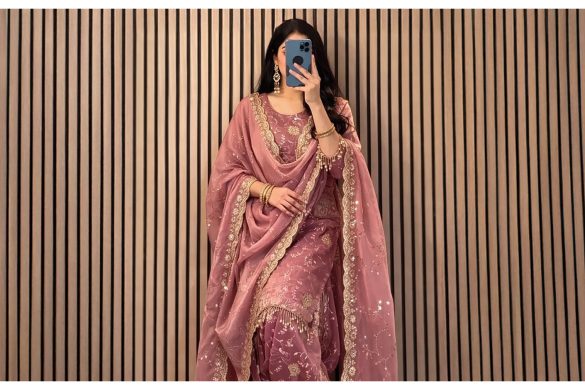
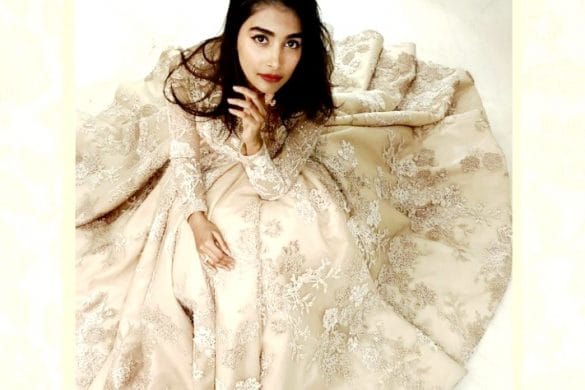
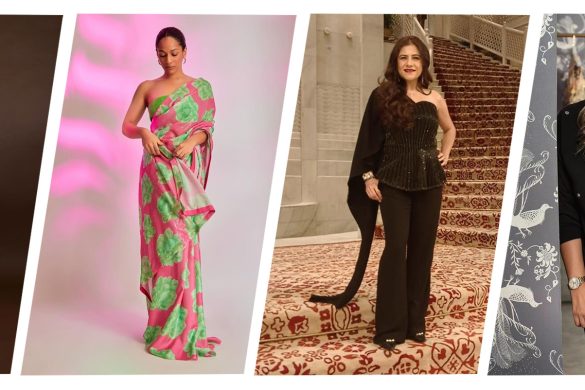
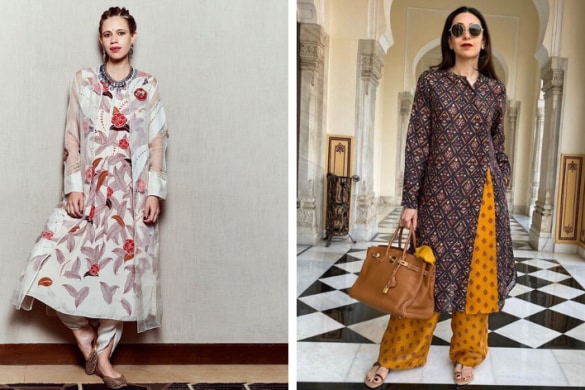
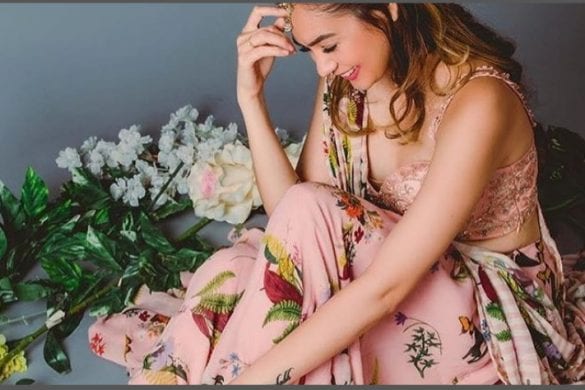
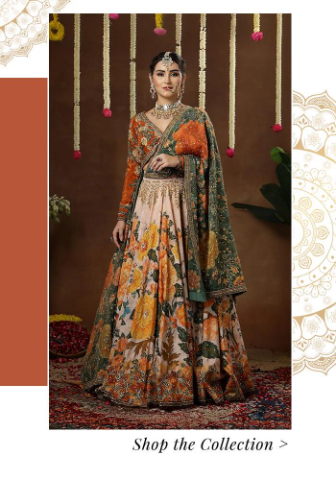
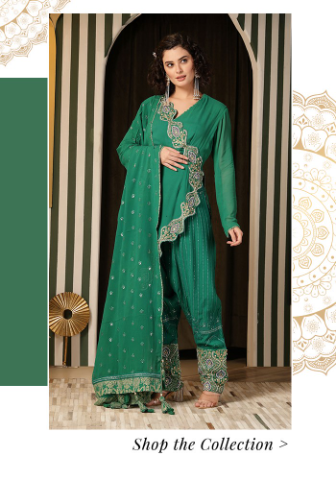
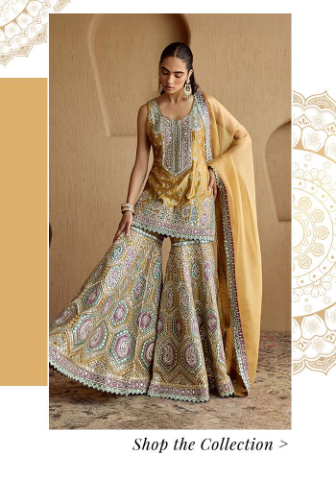
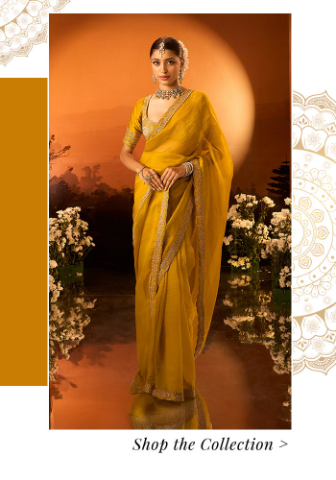
- Style Tip: Opt for a lightweight lehenga or a breezy sharara suit. Sleeveless or short-sleeved outfits are best so the artist has easy access to your arms. Explore the playful and colorful collection at Aza Fashions to find an outfit that is both comfortable and picture-perfect.
- Color Palette: Yellow, green, and orange are traditional colors for this ceremony, but modern brides are also loving vibrant pinks and teals.
2. Prepare Your Skin
For the darkest stain, skip the body lotion or oil on the day of the ceremony. These products create a barrier that stops the henna from absorbing into the skin. Wash your hands and feet thoroughly with soap and water before you begin.
3. Be Patient
Good things take time. Bridal mehndi can take anywhere from 3 to 6 hours to apply. Make sure you have eaten beforehand and used the restroom. Keep a straw handy so you can stay hydrated without smudging your design.
4. The Aftercare Secret
Once the mehndi is dry, do not wash it off with water. Instead, gently scrape it off. To seal in the color, apply a mixture of lemon juice and sugar on the dried henna. You can also warm your hands over cloves heated on a pan; the smoke helps darken the color. Avoid soap and water for at least 12 hours after removal for a rich, dark stain.
Conclusion
Bridal mehndi is a beautiful intersection of art, culture, and emotion. It is a visual representation of the bride's journey—intricate, beautiful, and filled with meaning.
As you watch the design unfold on your hands, remember that you are carrying forward a tradition that has blessed brides for generations. It is a moment to pause, breathe, and soak in the love surrounding you before the whirlwind of the wedding begins.
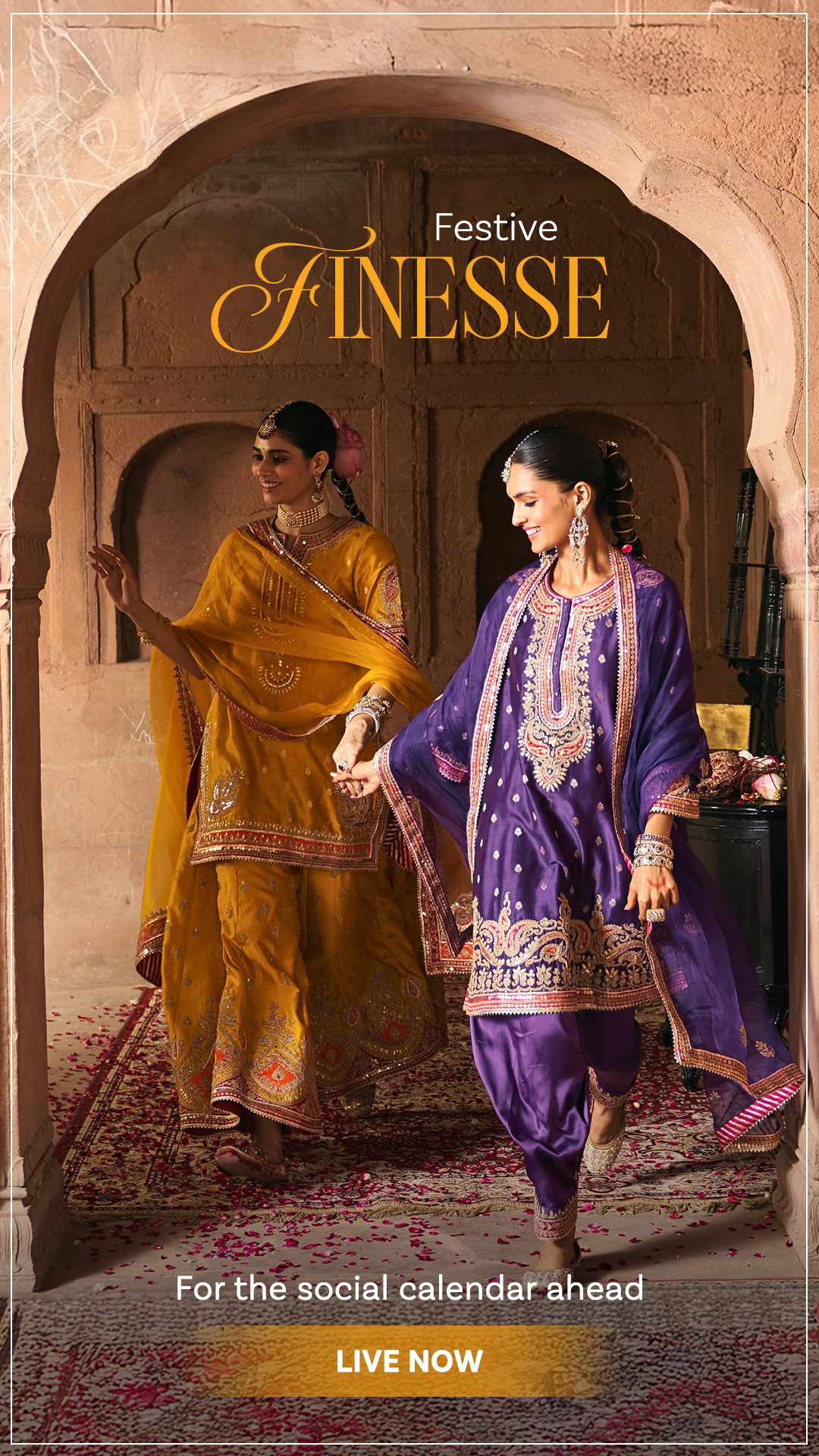
Are you ready for your big day? From the perfect Mehndi outfit to the stunning bridal lehenga, let Aza Fashions be a part of your journey. Explore our latest collection of ethnic wear that celebrates the modern Indian bride while honoring her timeless traditions.