Andhra Pradesh, a state graced with India's second-longest coastline, is a land of rich history, vibrant cultural traditions, and breathtaking natural beauty. From its ancient temples and classical dance forms like Kuchipudi to its fertile river deltas, the state has a heritage as deep and diverse as the Godavari and Krishna rivers that flow through it. This profound cultural identity is not just preserved in monuments; it is vividly expressed in the region's world-renowned textiles and traditional attire.
The tropical climate, with its warm and humid weather, has naturally influenced the preference for lightweight, breathable fabrics like cotton and silk. Meanwhile, centuries of royal patronage from dynasties like the Satavahanas and Vijayanagara emperors nurtured a flourishing environment for unique textile arts to develop. Today, the timeless elegance and artistic depth of Andhra Pradesh's traditions continue to inspire modern fashion and design, weaving ancient stories into contemporary style.
Traditional Clothing / Ethnic Wear
The clothing of Andhra Pradesh is a beautiful blend of simplicity, elegance, and artistry. Garments are designed for comfort in the coastal climate, while also serving as a canvas for the state's masterful weaving and printing techniques.
Women’s Attire
The saree is the most prominent garment for women, with several iconic regional varieties that are celebrated across the country.
- Sarees: Andhra Pradesh is a treasure trove of handloom sarees. Kalamkari sarees are famous for their intricate hand-painted or block-printed designs depicting mythological tales. Gadwal sarees are known for their unique combination of a cotton body with a rich silk border and pallu. Mangalgiri sarees, made from fine cotton, are distinguished by their simple designs and a distinctive zari border.
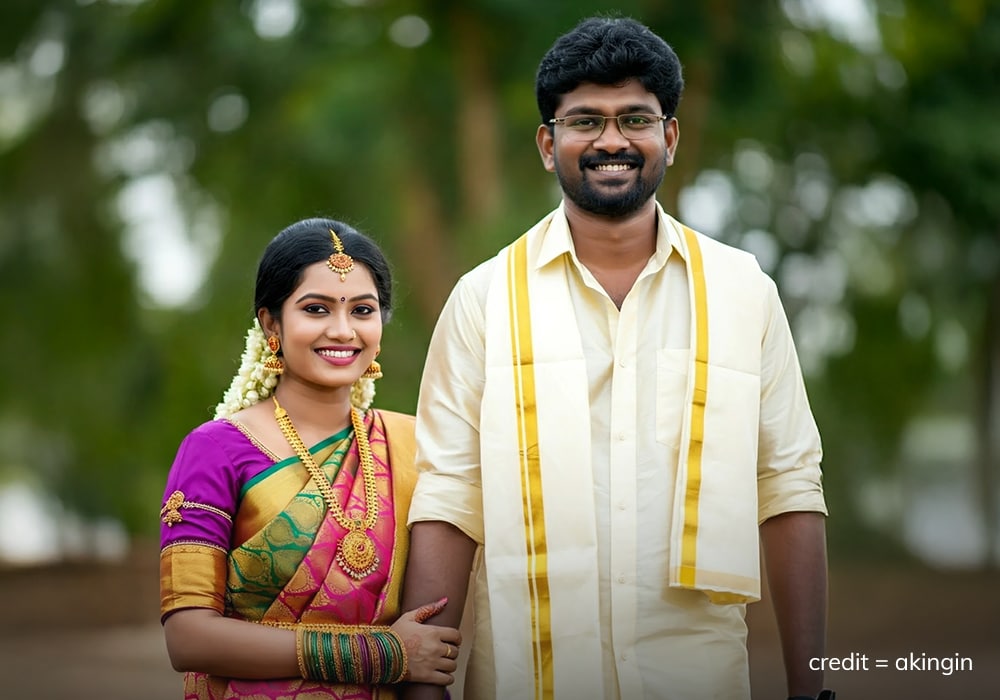
- Half-Saree (Langa Voni): A traditional three-piece outfit worn by young women, the half-saree consists of a long skirt (langa), a blouse (voni), and a long scarf (davani) draped like a saree. It signifies the transition into womanhood and is often worn during festivals and ceremonies.
Fabrics are primarily cotton and silk, with a color palette ranging from earthy tones in Kalamkari to brilliant hues in silk sarees, often featuring motifs inspired by nature and temple architecture.
Men’s Attire
Traditional attire for men in Andhra Pradesh is simple, dignified, and perfectly suited to the climate.
- Dhoti and Kurta: The most common traditional outfit is the dhoti (also known as pancha), a rectangular piece of cloth wrapped around the waist. This is typically paired with a kurta or a simple shirt (lalchi).
- Angavastram: For formal or religious occasions, an angavastram, a separate piece of cloth or shawl, is draped elegantly over the shoulders, adding a touch of formality to the ensemble.
Jewelry & Accessories
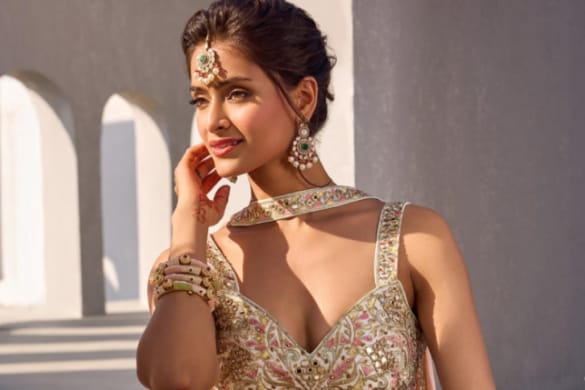
Jewelry in Andhra Pradesh is an essential part of traditional attire, known for its classic designs and craftsmanship.
- Gold Ornaments: Gold is highly prized, and traditional jewelry includes elaborate necklaces, bangles (gaajulu), and waistbands (vaddanam).
- Temple Jewelry: Inspired by temple carvings, this style of jewelry features intricate designs of deities and mythological figures, often embellished with uncut gems and pearls.
- Hair Accessories: Women often adorn their hair, especially long braids, with fresh flowers and decorative gold or silver ornaments known as jada billalu.
Crafts, Textile Techniques & Prints
Andhra Pradesh is home to some of India's most unique and revered textile crafts, each with its own rich history and technique.
- Kalamkari Painting: This ancient art form, meaning "pen-work," involves using a bamboo pen (kalam) to draw intricate patterns on fabric with natural dyes. Originating from Srikalahasti and Machilipatnam, the two styles feature mythological narratives and floral motifs, respectively.
- Venkatagiri Weaving: Hailing from the town of Venkatagiri, these fine cotton and silk sarees are known for their lightness and distinctive jamdani weaving technique, which creates intricate patterns. They were originally woven for the royal Velugoti dynasty.
- Uppada Silk Sarees: Woven in the coastal town of Uppada, these sarees are a type of jamdani weave known for their incredible lightness and soft texture. The designs are woven into the fabric without any loose threads on the back, a testament to the weaver's skill. A single Uppada saree can take months to complete.
Cultural Context – Lifestyle, Tradition & Heritage Influences
The clothing and crafts of Andhra Pradesh are deeply connected to its geography, history, and social fabric. The tropical climate makes breathable fabrics like cotton a necessity for daily comfort, while the region’s long history of silk production has made it a staple for festive wear. The draping style of sarees and the loose fit of the dhoti are practical designs that allow for air circulation.
Traditions of modesty are reflected in the graceful way sarees are worn to provide full coverage. The state's rich temple culture has been a major source of inspiration for textile motifs, with designs of lotuses, elephants, peacocks, and scenes from epics like the Ramayana and Mahabharata commonly found on sarees and Kalamkari art. Royal patronage from various dynasties played a crucial role in elevating these crafts, encouraging weavers and artisans to achieve unparalleled levels of artistry.
When & How These Styles Are Worn Today
While rooted in tradition, the styles of Andhra Pradesh have gracefully adapted to the modern era.
- Everyday vs. Special Occasions: Lightweight cotton sarees, such as those from Mangalgiri, are popular for everyday wear due to their comfort and simple elegance. Luxurious silk sarees like Gadwal and Uppada, along with elaborate Kalamkari pieces, are reserved for weddings, festivals, and important ceremonies.
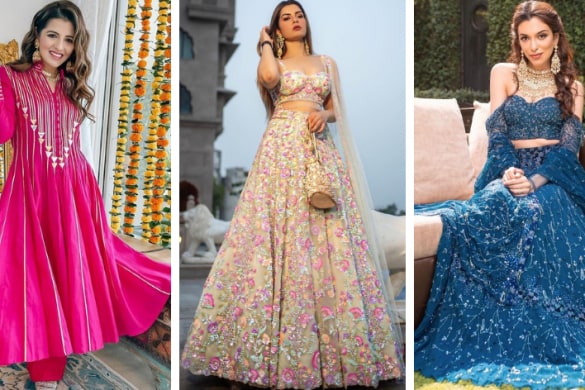
- Modern Reinterpretations: Designers are increasingly incorporating Andhra's crafts into contemporary fashion. Kalamkari prints can be found on modern dresses, jackets, and trousers. Handloom fabrics are being used to create fusion wear like kurta-dresses and saree-gowns. The half-saree has inspired modern lehenga designs that are popular nationwide.
- Styling Tips:
- Pair a Kalamkari dupatta with a simple, solid-colored kurta for a chic, artistic look.
- Style a handloom cotton saree with minimalist silver or terracotta jewelry for a sophisticated, contemporary vibe.
- Use a richly bordered Gadwal or Uppada saree as a statement piece, keeping other accessories understated to let the textile shine.
Why It Matters – Heritage, Identity & Fashion Inspiration
Preserving the craft traditions of Andhra Pradesh is vital for protecting a priceless cultural heritage and supporting the artisan communities that have been its custodians for generations. Each hand-painted Kalamkari cloth and every intricately woven Uppada saree is a piece of living history, embodying skill, patience, and artistry.
In a world dominated by fast fashion, the authenticity, craftsmanship, and timeless beauty of these handloom textiles offer a meaningful and sustainable alternative. They provide endless inspiration for global fashion, showcasing how traditional techniques can be integrated into modern wardrobes with elegance and grace.
Discover the Artistry of Andhra
The stylistic heritage of Andhra Pradesh is a captivating narrative of art, culture, and history. From the narrative beauty of a Kalamkari print to the ethereal lightness of an Uppada silk saree, every element speaks of a region that has always cherished fine craftsmanship and deep-rooted traditions.
We encourage you to explore this world of artistic elegance. Consider adding a piece of Andhra's textile magic to your collection, whether it's a hand-painted scarf, a classic handloom saree, or a contemporary outfit made from its unique fabrics. By doing so, you not only embrace a stunning aesthetic but also help ensure that these magnificent art forms continue to thrive for generations to come.