 Jharkhand, the "Land of Forests," is a state in eastern India known for its rolling hills, spectacular waterfalls, and dense woodlands. This rich natural landscape is home to a vibrant mosaic of tribal communities, each with a unique cultural heritage that is deeply connected to the environment. The soul of Jharkhand is found in its ancient tribal traditions, which are expressed through lively folk music, dance, intricate crafts, and beautiful handwoven textiles. What makes Jharkhand truly special is its profound tribal heritage and its status as a major producer of the exquisite Tussar silk. The state's culture is a celebration of nature, and this is reflected in every aspect of its art forms. The tropical climate has influenced a clothing tradition based on lightweight, breathable fabrics, while the tribal way of life has shaped unique designs and motifs that are both symbolic and beautiful. These ancient traditions are now finding a new audience, inspiring modern fashion with their rustic elegance and sustainable ethos.
Traditional Clothing / Ethnic Wear
The traditional attire of Jharkhand is a perfect blend of simplicity, functionality, and artistic expression. The clothing is designed for comfort in a life lived close to nature, while also serving as a proud display of the region's rich weaving and craft traditions.Women’s Attire
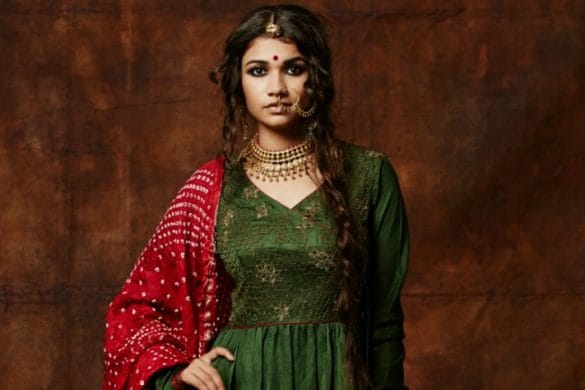
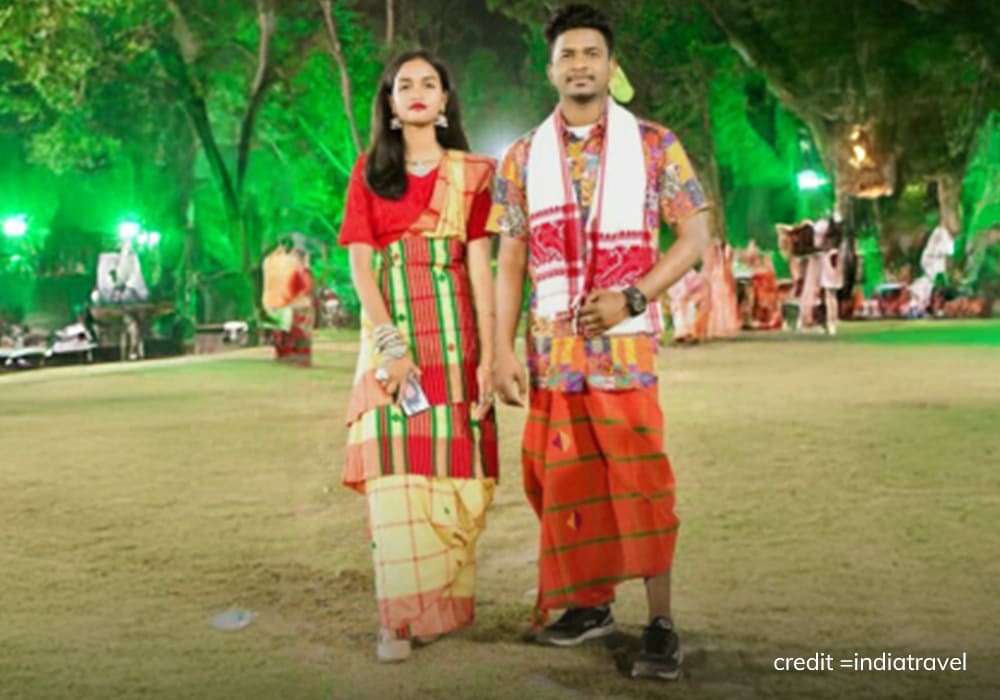
The traditional dress for women is elegant and practical, with the saree and tribal wraps being the most common garments.- Sarees: Jharkhand is renowned for its Tussar silk sarees. This "wild silk" has a rich, textured feel and a natural golden hue, making it both luxurious and comfortable. Women also wear cotton sarees, often with tribal motifs, for daily wear. The traditional way of draping the saree is called parthan, a simple and functional style.
- Tribal Skirts and Wraps: Women in many tribal communities wear a two-piece garment consisting of a lower wrap called a panchi and an upper garment known as a parhan. These are typically made of cotton and feature simple, elegant borders.
Men’s Attire
The traditional clothing for men in Jharkhand is simple, comfortable, and designed for an active, agrarian lifestyle.- Dhoti and Kurta: The most common outfit for men is the dhoti, also known as a bhagwan. This single piece of cloth is wrapped around the waist and legs and is typically paired with a simple kurta or upper garment.
- Headgear: A turban or head cloth is often worn for protection from the sun and as a symbol of pride. During festivals and ceremonies, men may wear more elaborate headgear decorated with feathers.
Jewelry & Accessories
Jewelry in Jharkhand is distinctive and earthy, often crafted from natural materials and metals using traditional techniques.- Dokra Ornaments: Dokra, the ancient art of lost-wax metal casting, is used to create stunning and rustic jewelry. Necklaces, earrings, and bracelets made using this technique feature motifs inspired by nature and tribal folklore.
- Beaded Necklaces: Colorful beaded necklaces, made from glass beads, seeds, and other natural materials, are a common accessory for both men and women, especially during festive dances.
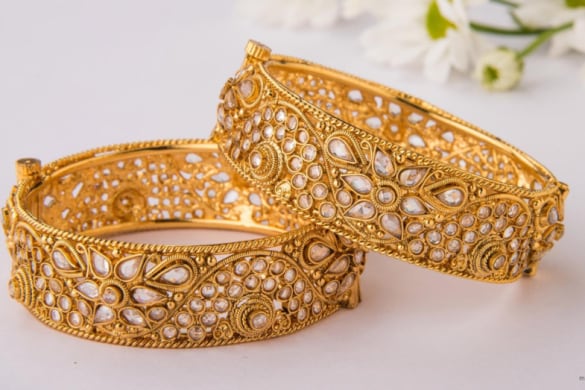
- Silver and Gold Ornaments: Women also wear traditional jewelry made from silver and gold, including bangles, anklets, and nose rings (nath).
Crafts, Textile Techniques & Prints
The heart of Jharkhand's style lies in its indigenous crafts, which are a direct expression of the community's deep-rooted connection to its environment and ancestry.- Tussar Silk Weaving: Jharkhand is one of India's largest producers of Tussar silk. This silk is harvested from cocoons of silkworms that feed on the leaves of Arjun and Asan trees found in the state's forests. The resulting fabric is highly valued for its natural golden color, rich texture, and breathability.
- Tribal Art: The walls of tribal homes are often decorated with beautiful paintings known as Sohrai and Khovar art. These art forms, characterized by their bold lines and natural pigments, are now being translated onto textiles, creating unique sarees, dupattas, and home furnishings.
- Natural Dyeing Techniques: A significant aspect of Jharkhand's textile tradition is the use of natural dyes. These dyes are extracted from flowers, leaves, barks, and minerals, resulting in a palette of earthy and vibrant colors that are both eco-friendly and beautiful.
Cultural Context – Lifestyle, Tradition & Heritage Influences
The clothing and crafts of Jharkhand are intrinsically linked to its geography, tribal lifestyle, and social customs. The tropical climate makes light, breathable fabrics like cotton and Tussar silk a practical choice for year-round comfort. The functional designs of the clothing, such as the parthan drape and the simple dhoti, are suited for a life of farming and forest-based activities. The state's tribal heritage is the single most important influence on its aesthetic. Art, clothing, and jewelry are not merely decorative; they are integral to rituals, festivals, and the expression of cultural identity. The motifs found on textiles and crafts often have deep symbolic meanings related to fertility, nature, and community life. The reverence for nature is paramount, reflected in the sustainable practices of using natural dyes and materials and the prevalence of flora and fauna in designs.When & How These Styles Are Worn Today
While modern attire is common, traditional styles remain a vibrant and essential part of cultural life in Jharkhand.- Everyday vs. Special Occasions: Simple cotton sarees or the panchi-parhan are worn by women in rural areas for daily life. For weddings and major festivals like Karma and Sarhul, people wear their finest Tussar silk sarees and traditional jewelry. Elaborate costumes are a key feature of the region’s famous Chhau dance.
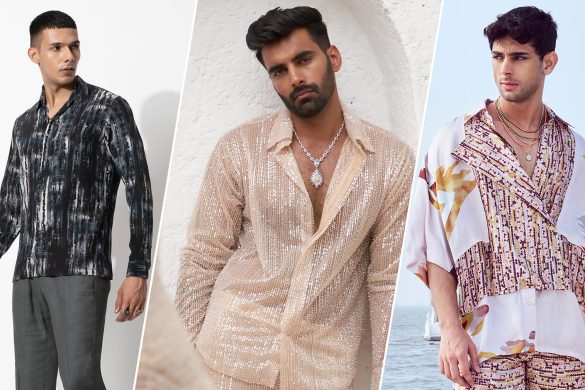
- Modern Reinterpretations: The rustic charm of Jharkhand's crafts is gaining recognition in the world of contemporary fashion. Tussar silk is being used by designers to create modern sarees, dresses, and jackets. Dokra jewelry is celebrated as unique, artisanal accessories. The motifs from Sohrai art are being block-printed onto a wide range of modern apparel.
- Styling Tips:
- Pair a Tussar silk saree with bold Dokra jewelry for an elegant look that is both earthy and sophisticated.
- Use a scarf or dupatta with tribal prints to add an artistic touch to a simple, modern outfit.
- A statement beaded necklace from Jharkhand can bring a bohemian, handcrafted vibe to a casual dress or top.