Karnataka, a land of ancient empires, architectural marvels, and fragrant sandalwood forests, is a state where history and modernity coexist in vibrant harmony. From the majestic ruins of Hampi to the opulent palaces of Mysuru, the region boasts a legacy of art, culture, and intellectual achievement that has profoundly shaped Southern India. This rich heritage is not just carved in stone; it is beautifully woven into the state's legendary textiles and traditional attire.
What makes Karnataka's style so unique is its world-renowned silk heritage, particularly the magnificent Mysore silk, alongside intricate crafts like Kasuti embroidery and distinctive handloom weaves. The state's geography, with its warm, tropical climate, has naturally led to a preference for lightweight and breathable fabrics like silk and cotton. Centuries of royal patronage from powerful dynasties like the Chalukyas, Hoysalas, and the Kingdom of Mysore nurtured a sophisticated weaving culture that continues to thrive. Today, these timeless traditions offer a wellspring of inspiration for modern fashion, blending royal elegance with contemporary design.
Traditional Clothing / Ethnic Wear
The traditional attire of Karnataka is a graceful expression of its rich cultural tapestry, characterized by luxurious fabrics, intricate details, and a sense of timeless dignity. The clothing is designed for both comfort in the tropical climate and elegance befitting its royal past.
Women’s Attire
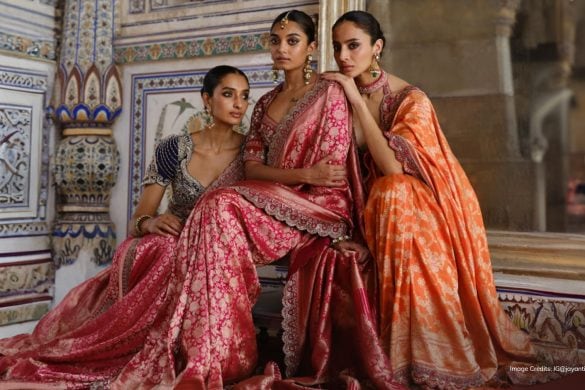
The saree is the quintessential garment for women in Karnataka, with several iconic regional varieties celebrated for their unique beauty and craftsmanship.
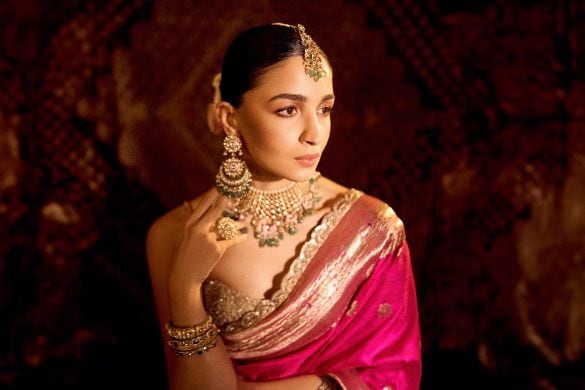
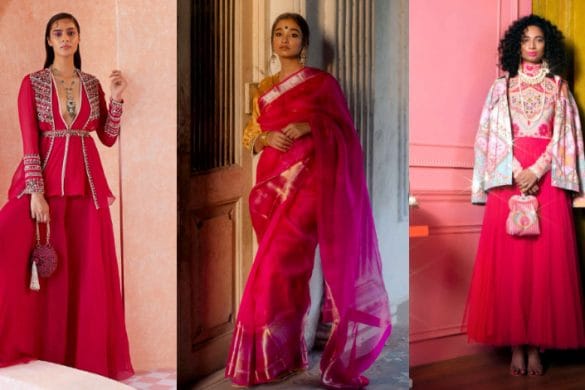
- Mysore Silk Sarees: The crown jewel of Karnataka's textile heritage, the Mysore silk saree is renowned for its lustrous, pure crepe silk and rich zari work. These sarees are known for their minimalist designs, solid color bodies, and a simple yet elegant gold border, embodying a sense of royal sophistication.
- Ilkal Sarees: Hailing from the town of Ilkal, this traditional saree is famous for its unique weaving technique where the cotton body is joined to a silk pallu in a process called Tope Teni. They are distinguished by their bold red silk pallu and traditional motifs like chariots and elephants.
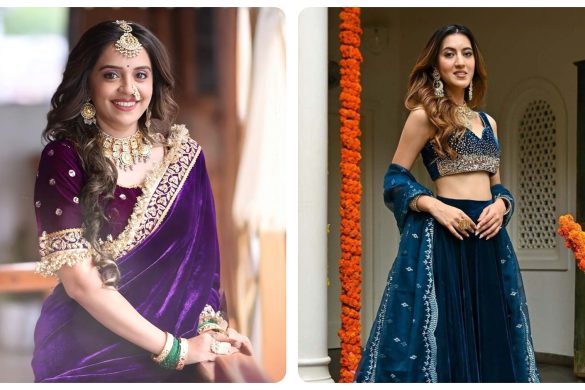
- Langa Davani (Half-Saree): A traditional three-piece outfit for young women, the Langa Davani consists of a long skirt (langa), a fitted blouse (choli), and a long scarf (davani) draped gracefully over the shoulder. It symbolizes the transition from girlhood to womanhood and is often worn during festivals and ceremonies.
Men’s Attire
The traditional attire for men in Karnataka is simple, dignified, and perfectly suited for the region's climate.
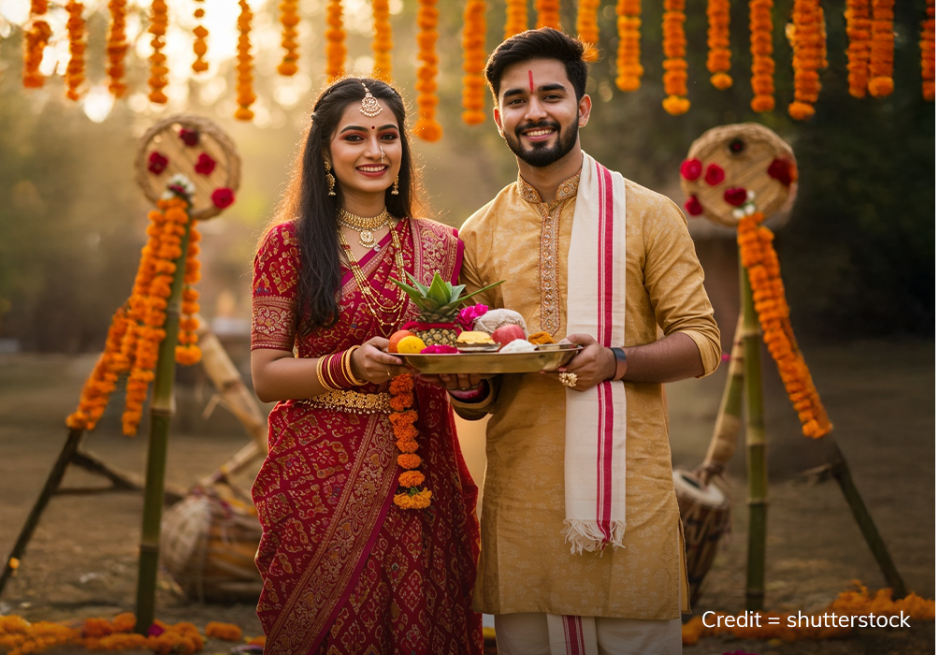
- Panche (Dhoti) and Kurta: The most common traditional outfit is the panche, the Kannada term for a dhoti. It is a long piece of unstitched cloth, typically cotton or silk, wrapped around the waist and legs. This is paired with a kurta or a simple shirt called an angavastram.
- Mysuru Peta (Turban): The Mysuru Peta is a distinctive, ornate turban that was traditionally worn by the Kings of Mysore. It is a symbol of honor and prestige and is now worn by grooms at weddings and by dignitaries on formal occasions.
Jewelry & Accessories
Jewelry in Karnataka is an essential part of the traditional look, known for its intricate designs inspired by temple architecture and nature.
- Temple Jewelry: Karnataka is famous for its temple jewelry, which features intricate designs of gods, goddesses, and mythological creatures. These heavy, ornate pieces, often crafted from gold and embellished with precious stones, are an integral part of a bride's trousseau.
- Gold Ornaments: Gold is highly prized, and traditional pieces include the Kasina Sara (a necklace of gold coins), Mavinakayi Addigai (a mango-shaped necklace), and various types of bangles (kankana).
Crafts, Textile Techniques & Prints
The soul of Karnataka's style lies in its ancient and highly skilled craft traditions, which have been passed down through generations of artisan families.
- Mysore Silk Weaving: The production of Mysore silk was pioneered under the patronage of the Maharaja of Mysore in the early 20th century. The process involves using pure silk and genuine gold zari threads, resulting in a fabric of exceptional quality, luster, and longevity. Each saree comes with a unique code to certify its authenticity.
- Ilkal Saree Production: The Ilkal saree is a masterpiece of weaving skill. The unique interlocking of the cotton body with the silk pallu requires immense precision. The sarees are woven on traditional pit looms and are known for their durability and vibrant colors.
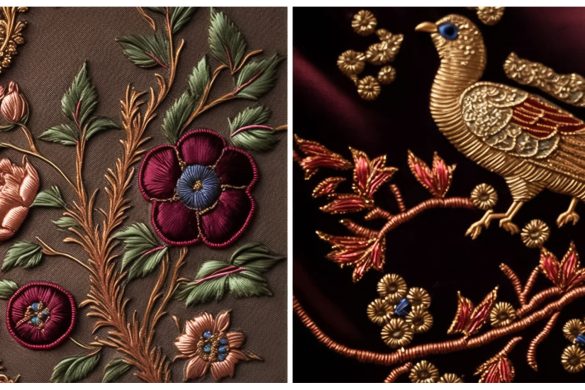
- Kasuti Embroidery: This is a traditional form of folk embroidery from Karnataka, characterized by intricate stitches like the running stitch, cross-stitch, and zig-zag stitch. The embroidery is done by counting the threads of the fabric, without tracing any patterns, and the designs are made to look identical on both sides. Motifs include temples, chariots, birds, and animals.
Cultural Context – Lifestyle, Tradition & Heritage Influences
The clothing and crafts of Karnataka are deeply connected to its geography, history, and social fabric. The warm climate makes breathable fabrics like cotton and lightweight silk a practical necessity. The draping style of the saree and the loose fit of the panche are comfortable designs suitable for the environment.
The state’s history as a center of powerful empires has had a profound impact on its arts. Royal patronage, particularly from the Wodeyar dynasty of Mysore, was instrumental in developing and refining the art of silk weaving. The rich temple culture of Karnataka, with its magnificent and intricately carved temples in places like Belur, Halebidu, and Hampi, has been a major source of inspiration for both jewelry designs and textile motifs. Folk traditions, including the vibrant Yakshagana dance-drama, are important cultural events where elaborate costumes and traditional attire are showcased with great pride.
When & How These Styles Are Worn Today
While rooted in deep tradition, the styles of Karnataka have seamlessly integrated into modern life and contemporary fashion.
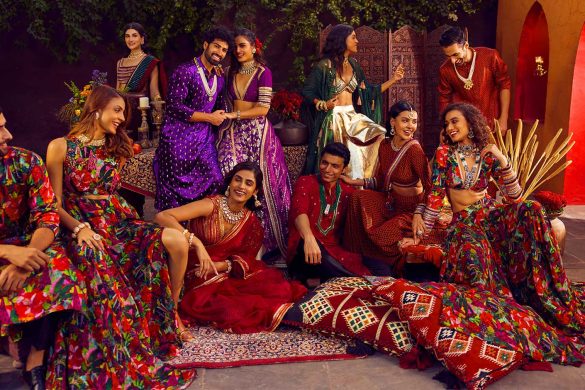
- Everyday vs. Special Occasions: Simple cotton Ilkal sarees or other handloom cotton sarees are popular choices for everyday wear due to their comfort and durability. The luxurious Mysore silk sarees are reserved for weddings, festivals like Dasara, and other important formal events.
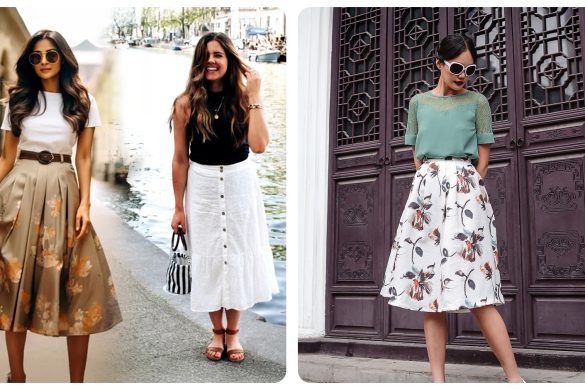
- Modern Reinterpretations: The elegance of Karnataka's crafts is inspiring contemporary designers. Kasuti embroidery is being used on modern dresses, jackets, and home decor. The motifs from Ilkal sarees are being adapted for other textiles. The Mysore silk fabric is being used to create contemporary silhouettes like gowns and lehengas.
- Styling Tips:
- Pair a classic Mysore silk saree with traditional temple jewelry for a timeless, regal look.
- Style a handloom cotton Ilkal saree with minimalist silver jewelry for a sophisticated, ethnic-chic vibe.
- Incorporate a Kasuti embroidered blouse or stole with a simple saree or a western outfit to add a touch of artisanal elegance.
Why It Matters – Heritage, Identity & Fashion Inspiration
Preserving the craft traditions of Karnataka is about safeguarding a priceless cultural legacy and supporting the artisan communities that are its custodians. Each handwoven Ilkal saree and every intricately embroidered Kasuti piece is a repository of ancestral knowledge, skill, and artistic expression.
In a world dominated by mass-produced fashion, the authenticity, craftsmanship, and timeless beauty of Karnataka's handloom textiles offer a meaningful and sustainable alternative. They provide a rich source of inspiration for global fashion, showcasing how royal elegance and folk artistry can be woven into modern wardrobes with grace and sophistication.
Discover the Royal Elegance of Karnataka
The stylistic heritage of Karnataka is a captivating narrative of royal patronage, architectural grandeur, and artistic excellence. From the shimmering luster of a Mysore silk saree to the intricate stitches of Kasuti embroidery, every element speaks of a land that has always cherished beauty, culture, and fine craftsmanship.
We encourage you to explore this world of refined elegance. Consider adding a piece of Karnataka's textile magic to your collection, whether it's a timeless silk saree, a hand-embroidered garment, or a piece of traditional jewelry. By doing so, you are not only embracing a stunning aesthetic but also helping to ensure that these magnificent art forms continue to flourish for generations to come.