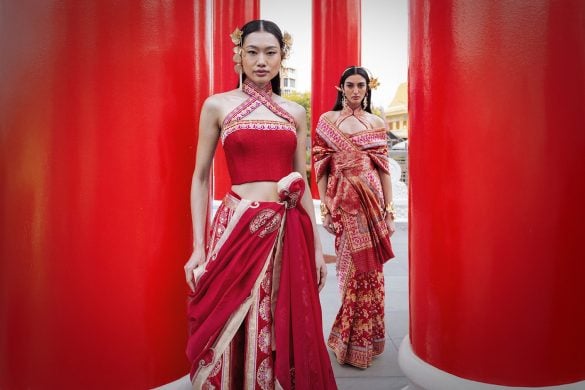
The saree is a timeless symbol of elegance, but its final look often depends on an unsung hero: the petticoat. Many women focus on the saree itself, overlooking the foundational garment that defines its drape, silhouette, and overall comfort. A well-chosen petticoat can transform a good saree into a great one, ensuring it hangs gracefully and feels effortless to wear.
Conversely, the wrong petticoat can lead to a host of problems. It might add unnecessary bulk, create an unflattering shape, or cause the saree to bunch up awkwardly. To achieve that flawless, picture-perfect drape, you need to understand which petticoat works best for your saree's fabric, your body shape, and the occasion. This guide will walk you through everything you need to know.
What to Look for in a Good Petticoat
Before diving into the different types, let's cover the essential qualities that make a petticoat effective. Paying attention to these details will ensure you make the right choice every time.
Fabric Breathability & Comfort
The material of your petticoat is paramount for comfort, especially if you plan to wear the saree for several hours. Breathable fabrics like cotton prevent you from feeling trapped and sweaty. The fabric should feel soft against your skin and allow for easy movement.
Correct Length & Fit
Your petticoat's length is crucial. It should end just above your ankles, about an inch shorter than your saree. If it's too short, it will ruin the saree's fall. If it's too long, it will peek out from under the hem and create a tripping hazard. The fit should be snug at the waist and hips but not restrictive.
Waistband Style (Drawstring vs. Elastic)
Traditional petticoats use a drawstring (nada) which offers adjustable fitting. However, it can sometimes create a bulky bunch at the waist. Modern elastic waistbands provide a smoother, flatter finish under the saree, but you must get the size right to avoid it being too tight or too loose.
Shape & Flare
The shape of the petticoat from A-line to fish-cut determines the final silhouette of your saree. A petticoat with too much flare can make you look wider, while one with too little might restrict your stride. The ideal flare depends on the saree's fabric and the look you want to achieve.
Color Matching
A common mistake is choosing a petticoat in a starkly different shade from the saree. For most sarees, you should aim for the closest possible color match. If an exact match isn't available, opt for a neutral color like nude or a shade slightly lighter than your saree, never darker.
Transparency Check for Light Sarees
When wearing light-colored or sheer sarees (like white, beige, or pastel shades), hold the petticoat and saree fabric together against a light source. This helps you check if the petticoat's color or texture shows through, which can spoil the entire look.
Top 5 Types of Petticoats Every Woman Should Know
Now, let's explore the most popular petticoat styles and when to wear them.
Cotton Petticoat (Best for Daily Wear & Cotton Sarees)
The classic cotton petticoat is a staple in every Indian woman's wardrobe. Made from pure cotton or a cotton blend, it is prized for its exceptional comfort and breathability, making it the go-to choice for everyday wear, office wear, and hot summer months.
It is the ideal companion for cotton, linen, khadi, and handloom sarees. The slightly coarse texture of cotton provides a subtle grip, helping the pleats of these sarees stay in place without slipping.
- Pros: Highly breathable, comfortable for long hours, affordable, and provides good structure for stiff sarees.
- Cons: Can be bulky under lightweight fabrics and the drawstring waist can create a bunch at the waistline.
Shapewear Petticoat (Trending & Perfect for Modern Sarees)
The shapewear petticoat has become a game-changer in modern saree styling. This petticoat is crafted from stretchable fabric (like elastane or spandex blends) and is designed to hug your curves, providing a smooth, toned, and streamlined silhouette. It eliminates the need for a separate shaper underneath.
This style is perfect for sheer and flowing fabrics like net, chiffon, georgette, satin, and organza sarees, as it creates a seamless base without adding volume. Brides and party-goers love it for the mermaid-like figure it helps create.
- Tips: Ensure you choose the right size; a size too small will be uncomfortable, while a size too large won't provide any shaping. Look for options with a side slit to ensure you can walk comfortably.
Satin / Silk Petticoat (Perfect for Heavy Silk Sarees)
For your luxurious heavy silk sarees, a satin or silk-blend petticoat is the perfect match. The smooth, lustrous surface of satin allows the heavy fabric of a Banarasi, Kanjivaram, or Paithani saree to glide over it effortlessly. This prevents the saree from clinging or bunching, resulting in a regal and graceful fall.
Unlike cotton, which can create friction, satin helps maintain the saree's fluid drape, especially when you move. The slight sheen of the fabric also adds a touch of richness that complements the grandeur of silk sarees.
Mermaid / Fish-Cut Petticoat (For a Stylish, Curvy Look)
If you want to accentuate your curves and create a glamorous silhouette, the mermaid or fish-cut petticoat is your answer. This style is fitted from the waist to the knees and then flares out at the bottom. It gives the saree a dramatic, body-hugging look that is popular for parties and special occasions.
A mermaid petticoat works best with party-wear sarees, pre-draped sarees, and lightweight designer sarees made from georgette or sequins. It adds a defined shape without bulk. However, due to its restrictive fit, it may not be comfortable for wearing for long hours or for occasions that require a lot of walking.
A-Line Petticoat (Classic for Most Sarees)
The A-line petticoat is the most traditional and versatile style. As the name suggests, it is stitched with several panels (kal-is) to form a gentle 'A' shape, fitting snugly at the waist and gradually widening towards the hem.
This style offers a perfect balance of structure and comfort. It provides a natural-looking flare without adding excessive volume, making it suitable for almost all saree fabrics, from cotton and silk to georgette. It's a reliable choice when you are unsure which petticoat to pick.
Bonus Section: Other Useful Petticoat Types
- Net Petticoat: A petticoat with stiff netting or can-can layers at the bottom is used to add significant volume. It's ideal for lehenga-style saree drapes or for achieving a princess-like flare for certain bridal looks.
- Layered Petticoat: Similar to a net petticoat, this style has multiple tiers of fabric to create extra volume, perfect for photoshoots or creating a dramatic saree look.
- Custom Tailored Petticoats: For unique body shapes or specific saree requirements, getting a petticoat tailored is an excellent option. This ensures a perfect fit, length, and flare customized just for you.
How to Choose the Right Petticoat for Different Saree Fabrics
- For Silk Sarees: A satin or silk-blend petticoat is best to ensure a smooth fall. A-line cotton is also a good option for heavier silks.
- For Sheer Sarees (Net/Organza/Chiffon): A seamless shapewear petticoat is the top choice. A matching satin petticoat also works well.
- For Heavy Bridal Sarees: Choose a sturdy A-line cotton or satin petticoat that can support the weight of the saree without losing shape.
- For Designer Sarees: Depending on the drape, a fish-cut or shapewear petticoat will enhance the modern silhouette.
Mistakes to Avoid When Buying Petticoats
- Buying Too Loose or Too Tight: A loose petticoat will shift and bunch up, while a tight one will be uncomfortable and restrict movement.
- Wrong Length: A petticoat that is too short makes the saree look awkward, while one that is too long is a tripping risk.
- Using Cotton Petticoat for Sheer Sarees: The thick fabric and seams of a cotton petticoat will be visible through sheer fabrics, ruining the look.
- Wrong Color Showing Through: A mismatched petticoat color can alter the appearance of your saree, especially light-colored ones.
- Ignoring Flare Based on Saree Type: Using a high-flare petticoat with a slim-drape saree will make it look bulky.
FAQs
Which petticoat is best for everyday sarees?
A simple cotton petticoat is best for everyday sarees. It's breathable, comfortable for long hours, and affordable.
What petticoat should I wear under an organza saree?
A seamless shapewear petticoat is ideal for an organza saree. It provides a smooth, bump-free silhouette and prevents the transparency of organza from being an issue. A satin petticoat in a matching color is another great option.
Is a shapewear petticoat comfortable for long hours?
Comfort depends on the fit and quality. A well-fitting shapewear petticoat made from a high-quality, breathable fabric can be comfortable for several hours. However, if it's too tight, it can feel restrictive over time.
Which petticoat gives the best shape?
For a curvy, mermaid-like silhouette, a fish-cut petticoat is best. For a slim, toned, and seamless look under modern sarees, a shapewear petticoat is the winner.
How to match petticoat color with the saree?
Try to find a petticoat that is the exact same color as the base of your saree. If that's not possible, choose a neutral shade like nude, beige, or a color that is slightly lighter than your saree. Avoid darker colors as they can show through.