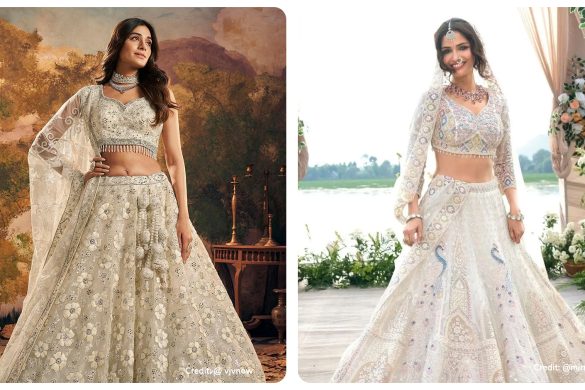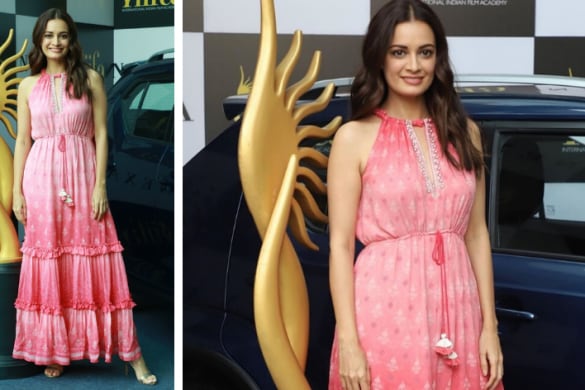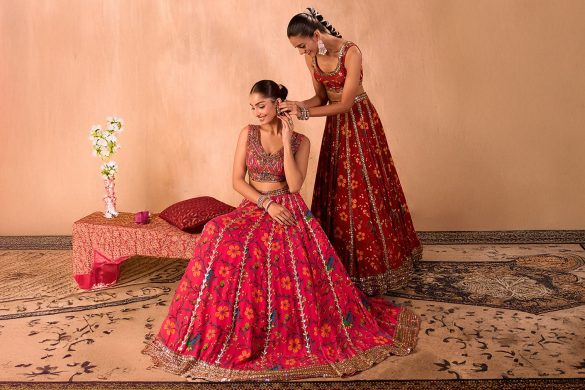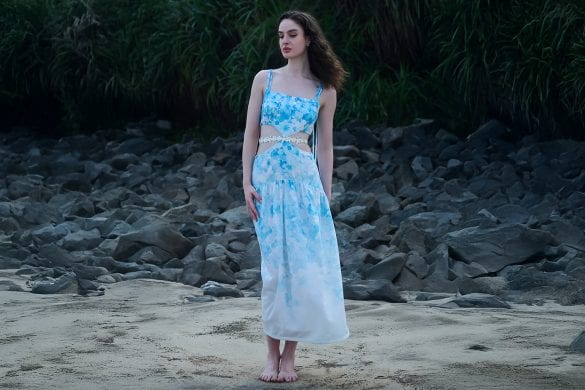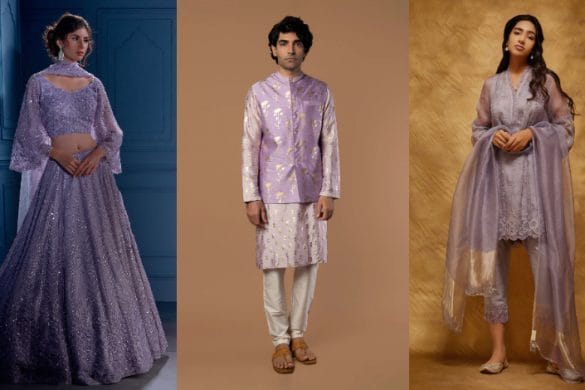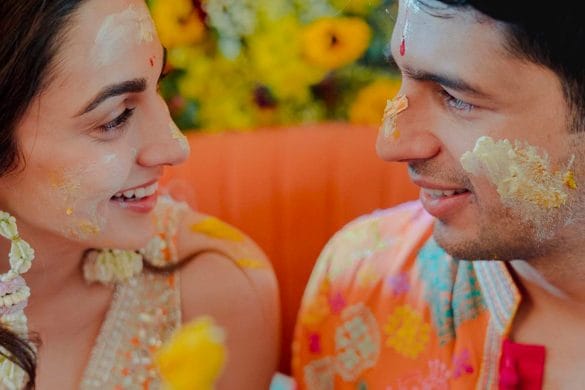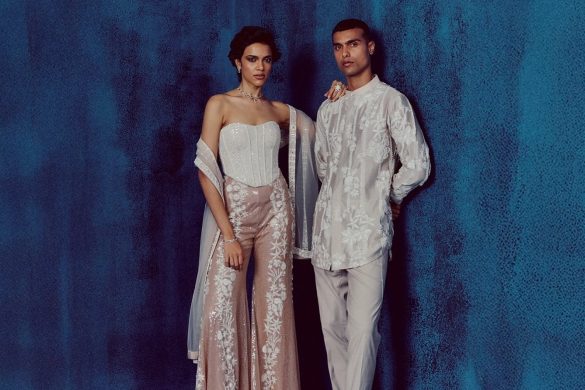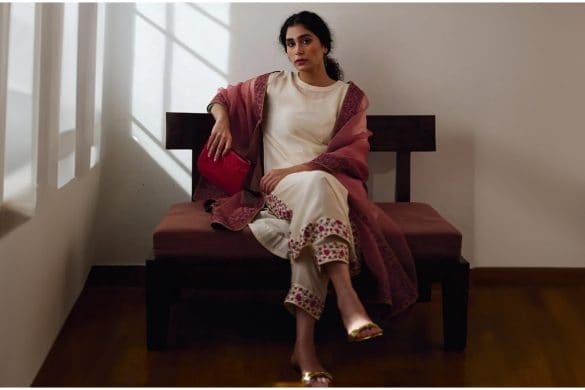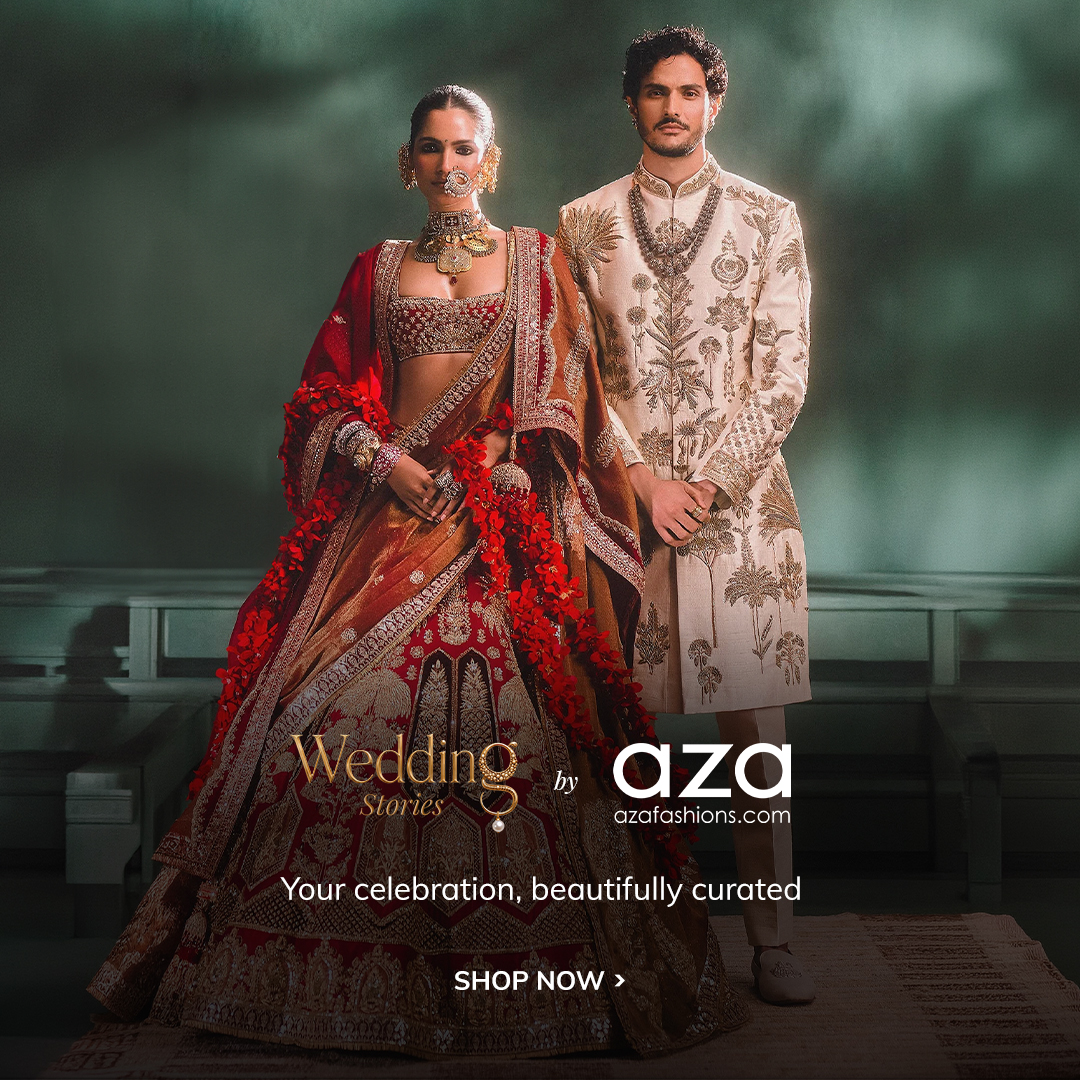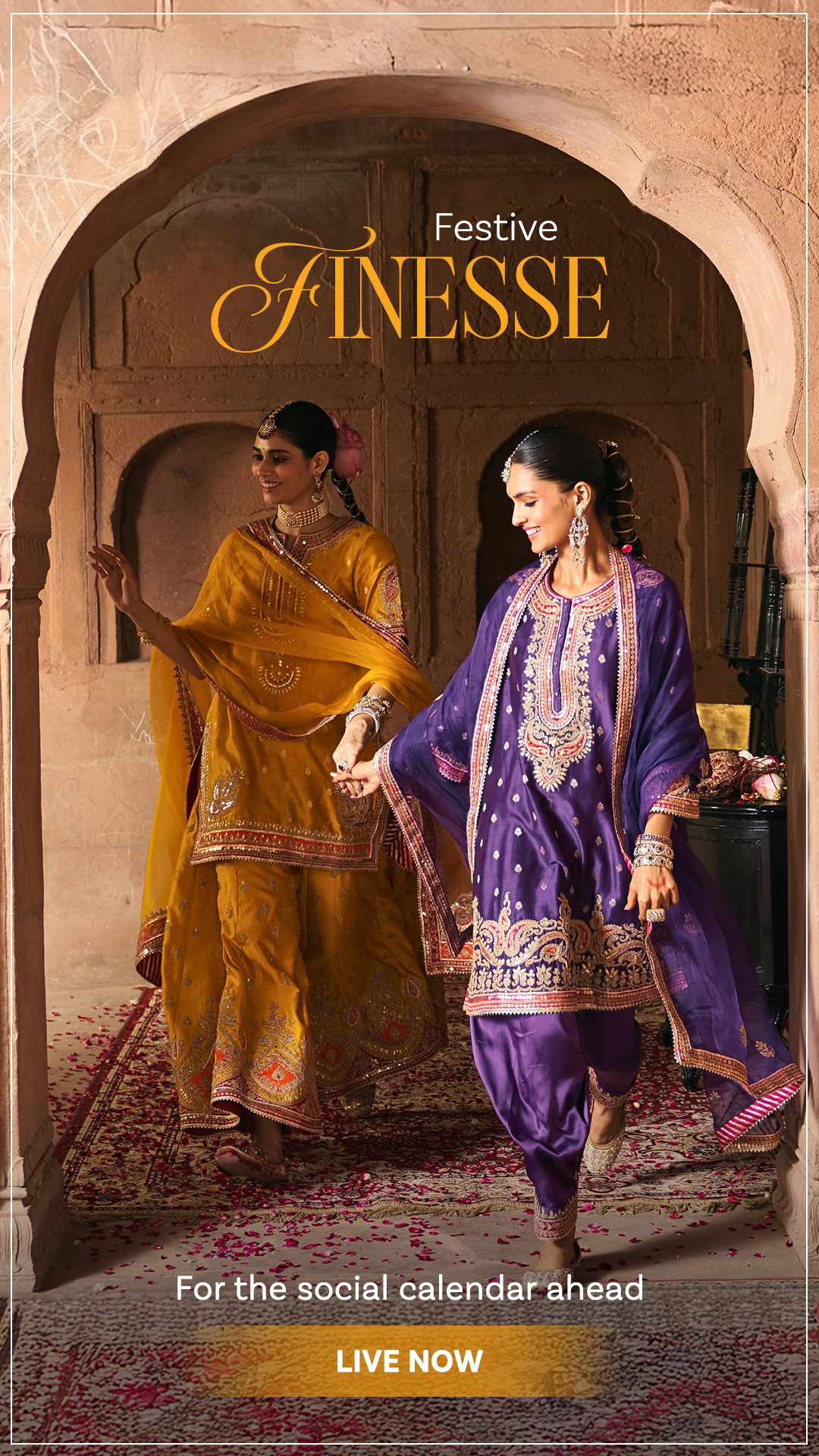
The main types of Indian occasion wear for women are: bridal lehenga, wedding guest saree or lehenga, festive anarkali or kurta set, reception gown or indo-western dress, puja and temple wear, and contemporary fusion outfits.
What to Wear to Each Indian Occasion
1. Indian Wedding (Guest Daytime)
- Best choices Georgette or silk saree, semi-formal lehenga, heavily embroidered anarkali suit
- Colours Avoid white and red (reserved for bride); choose jewel tones, pastels, or bold festive colours
- Fabric Georgette, chanderi, silk blend, or crepe for daytime comfort
- What to avoid White, ivory, and all-black outfits at traditional weddings; very casual ethnic wear
2. Indian Wedding (Guest Evening / Reception)
- Best choices Heavy silk saree, embellished lehenga, indo-western anarkali gown, contemporary saree with statement blouse
- Colours Bold, rich jewel tones; sequined and metallic choices are perfect
- Fabric Heavy silk, organza, velvet (for winter), net with embellishment
- What to avoid Casual kurta sets; understated or minimally styled outfits
3. The Bride
- Main options Bridal lehenga (most popular), Banarasi saree (traditional in many communities), Kanjivaram silk saree (South Indian brides), Anarkali set (popular for contemporary brides)
- Key elements Heavy embroidery (zardosi, Aari work, or bead embroidery), rich fabric (silk, velvet, raw silk, net), complete bridal jewellery set
- Colour Red is traditional; contemporary brides also choose maroon, pink, peach, ivory, or gold
4. Festive Occasions (Navratri, Diwali, Eid)
- Best choices Printed or embroidered kurta sets, lehengas in festival colours, anarkali suits, festive sarees
- Colours Bright and festive yellow, red, green, orange, pink; match to the specific festival's traditional colours
- Fabric Georgette, chanderi, cotton-silk blends; comfortable for long festive days
5. Puja and Temple Visits
- Best choices Cotton or silk sarees, simple kurta sets, chanderi or cotton suit sets
- Colours Auspicious colours yellow, red, orange, white; avoid black for most Hindu temples
- What to avoid Heavily embellished or revealing outfits; Western wear for formal temple visits
6. Sangeet and Mehndi Functions
- Best choices Sangeet Lehenga, heavily embellished anarkali, indo-western dress
- Best choices Mehndi Kurta sets, lighter lehengas, printed ethnic dresses; choose outfits that won't be ruined by mehndi
- Colours Extremely vibrant hot pink, bright yellow, orange, turquoise
7. Office Ethnic Days
- Best choices Straight-cut kurta with cigarette pants or straight salwar, subtle salwar kameez sets, simple printed sarees
- Colours Muted jewel tones, subtle prints, pastels
- What to avoid Heavily embellished outfits, very bright festive colours
Occasion Wear Quick Reference
Occasion | Best Ethnic Wear | Key Colour Rule |
Wedding (day) | Silk or georgette saree / anarkali | Avoid white and red |
Wedding (evening) | Heavy lehenga / embellished saree | Bold jewel tones |
Bride | Bridal lehenga or silk saree | Red, maroon, or chosen bridal colour |
Navratri / Diwali | Festive lehenga / kurta set | Festival day colours |
Puja / Temple | Cotton or silk saree | Auspicious colours; no black |
Sangeet | Embellished anarkali / lehenga | Very vibrant colours |
Office Ethnic Day | Cotton kurta set | Muted and professional |
Frequently Asked Questions
Q: What should I wear as a wedding guest to an Indian wedding?
A: As a wedding guest, wear a silk or georgette saree, an embroidered anarkali suit, or a festive lehenga in a jewel tone or bright festive colour. Avoid white (associated with mourning in some traditions) and avoid wearing red if attending as a guest.
Q: Is it okay to wear a lehenga as a wedding guest?
A: Yes a lehenga is perfectly appropriate for a wedding guest, especially for evening and reception functions. Choose a lehenga in a colour and embellishment level that is festive but not bridal. Avoid the colour of the bride's lehenga (often red) and avoid white.
Q: What colours should I not wear to an Indian wedding?
A: Avoid white, ivory, and cream at traditional Hindu weddings. Avoid wearing the exact colour of the bride's outfit (often red or maroon). Black is traditionally avoided at Hindu weddings though it is increasingly accepted at urban receptions.
Q: What is the difference between a lehenga and an anarkali for occasions?
A: A lehenga is a two or three-piece outfit a separate skirt, blouse, and dupatta and is the most formal and traditional choice for major Indian occasions. An anarkali is a long kurta with a flared hemline slightly less formal than a lehenga but elegant and appropriate for most festive and semi-formal occasions.
Q: What should I wear for a daytime outdoor Indian wedding in summer?
A: Choose a lightweight fabric georgette, chiffon, or chanderi. Opt for a saree or anarkali suit in these fabrics for maximum comfort and elegance. Avoid heavy embroidered lehengas with multiple layers which can be very hot outdoors.