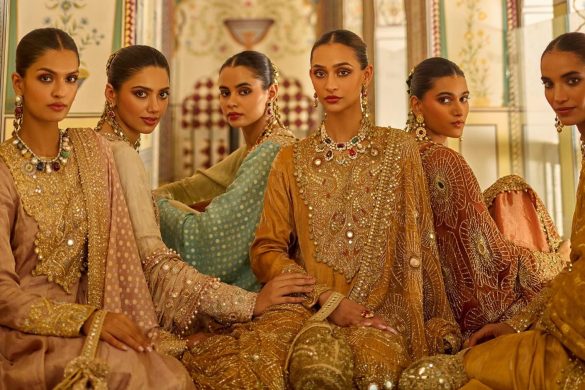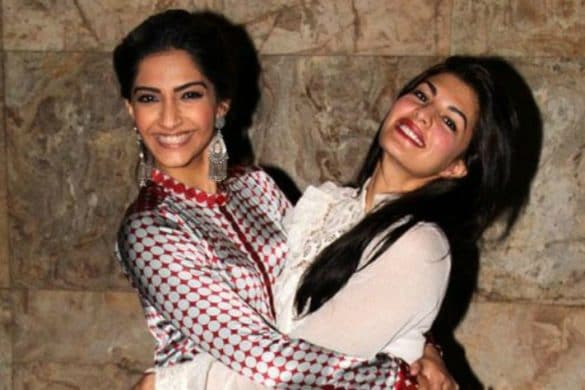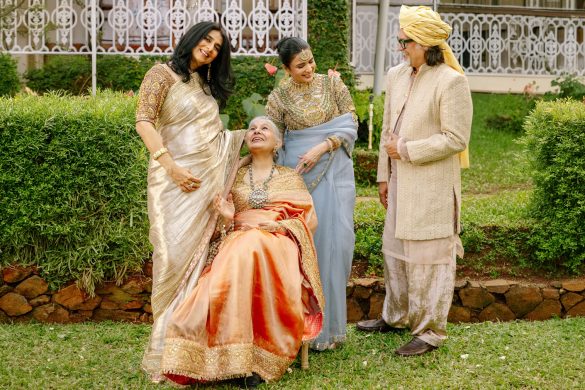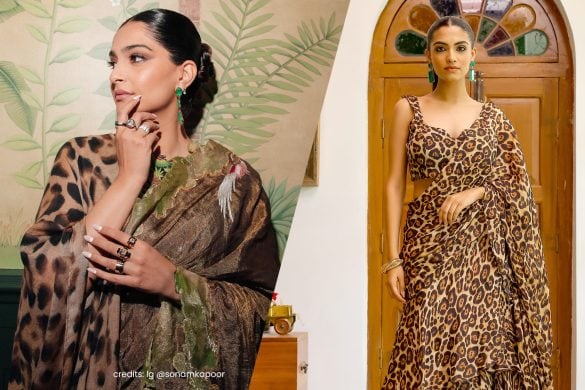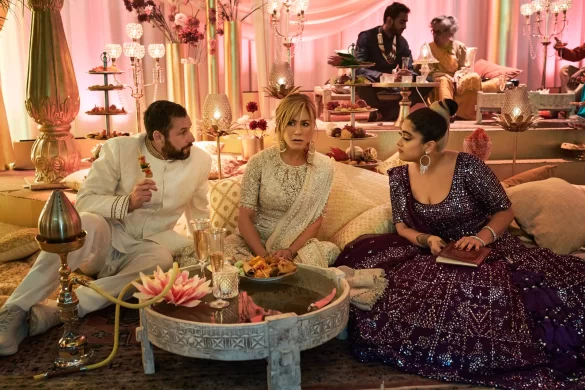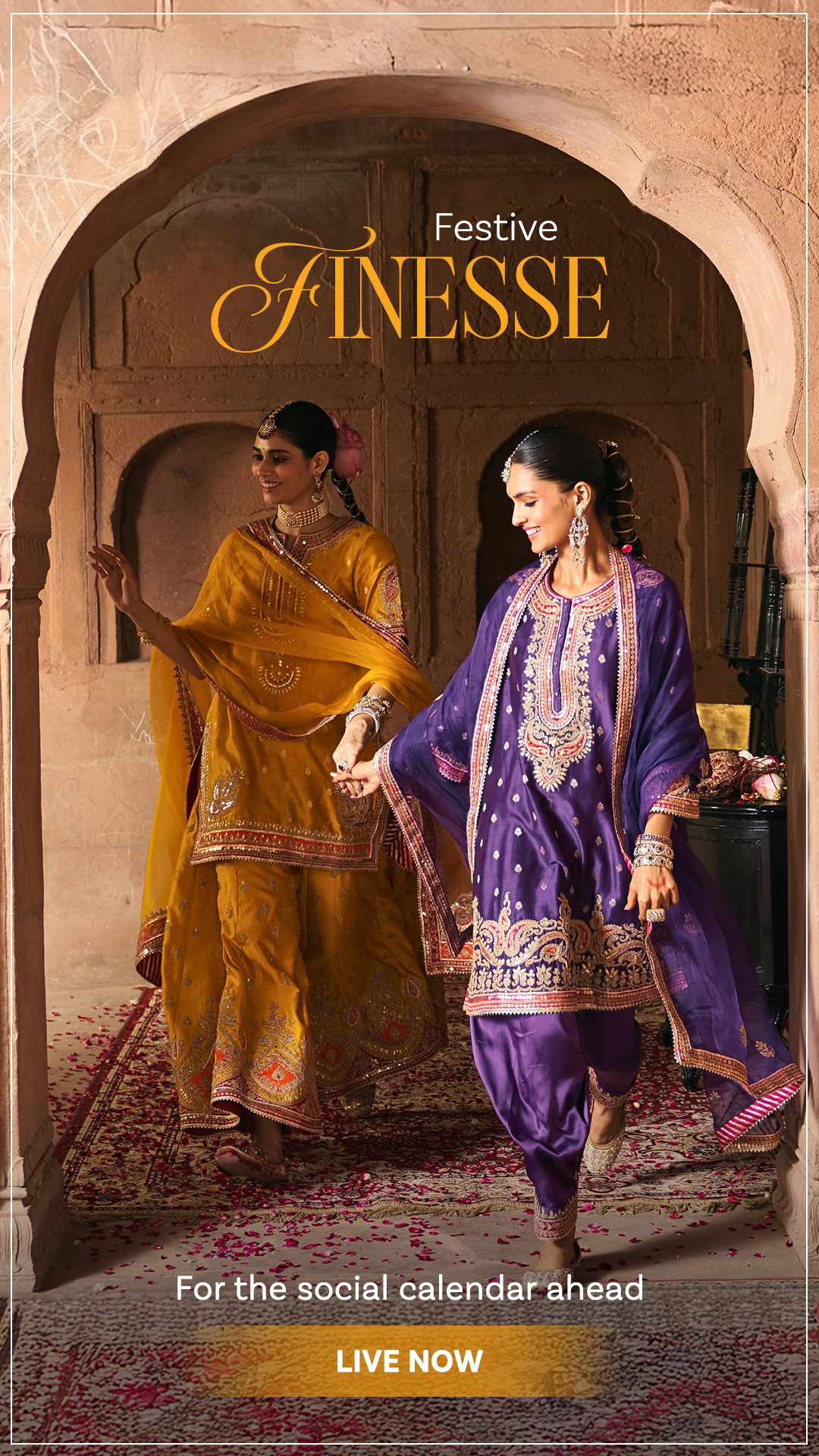
The most common types of salwar kameez include the straight cut suit, Anarkali, Patiala, churidar, palazzo, sharara, dhoti salwar, Afghani salwar, Pakistani style, and Indo-Western suit. Each style differs in silhouette, occasion suitability, and regional origin, giving you a wide range of options for casual, formal, and festive wear.
Salwar kameez has been worn across South Asia since the 13th century, when it was introduced by Muslims arriving in northern India. Today, it remains one of the most versatile garments in ethnic fashion. Whether you're dressing for a wedding, the office, or a casual outing, the right style can make all the difference. Here's a breakdown of 10 types you should know.
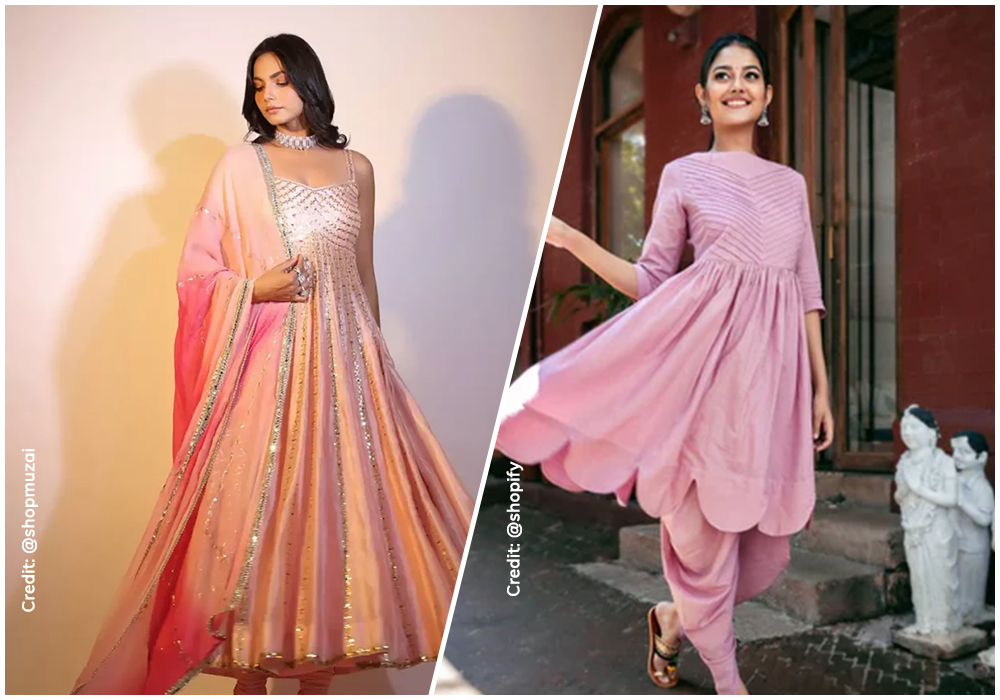
What are the most popular types of salwar kameez?
- Straight Cut Salwar Kameez
The straight cut features a kameez that falls vertically without any flare. Clean, structured, and easy to style, this suit works equally well for office wear and semi-formal events. It suits most body types, particularly those who prefer a slimmer silhouette.
- Anarkali Suit
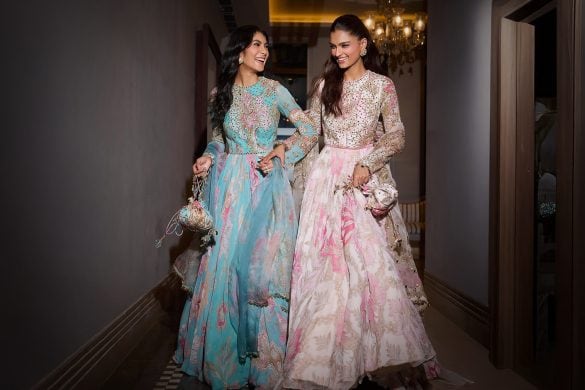
The Anarkali is fitted at the bust and flares dramatically from the waist down, drawing inspiration from Mughal-era fashion. It pairs beautifully with churidar bottoms and is a go-to choice for weddings and formal occasions. Curvy body types tend to find this silhouette especially flattering.
- Patiala Suit
Originating in Punjab, the Patiala suit features a heavily pleated, voluminous salwar paired with a short kameez. It's vibrant, relaxed, and full of cultural energy—ideal for festive celebrations and cultural events. Those with a slim frame can use the pleated bottoms to add volume.
- Churidar Suit
The churidar features tight-fitting pants that gather at the ankles, forming bangle-like folds. The result is a sleek, elegant silhouette that works well for formal and semi-formal settings. It pairs naturally with Anarkali or straight-cut kameez designs.
- Palazzo Suit
Palazzo pants are wide-legged and flowy, offering a modern, relaxed fit. This style is popular for office wear and casual gatherings, especially when paired with a straight or A-line kameez. Taller frames tend to carry palazzo pants particularly well.
- Sharara Suit
The sharara flares dramatically from the knee, creating a skirt-like effect with strong Mughal roots. Heavily embroidered versions are a bridal staple, while printed shararas work well for festive occasions. The voluminous silhouette adds graceful drama to any look.
- Dhoti Salwar
Inspired by the traditional Indian dhoti, this style features draped pleats around the thighs that taper at the ankle. The result is an Indo-fusion look that sits comfortably between traditional and contemporary ethnic fashion. It's a strong choice for those who want something a little different.
- Afghani Salwar
The Afghani salwar is loose and gathered at both the waist and ankles, offering a relaxed and modest silhouette. Rooted in Afghan and Pakistani cultural traditions, this style is typically worn for everyday and casual occasions and suits those who prioritize comfort alongside coverage.
- Pakistani Style Salwar Kameez
Pakistani suits are known for their long, elegant kameez—often floor-length or just below the knee—paired with straight-cut trousers and a fine dupatta. Intricate embroidery using Zari or Resham thread and luxurious fabrics like lawn, chiffon, and silk define this style. It's a popular choice for Eid and formal occasions.
- Indo-Western Salwar Kameez
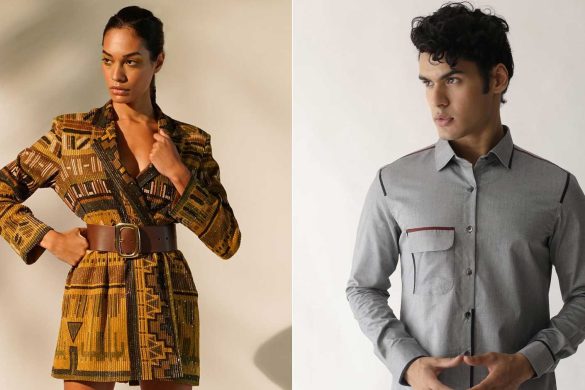
Indo-Western suits blend ethnic silhouettes with modern design—think asymmetric hemlines, jacket-style overlays, crop-top kameez with high-waisted palazzo pants, and cape dupattas. This style is best suited for cocktail parties, fashion-forward festive events, and anyone looking to fuse heritage with contemporary aesthetics.
The Right Salwar Kameez for Every Occasion
Choosing a style becomes easier once you match it to the setting. For weddings, sharara, gharara, and Anarkali suits are strong options. For office wear, straight cut, palazzo, and cigarette pant suits offer comfort and polish. Patiala and Afghani styles work well for casual and festive days, while Indo-Western suits are ideal for events where you want to stand out.
Frequently Asked Questions
What is the difference between sharara and gharara?
Both flare from the knee, but the gharara has a visible seam at the knee where a heavily pleated panel is attached, creating a bell-bottom effect. The sharara flares more gradually and smoothly from the knee. Gharara suits are considered more traditional and formal.
Which salwar kameez style is best for everyday wear?
Straight cut suits, palazzo suits, and Afghani salwar styles are the most practical for daily wear. They offer comfort, easy styling, and a polished appearance without requiring heavy embellishment.
Which salwar kameez type is trending in 2025?
Palazzo suits, cigarette pants suits, and sharara bottoms are trending in 2025. For formal and bridal wear, heavily embroidered shararas and Pakistani-style suits remain highly sought after, particularly in pastel tones on chiffon and georgette fabrics.
What fabric should I choose for a salwar kameez?
Choose cotton or lawn for everyday and summer wear. Opt for chiffon or georgette for festive and semi-formal events. Silk and velvet are best suited for weddings and colder months, where a richer drape and heavier embellishment are appropriate.