The saree is a timeless symbol of elegance and grace, a garment that tells a story with every fold and pleat. But the magic of a beautiful saree can be lost in translation if not draped correctly. The right draping technique does more than just hold the fabric in place; it defines your silhouette, ensures your comfort, and boosts your confidence. Many modern women, influenced by fast-paced tutorials or simply lacking practice, often make small mistakes that can compromise the entire look.
From uneven pleats to the wrong choice of petticoat, these common errors can turn a stunning outfit into a source of discomfort and awkwardness. Understanding and avoiding these pitfalls is the key to unlocking the true potential of your Indian saree. This guide will walk you through the most frequent draping mistakes and provide professional tips to ensure you look and feel flawless every time.
Common Saree Draping Mistakes to Steer Clear Of
Mastering the basics is crucial. Let's break down the most common errors that can detract from your saree's charm.
Wrong Pleat Size or Uneven Pleats
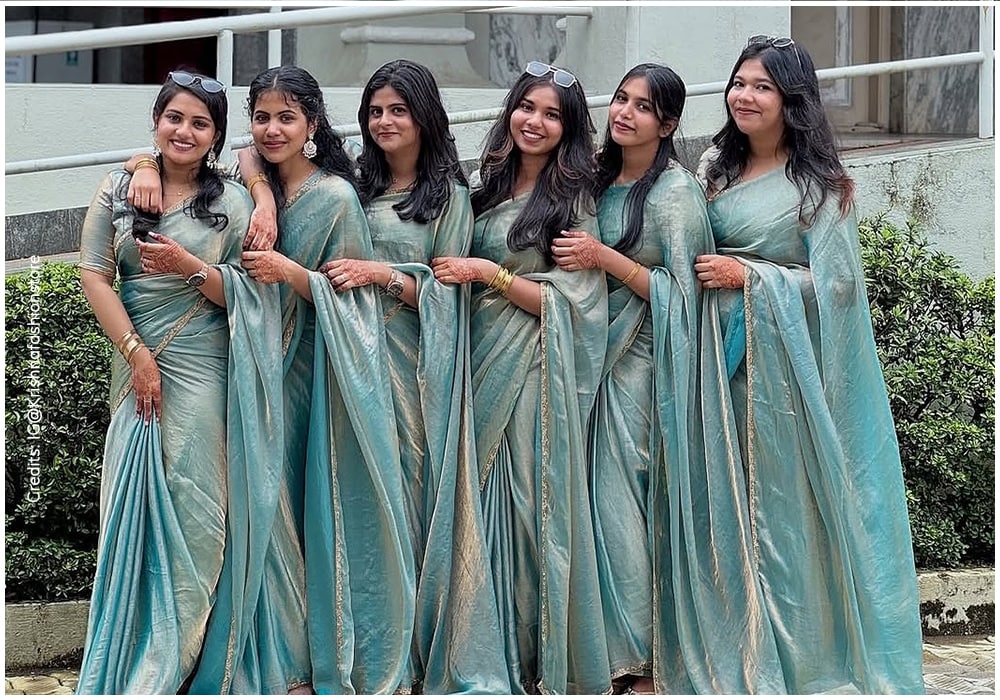
The neat, uniform stack of pleats at your waist is the foundation of a well-draped saree. When your pleats are too broad, they create a bulky, unflattering look around your midsection. If they are too thin, they can be difficult to manage and may not fall gracefully. Inconsistent pleats disrupt the symmetry of the drape, making it appear messy and unprofessional. Aim for 5-7 pleats, each about 4-5 inches wide, tucked neatly into your petticoat at the navel.
Draping the Saree Too High or Too Low
Finding the right height to drape your saree is a balancing act. Draping it too high can shorten your frame and look dated, while draping it too low can be impractical and uncomfortable. The ideal position is to tuck the saree just below your navel. This elongates your torso and creates a graceful, modern silhouette. Your body shape also plays a role; curvier figures may benefit from a slightly higher drape to accentuate the waist.
Not Securing the Saree with Enough Pins
A common fear is that the saree will unravel, leading many to overuse safety pins. However, using too many pins, especially in visible spots, can ruin the look. Visible pins detract from the seamless elegance of the drape. Worse, they can snag and damage delicate fabrics like chiffon, organza, or silk. Instead, use a few pins strategically: one to secure the pleats to the petticoat, one for the pallu at the shoulder, and perhaps one to hold the pallu pleats together. For a cleaner look, explore alternatives like small, hidden pins, fabric tape, or magnetic saree pins that hold the fabric without piercing it.
Wearing the Wrong Undergarments
The petticoat is the unsung hero of saree draping. The wrong one can ruin your entire look.
- Wrong Color: A petticoat that doesn’t match the saree’s base color will show through, especially with lighter fabrics.
- Bulky Fabric: A thick, bulky petticoat adds unnecessary volume around your hips and waist. Opt for lightweight cotton or satin.
- Incorrect Fit: A petticoat that is too tight will restrict movement, while one that is too loose will shift and bunch up. It should fit snugly at the waist and fall straight.
- Wrong Shape: An A-line petticoat is great for most body types and fabrics. For a more defined silhouette with fabrics like georgette or chiffon, a mermaid-style petticoat that is fitted to the knees and then flares out is an excellent choice.
Incorrect Pallu Length
The pallu is the most expressive part of the saree, but its length is crucial. A pallu that is too long will drag on the floor, getting dirty and creating a tripping hazard. A pallu that is too short can look awkward and disrupt the proportions of your outfit. A good rule of thumb is for the end of the pallu to reach your calf or ankle when draped over the shoulder. This ensures it flows beautifully without getting in the way.
Mishandling Heavy Embellished Sarees
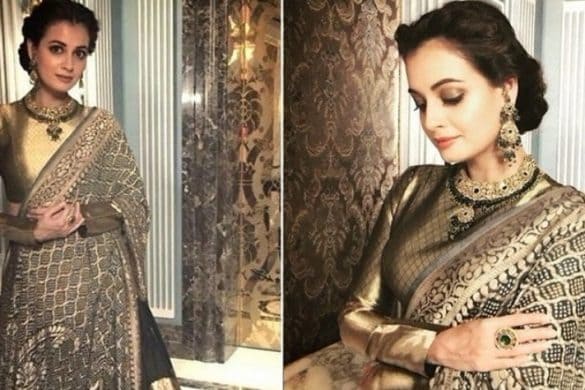
Sarees with heavy stonework, embroidery, or zari borders require special attention. If the weight is not distributed properly, it can pull on the fabric, cause discomfort, and ruin your posture. When pleating a heavy saree, ensure the embellished sections are neatly stacked. Secure the pallu firmly on your shoulder with a sturdy pin to take the weight off your arm.
Ignoring Body Shape When Draping
A saree is incredibly versatile and can flatter any body type, but only if you choose the right draping style. For example, if you have a pear-shaped body, avoid styles that add too much volume at the hips. If you have an apple shape, a Nivi drape with a longer, flowing pallu can help create a more defined waist. When choosing a saree for women, experiment with different styles to find what best accentuates your features.
Skipping the Saree Fall
A "fall" is a strip of cotton fabric stitched to the inner hem of the saree. Its purpose is to add weight and structure, ensuring the saree drapes beautifully and protecting the hem from wear and tear. For flowing fabrics like georgette, chiffon, and organza, a fall is non-negotiable. It prevents the delicate material from getting caught in your heels and gives the pleats a clean, crisp edge.
Fabric-Specific Draping Mistakes
Different fabrics behave differently and require unique draping techniques.
- Silk Saree Mistakes: Silk sarees can be slippery. To prevent the pleats from shifting, press them lightly with an iron before tucking them in. Also, pay close attention to aligning heavy borders, as any misalignment is very noticeable.
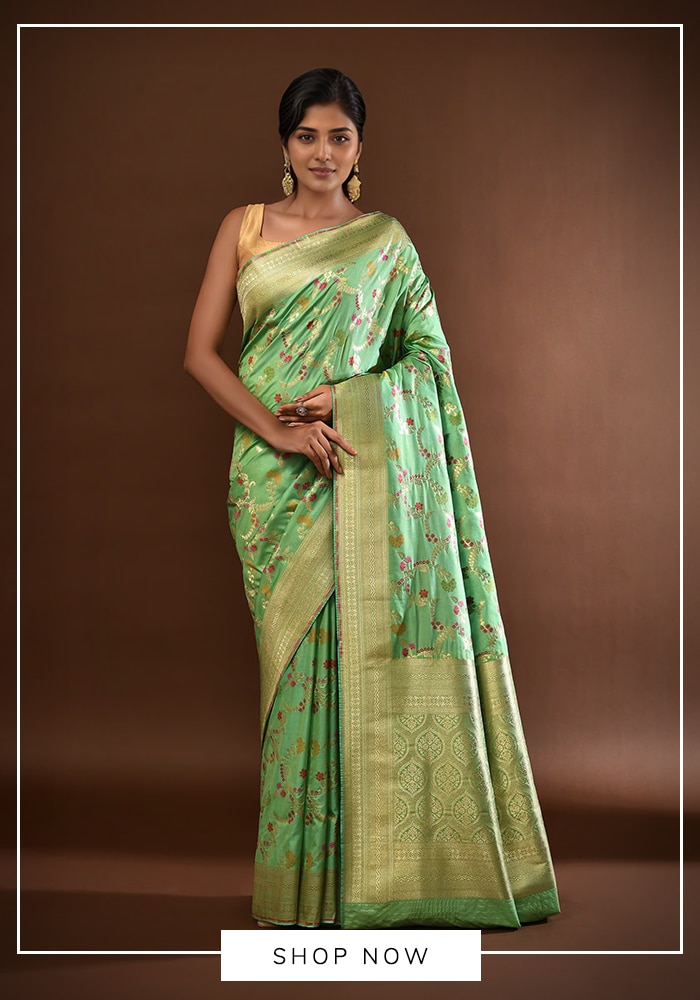
- Georgette & Chiffon Saree Mistakes: These lightweight fabrics can be unforgiving. Avoid pleating them too tightly, as this can make them look limp. Be careful not to overstretch the material while draping, as it can lose its shape.
- Cotton Saree Mistakes: For a crisp look, a light starch is essential for cotton sarees. However, avoid creating too many pleats, as the stiff fabric can add bulk to your waist. Fewer, broader pleats work best.
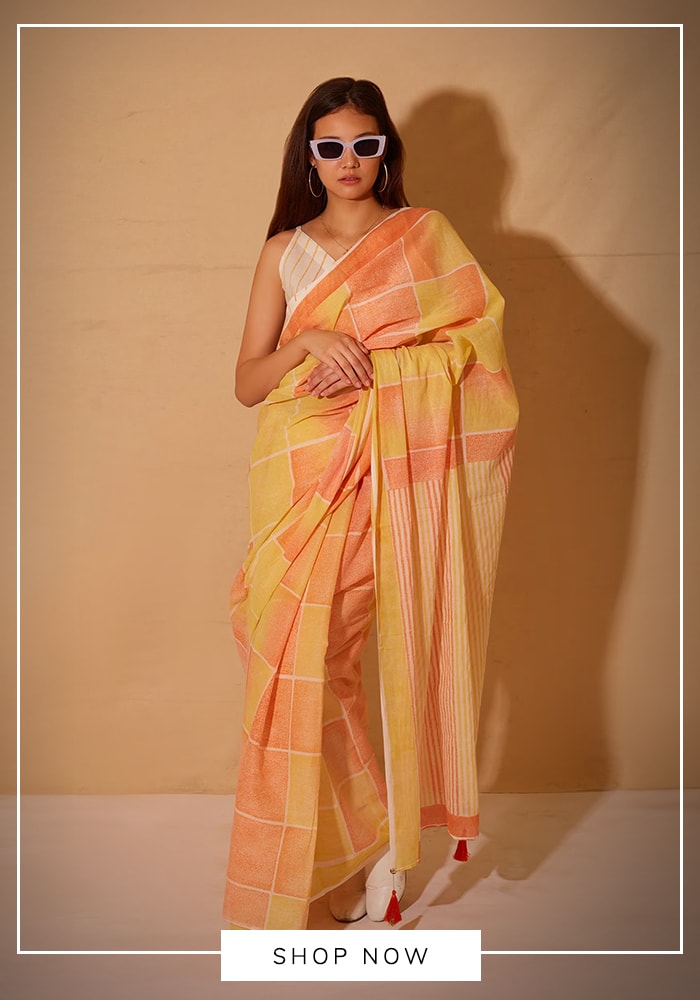
- Organza & Tissue Saree Mistakes: These stiff fabrics require careful handling. They tend to flare out, so avoid creating tight pleats at the waist. Opt for a floating pallu or broad, neat shoulder pleats to manage the volume gracefully.
Blouse and Accessory Mistakes That Affect Your Look
Your saree look is an ensemble, and other elements can impact the final result.
Blouse Blunders
A poorly chosen or ill-fitting blouse can undermine even the most perfectly draped saree.
- Wrong Fit: A blouse that is too tight can cause unflattering bulges, while a loose one looks sloppy and fails to support the saree's weight.
- Incorrect Neckline: The neckline should complement the draping style. A deep back or trendy design might not work if you need to pin your pallu extensively.
- Bra Issues: Visible bra straps are a major faux pas. Choose a well-fitting, supportive bra or opt for blouses with built-in padding.
Accessory and Footwear Fumbles
Your accessories and footwear complete the look, but they can also create problems.
- Wrong Heel Height: Decide on your footwear before you start draping. The length of the saree should be adjusted to your heel height to prevent it from being too short or dragging on the ground.
- Over-Accessorizing the Waist: While a delicate belt or kamarbandh can enhance your look, a bulky or over-the-top accessory can overwhelm your waistline and interfere with the saree's fall.
- Jewelry Snags: Be mindful of sharp-edged rings or bracelets that can snag and tear your pallu, especially with delicate fabrics.
Pro Tips to Perfect Your Saree Draping
Ready to drape like an expert? Here are some final tips to elevate your saree game.
- Prep Your Fabric: Before draping, make sure your saree is ironed and the fall is attached. For stiff fabrics, you can pre-pleat the pallu and iron it for a crisp finish.
- Use Pins Wisely: Use safety pins that are sharp and rust-free. Pin from the inside of the garment to keep them hidden. For delicate fabrics, use magnetic pins or even specialized body tape for a secure, damage-free hold.
- Choose the Right Drape for Your Body: Research different draping styles. An hourglass figure can carry off most styles, while a rectangular frame might benefit from a drape that creates the illusion of curves.
- Practice Makes Perfect: Don't wait for a big event to try a new draping style. Practice at home to build muscle memory and confidence. The more you drape, the more intuitive it will become.
By avoiding these common mistakes and embracing these pro tips, you can ensure your saree always looks as stunning as it was meant to be. Embrace the process, and wear your nine yards with pride and poise.