Trends move fast. One season it's quiet luxury, the next it's maximalist clashing prints. But scroll through any runway, red carpet, or thrift haul on your feed and you'll notice something strange: the past never really leaves. Vintage style has a way of resurfacing, looking somehow fresher each time it returns.
So why do we keep falling for vintage, decade after decade? Why does a slip dress from the '90s or a structured blazer from the '80s feel just as exciting now as it did then? The answer isn't only nostalgia. It's that great design refuses to expire.
In this post, we'll unpack what gives vintage fashion its staying power—from craftsmanship and sustainability to celebrity influence and Gen Z's love of all things retro. By the end, you'll understand why building a vintage-inspired wardrobe might be one of the smartest style moves you make.
What Makes Vintage Fashion Last So Long?
Vintage clothing endures because it was often built to. Before fast fashion flooded our closets with disposable pieces, garments were made with care—hand-finished seams, quality fabrics, and details meant to survive decades, not laundry cycles.
But durability is only part of the story. Here's what really gives vintage its lasting power:
- Timeless silhouettes: A tailored trench, a little black dress, a pair of high-waisted trousers. These timeless silhouettes flatter year after year because they're rooted in proportion, not passing hype.
- Exceptional craftsmanship: Vintage pieces frequently showcase techniques that mass production has abandoned, from hand-beading to precise tailoring.
- Iconic details: Think mother-of-pearl buttons, French seams, or intricate embroidery. These small touches separate timeless fashion from fast-fashion copies.
- Emotional value: A grandmother's coat or a thrifted leather jacket carries a story. That emotional pull is something a brand-new item simply can't replicate.
Put simply: vintage survives because it earns its place. When a garment combines beauty, quality, and meaning, it becomes a timeless wardrobe staple rather than a seasonal afterthought.
Why Are Designers So Obsessed with the Past?
Walk through any major fashion house's collection and you'll spot echoes of earlier eras. Designers constantly mine designer archives for inspiration, reinterpreting vintage aesthetics for a modern audience. This isn't laziness—it's a creative conversation between past and present.
Archival fashion has become its own cultural force. Brands reissue old prints, revive discontinued cuts, and reference their own history to tell a richer story. A '70s flared trouser gets a sharper tailoring update. A '90s minimalist palette returns with new fabrics. The bones stay the same, but the styling evolves.
This is the heart of fashion's endless trends comeback. Designers know that classic style provides a reliable foundation, while subtle modern tweaks keep things feeling current. For shoppers, it means vintage-inspired fashion is everywhere—you don't always have to dig through a thrift store to get the look, though half the fun is in the hunt.
How Thrifting, Sustainability, and Slow Fashion Fuel the Comeback
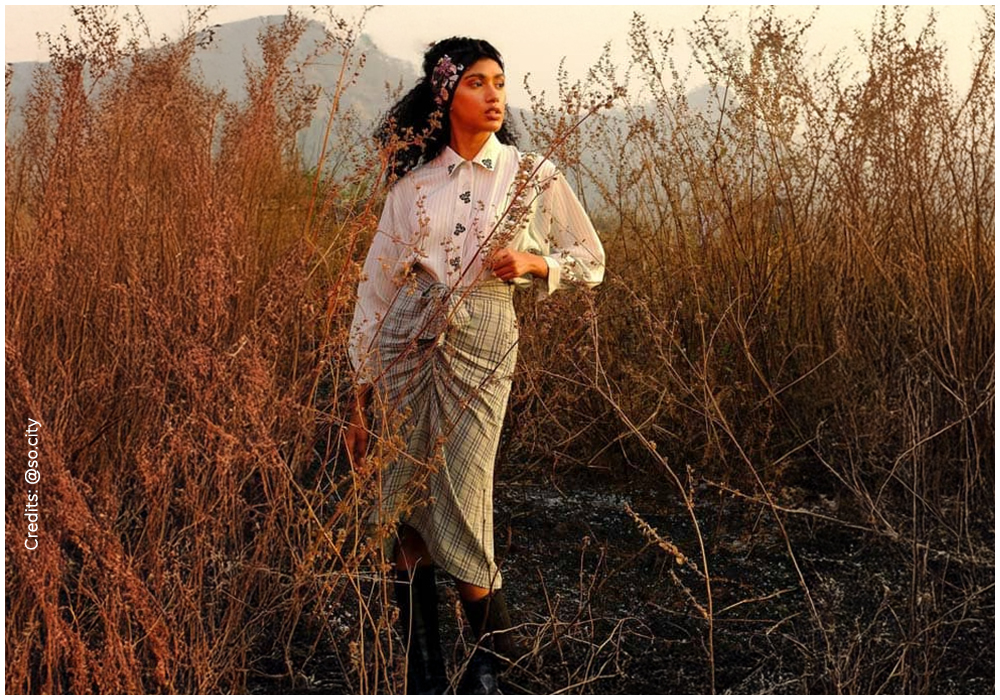
There's a practical reason vintage keeps winning: people are moving away from throwaway fashion and embracing more sustainable ways to shop. Vintage and secondhand pieces offer a stylish alternative to fast fashion while helping extend the life of existing garments.
The trend is only getting stronger. Market forecasts show the global secondhand fashion industry is set for significant growth over the next decade, reflecting a growing demand for sustainable and conscious fashion choices.
Beyond sustainability, vintage offers something mass-produced trends can't: individuality. In a world where everyone is buying the same viral pieces, a unique vintage find allows personal style to shine, making vintage fashion as much about self-expression as it is about sustainability.
Which Iconic Vintage Elements Keep Coming Back?
Some pieces and details refuse to stay in the past. These are the iconic fashion trends that cycle back again and again, each time with a fresh spin.
Silhouettes and Details That Never Quit
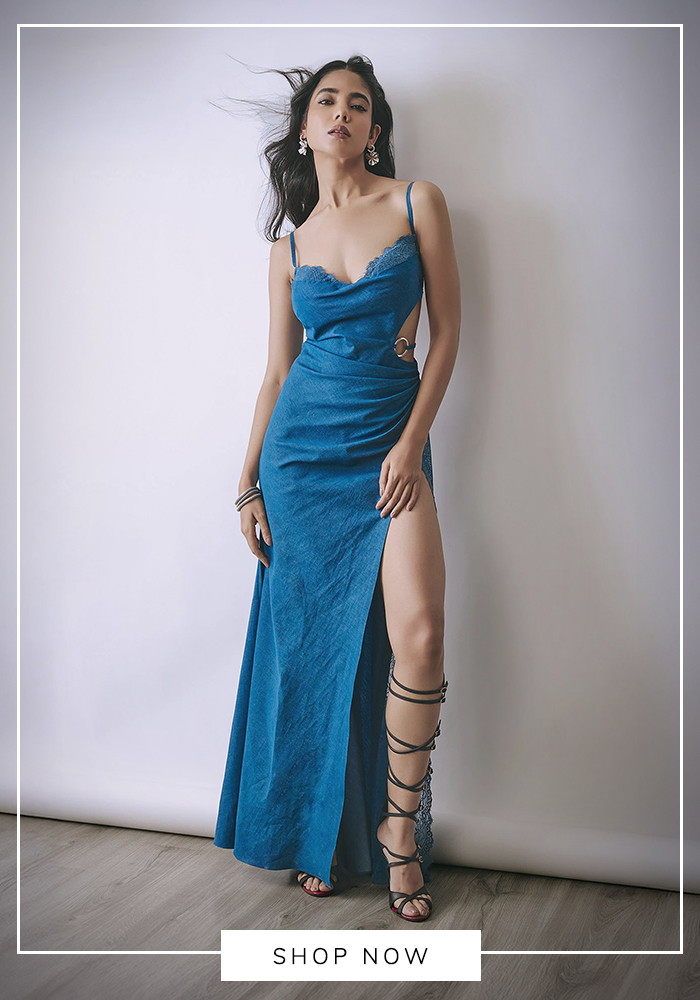
Slip dresses: The ultimate '90s staple, equally at home layered over a tee or worn solo with strappy heels. Their clean lines and effortless elegance make them one of the easiest pieces to style across seasons, proving that minimalism never really goes out of fashion.
Slip dresses: The ultimate '90s staple, equally at home layered over a tee or worn solo with strappy heels. Their clean lines and effortless elegance make them one of the easiest pieces to style across seasons, proving that minimalism never really goes out of fashion.
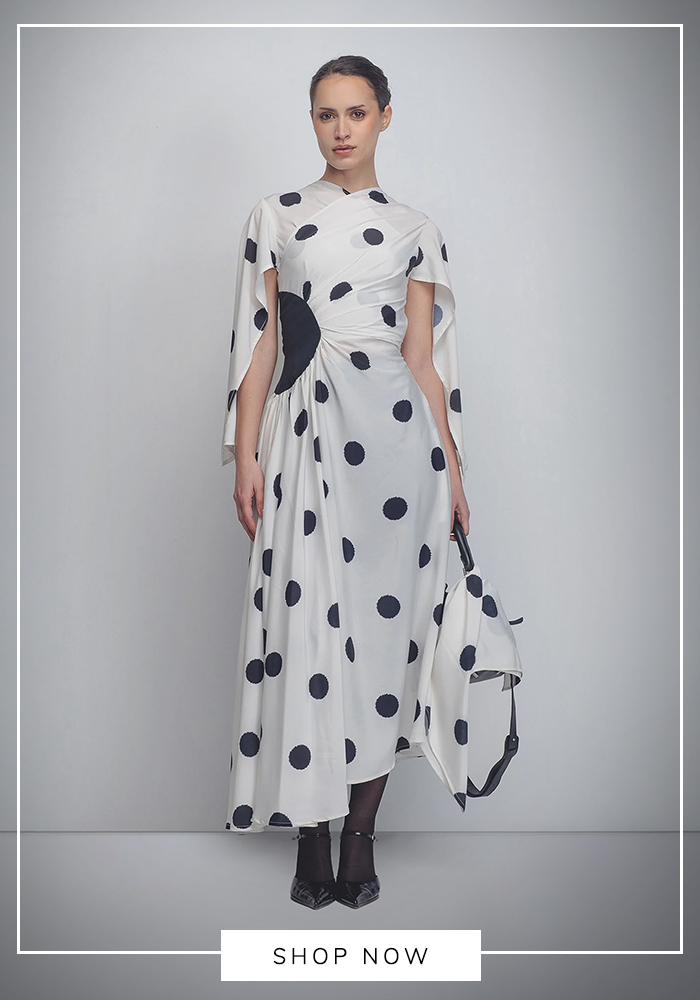
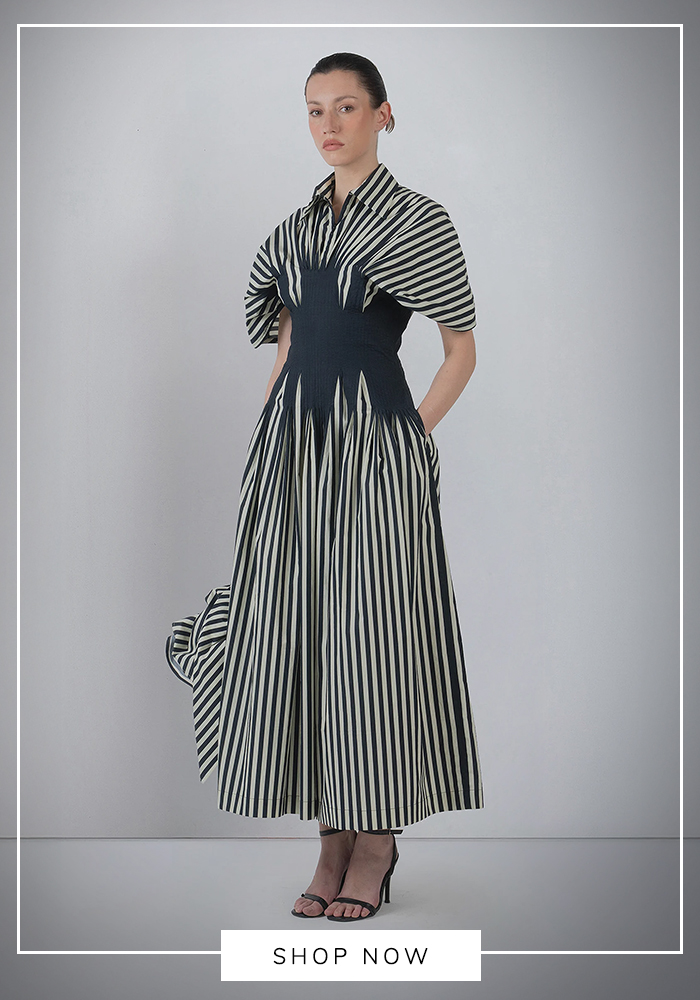
Corset detailing: Borrowed from centuries of fashion history, corsetry keeps returning in tops, dresses, and even tailoring. Modern interpretations focus on structure and silhouette rather than restriction, creating flattering shapes that feel both romantic and contemporary.
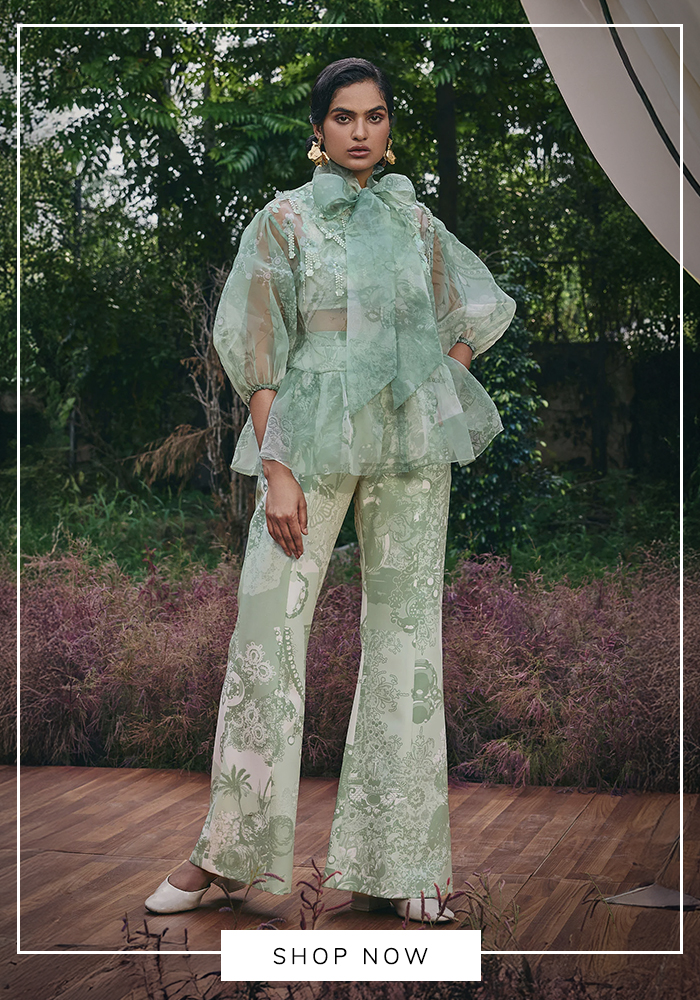
Flared silhouettes: Wide-leg trousers, bootcut jeans, and flared pants continue to cycle back into the spotlight. Their balanced proportions and relaxed feel offer a refreshing alternative to slimmer cuts while delivering an unmistakably nostalgic appeal.
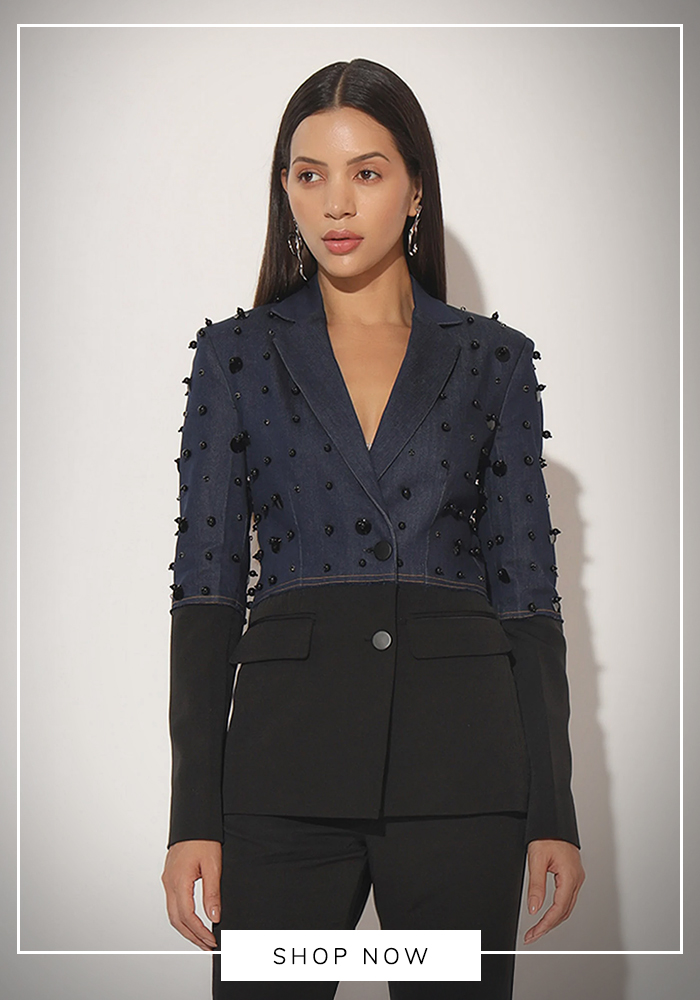
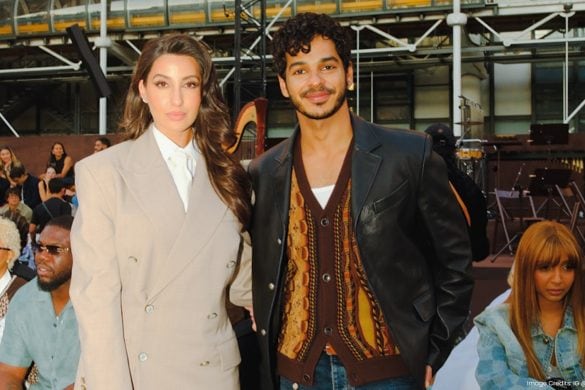
Structured blazers: A bridge between decades, the strong-shouldered blazer anchors any timeless wardrobe. From power dressing in the '80s to today's oversized styling, it remains a go-to layering piece that instantly elevates any look.
Heirloom Pieces with Deep Roots
Vintage isn't only Western. Some of the most enduring elements come from heritage craft traditions that span generations.
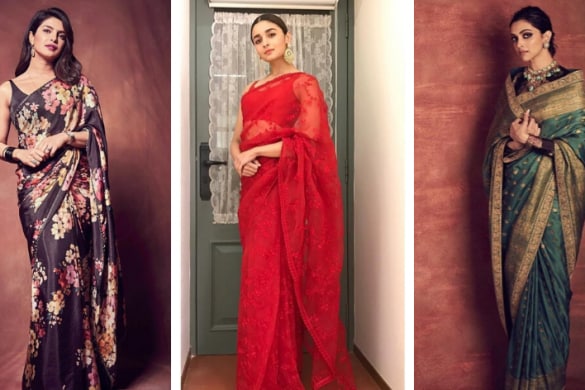
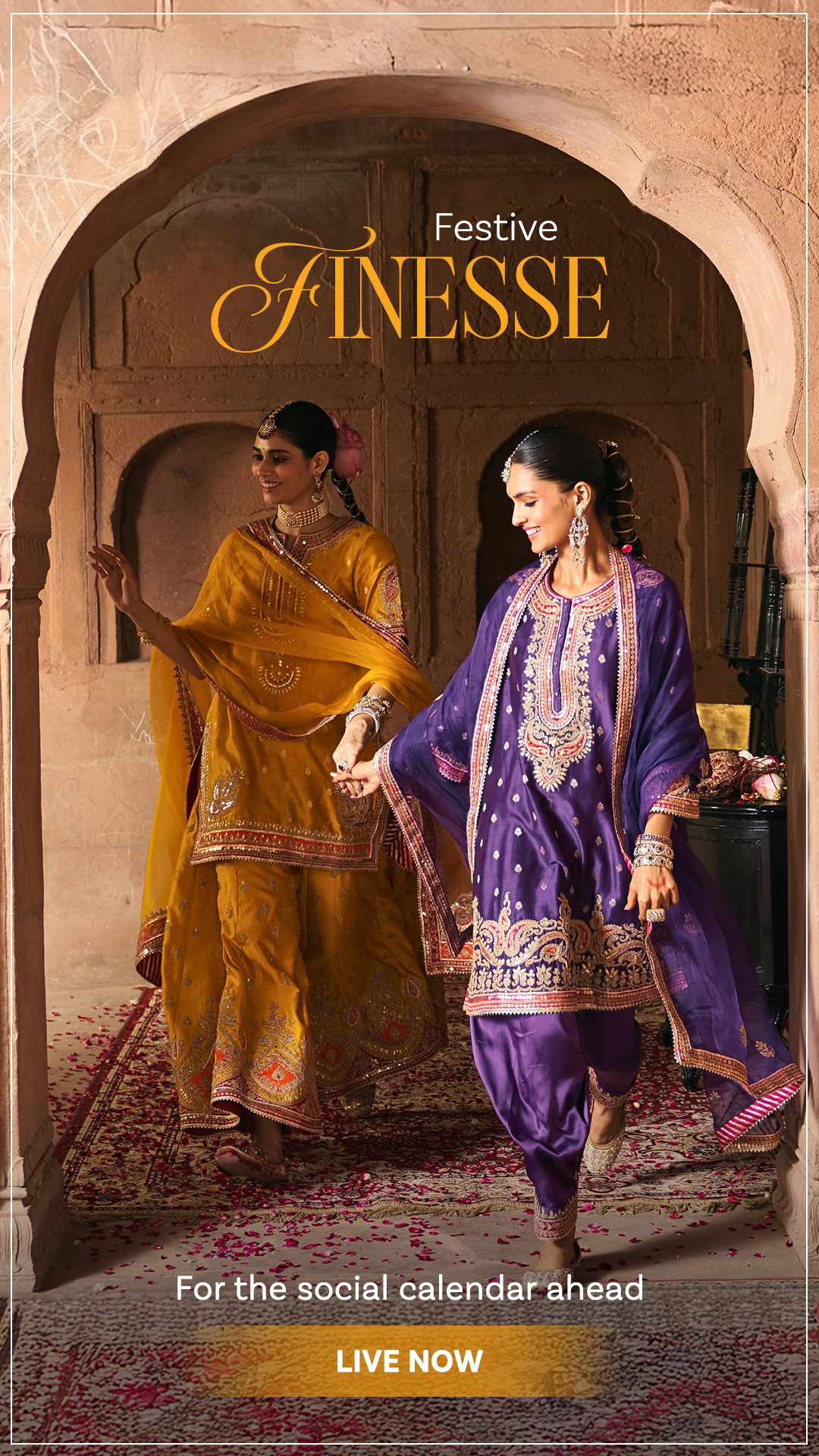
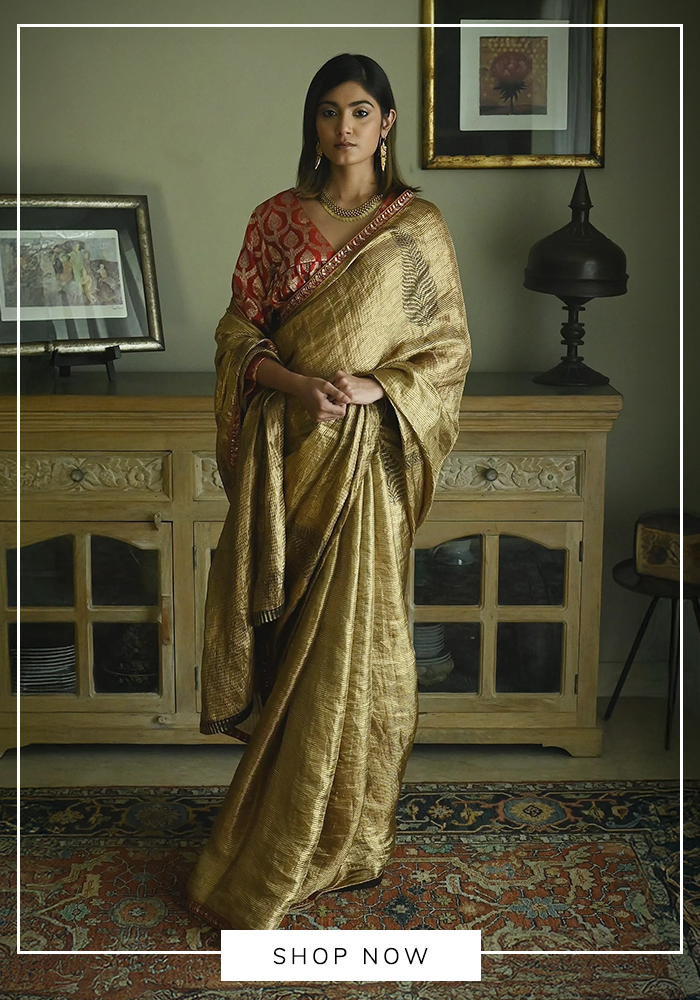
Vintage sarees: Hand-woven silk sarees passed down from mothers and grandmothers are being styled in fresh, modern ways. A vintage Kanjivaram or ikkat drape carries decades of artistry and family history in its weave.
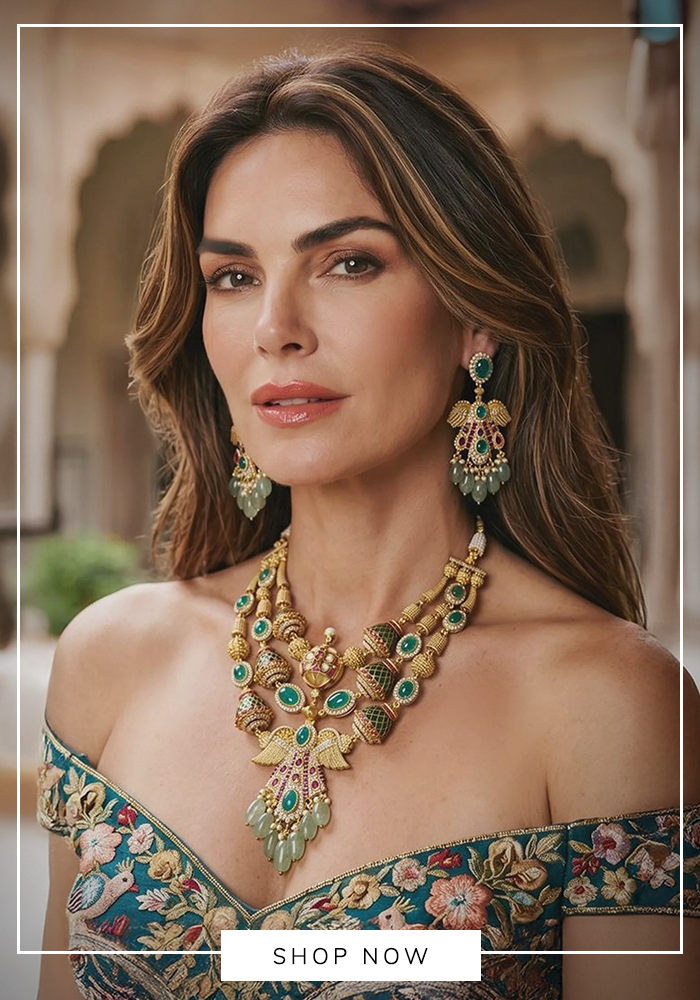
Heirloom jewellery: Antique gold, intricate filigree, and inherited statement pieces add weight and story to any look. This is heirloom fashion at its finest—personal, irreplaceable, and impossible to mass-produce.
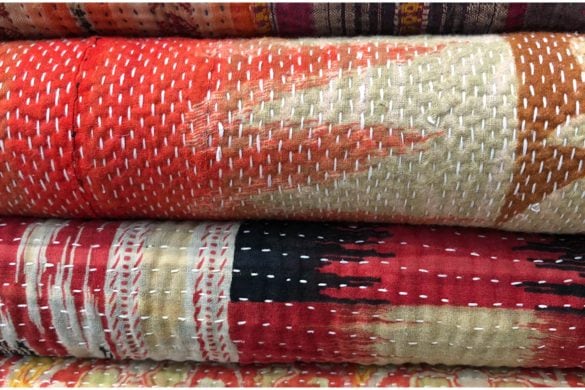
Classic embroidery techniques: Hand-embroidery, zardozi, and traditional needlework showcase craftsmanship that machines can't truly imitate. These details turn a garment into an heirloom.
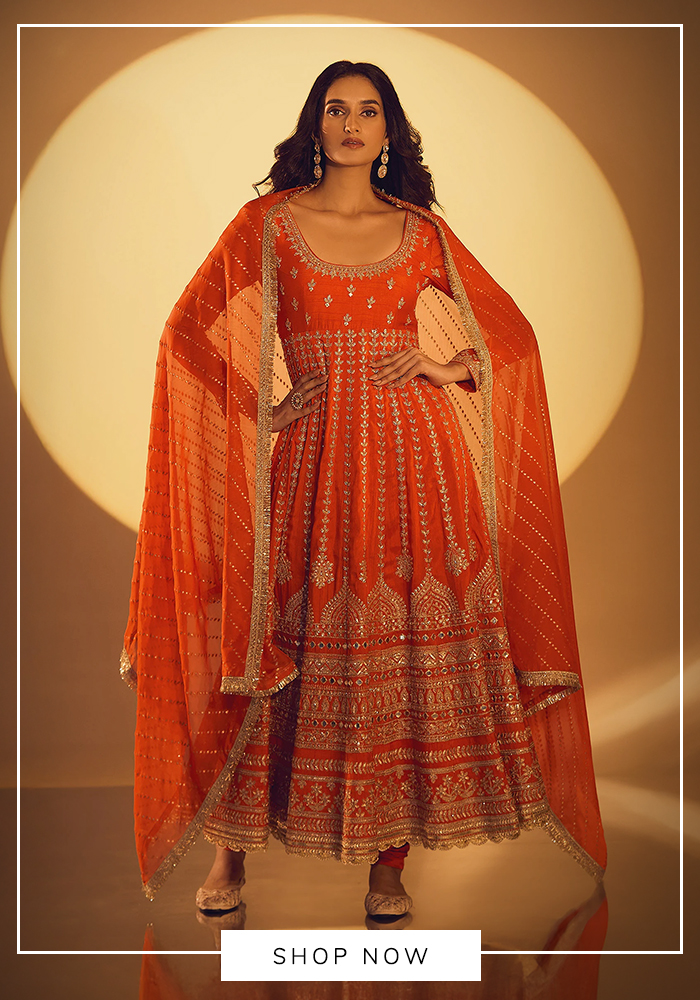
Each of these elements proves the same point: great design transcends its decade. Reach for any of them and you're tapping into nostalgic fashion that still feels entirely now.
How Have Social Media, Celebrities, and Gen Z Driven the Vintage Revival?
If vintage has a megaphone, it's social media. Platforms like TikTok and Instagram have turned thrifting into a spectator sport, with thrift hauls and styling videos racking up millions of views. Gen Z fashion trends are increasingly shaped by what surfaces on these feeds—and vintage is a constant star.
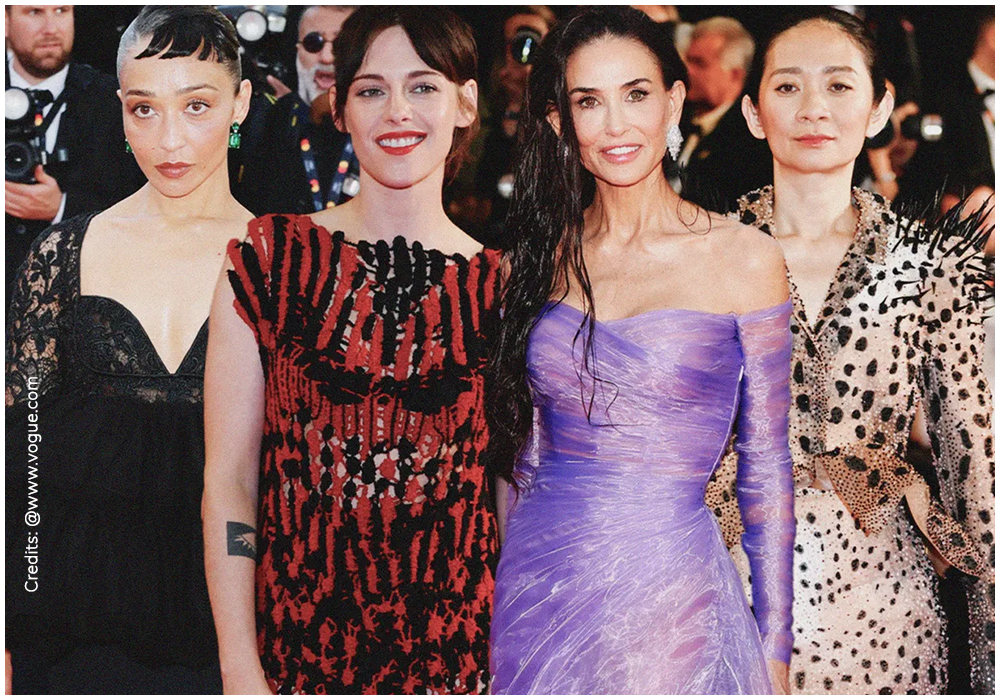
Celebrities have poured fuel on the fire. Vogue noted that stars like Zendaya and Bella Hadid leaned hard into archival fashion in 2024, pulling rare designer pieces from the vaults for red carpets and events. Zendaya wore a custom Maison Margiela gown by John Galliano at the Met Gala; Bella Hadid has championed archival Gucci and more. When a single archival look goes viral, it sends thousands of fans hunting for similar vintage style.
There's also a deeper emotional thread. For Gen Z, fashion nostalgia often means romanticizing eras they never lived through—the grunge '90s, the glam '70s, the bold '80s. Vintage becomes a way to connect with a past that feels more authentic, more crafted, more interesting than the algorithm-driven present. It's nostalgic fashion as identity.
Put it all together and you get a self-sustaining cycle. Designers reference the archives, celebrities wear vintage, social media amplifies it, and a new generation falls in love—keeping the vintage revival alive and growing.
Vintage Isn't a Phase—It's Proof Good Design Lasts
Vintage keeps coming back because it deserves to. Behind every slip dress, every heirloom saree, every structured blazer is a reminder that thoughtful design has staying power that trends alone can't match. Vintage fashion is less about looking backward and more about recognizing quality wherever it lives.
If you want to build a wardrobe with character, start small. Hunt for one well-made vintage piece, learn the story behind a family heirloom, or follow a few secondhand sellers whose taste you trust. Lean into timeless silhouettes and classic style over fleeting hype, and you'll end up with a closet that feels personal, sustainable, and genuinely yours.
Decade after decade, we keep falling for vintage for one simple reason: truly great design never goes out of style.