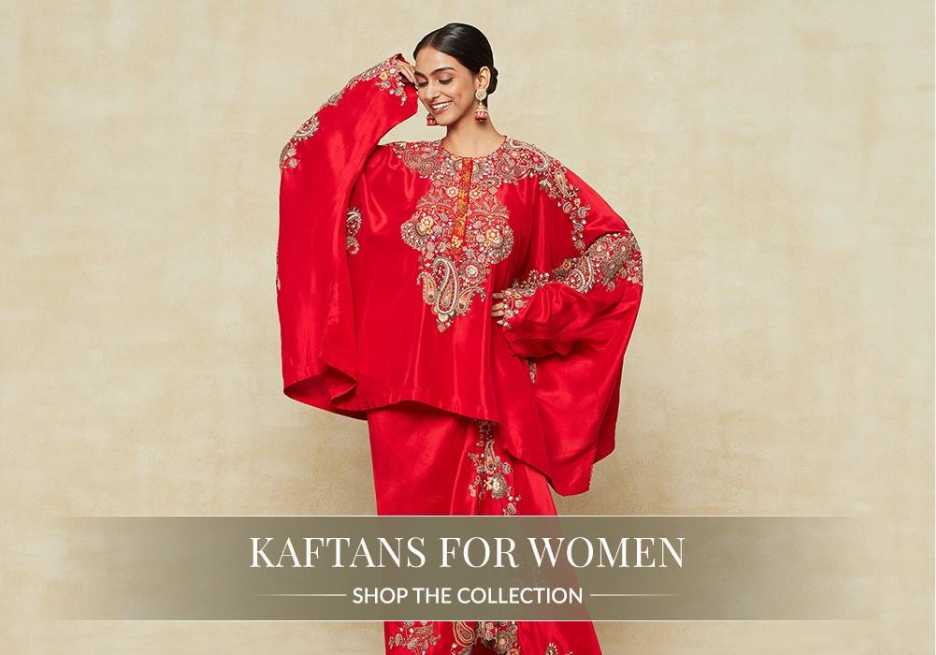
The kaftan is one of fashion's most enduring silhouettes: a loose, flowing garment that has moved effortlessly from ancient Mesopotamia to modern resort runways. Known for its airy fit, graceful drape, and universal flattery, the kaftan is as relevant today as it has ever been. Whether you're searching for a beach cover-up, a relaxed daywear piece, or an embellished evening look, this guide covers everything you need to know.
Quick Takeaways: The Kaftan
Feature | Detail |
Silhouette | Loose, flowing, unstructured |
Lengths | Knee-length (tunic) to floor-length |
Fabrics | Cotton, silk, georgette, viscose, linen |
Best For | Beach, resort, casual daywear, evenings |
Fit | Universally flattering |
The Origins and Global Variations of the Kaftan
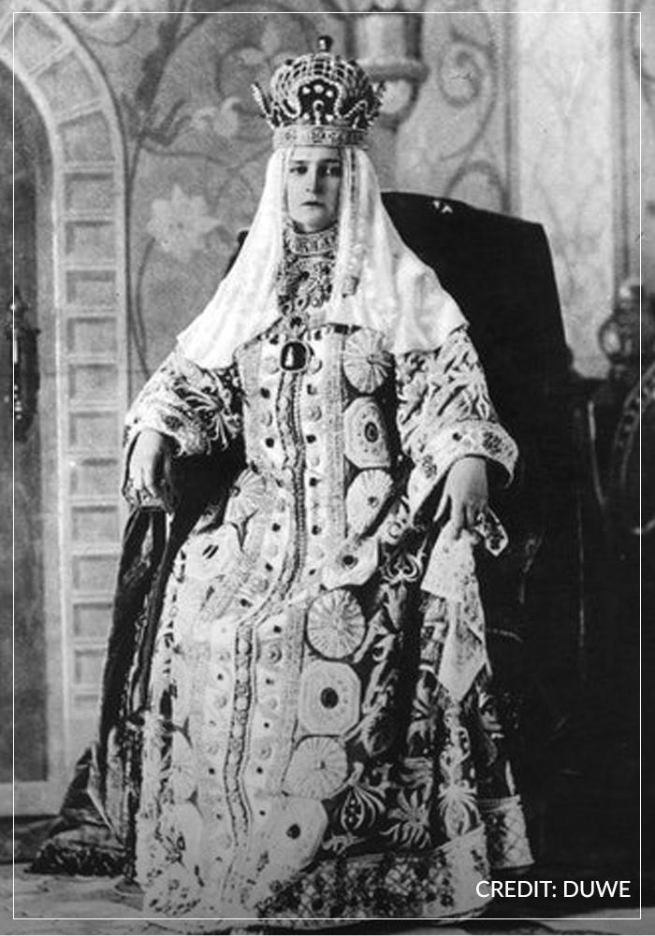
The kaftan, also spelled caftan, has a rich and ancient history, with roots in Mesopotamia. For centuries, it was a traditional garment worn by men and women across the Middle East, North Africa, and parts of Asia. Traditionally, it was a long, buttoned robe made from silk or cotton, often worn with a sash. Its loose fit made it ideal for hot climates.
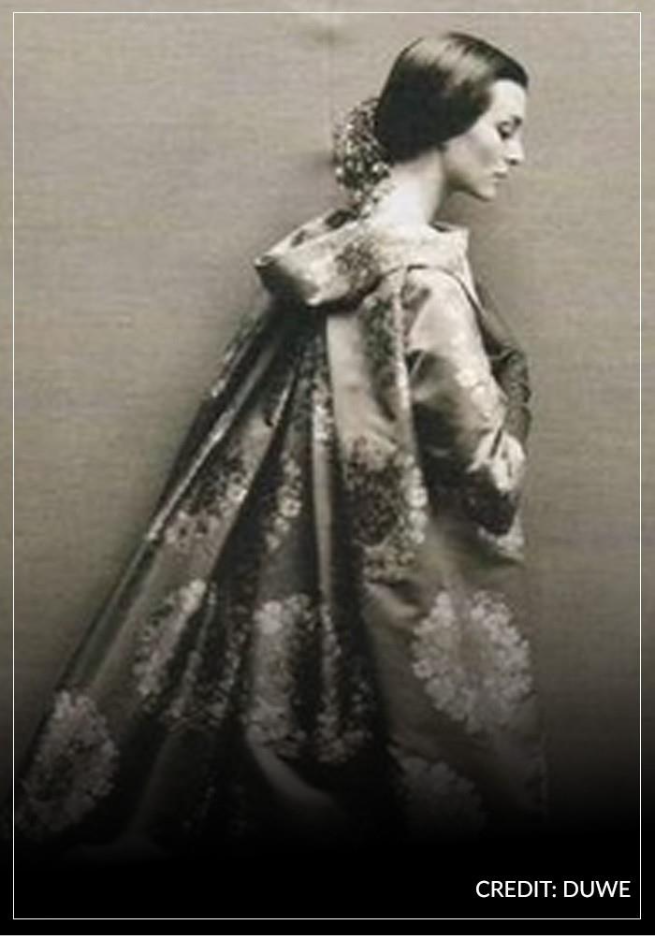
The kaftan was introduced to Western fashion in the mid-20th century. French couturiers like Christian Dior and Balenciaga introduced loose, elegant coats inspired by the garment. However, it truly entered the mainstream in the 1960s and 70s, embraced by the bohemian movement and style icons like Elizabeth Taylor. Today, it is celebrated globally as a symbol of relaxed glamour.
Key Characteristics of a Kaftan
Not every flowing dress is a kaftan. Here’s what defines the silhouette:
- Silhouette: Loose and unstructured, draping from the shoulders with no defined waist. This is what makes the kaftan universally flattering; it skims rather than clings.
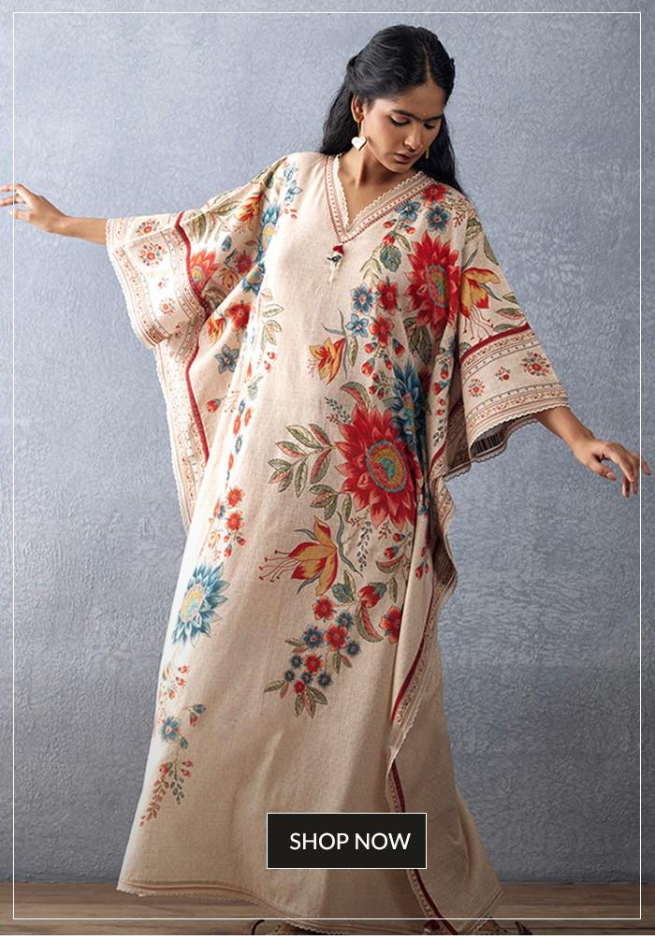
- Sleeves: Wide and flowing, ranging from short dolman-style to long billowy sleeves. The sleeve is one of the kaftan’s most distinctive features.
- Neckline: Varies from simple round or V-necks to keyhole openings and embellished yokes.
- Waist Definition: Many kaftans are worn loose; some come with a built-in sash, a separate belt, or an internal drawstring to create shape when desired.
- Embellishment: From plain cotton to heavily hand-embroidered or beaded silk, the kaftan spans the full spectrum from casual to couture.
Types of Kaftans
Understanding the different kaftan styles helps you choose the right one for every occasion.
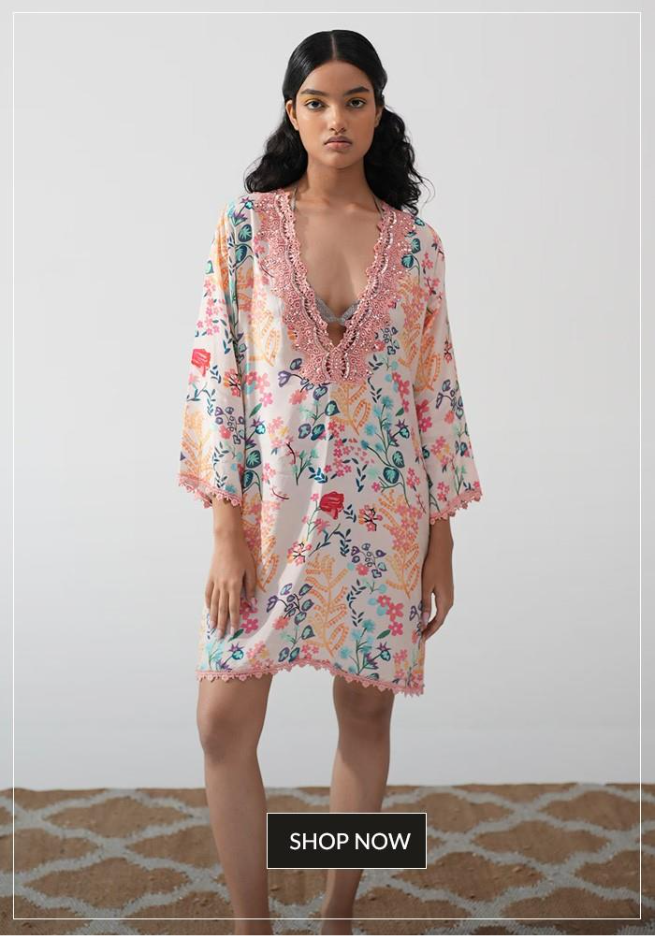
Tunic Kaftan: Shorter, ending at the hip or knee. Pairs well with trousers or worn standalone as a casual top. Great for petite frames.
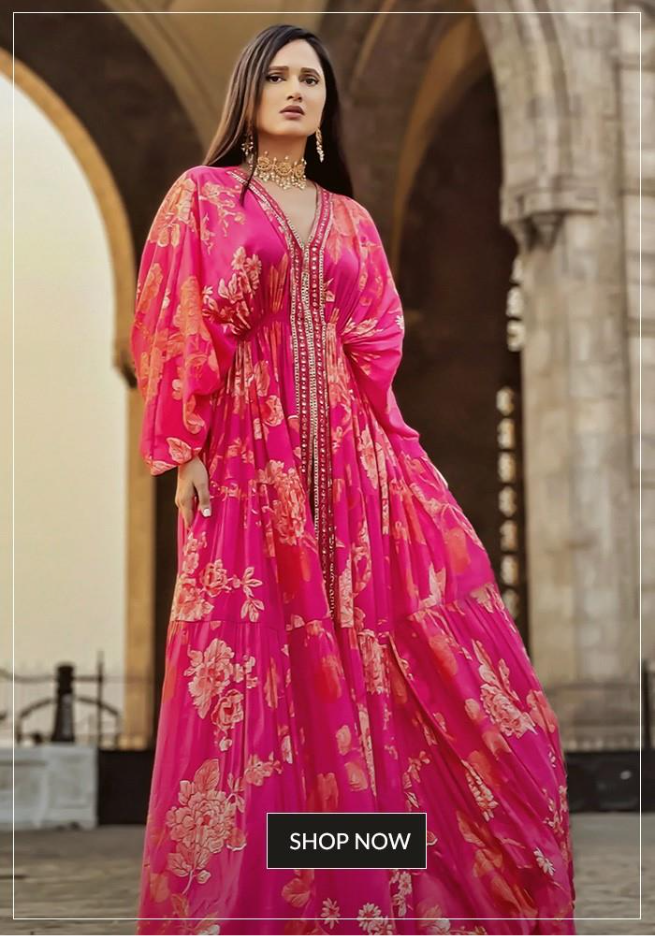
Maxi Kaftan Dress: Floor-length, often the most dramatic iteration. Ideal for evenings, resort dinners, or festive occasions.
Beach Kaftan (Cover-Up): Sheer or semi-sheer, worn over a swimsuit. Lightweight cotton or chiffon, often in bold prints.
Embellished / Designer Kaftan: Features hand embroidery, mirror work, or beading. A luxury category that works for semi-formal and festive events.
Kaftan Set: A paired kaftan top or dress with coordinating trousers or skirt, a popular silhouette in Indian occasion wear.
How to Choose the Right Kaftan by Body Type
- Petite frames: Choose a knee-length or tunic-length kaftan in a lighter fabric to avoid visual heaviness. A V-neckline helps elongate the frame. Avoid oversized prints.
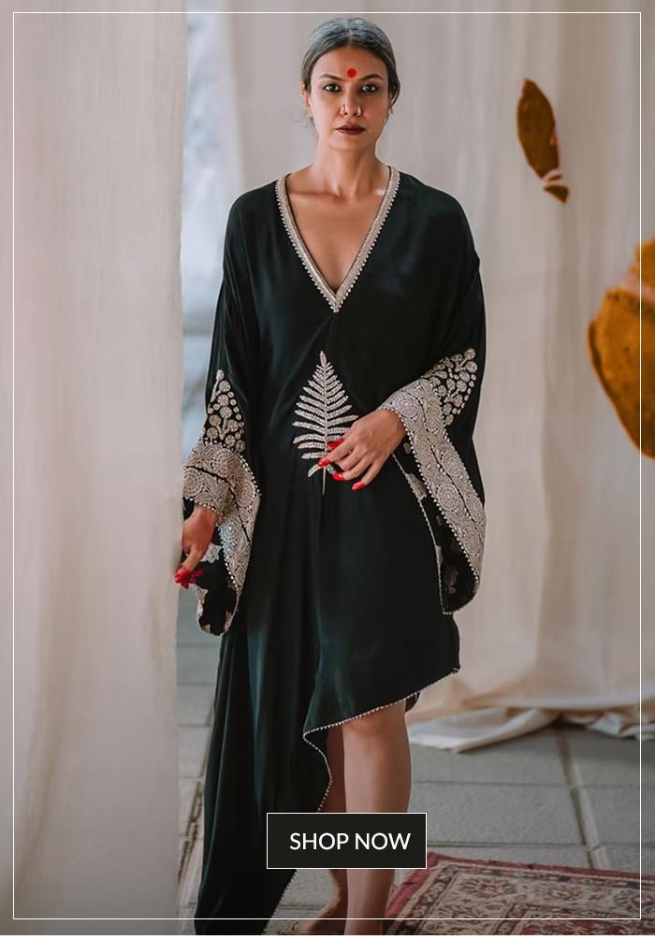
- Tall Frames: Tall individuals can carry off dramatic, floor-length kaftans and bold, large-scale prints with ease.

- Plus-Size and Curvy Frames: The flowy kaftan is a fantastic choice for curvy figures. The drape skims over the body beautifully. Look for styles in soft, fluid fabrics like viscose or silk that won't add bulk. A V-neck style is often very flattering.
By Event Formality
- For the Beach: A short, sheer, or semi-sheer cotton beach kaftan is the perfect cover-up to throw on over your swimsuit.
- For Daytime: A mid-length or long kaftan in an opaque fabric like linen or printed cotton makes a chic and comfortable outfit for running errands or having lunch with friends.
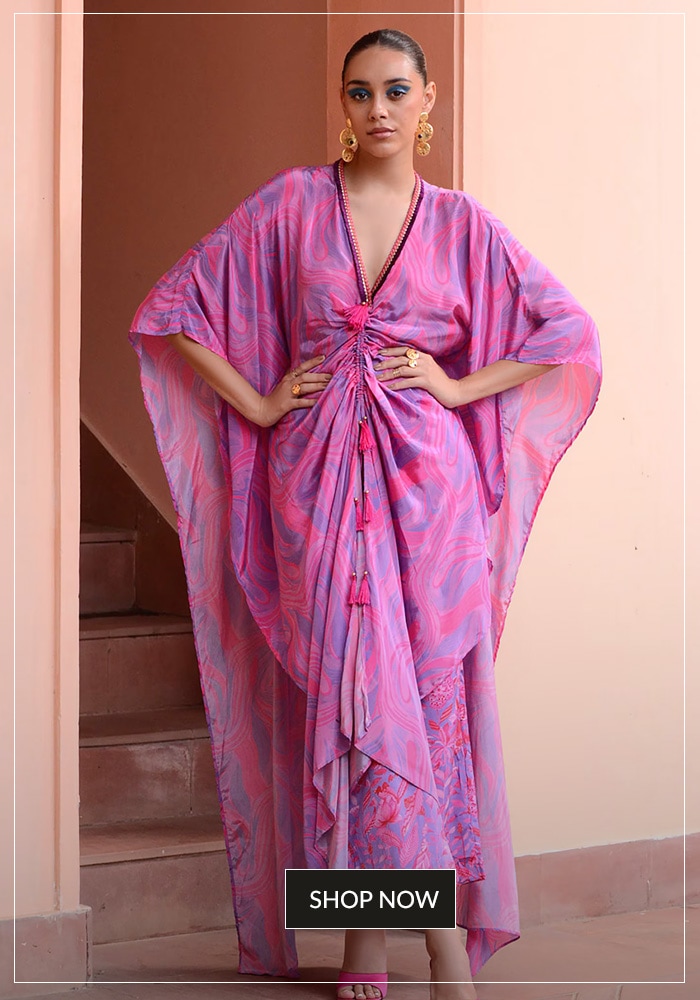
- For Evening: A luxury resort kaftan made from silk, satin, or embellished georgette can be a stunning choice for a nice dinner or a semi-formal event. Look for styles with intricate beading or elegant prints.
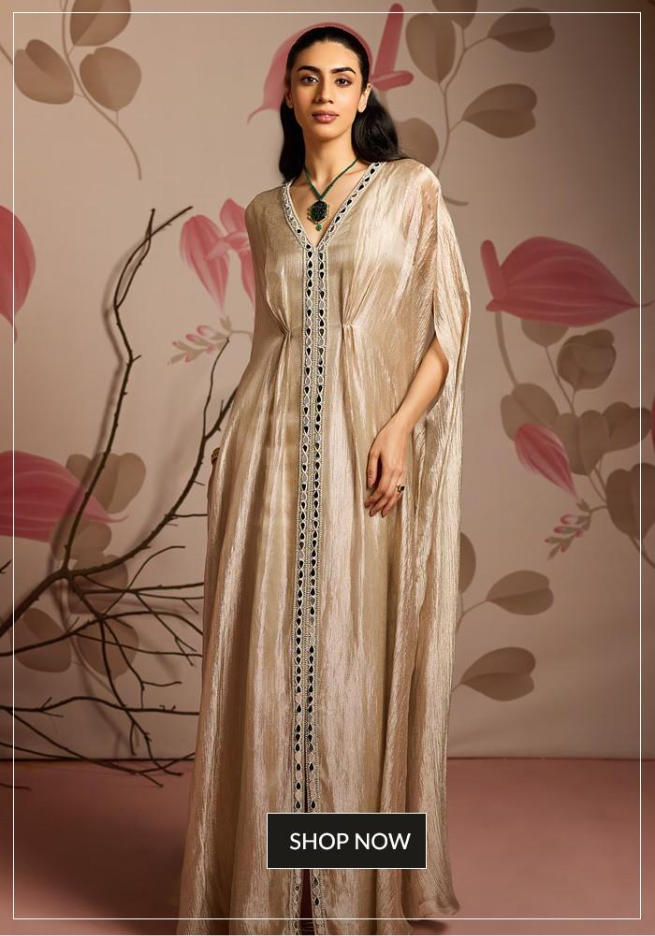
Summer Kaftans: Effortlessly Chic for the Season
Summer and the kaftan are a natural pairing. Few garments manage the balance quite the way a kaftan does: lightweight enough to wear through relentless heat, yet considered enough to always read as intentionally dressed. No structure, no effort, and yet never underdressed.
In the warmer months, the kaftan becomes less of a choice and more of an instinct. Wide sleeves allow air to circulate freely. The loose body never traps heat against the skin. And the length, whether knee or floor, offers coverage without weight. On the hottest days, a well-chosen summer kaftan in the right fabric will outlast anything fitted in your wardrobe.
Fabric is everything in summer. Cotton kaftans in single-layer weaves breathe beautifully and soften with every wash. Linen brings a relaxed, slightly textured quality that drapes even better as the day goes on. Georgette and chiffon are the evening picks: weightless, faintly sheer, and flattering in movement. Viscose sits between the two, offering a silkier hand at a more accessible price point.
Print plays a significant role in summer kaftan dressing too. Bold florals, abstract brushstroke prints, and tropical patterns all feel native to the silhouette. For those who prefer restraint, a kaftan in an unbroken colour, ivory, terracotta, sage, or cobalt, carries just as much presence. The cut does the work.
In India, the summer kaftan holds particular relevance. Pre-monsoon heat calls for breathable silhouettes, and the kaftan answers without compromise. It works for a daytime gathering, a casual afternoon, a rooftop dinner, or a weekend escape. That ease is the point, and it is exactly what has kept the kaftan relevant across decades and wardrobes.
How to Style a Kaftan: Occasion by Occasion
From the beach to a fancy dinner, a kaftan can be styled in numerous ways.
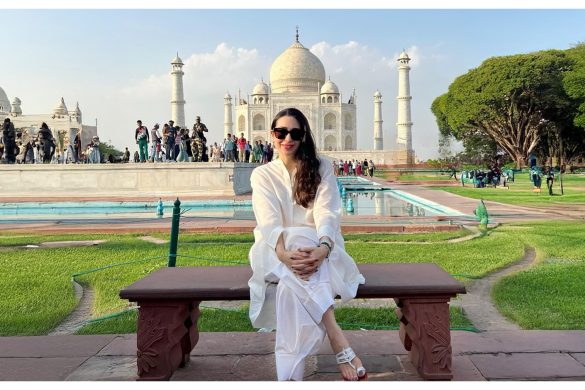
- Beach and Resort Wear: This is the kaftan’s natural habitat. For a classic resort kaftan look, pair a colorful printed kaftan with flat leather sandals, a woven tote bag, and oversized sunglasses. No other accessories are needed.
- Casual Daywear: To wear a kaftan in the city, choose an opaque style and add a belt to give it more structure. Pair it with wedge sandals or espadrilles. If your kaftan is shorter, you can even wear it over slim-fitting white jeans or trousers.
- Evening Glamour: Choose a floor-length kaftan in a luxurious fabric. Cinch the waist with a metallic belt, add a pair of heeled sandals, statement earrings, and a sleek clutch bag. The result is an effortlessly glamorous look that is both comfortable and chic. You can find beautiful examples of elevated evening kaftans in designer collections, such as the diverse range of kaftans at Aza Fashions.
Care and Maintenance by Fabric
Proper care will keep your kaftans looking beautiful season after season.
- Cotton and Linen: These can typically be machine-washed on a gentle cycle with cold water. It's best to hang them to dry to prevent shrinking and excessive wrinkling.
- Viscose and Rayon: These fabrics are weaker when wet, so hand-washing in cold water with a mild detergent is the safest method. Do not wring or twist. Roll in a towel to absorb excess water and lay flat or hang to dry.
- Silk, Georgette, and Embellished Kaftans: These delicate items should almost always be dry-cleaned. A professional cleaner will know how to handle the fabric and any beading or embroidery to prevent damage.
Frequently Asked Questions (FAQ)
1. What is the difference between a kaftan dress vs a tunic?
A tunic is a simple pullover garment that typically ends somewhere between the hip and the knee. A kaftan is generally longer (often ankle-length), has much wider, more voluminous sleeves, and a looser, more flowing overall silhouette.
2. Can anyone wear a kaftan?
Absolutely. The kaftan is considered a universally flattering garment. Its loose, unstructured fit drapes beautifully over every body shape and size, making it a comfortable and stylish choice for everyone.
3. Are kaftans only for vacation?
Not at all. While they are a staple of resort wear, kaftans made from high-quality, opaque fabrics are perfectly appropriate for city life. They can be styled for casual daywear, work-from-home comfort, or even elegant evening events.
4. What do you wear under a kaftan?
It depends on the sheerness of the kaftan. For a sheer beach kaftan, a swimsuit is all you need. For a semi-sheer or slightly transparent style, a simple slip dress or a neutral-colored camisole and leggings can be worn underneath. Opaque kaftans require nothing underneath.
5. How do you keep a kaftan from looking like a tent?
If you're worried about looking shapeless, the easiest trick is to add a belt. Cinching a belt or sash at your natural waist instantly creates an hourglass silhouette and gives the garment more structure.
Best Fabrics for Kaftans
Fabric | Best For | Care |
Cotton | Beach, casual daywear | Machine wash cold, hang dry |
Linen | Daywear, warm weather | Machine wash gentle or hand wash |
Viscose / Rayon | Everyday wear, good drape | Hand wash cold, do not wring |
Silk | Evening, occasion wear | Dry clean only |
Georgette | Evening, embellished styles | Dry clean only |
Shop Designer Kaftans at Aza Fashions
From breezy printed beach kaftans to heavily embellished floor-length styles, Aza Fashions carries a curated edit of designer kaftans for women across lengths, fabrics, and occasions. Shop the full kaftan collection at azafashions.com/collection/women/kaftans.
Read Also:
Kaftans Redefined: Aza Fashions Exclusive Guide to the Latest Trends