Have you ever looked at a beautiful fabric covered in thousands of tiny, colorful dots and wondered how artisans created it? This mesmerizing pattern is the result of Bandhej, a spectacular tie-dye craft hailing from the vibrant state of Rajasthan. For centuries, this traditional art form has colored the wardrobes of Indian royalty and commoners alike.
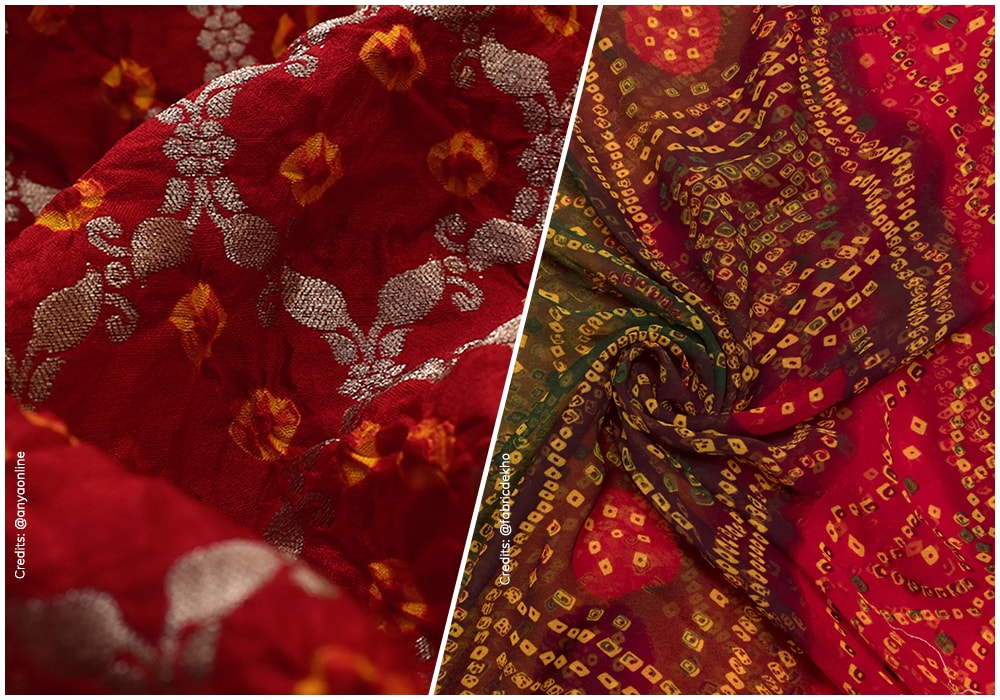
While artisans originally crafted these textiles for local communities, Bandhej has now captured the attention of the global fashion stage. Top designers regularly reimagine these dotted motifs into stunning contemporary outfits. In this guide, we will explore the cultural roots of Bandhej, uncover the meticulous process behind its creation, and show you how Aza Fashions brings this heritage craft into your modern wardrobe.
What is Bandhej? The Pride of Rajasthan
The term 'Bandhej' (often called Bandhani) comes from the Sanskrit word 'Banda', which simply means 'to tie'. This ancient textile art involves tightly tying sections of fabric with thread before dipping the entire cloth into a dye bath. The tied portions resist the dye, leaving behind brilliant, contrasting dots that form intricate geometric patterns, floral motifs, or dancing figures.
Historians trace the origins of Bandhej back to the Indus Valley Civilization, making it one of the oldest known methods of decorating textiles. Over the centuries, the Khatri community of Rajasthan and Gujarat perfected this craft, passing down their closely guarded techniques from one generation to the next. When you wear a piece of Bandhej, you carry a piece of history that has survived and thrived for thousands of years.
The Cultural Significance of Colors and Patterns
In Rajasthan, Bandhej is much more than just a beautiful fabric. The colors and patterns hold deep cultural meanings and signify various stages of life, seasons, and social status. Local communities consider the fabric highly auspicious, making it a mandatory element in religious ceremonies, festivals, and weddings.
Different colors communicate different messages within the traditional Rajasthani culture:
Red: Symbolizes marriage, love, and good fortune. Brides frequently wear red Bandhej dupattas or lehengas on their wedding day.
Yellow: Represents joy, spring, and new beginnings. Mothers traditionally wear yellow Bandhej after the birth of a child.
Green: Signifies fertility, prosperity, and the harvest season.
Black and Maroon: Often worn to indicate mourning, though modern fashion uses these colors purely for their striking aesthetic appeal.
The patterns also tell a story. A single dot is called an 'Ekdali', four dots form a 'Chaubandi', and seven dots create a 'Satbandi'. Artisans combine these basic units to design elaborate patterns like the 'Shikari' (hunting scenes) or the 'Bavan Baug' (fifty-two gardens).
How is Bandhej Made? An Intricate Process
Creating authentic Bandhej requires immense patience, skill, and an eye for detail. A single piece of fabric can feature millions of tiny knots, taking skilled artisans weeks or even months to complete. The process involves several distinct stages.
Preparing the Canvas
The journey begins with selecting the right fabric. Artisans traditionally used finely woven cotton or muslin, but today, they also use silk, georgette, and chiffon. First, they wash the unbleached fabric thoroughly to remove any impurities. Once dry, they fold the fabric multiple times. A designer then stamps or stencils the intricate pattern onto the top layer using a temporary, water-soluble color.
Tying the Knots
This is the most labor-intensive part of the craft, mostly performed by the women of the artisan families. Wearing a special metal ring with a small point on their finger, they pinch the fabric along the stenciled lines. They quickly and tightly wrap a strong cotton thread around the pinched fabric, creating a tiny knot. The tightness of the knot is crucial, as it dictates how well the fabric will resist the dye.
The Dyeing Process
Once the artisans tie all the dots, the dyeing begins. This process moves from the lightest color to the darkest. For example, if a design features yellow, red, and black dots, the artisan will first dye the entire fabric yellow. After it dries, they tie new knots over the areas they want to keep yellow, and then dip the fabric into the red dye. They repeat this cycle of tying and dyeing until they apply all the desired colors.
Revealing the Masterpiece
After the final dye bath, the artisans wash the fabric to remove excess color and leave it to dry in the sun. The true magic happens during the untying phase. They gently pull the fabric apart, popping the knots open to reveal the brilliant, un-dyed dots against the vibrant background. The crinkled texture left by the tight knots is a hallmark of authentic, handmade Bandhej.
The Evolution of Bandhej in Modern Fashion
Fashion always finds a way to blend the old with the new. While traditional Bandhej sarees, safas (turbans), and odhnis (veils) remain wildly popular, modern designers continually find fresh ways to interpret this ancient craft.
Designers have liberated the classic tie-dye dots from their traditional borders. Today, you can find Bandhej patterns adorning structured jackets, flowy maxi dresses, chic co-ord sets, and even swimwear. The craft has moved beyond festive wear and entered the realm of everyday luxury. Contemporary creators often mix Bandhej with other Indian crafts like mirror work, Zari embroidery, or block printing, creating complex, multi-layered textiles that appeal to modern sensibilities.
By pairing traditional dyeing techniques with western silhouettes, designers have introduced Bandhej to a younger, global audience. You no longer need to attend an Indian wedding to wear this stunning craft; a Bandhej crop top pairs perfectly with your favorite denim for a casual weekend brunch.
Discover Bandhej at Aza Fashions
At Aza Fashions, we celebrate the rich legacy of Indian textiles while bringing you the best in contemporary luxury wear. We understand that modern shoppers want outfits that honor their roots but fit seamlessly into their current lifestyles.
Our curated collections feature India's leading designers who masterfully incorporate Bandhej into their creations. Whether you are looking for a heavy, traditional Bandhani lehenga for an upcoming wedding or a breezy, printed kaftan for your next tropical vacation, Aza Fashions offers a diverse range of options. We partner with designers who respect the authenticity of the craft, ensuring that the pieces you buy support the artisan communities that keep this heritage alive.
By offering Bandhej in modern cuts, premium fabrics, and unique color palettes, Aza Fashions ensures that this beautiful Rajasthani art form remains accessible, relevant, and exciting for today's fashion-forward individuals.
How to Style Bandhej for Any Occasion
Adding Bandhej to your wardrobe instantly injects a dose of color and culture into your look. Here are a few practical ways to style these vibrant pieces for different events.
For Grand Weddings and Festivities
When attending a wedding, you cannot go wrong with a classic Bandhej silk saree or a voluminous lehenga. Look for pieces embellished with subtle Gota Patti or Kundan work to elevate the outfit. Pair your ensemble with traditional Kundan jewelry and a sleek bun decorated with fresh flowers. Let the vibrant colors of the fabric take center stage by keeping your makeup soft and elegant.
For Pre-Wedding Events and Parties
Events like Mehendi or Haldi ceremonies call for fun, fuss-free outfits. A Bandhej sharara set or an asymmetrical Anarkali offers the perfect blend of tradition and comfort. Choose bright, unconventional colors like neon green, electric blue, or vivid magenta. You can also drape a brightly colored Bandhej dupatta over a solid-colored kurta to instantly upgrade a simple outfit.
For Casual and Everyday Wear
You can easily incorporate Bandhej into your daily rotation. Swap your basic summer dresses for a breezy Bandhej maxi dress or a stylish co-ord set. Pair a Bandhej tunic with wide-leg trousers or jeans for a comfortable office look. Complete the outfit with silver oxidized jewelry and comfortable Kolhapuri sandals for a chic, bohemian vibe.
Keep the Tradition Alive
Bandhej is a testament to the remarkable skill, patience, and creativity of Indian artisans. By understanding the history and effort woven into every dotted pattern, we can truly appreciate the value of this timeless craft.
Ready to add a splash of Rajasthan's vibrant culture to your closet? Browse the exclusive designer Bandhej collections at Aza Fashions today and discover the perfect blend of traditional artistry and modern style.