Ever wondered why a cashmere shawl feels so incredibly soft and costs more than regular wool? This luxurious fabric is often called the “luxury wool of winters,” and for good reason. It represents a blend of unparalleled comfort, timeless elegance, and exceptional warmth. This guide will explore everything you need to know about cashmere, from its origins in the Himalayas to how you can care for this remarkable material.
What Is Cashmere Fabric?
Cashmere is a natural fiber derived from the soft, downy undercoat of specific breeds of goats, most notably the Cashmere goat native to the Himalayan region. Unlike sheep's wool, which comes from the outer fleece, cashmere is the finer, insulating layer that keeps the goats warm during harsh winters. This is why it’s known for its incredible softness, lightweight feel, and superior warmth.

What makes it so premium? The fibers are significantly finer and smoother than sheep's wool, resulting in a fabric that feels gentle and luxurious against the skin. Its rarity and the labor-intensive process of collecting and spinning these delicate fibers contribute to its status as a high-end material.
Where Does Cashmere Come From?
The story of cashmere begins in the high-altitude plateaus of Asia. The primary regions for cashmere production are Mongolia, China, India (specifically the Kashmir region), and Nepal. The harsh, cold climates of these areas cause the goats to grow their exceptionally soft and warm undercoat.
The craft of weaving cashmere has a rich history, particularly in the Kashmir Valley of India, where it has been perfected over centuries. Artisans there developed intricate weaving techniques to create the world-renowned shawls that became a symbol of royalty and aristocracy. While traditional, hand-crafted methods still produce the highest quality cashmere, modern production has introduced machinery to meet global demand, though the initial fiber collection remains a manual process.
How Cashmere Is Made
The journey from a goat's undercoat to a finished garment is meticulous and time-consuming, which explains its high price tag. The process can be broken down into four simple steps:
- Collecting the Fibers: Each spring, as the weather warms, the goats naturally shed their winter undercoat. Herders gently comb the goats to collect these fine fibers. A single goat produces only a small amount of usable cashmere each year around 150 grams.
- Cleaning and Separating: Once collected, the raw fleece is cleaned to remove dirt, grease, and coarse outer guard hairs. The fine undercoat fibers are carefully separated from the thicker hairs. This sorting process is crucial for ensuring the final product's softness.
- Spinning into Yarn: The sorted, clean fibers are then spun into delicate threads. This requires great skill, as the fibers are short and fine. The resulting yarn is what will be used for weaving or knitting.
- Weaving or Knitting: Finally, the yarn is woven or knitted into fabrics to create the final products we love, such as shawls, sweaters, scarves, and blankets.

Why Is Cashmere So Soft?
The secret to cashmere's legendary softness lies in its physical properties. The fibers are ultra-fine, with a diameter often less than 18 microns. For comparison, a human hair is about 50-70 microns thick. This fineness, combined with the fiber's natural crimp, creates a lofty, lightweight fabric that feels silky smooth.
This unique structure also gives cashmere a high warmth-to-weight ratio. It can be up to eight times warmer than sheep's wool while being significantly lighter. Furthermore, it is naturally hypoallergenic, making it a great choice for those with sensitive skin. The fabric is breathable, allowing moisture to escape, yet it retains heat effectively, keeping you comfortable without causing overheating.
Types of Cashmere Fabric
Not all cashmere is created equal. The quality and type can vary based on fiber grade, origin, and whether it’s blended with other materials.
- Pure Cashmere: This is made from 100% cashmere fibers and offers the highest level of softness and warmth.
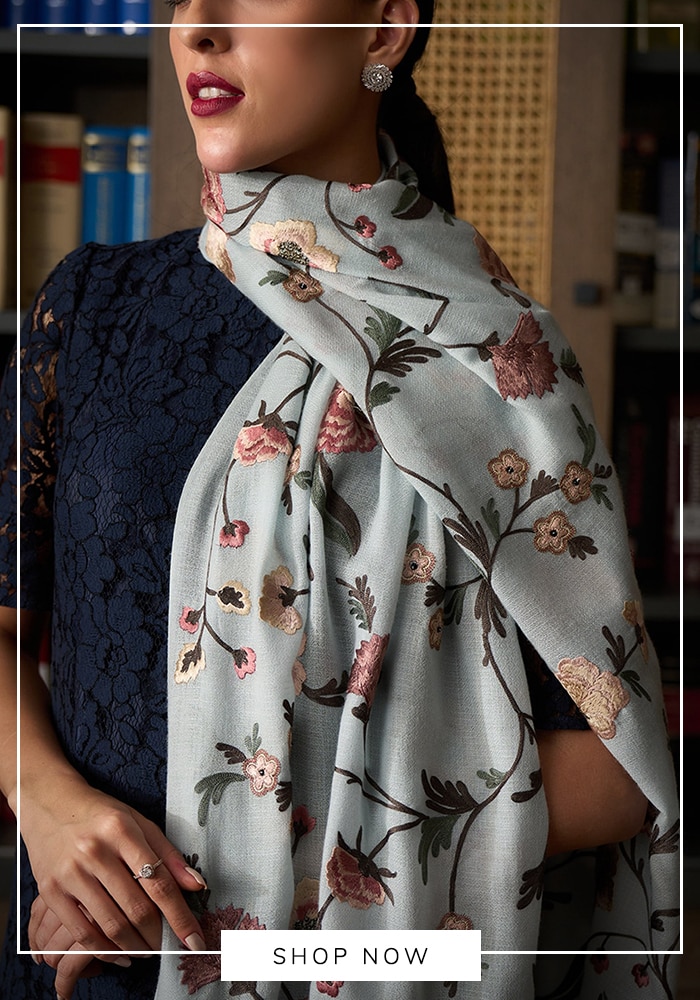
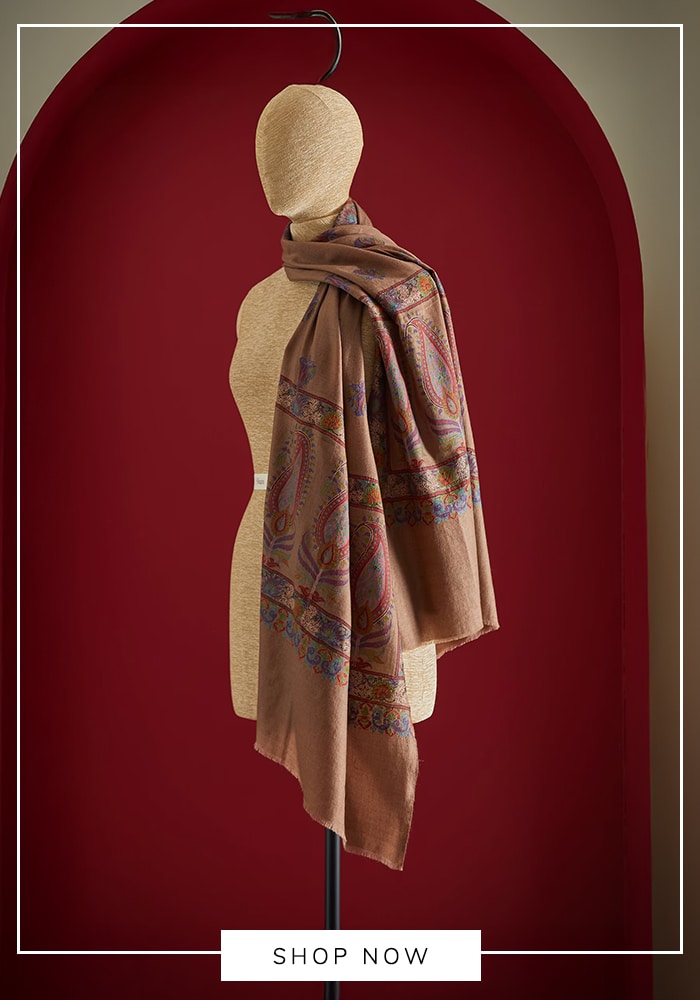
- Pashmina: Traditionally, pashmina refers to the finest grade of cashmere sourced from the Changthangi goats in the Himalayas. It is often hand-spun and hand-woven into luxurious shawls.
- Cashmere Blends: To make it more affordable or add different properties like durability or sheen, cashmere is sometimes blended with other fibers like silk, wool, modal, or cotton.
- Grades A, B, and C: Cashmere is graded based on the thickness and length of its fibers. Grade A is the highest quality, with the longest and thinnest fibers (around 14 microns), making it the softest and most durable. Grade C is lower quality, with thicker fibers that are more prone to pilling.
Cashmere vs. Wool: What’s the Difference?
While both are natural winter fibers, cashmere and wool have distinct differences.
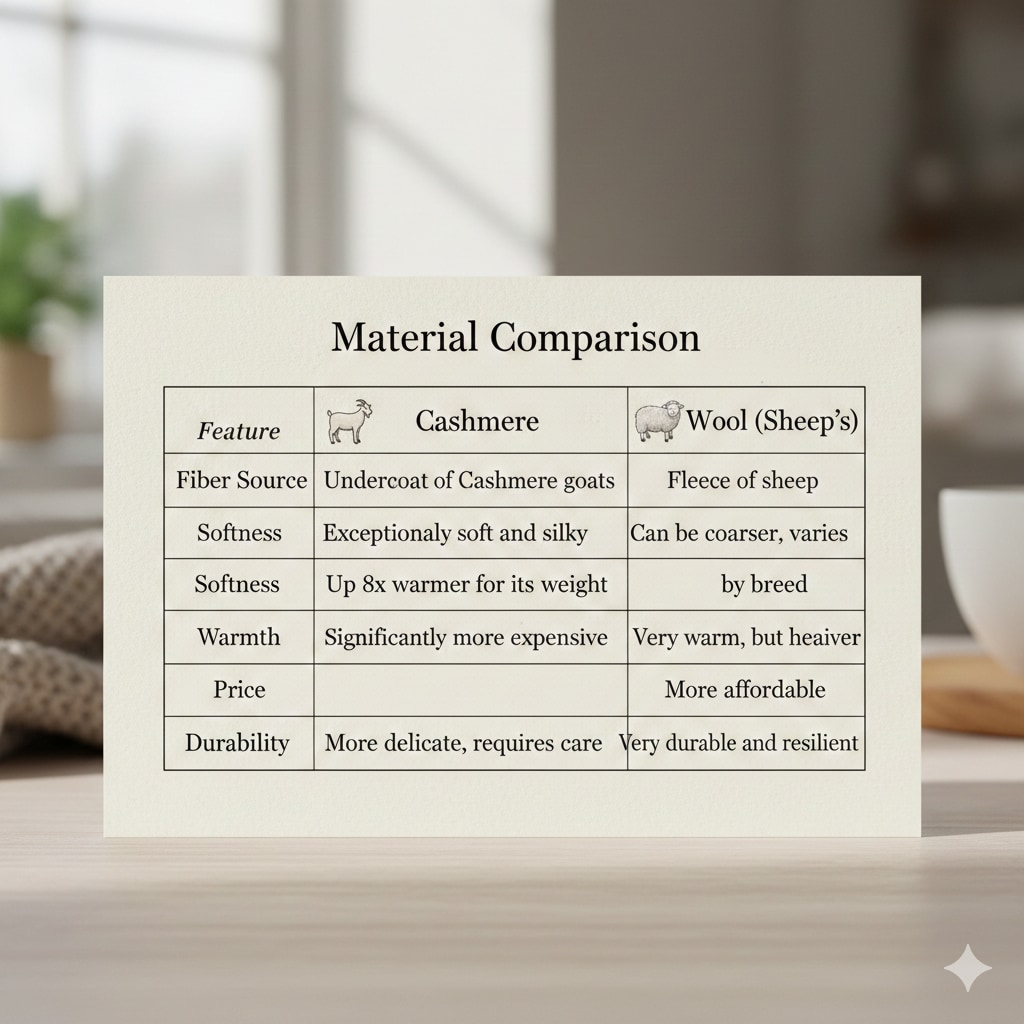
For extreme cold, both are excellent choices. However, cashmere provides superior warmth with less bulk, making it ideal for layering without feeling heavy.
Benefits of Cashmere Fabric
Beyond its luxurious feel, cashmere offers several practical advantages.
- Ultra-Soft and Luxurious: It provides unmatched comfort against the skin.
- Lightweight yet Warm: Perfect for staying warm without heavy layers.
- Breathable and Comfortable: Regulates body temperature by allowing air to circulate.
- Long-Lasting: With proper care, a high-quality cashmere garment can last for decades.
- Natural and Biodegradable: As a natural fiber, it is an environmentally friendly choice.
- Odor-Resistant: Its natural properties help it resist absorbing odors.
What Can You Make From Cashmere?
Cashmere's versatility makes it suitable for a wide range of fashion and home goods. Popular items include:
- Cashmere shawls and stoles
- Sweaters and cardigans
- Coats and jackets
- Ponchos and capes
- Scarves, gloves, and hats
- Socks and loungewear
- Blankets and throws
How to Identify Real Cashmere
With so many fakes on the market, knowing how to spot genuine cashmere is essential.
- Feel Test: Real cashmere is soft but shouldn't feel overly slippery or synthetic. It has a rich, slightly matte texture.
- Check the Label: Look for "100% Cashmere" or "Pure Pashmina." Blends should clearly state the percentages.
- Pilling Pattern: Low-quality or fake cashmere will pill excessively after just a few wears. High-quality cashmere may pill slightly at first in friction areas, but these can be easily removed.
- Price: If the price seems too good to be true, it probably is. The rarity and production process make genuine cashmere expensive.
- Certifications: Look for official marks like the "Cashmere Mark" which certifies the authenticity and quality of the fiber.
Cashmere Care & Maintenance Tips
To preserve your investment, proper care is crucial.
- Washing: Hand wash in cold water using a mild detergent or baby shampoo. Gently squeeze the suds through the fabric without twisting or wringing.
- Drying: Lay the garment flat on a clean towel, roll it up to absorb excess water, then unroll and lay it flat on another dry towel or a mesh rack to air dry away from direct sunlight or heat.
- Storage: Store clean cashmere folded in a drawer or on a shelf. Avoid hanging, as it can stretch the fabric. Use cedar blocks or lavender sachets to prevent moth damage.
- Pilling: Use a cashmere comb or fabric shaver to gently remove any pills that form.
Why Is Cashmere So Expensive?
Several factors contribute to the high cost of cashmere:
- Limited Availability: A single goat produces a very small amount of usable fiber annually. It takes the fleece of about four goats to make one sweater.
- Labor-Intensive Production: The combing, sorting, and spinning processes are done by hand and require immense skill and time.
- High-Quality Standards: The finest cashmere comes from goats living in specific climates, and maintaining these standards is costly.
- Longevity: A genuine cashmere piece is an investment that will last for years, justifying its initial cost.
Common Myths About Cashmere
Let's debunk a few common misconceptions about this luxurious fabric.
- Myth 1: “Cashmere is delicate and tears easily.” While it feels delicate, high-quality cashmere is quite durable when cared for properly.
- Myth 2: “Cashmere is only for cold countries.” Its breathability and lightweight nature make it suitable for cool evenings in warmer climates as well.
- Myth 3: “Pashmina and cashmere are the same.” All pashmina is cashmere, but not all cashmere is pashmina. Pashmina is the highest grade of cashmere.
- Myth 4: “All cashmere in the market is real.” Unfortunately, many products are mislabeled. Always buy from reputable sources.
An Investment in Comfort and Style
Cashmere is more than just a fabric; it’s an experience. It offers an unmatched combination of luxury, comfort, and warmth that makes it a worthwhile addition to any wardrobe. By understanding its origins, quality markers, and proper care techniques, you can ensure that your investment in genuine cashmere brings you joy for years to come.
Frequently Asked Questions (FAQ)
1. What makes cashmere different from wool?
Cashmere comes from the soft undercoat of goats and has much finer fibers than sheep's wool, making it softer, lighter, and warmer for its weight.
2. Is cashmere warm enough for extreme cold?
Yes, cashmere is an excellent insulator and provides significant warmth without bulk, making it perfect for layering in extremely cold conditions.
3. Why is pure cashmere so expensive?
Its high cost is due to the limited amount of fiber produced per goat, the labor-intensive collection and production process, and the high demand for its superior quality.
4. Is pashmina the same as cashmere?
Pashmina is a type of cashmere specifically, the finest grade sourced from Himalayan Changthangi goats. While all pashmina is cashmere, the term is often used to describe high-quality shawls made from this fiber.
5. How do I know if cashmere is real?
Check for 100% cashmere on the label, perform a feel test for its unique softness, be wary of unusually low prices, and purchase from trusted brands.