In the world of luxurious Indian textiles, few fabrics possess the ethereal grace and timeless appeal of Chanderi silk. Originating from the historic town of Chanderi in Madhya Pradesh, this handloom fabric is celebrated for its feather-light weight, glossy transparency, and delicate, shimmering texture. Often described as "woven air," Chanderi silk is a testament to the masterful artistry of traditional weavers, blending heritage with an elegance that feels utterly modern.
This blog post will take you on a journey into the heart of traditional Madhya Pradesh weaving. We will explore the rich history of Chanderi silk, uncover the secrets behind its unique creation, and showcase why this versatile fabric continues to be a cherished choice for everything from grand sarees to contemporary ensembles. Prepare to be enchanted by the fabric that has captivated royalty and fashion lovers for centuries.
A Legacy Woven in History
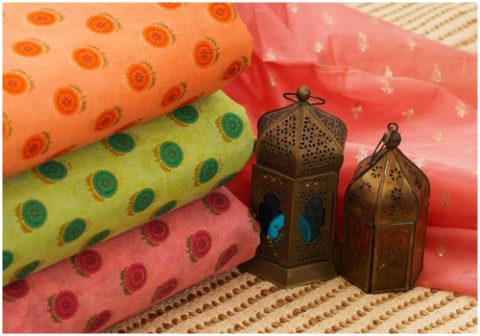
The story of Chanderi silk is as rich and intricate as the fabric itself. Its origins can be traced back to the Vedic period, with tales suggesting it was introduced by Lord Krishna's cousin, Shishupal. However, the craft flourished significantly during the Mughal era, when it became a favored fabric of Indian royalty. The queens and noblewomen of the time prized Chanderi for its sheer texture and opulent feel, making it a symbol of status and refined taste.
The town of Chanderi, nestled in the Vindhya Hills, provided the perfect environment for this craft to thrive. Its strategic location on ancient trade routes connected it to major cultural and commercial centers, allowing the weavers' artistry to gain widespread recognition. This historical patronage and geographical advantage cemented Chanderi's reputation as a hub for one of India's most exquisite textiles.
The Unique Characteristics of Chanderi Silk
What makes Chanderi silk so instantly recognizable and universally adored? The magic lies in its unique blend of materials and the extraordinary skill involved in its creation. It is not just one thing but a combination of factors that gives Chanderi its distinct personality.
The Perfect Blend: Silk, Cotton, and Zari
Traditionally, Chanderi fabric was woven from fine, hand-spun cotton, resulting in a muslin-like texture that was incredibly delicate. Over time, weavers began to incorporate silk yarn, creating the luminous sheen that Chanderi is now famous for. The classic Chanderi fabric is a blend of a silk warp and a cotton weft. This unique combination gives the fabric its signature soft yet crisp feel and a beautiful, understated shimmer.
To add a touch of opulence, weavers skillfully introduce zari—fine threads of gold or silver—into the weave, particularly for the borders and motifs. This trinity of silk, cotton, and zari creates a fabric that is both lightweight and luxurious.
A Feather-Light and Sheer Texture
One of the most remarkable qualities of Chanderi silk is its sheer, almost transparent appearance. Despite this delicacy, the fabric is surprisingly strong and durable. Its lightweight nature makes it incredibly comfortable to wear, especially in warmer climates. The fabric drapes beautifully, flowing around the body without adding bulk, creating an elegant and flattering silhouette.
Motifs Inspired by Nature and Tradition
The beauty of Chanderi lies not just in its texture but also in its delicate, handwoven patterns. Unlike heavily embroidered fabrics, Chanderi motifs are woven directly into the fabric using needles. These designs are subtle, sophisticated, and deeply rooted in nature and tradition.
Common motifs, or butis, include:
- Ashrafi Buti: Gold coin patterns, symbolizing wealth and prosperity.
- Phul Patti: Intricate floral and leaf designs.
- Hamsa: Swan motifs, representing grace and beauty.
- Nalferma: A specific type of floral vine pattern.
These motifs are scattered gracefully across the fabric, adding a layer of artistry without overpowering its inherent simplicity.
The Art of Weaving: A Labor of Love
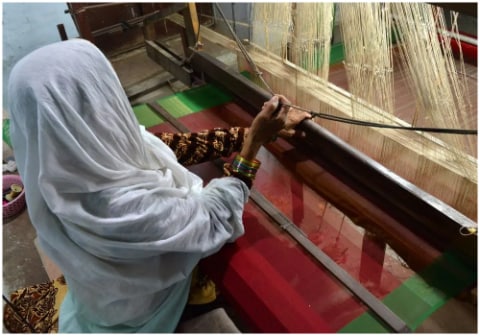
Creating Chanderi silk is an intricate and painstaking process that has been passed down through generations. The weaving is done on a traditional pit loom, which requires immense coordination and skill. The fineness of the yarn is so delicate that weavers must handle it with extreme care to prevent breakage.
The process of weaving the motifs is particularly complex. Weavers use a series of needles to create the butis by hand, one at a time. This supplementary weft technique is what gives Chanderi its distinctive, embedded patterns. A single Chanderi saree can take anywhere from a few days to several months to complete, depending on the complexity of the design. This dedication to craftsmanship is what makes every piece of Chanderi a true work of art.
The Versatility of Chanderi Silk
While the Chanderi saree remains an iconic symbol of Indian elegance, the fabric's versatility has allowed it to transcend traditional wear. Its lightweight and breathable nature makes it a popular choice for a wide range of garments, suitable for various occasions.
Elegant Sarees
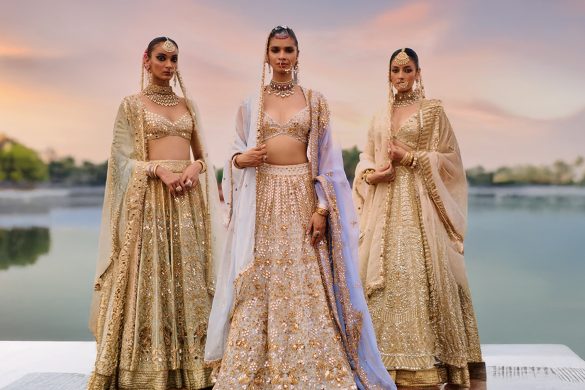
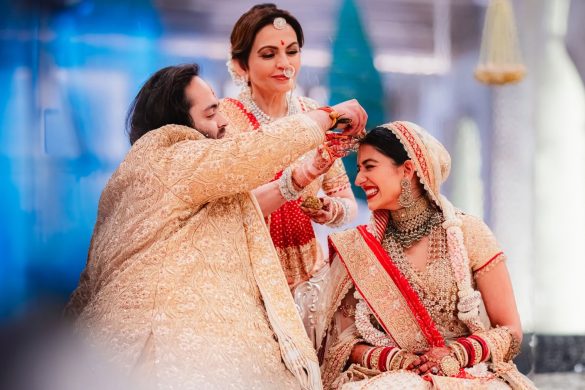
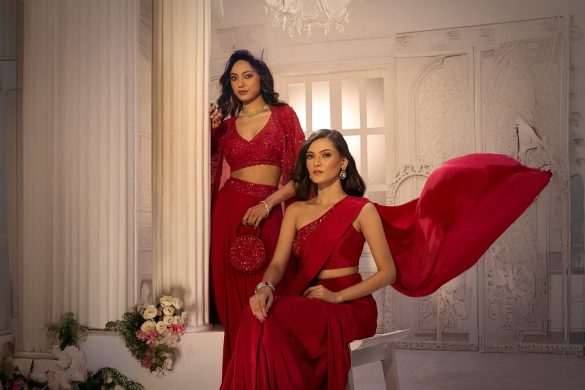
A Chanderi silk saree is a timeless classic. Its subtle lustre and delicate drape make it perfect for formal events, weddings, and festive celebrations. Whether it is a simple saree with a striking zari border or one adorned with delicate butis, it exudes an aura of sophistication.
Graceful Kurtas and Salwar Kameez
The fabric is widely used to create elegant kurtas, anarkalis, and salwar kameez sets. A Chanderi kurta can be dressed up with heavy dupattas for a festive look or worn with simple trousers for a chic, semi-formal outfit. Its comfort makes it an ideal choice for long day events.
Contemporary Ensembles
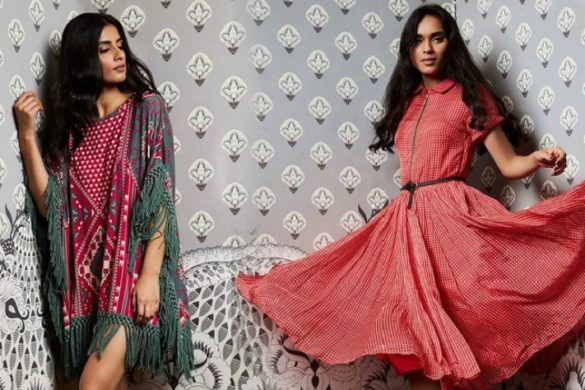
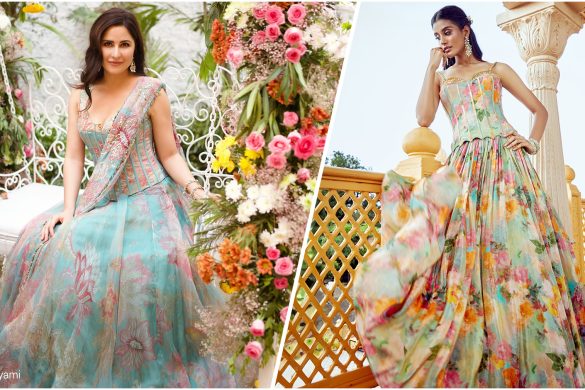
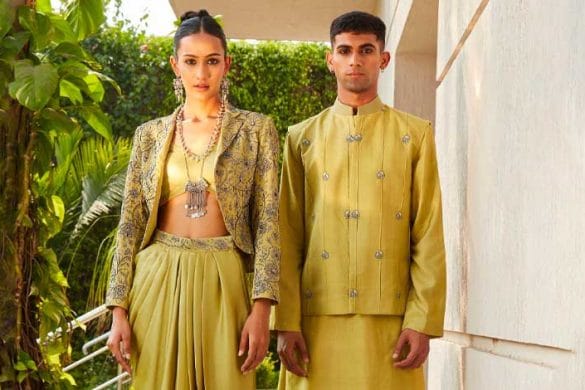
Modern designers have embraced Chanderi silk, using it to craft contemporary silhouettes like dresses, gowns, lehengas, and even jackets. The fabric's ability to hold a crisp shape while remaining light makes it perfect for structured yet airy designs. These modern interpretations have introduced Chanderi silk to a new generation, proving its timeless appeal.
A Cherished Textile for Every Occasion
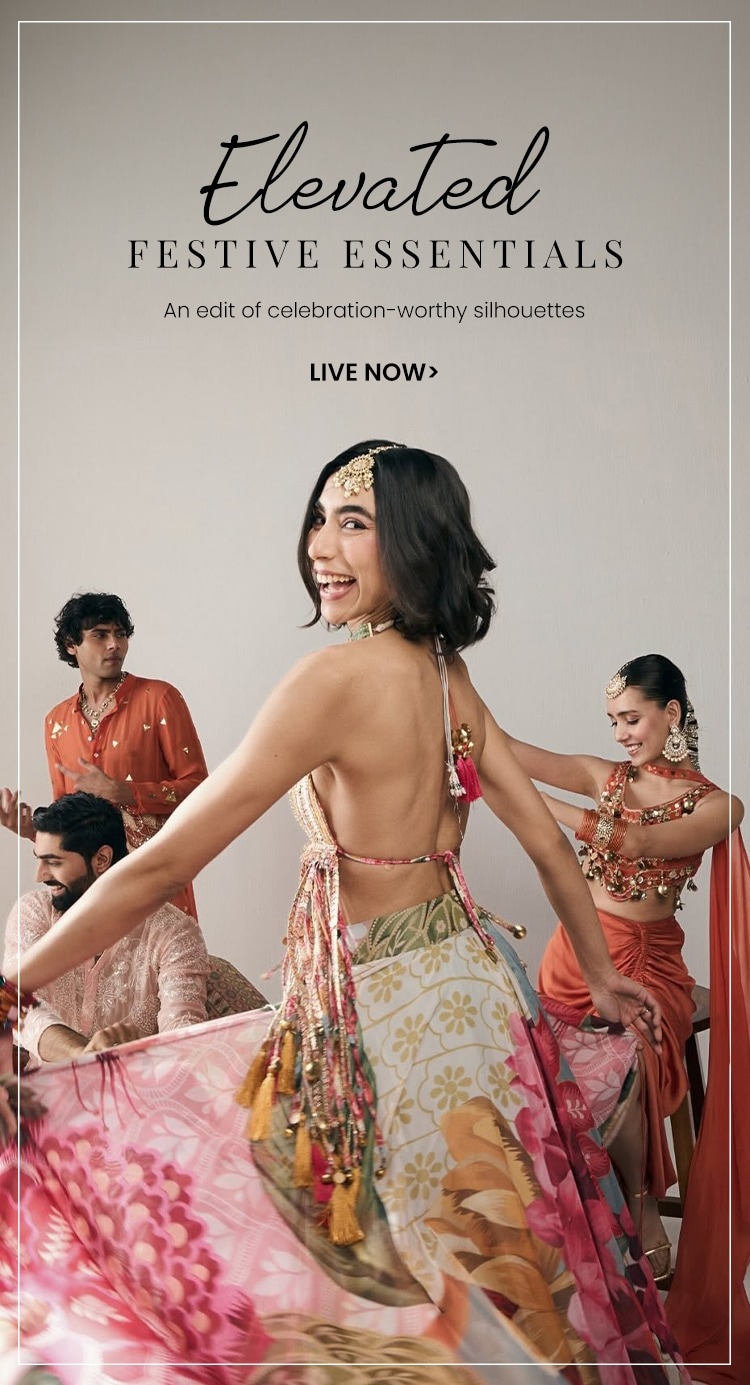
Chanderi silk is a fabric that truly stands the test of time. It effortlessly bridges the gap between traditional and contemporary, classic and modern. Its refined elegance makes it suitable for grand celebrations, while its comfort and simplicity make it a wonderful choice for more intimate gatherings.
By choosing a genuine handloom fabric like Chanderi, you are not just acquiring a beautiful piece of clothing; you are investing in a piece of history. You are supporting the artisan communities of Madhya Pradesh and helping to preserve a form of traditional Madhya Pradesh weaving that is a vital part of India's cultural identity. In every shimmering thread and delicate motif, the story of Chanderi silk continues to be woven, as beautiful and relevant today as it was centuries ago.