Linen is a strong, breathable, and durable natural fabric made from the fibers of the flax plant’s stem. Known for its cooling and moisture-wicking abilities, linen is highly valued for hot climates and summer wear. It’s widely used to make clothing such as dresses, shirts, pants, and suits and bedding, tablecloths, and home textiles. Linen’s crisp texture softens with use, and its production involves extracting, spinning, and weaving flax fibers into fabric.
What Is Linen Made Of?
Linen is a natural textile made from the fibers of the flax plant, scientifically known as Linum usitatissimum. The long, strong cellulose fibers found inside the woody stalk of the plant are harvested and processed to create linen yarn. This yarn is then woven or knit into the fabric we know and love.
As one of the oldest textiles in the world, linen has a rich history. Its story begins in ancient civilizations, with fragments of linen fabric dating back over 30,000 years discovered in a prehistoric cave. The ancient Egyptians famously used linen for clothing, bedding, and even for wrapping mummies, valuing it for its purity and ability to withstand the hot climate. Its popularity continued through Europe, where it became a symbol of wealth and refinement.
Ready to experience the beauty and comfort of linen for yourself? Shop Aza Fashions linen collection and explore curated pieces perfect for every season.
How Is Linen Produced?
Creating linen from the flax plant is a labor-intensive process that has remained largely unchanged for centuries. The quality of the final fabric depends heavily on the skill and care taken at each stage.
- Cultivation: Flax is planted in cool, damp climates. The best-quality flax, known for its long fibers, is often grown in Western Europe, particularly in Belgium, France, and the Netherlands.
- Harvesting: After about 100 days, the flax plants are pulled from the ground by the roots, rather than cut, to preserve the full length of the fibers.
- Retting: The harvested plants are exposed to moisture to break down the pectin that binds the fibers to the woody stalk. This can be done with water (water retting) or by leaving the plants in the field to be broken down by dew and rain (dew retting).
- Breaking & Scutching: The retted stalks are passed through rollers to break the woody core into small pieces. Then, a process called scutching removes these broken pieces, leaving the raw linen fibers behind.
- Hackling: The fibers are combed through a series of pins, from coarse to fine. This separates the short fibers from the long, more desirable ones and aligns them for spinning.
- Spinning & Weaving: Finally, the long fibers are spun into yarn. This yarn is then woven or, less commonly, knitted into linen fabric.
The Defining Characteristics of Linen
Linen’s unique properties are what make it so highly prized. It’s not just about looks; the fabric’s performance is exceptional.
- Breathability & Temperature Regulation: The hollow structure of linen fibers allows air to circulate freely, making it incredibly breathable. It keeps you cool in hot weather and provides light insulation in cooler temperatures.
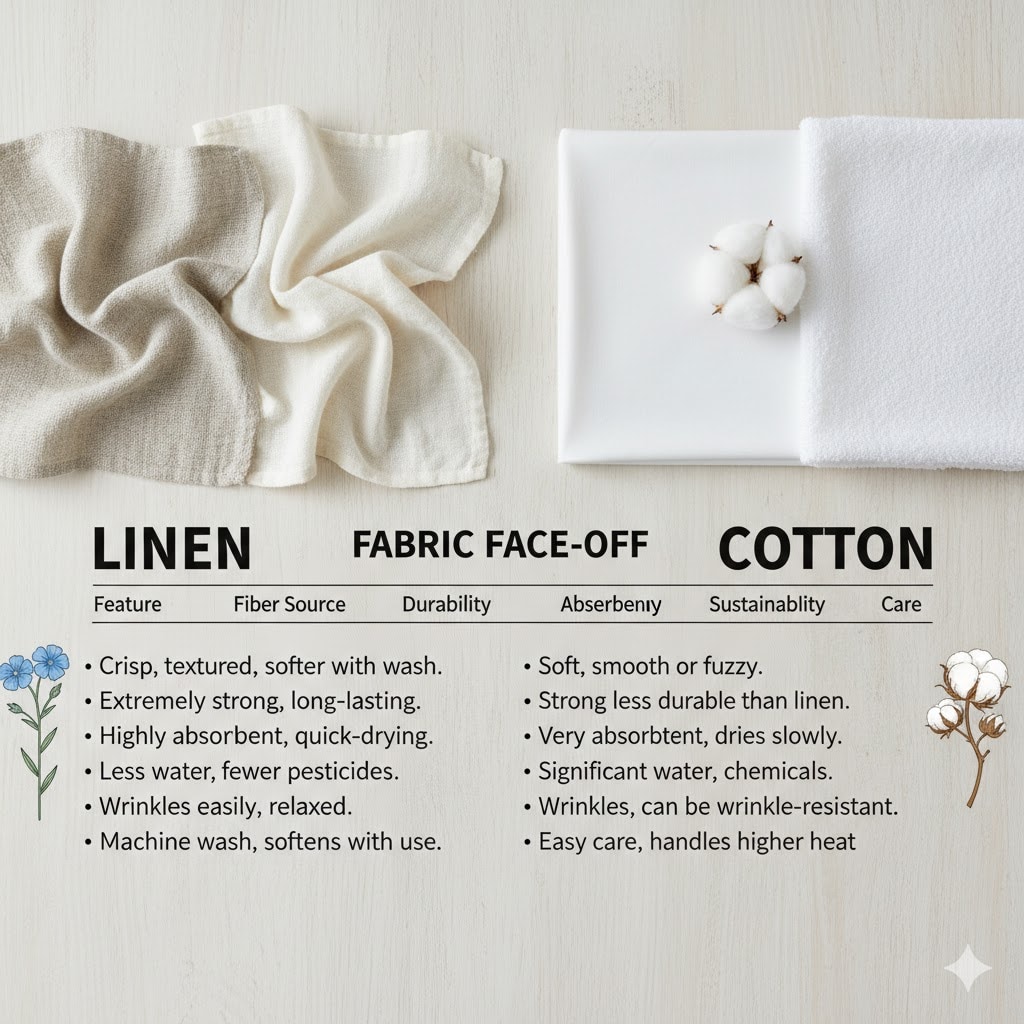
- Moisture-Wicking & Quick-Drying: Linen can absorb up to 20% of its weight in moisture before feeling damp. It pulls perspiration away from your skin and releases it into the air, helping you stay dry and comfortable.
- Strength & Durability: Linen is one of the strongest natural fibers in the world reportedly two to three times stronger than cotton. With proper care, linen items can last for decades, softening and improving with age.
- Hypoallergenic: The natural properties of linen make it a great choice for sensitive skin. It’s naturally resistant to bacteria and doesn't tend to cause allergies.
- Natural Luster & Texture: Linen has a beautiful, subtle sheen. Its texture is typically crisp at first, with a characteristic "slub" or small knot that occurs randomly in the weave. This is not a defect but a sign of authentic linen.
- Graceful Wrinkling: Linen wrinkles easily, but this is widely considered part of its relaxed, sophisticated charm. The wrinkles tend to be soft and rumpled rather than sharp and creased.
Linen vs. Cotton: What's the Difference?
While both are popular plant-based fabrics, linen and cotton have distinct differences.
Common Uses for Linen Fabric
Linen’s versatility makes it suitable for a wide range of products.
- Apparel: It’s a favorite for warm-weather clothing, including shirts, trousers, dresses, skirts, blazers, and suits. Its structure gives garments a beautiful drape.
- Home Textiles: Linen is a luxury choice for home goods. You’ll find it used for bedding (sheets, duvet covers), tablecloths, napkins, kitchen towels, and curtains.
- Industrial Uses: Due to its strength, linen has been used for canvases, upholstery, and even as a component in high-quality paper.
Sustainability & Certifications
Linen is often considered a more sustainable choice than many other textiles. Flax can grow in poor soil and typically requires far less water than cotton. High-quality European flax, for example, is often grown using rainwater alone.
When shopping, look for these labels to ensure quality and sustainability:
- European Flax®: This certification guarantees flax grown in Western Europe (France, Belgium, the Netherlands) without artificial irrigation or GMOs.
- Irish & Belgian Linen: These terms refer to linen woven in those respective countries, often from European-grown flax, and are marks of high quality.
- OEKO-TEX®: This label certifies that the fabric has been tested for harmful substances and is safe for human health.
- GOTS (Global Organic Textile Standard): While pure linen cannot be certified organic (as it’s not the main component of the plant), GOTS certification can be found on linen blends to ensure the other fibers meet organic standards.
How to Care for Your Linen
Caring for linen is simpler than you might think. Following a few basic rules will keep your items beautiful for years.
- Washing: Machine wash on a gentle cycle with lukewarm or cold water. Use a mild detergent and avoid overcrowding the machine to allow the items to move freely.
- Drying: Air drying is best for linen. You can hang it or lay it flat. If you must use a machine, tumble dry on a low heat setting and remove it while still slightly damp to minimize stiffness and wrinkles.
- Ironing: Embrace the wrinkles! If you prefer a crisper look, iron or steam your linen while it’s still damp. Use a medium-hot setting.
- Storage: Store linen in a cool, dry place away from direct sunlight.
Tips for Buying High-Quality Linen
When you’re ready to invest in linen, keep these tips in mind:
- Check the Weight (GSM): Fabric weight is measured in grams per square meter (GSM). Lighter weights (100-150 GSM) are great for shirts and blouses, while medium weights (150-220 GSM) work well for trousers and bedding. Heavier weights are used for upholstery.
- Look at the Weave: Common weaves include plain weave (a simple, durable grid), herringbone (a V-shaped pattern), and basket weave.
- Consider the Finish: "Stonewashed" or "garment-washed" linen has been pre-washed to be soft from the very first use.
- Read the Label: Check if an item is 100% linen or a blend. Linen-cotton blends offer some of the softness of cotton with the strength of linen, while linen-viscose blends have a smoother drape.
- Embrace the Journey: Remember that new linen can feel crisp. It will soften beautifully with every wash, becoming a personalized piece that gets better with age.
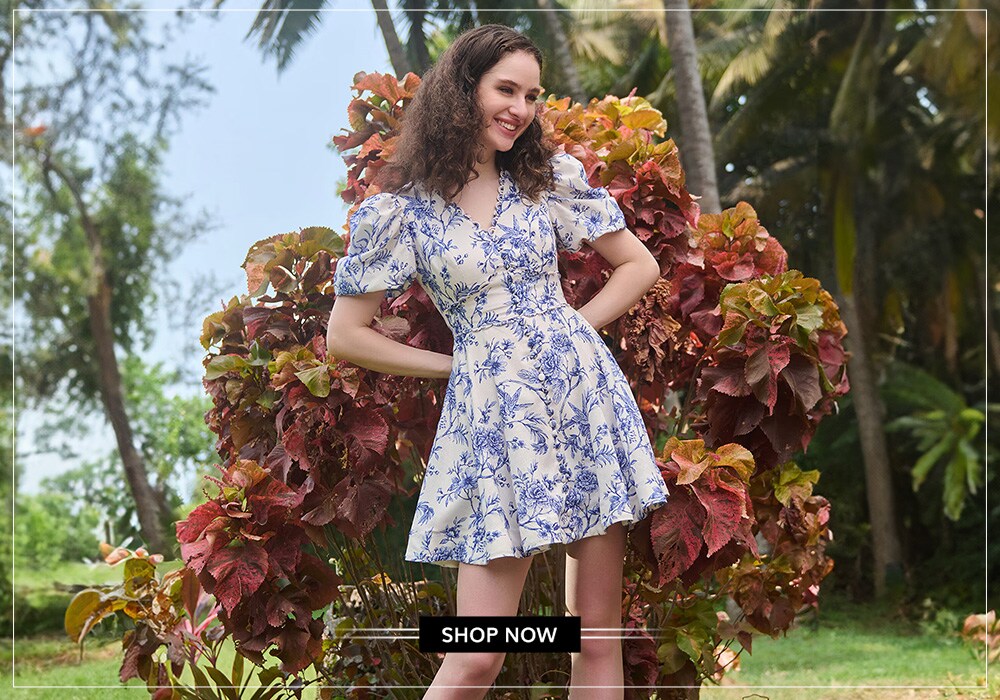
Interested in elevating your wardrobe with premium linen? Explore linen kurta sets by Aza Fashions.