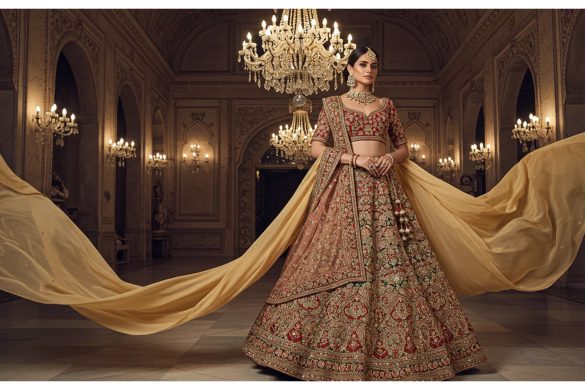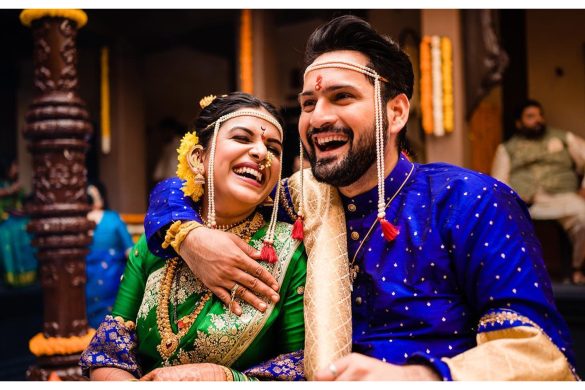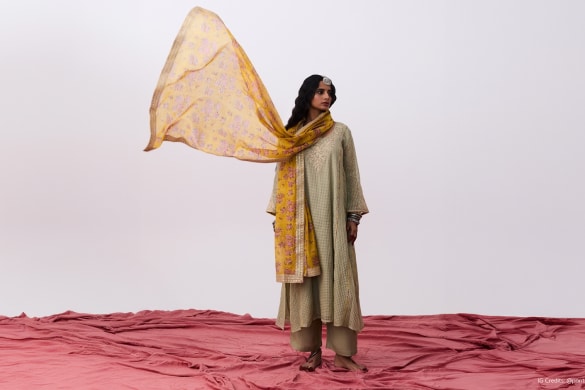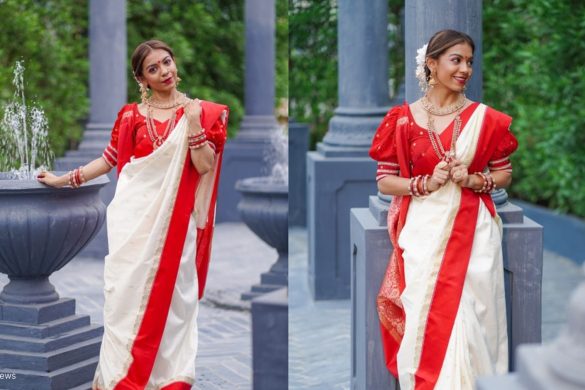
Tourists in India should wear loose, lightweight, modest clothing that covers the shoulders and knees. Cotton and linen are the best fabrics for the heat. Always carry a scarf for temple visits. Avoid revealing clothing outside beach and resort areas. The baseline rule: loose, breathable, and modest covers 95% of situations.
Packing for India is exciting—until you realize your usual travel wardrobe might get you turned away at a temple entrance. According to the India Tourism Statistics Report 2023, over 6.4 million foreign tourists visited India that year, and the most common friction point at religious sites was being asked to cover up or denied entry altogether.
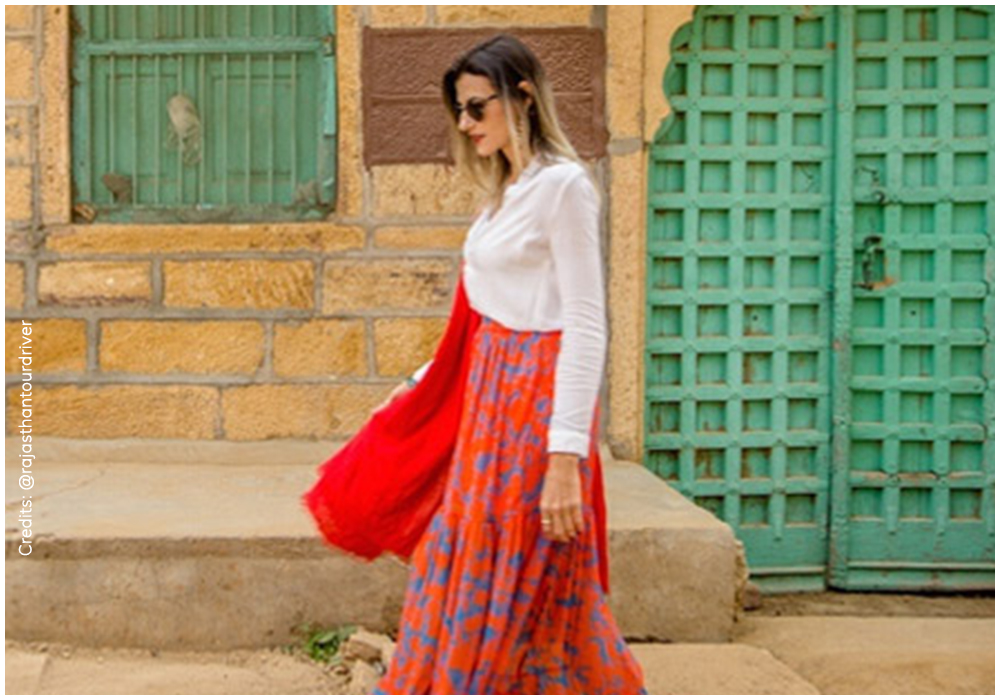
The good news? Dressing appropriately in India is also dressing comfortably. Loose cotton in 40°C heat is both culturally right and physically sensible.
What are the five golden rules for dressing in India?
Follow these and you'll be dressed correctly for nearly every situation:
- Cover your shoulders and knees — the baseline for temples, mosques, and conservative areas
- Choose loose over fitted — cooler, more modest, and far more comfortable on long travel days
- Wear cotton or linen — synthetic fabrics are miserable in Indian heat and humidity
- Carry a scarf — it doubles as a temple cover-up, sun shield, and dust protection
- Wear easy-off shoes — you'll remove footwear at temples, gurudwaras, mosques, and many homes
What should women wear in India?
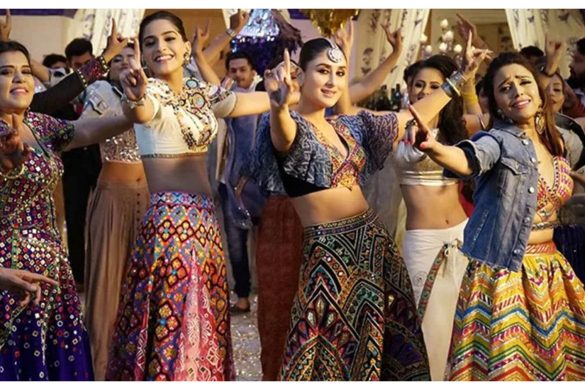
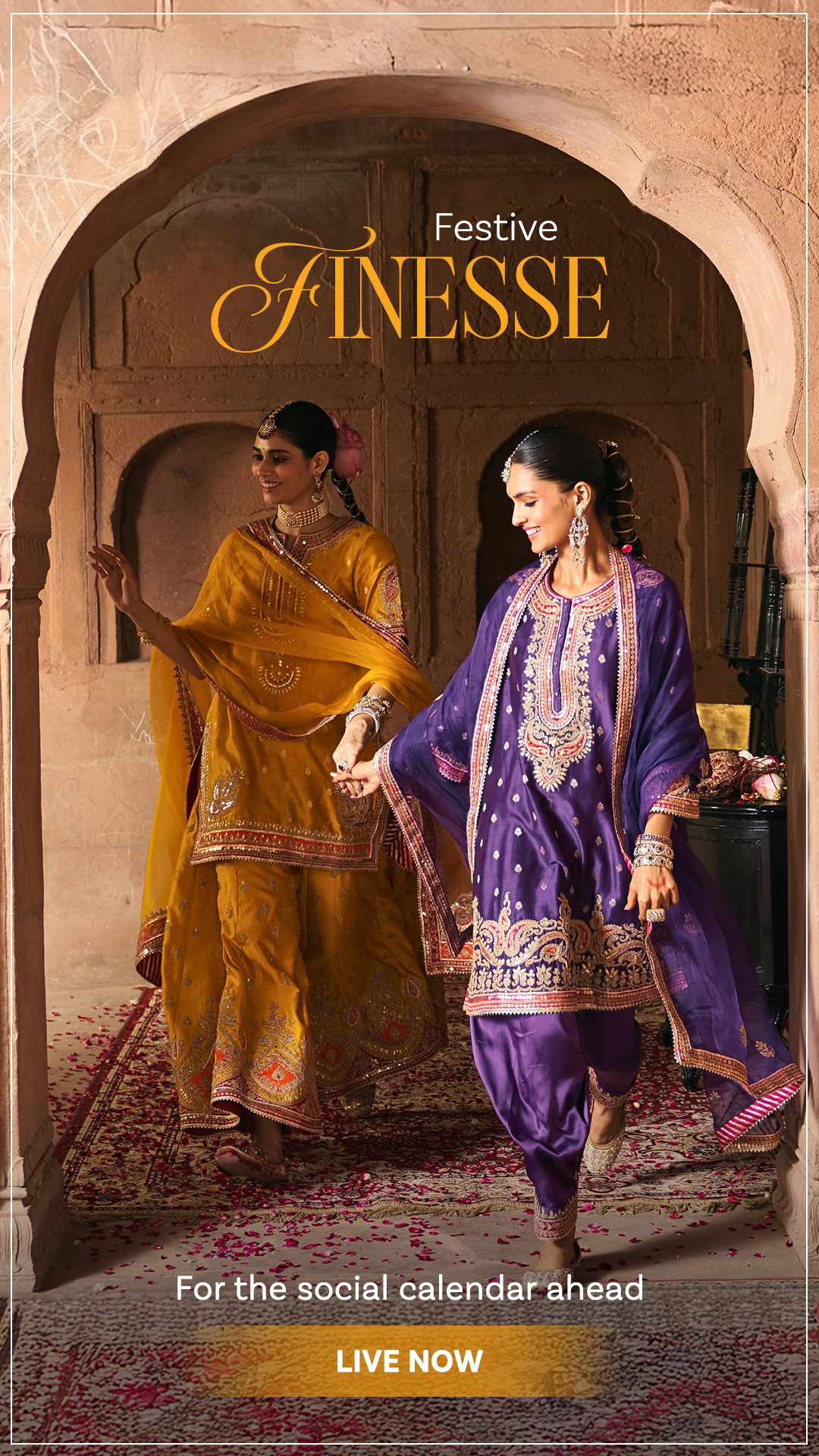
The single most versatile choice for women is a salwar kameez — a long tunic worn over loose trousers. You can buy one anywhere in India for ₹300–₹800 (~$3–$10 USD). Locals appreciate it, and it's cooler than jeans in summer.
Other solid options include loose linen trousers, cotton maxi skirts, and kurtas paired with leggings. For religious sites, drape a lightweight scarf over your shoulders and head before entering. Gurudwaras and many mosques require head coverings; some South Indian temples — like Tirupati Balaji and Padmanabhaswamy Temple — have strict traditional dress requirements, so check ahead.
Avoid: Crop tops, sleeveless tops at religious sites, short skirts outside beach areas, and tight jeans without a long top over them.
What should men wear in India?
Men have slightly more flexibility, but cultural respect still applies. Cotton shirts, linen trousers, and kurtas are ideal across most of India. Knee-length shorts are fine in cities and beach areas, though avoid very short styles near religious sites or in smaller towns.
One thing surprises many visitors: in most traditional South Indian temples — particularly in Tamil Nadu and Kerala — men are required to remove their shirts to enter. Wearing a dhoti (a white cloth wrapped around the waist) is often mandatory. Temples typically provide or rent one at the entrance.
Avoid: Tank tops outside beach areas, camouflage print (which can be confused with military dress), and lace-up shoes for temple visits.
How does what you pack change by season?
- October–February (cool/winter): The best time to visit. Pack cotton layers for the day and a light fleece for evenings — Rajasthan desert temperatures can drop to 5°C at night. Add thermal base layers for Ladakh or the Himalayas.
- March–May (hot/pre-monsoon): Temperatures in North India regularly exceed 40°C. Stick to light colors, loose cotton, UV-protection shirts, a wide-brimmed hat, and sunglasses.
- June–September (monsoon): Pack quick-dry fabrics, sandals over closed shoes, and a lightweight packable rain jacket.
What should you avoid wearing in India?
Some items are worth leaving at home entirely:
- Very short shorts or micro-miniskirts outside beach resorts
- Crop tops or revealing tops in markets, public transport, or temples
- Leather items inside Jain temples (prohibited)
- Camouflage print clothing
- Tight synthetic fabrics in any season
Should you buy clothes once you arrive in India?
Most experienced travelers pack light and buy locally. India produces some of the world's finest cotton, and markets across the country — from Delhi's Janpath to Jaipur's Johari Bazaar — sell lightweight kurtas, salwar kameez sets, and linen trousers for $2–$18 USD. Clothes bought locally fit the climate perfectly, respect the dress norms automatically, and make for far better souvenirs than anything you'll find at the airport.
Frequently Asked Questions
What is the dress code for temples in India?
Most Indian temples require covered shoulders and knees, and shoes removed at the entrance. South Indian temples often require men to remove shirts and wear a dhoti. Always carry a scarf as a backup cover-up. Some temples — including Tirupati Balaji — require traditional Indian clothing specifically.
Can female tourists wear shorts in India?
Female tourists can wear shorts in Goa, Mumbai, and upscale areas in major cities. Avoid them at religious sites, in rural areas, and in conservative regions. Knee-length shorts or capris are more acceptable than very short styles even in cities.
What fabric is best for India's climate?
Cotton and linen are the best options. Both are breathable, absorb sweat, and dry quickly. Avoid polyester and synthetic fabrics, which trap heat. For the cooler months (November–February in North India), layer cotton with a light fleece or wool.
Is it acceptable to wear traditional Indian clothing as a tourist?
Yes — and locals generally appreciate it. Wearing a salwar kameez or kurta as a tourist is widely welcomed, not seen as cultural appropriation. It's also the most practical clothing choice for navigating India's climate, temples, and varied social contexts.