Mahashivratri, observed this year on Sunday, 15 February 2026, is a festival unlike any other. While most Indian celebrations are marked by vibrant colours, dazzling embellishments, and joyous abundance, this night stands apart a quiet rebellion against excess. It is a celebration of stillness, introspection, and simplicity; a deliberate pause in a world that rarely stops.
And so, the question arises every year: What does one wear on Mahashivratri? The answer is as understated as the festival itself: white, soft neutrals, and minimal silhouettes. Not because tradition enforces it, but because anything else feels out of place.
Why Mahashivratri Dressing Feels Different
Mahashivratri is not about outward celebration; it’s about inward reflection. It honors absence over abundance, silence over sound, and simplicity over spectacle. This philosophy naturally extends to how people dress for the occasion.
Unlike other festivals, where clothing is often a statement of joy and festivity, Mahashivratri dressing is about alignment with the spirit of the night, with the body, and with the mind. It’s not about impressing others; it’s about feeling at ease with oneself.
The Significance of White
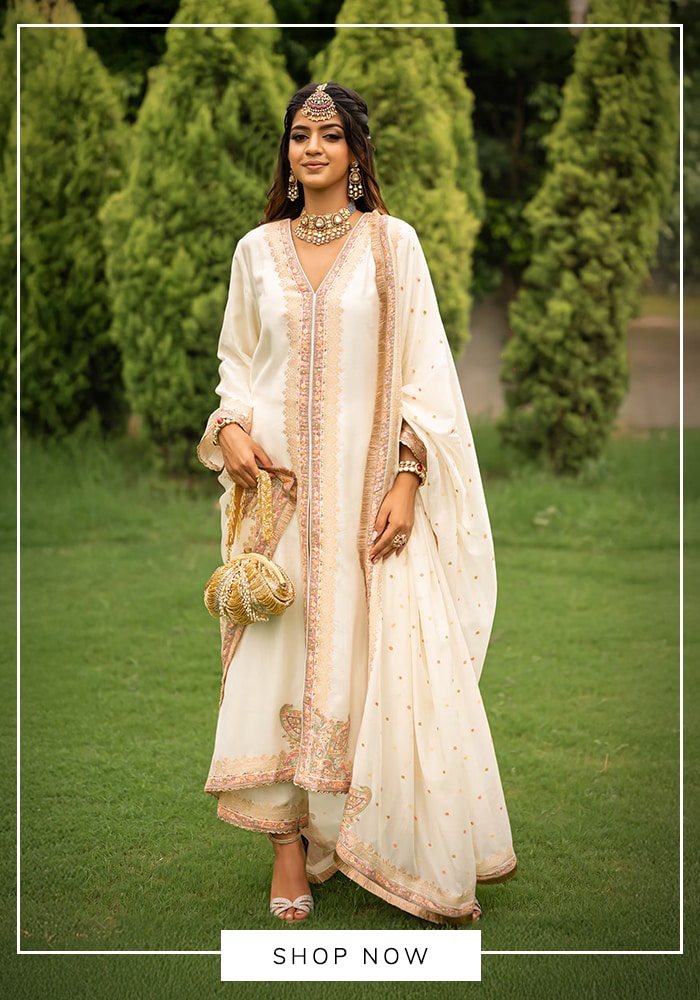
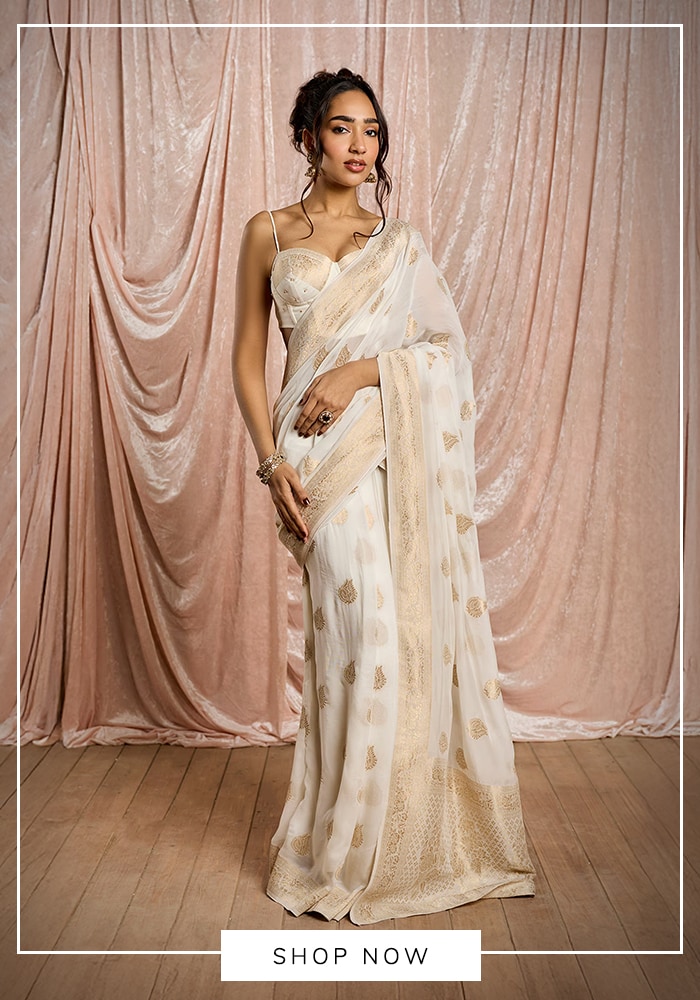
White is the color most associated with Mahashivratri, not as a rule but as a shared understanding. It reflects the ascetic spirit of Lord Shiva renunciation, calm, and neutrality. It doesn’t distract or demand attention; it simply exists, much like the night itself.
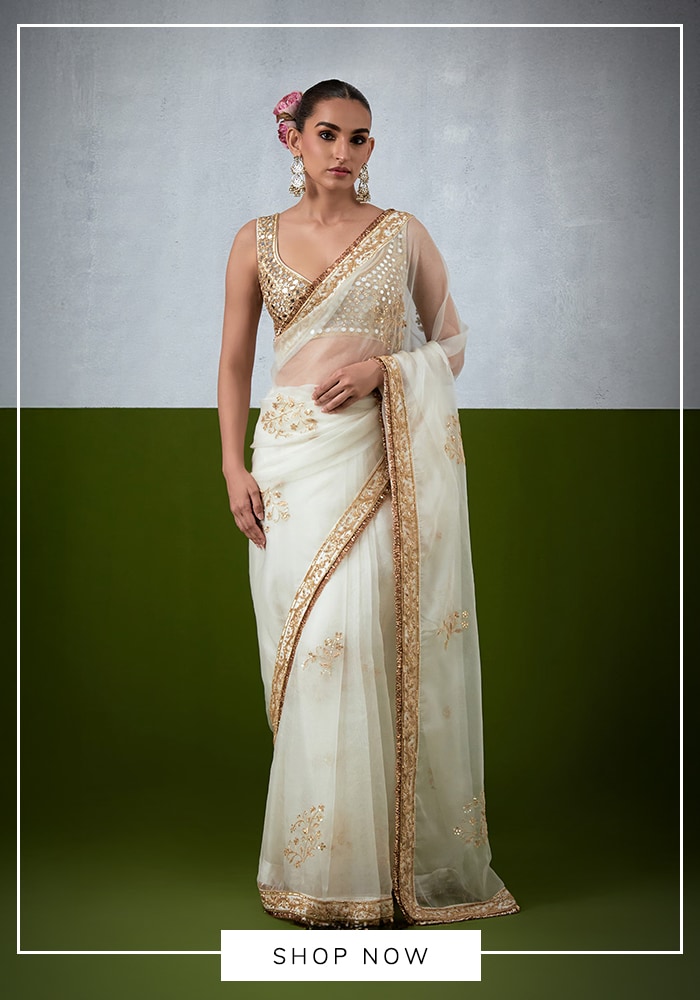
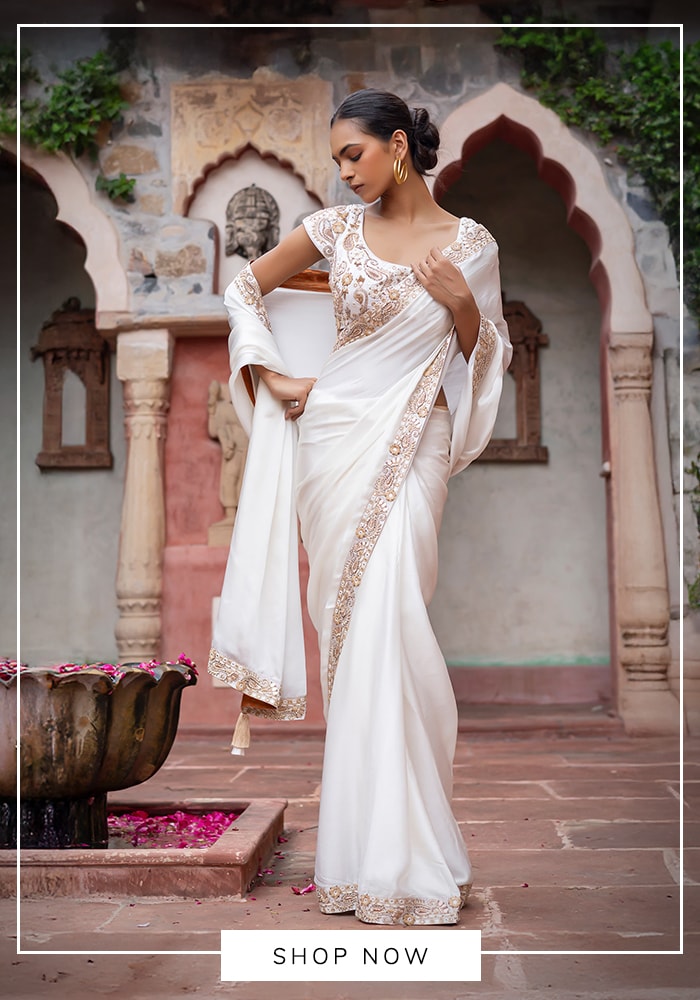
In fashion, white ethnic wear for women takes on a meditative quality. It’s not bridal or celebratory; it’s purposeful and intentional. Shades like ivory, ecru, and soft stone tones offer subtle variations, allowing for individuality without breaking the quiet harmony of the occasion.
Why Mahashivratri Dressing Resists “Festive” Codes
The essence of Mahashivratri dressing lies in its simplicity. It’s not about what you wear—it’s about how it feels. Comfort, ease, and quiet dignity take precedence over ornamentation or trends.
Here’s what defines the Mahashivratri wardrobe:
- Uncomplicated Silhouettes: Straight cuts, gentle A-lines, and fluid shapes dominate. These silhouettes allow for ease of movement and long hours of prayer or meditation.
- Breathable Fabrics: Cotton, linen blends, and handloom silks are preferred for their comfort and practicality.
- Minimal Details: Embellishments are kept to a minimum, with texture often replacing ornamentation.
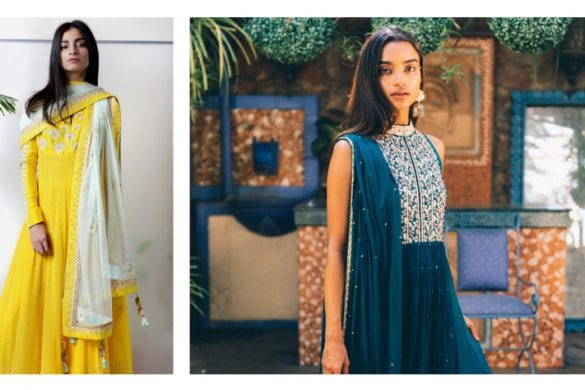
- Soft, Muted Tones: While white is the most popular choice, muted shades like beige, pale grey, and soft yellow are equally appropriate.
What Women Actually Choose to Wear Today
Modern Mahashivratri dressing reflects a blend of tradition and contemporary sensibilities. Across homes, temples, and gatherings, a clear pattern emerges:
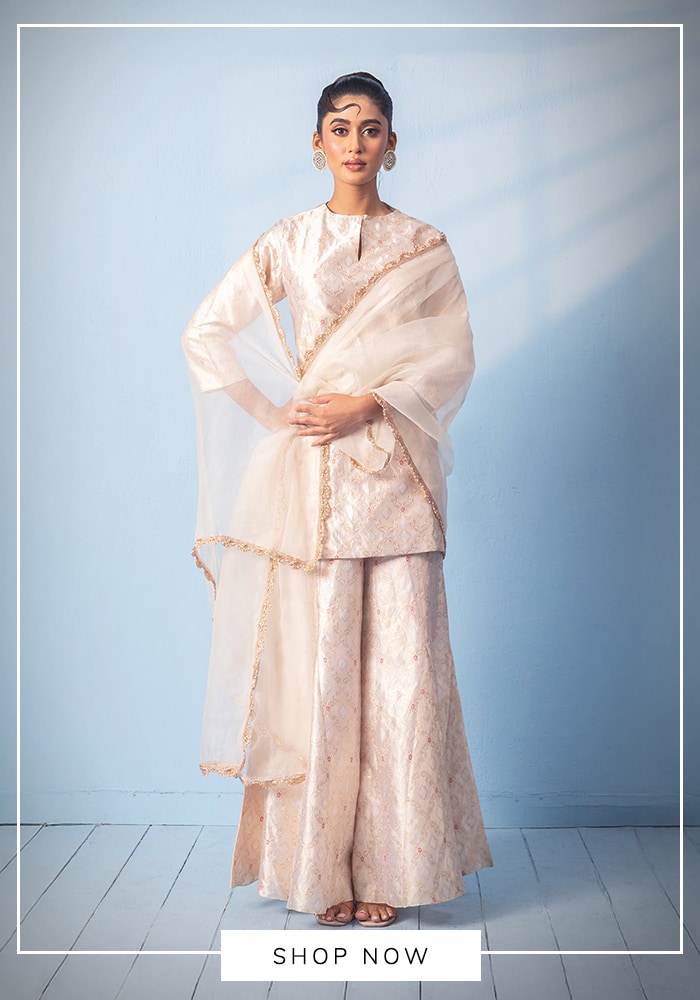
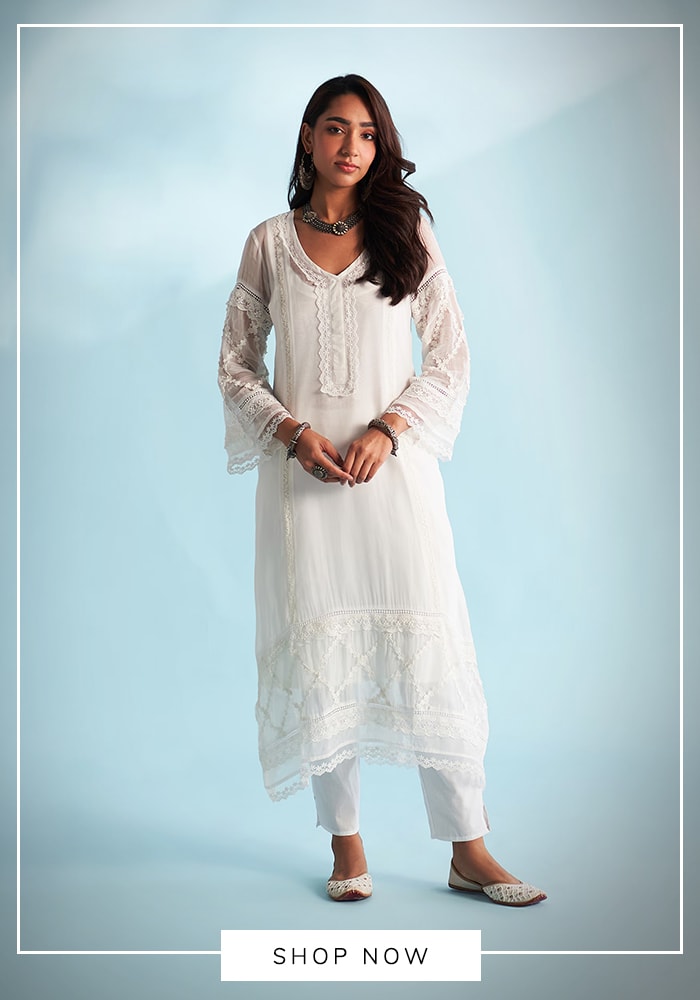
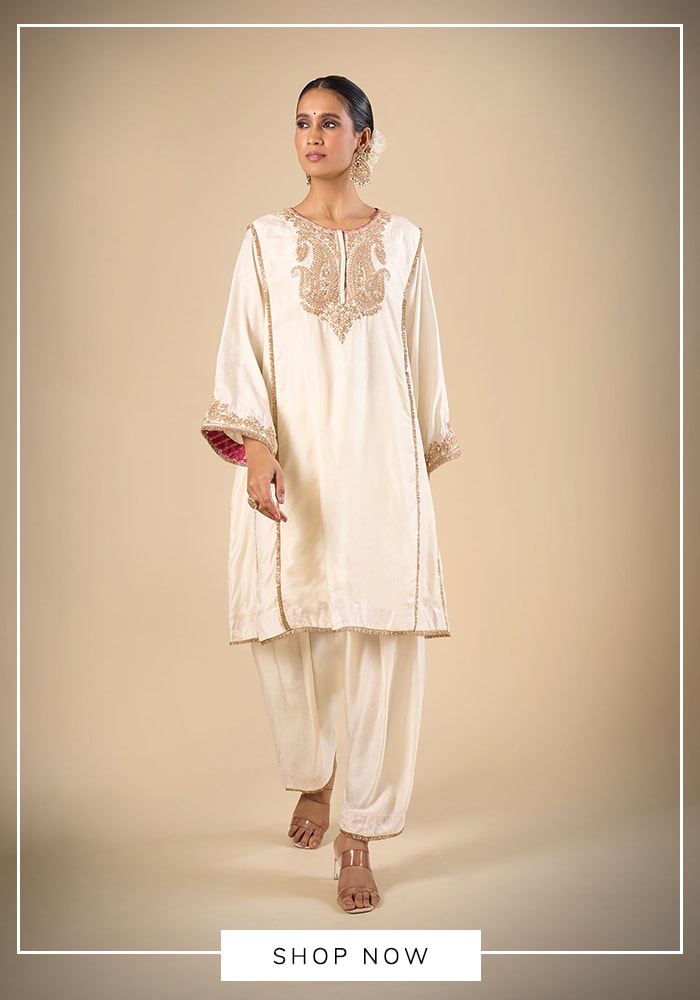
- Kurta Sets: The go-to choice for many, kurta sets in white or ivory especially white ethnic wear for women are versatile, comfortable, and inherently appropriate. They are often paired with relaxed pants or palazzos for added ease.
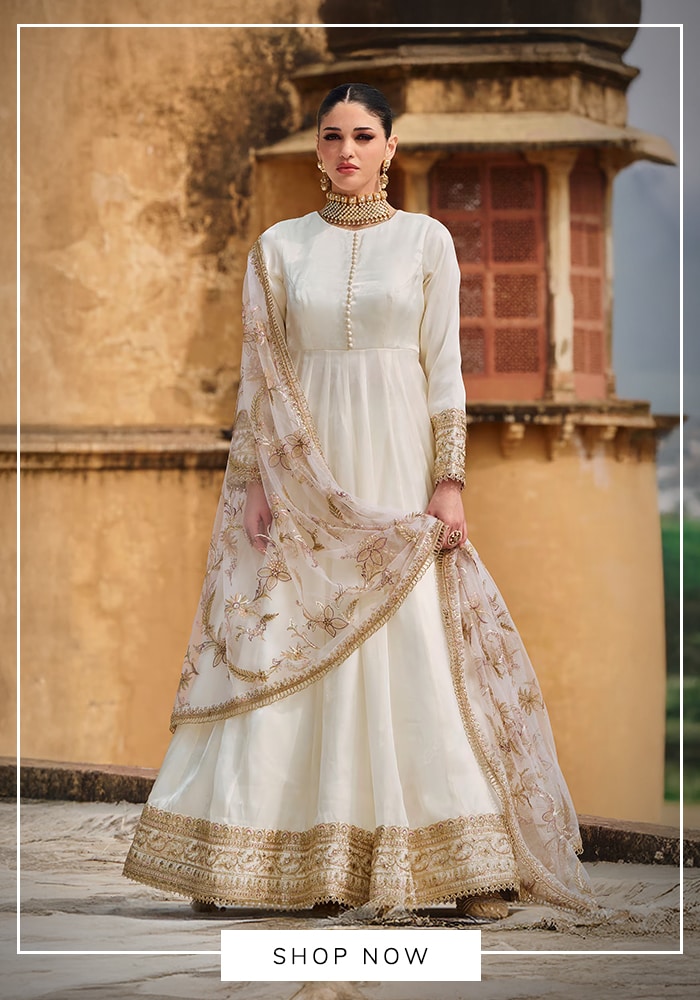
- Anarkalis: When chosen, they are understated and fluid, free from heavy borders or ornate embellishments. White Anarkalis for women appeal lies in their graceful movement.
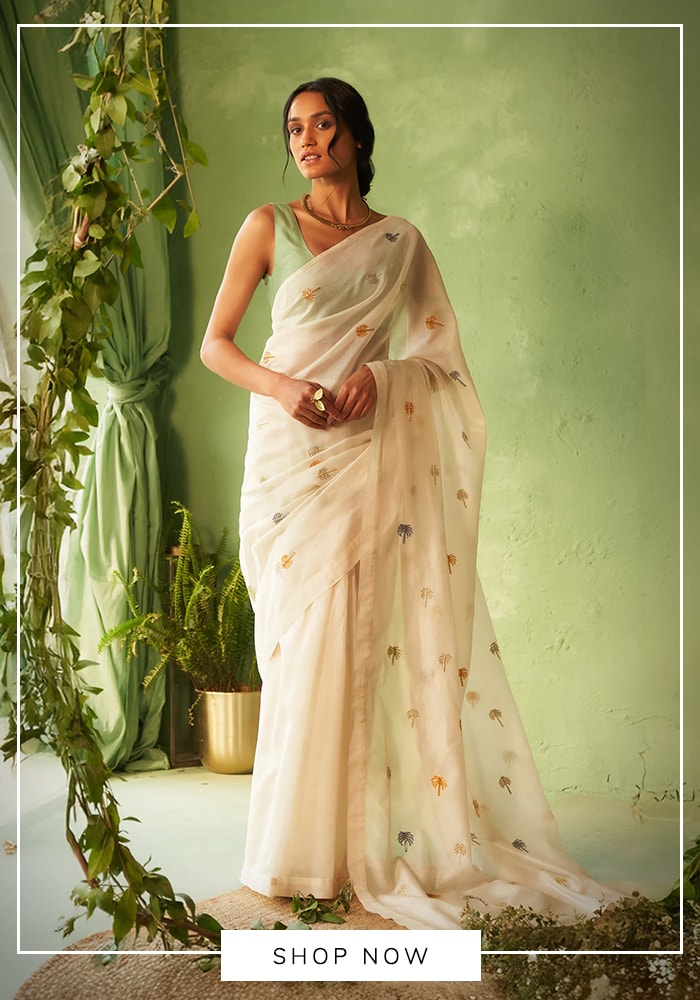
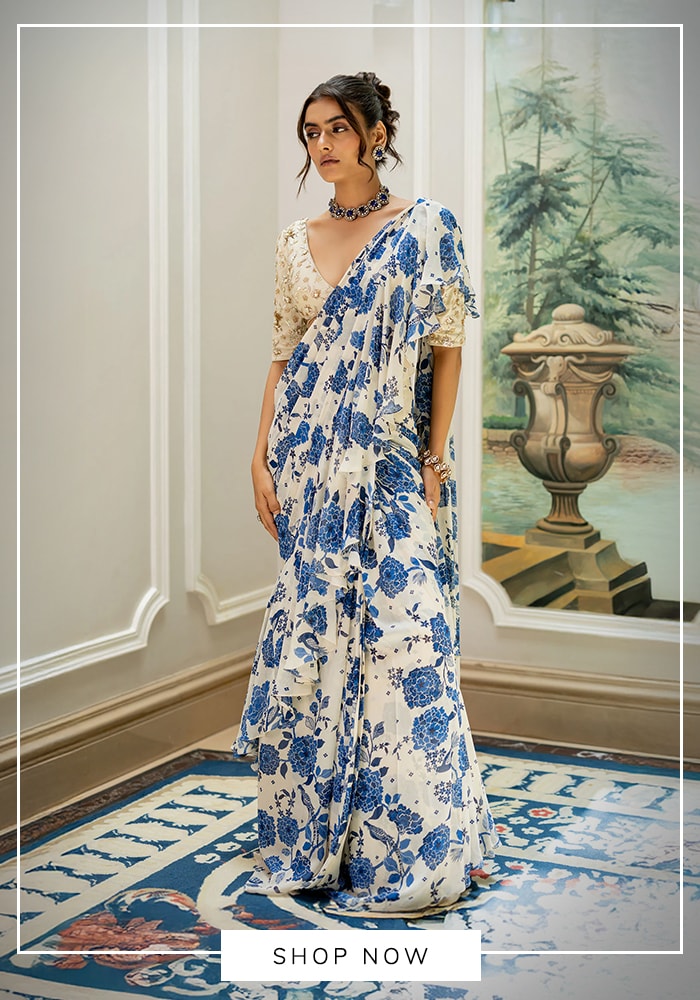
- Sarees: Soft, matte-finished sarees in cotton silks, linen blends, or handloom weaves are favored. These sarees prioritize texture and simplicity over sheen and ornamentation.
- Dupattas: Lightweight and loosely draped, dupattas are worn more for comfort than as a styling statement.
Styling with Intention
Mahashivratri dressing is not devoid of personality it’s just more intentional. Every element is chosen with care, creating a look that feels harmonious and aligned with the occasion.
- Jewellery: Less is more. A single piece of oxidized silver, a fine chain, or small studs is enough. Layering or ornate designs feel out of sync with the night’s simplicity.
- Makeup: Clean, natural skin with softly defined eyes and neutral lips complements the understated mood.
- Hair: Effortless styles like loose hair or a simple tie-back feel most appropriate.
- Footwear: Grounded and functional options like Kolhapuris, juttis, or simple sandals complete the look, ensuring comfort through long hours of prayer or meditation.
On Mahashivratri, fabric is more than a choice it’s a foundation. The fasting, meditative focus, and long hours of the night demand textiles that breathe and move easily with the body. Cotton, linen blends, and soft silks are the most practical options, offering both comfort and elegance.
Discomfort feels amplified on this night, while ease feels grounding. The right fabric becomes an extension of the inward focus the night invites.
When Clothing Becomes Contemplative
What makes Mahashivratri dressing unique is its quiet power. It’s not about how it looks—it’s about how it feels. There’s no urge to impress, no expectation to perform. Clothing becomes secondary, a subtle reflection of the night’s introspective spirit.
In a world that often equates fashion with excess, Mahashivratri offers a counterpoint: that restraint can be as powerful as expression. White, minimal silhouettes, and soft fabrics come together not as a trend, but as a timeless instinct that has endured through generations.
Mahashivratri doesn’t ask for spectacle. It asks for presence. And the clothes chosen for it reflect exactly that thoughtful, understated, and deeply personal.
Read Also:
7 Light and Comfortable Holi Outfits That Keep You Cool All Day