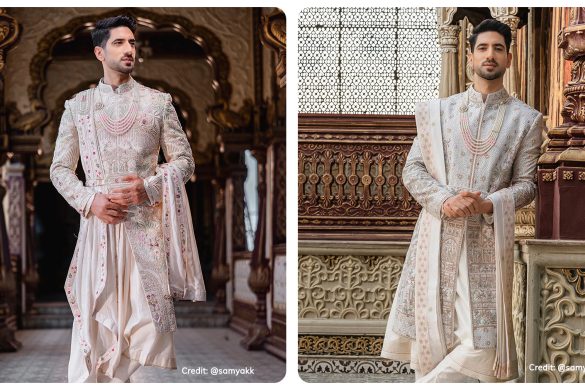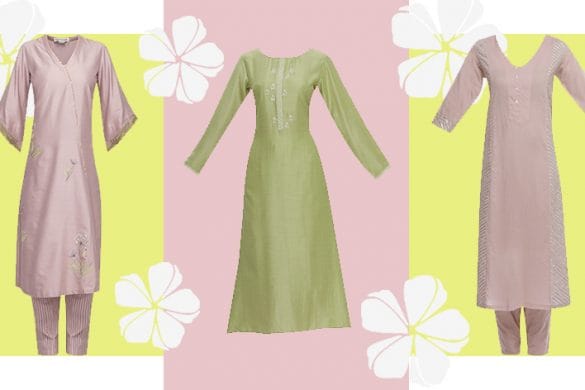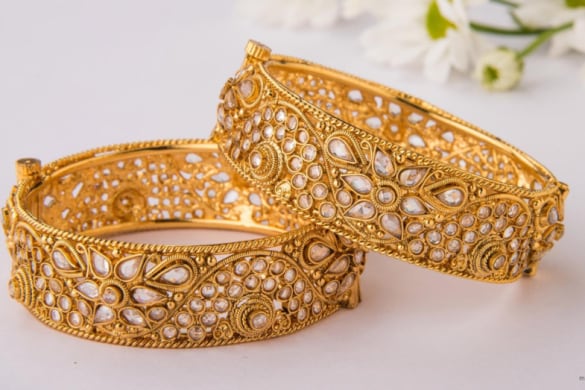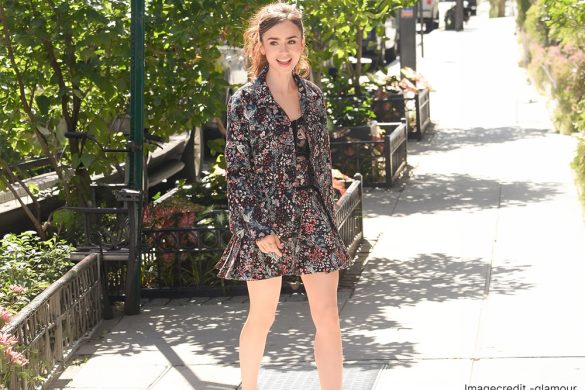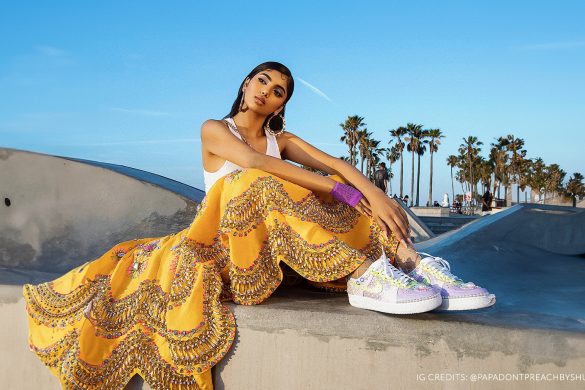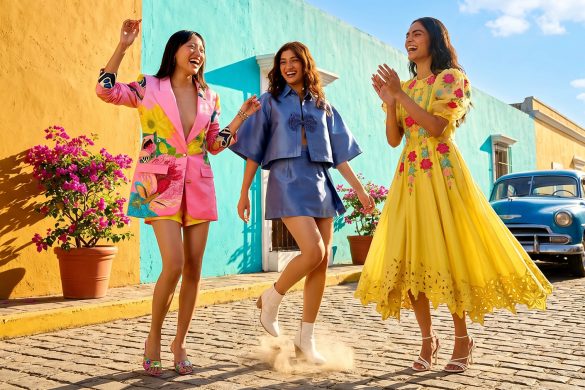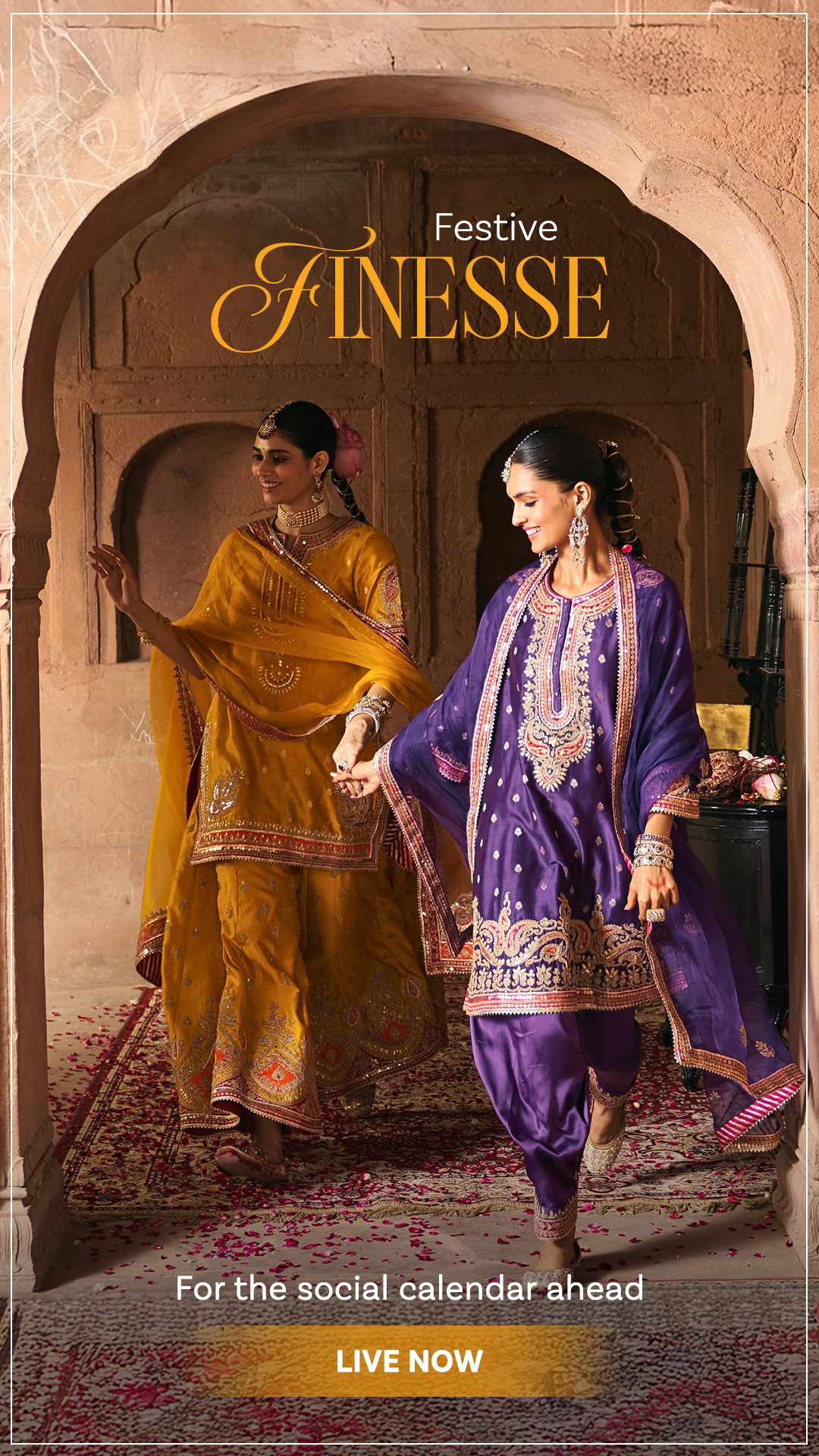
The wedding reception is the evening celebration the event where formal meets festive. The dress code is typically more glamorous and contemporary than the main ceremony, making it the perfect occasion for fashion-forward choices.
For an Indian wedding, women guests should wear a lehenga choli, silk saree, or Anarkali suit in rich jewel tones or pastels avoiding white, black, and bridal red. Men should opt for a sherwani, bandhgala suit, or embroidered kurta with churidar. Dress code varies by ceremony; daytime functions call for lighter fabrics; evening events call for heavier embellishment.
What Is the Dress Code for an Indian Wedding Guest?
Indian weddings are multi-day celebrations, each ceremony carrying its own aesthetic and energy and its own dress code. Unlike Western weddings with a single event, an Indian wedding typically spans three to five functions: Haldi, Mehendi, Sangeet, the Wedding Ceremony, and the Reception. Your outfit choice should align with the formality, timing, and cultural tone of each event.
The general rule: the later and grander the function, the more elaborate your outfit should be.
Outfit formula: Daytime function = lightweight fabric + minimal embellishment + bright colour. Evening function = rich fabric (silk, velvet, georgette) + statement embroidery + jewel tones or metallics.
Mistake to avoid: Wearing a heavily embellished lehenga to a daytime Haldi or Mehendi. Save your showstopper for the Sangeet or Reception.
What Should Women Wear to an Indian Wedding?
Women have the most versatile range of options for Indian wedding guest dressing. The key is choosing the right silhouette for the occasion and your body type.
Lehenga Choli
The lehenga choli remains the most popular choice for Indian wedding guests. A three-piece ensemble flared skirt (lehenga), fitted blouse (choli), and dupatta it offers maximum impact with room for personalisation. At Aza Fashions, designer lehengas by labels like Anita Dongre, Tarun Tahiliani, and Seema Gujral offer the perfect balance of luxury and wearability.
Outfit formula: Organza lehenga in rose gold + embroidered choli + zardozi dupatta + polki earrings + block heels = reception-ready perfection.
Mistake to avoid: Choosing a lehenga that is too heavy to dance in. Opt for georgette or organza over velvet for Sangeet functions.
Saree
The saree is the undisputed classic of Indian wedding fashion. Silk sarees Banarasi, Kanjivaram, Chanderi carry the gravitas of tradition and photograph beautifully. For daytime ceremonies, opt for lighter weaves like chiffon georgette or tissue silk. For evening events, a Banarasi silk or velvet saree with a structured blouse makes a powerful statement.
Outfit formula: Kanjivaram silk saree in emerald green + gold zari border + temple jewellery + gajra = South Indian wedding guest perfection.
Mistake to avoid: Avoid pre-draped sarees that look stiff or overly structured the beauty of a saree lies in its natural drape.
Anarkali Suit
A floor-length Anarkali suit is one of the most comfortable and elegant options for wedding guests who prefer a covered, modest look. Embroidered Anarkalis in silk or net with heavy dupattas translate well across all functions from Mehendi to the Wedding Ceremony.
Outfit formula: Silk Anarkali in deep teal + resham embroidery + sharara pants + chandelier jhumkas = Sangeet showstopper.
Sharara and Gharara Sets
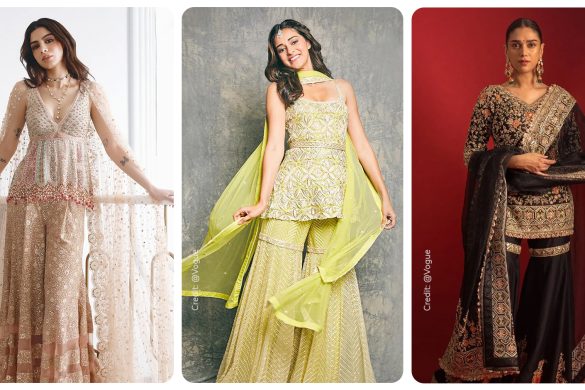
These wide-legged separates are having a major fashion moment at Indian weddings. Sharara sets in silk, organza, or net are perfect for Mehendi and Sangeet functions festive, comfortable, and highly photogenic.
Outfit formula: Mint organza sharara set + gota patti detailing + silver juttis + floral hair accessories = ideal Mehendi look.
What Should You Wear to Each Indian Wedding Function?
Haldi Ceremony
Keep it light, bright, and washable. Turmeric stains, so avoid whites and expensive silk. Opt for cotton-silk, chanderi, or lightweight georgette in yellow, mustard, orange, or marigold tones.
- Best colours: Yellow, marigold, mustard, coral, saffron.
- Best fabrics: Cotton-silk, chanderi, mulmul.
- Avoid: Expensive embroidered pieces, whites, and pale pastels.
Mehendi Function
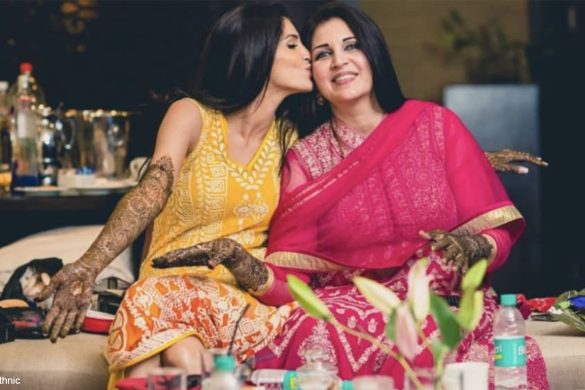
The Mehendi calls for colour and comfort you will be seated for long periods while henna is applied. Choose green, floral prints, or earthy tones. Avoid heavy jewellery on your arms and hands.
- Best colours: Greens (emerald, pista, mint), floral prints, earthy terracottas.
- Best fabrics: Georgette, cotton, crepe.
- Avoid: Heavy bangles and arm jewellery; keep hands free for henna.
Sangeet Night
The Sangeet is the night to dress to impress. High-energy performances and dancing call for outfits that move well but still command attention. A heavily embroidered lehenga, an Indo-Western gown, or a sequinned Anarkali are all excellent choices.
- Best colours: Navy, wine, emerald, gold, metallics, champagne.
- Best fabrics: Georgette, net, velvet.
- Avoid: Pale pastels that wash out under stage lighting; overly restrictive silhouettes.
Wedding Ceremony
The main ceremony is the most formal event and calls for your most elevated outfit. A rich silk saree, a heavily embellished lehenga, or a structured Anarkali in jewel tones are all appropriate.
- Best colours: Maroon, gold, royal blue, emerald, mustard, blush pink. Avoid bridal red.
- Best fabrics: Banarasi silk, Kanjivaram, velvet, brocade.
- Avoid: Bridal red, stark white, and black.
Reception
The Reception is the most fashion-forward event of the wedding calendar. This is where Indo-Western gowns, dramatic lehengas, and contemporary sarees shine.
- Best colours: Gold, silver, midnight blue, champagne, deep plum.
- Best fabrics: Silk, sequinned georgette, chiffon with embellishment.
- Avoid: Casual fabrics like cotton or linen this is an evening gala.
What Colors Should You Wear to an Indian Wedding?
Colour is one of the most important decisions you will make as an Indian wedding guest. The wrong colour can be culturally inappropriate; the right one signals respect and celebration.
Safe, celebratory colours: Pastels (blush, powder blue, mint), jewel tones (emerald, sapphire, ruby), metallics (gold, silver, rose gold), earthy tones (terracotta, mustard, saffron).
Colours to approach with caution:
- White associated with mourning in many Hindu traditions. Avoid unless the invitation specifies otherwise.
- Black traditionally avoided at Indian weddings, though increasingly accepted at urban receptions.
- Bridal red this belongs to the bride. Wear maroon, wine, or coral instead.
What Fabrics Are Best for Indian Wedding Guest Outfits?
Fabric choice determines how your outfit looks, feels, and photographs. At Indian weddings which can last several hours fabric also determines your comfort.
- For daytime functions: Chanderi, mulmul, cotton-silk, georgette.
- For evening functions: Banarasi silk, Kanjivaram silk, velvet, organza, net with embellishment, sequinned georgette.
- For destination weddings: Lightweight organza, tissue silk, and crepe fabrics that travel well and don't crease.
What Jewelry Should You Wear to an Indian Wedding?
Jewelry is the finishing touch that elevates a wedding guest outfit from beautiful to unforgettable.
- For lehengas: Polki or kundan sets with maang tikka, jhumkas, and a statement necklace.
- For sarees: Temple jewellery for South Indian weddings; Jadau or Meenakari for North Indian ceremonies.
- For Anarkalis and sharara sets: Chandelier earrings with minimal neckwear.
Luxury outfit example: Ivory organza lehenga by Tarun Tahiliani + uncut diamond choker + polki maang tikka + statement jhumkas + nude block heels = the ideal wedding ceremony guest look.
Mistake to avoid: Over-accessorising. If your outfit is heavily embellished, choose one statement jewellery piece and keep the rest minimal.
What Footwear Should You Wear to an Indian Wedding?
Footwear at an Indian wedding needs to balance elegance with practicality you will be standing, dancing, and possibly walking across grass or uneven outdoor venues.
- Juttis or mojris traditional embroidered flats that pair beautifully with lehengas and Anarkalis.
- Block heels comfortable for long events; work across all silhouettes.
- Kitten heels elegant and practical for indoor venue ceremonies.
- Kolhapuris ideal for daytime and outdoor functions.
Avoid: Stilettos at outdoor or lawn weddings; bare sandals at religious ceremonies inside a temple or Gurudwara.
What to Wear to an Indian Wedding by Body Type
- Hourglass figure: A fitted choli with a flared lehenga skirt emphasises your waist. A saree draped with a neatly pleated pallu also works beautifully.
- Pear-shaped body: A-line lehengas balance wider hips. A structured blouse with voluminous skirt draws attention upward.
- Apple-shaped body: Empire-waist Anarkalis and floor-length churidar suits elongate the silhouette.
- Petite frame: Vertical embroidery, monochromatic colour palettes, and high-waisted lehengas create the illusion of height.
- Tall frame: All silhouettes work. Lehengas with statement borders and wide-leg shararas look particularly striking.
What NOT to Wear to an Indian Wedding
- Bridal red the bride's colour. Choose maroon, wine, rust, or coral instead.
- All-white outfits associated with mourning in Hindu tradition.
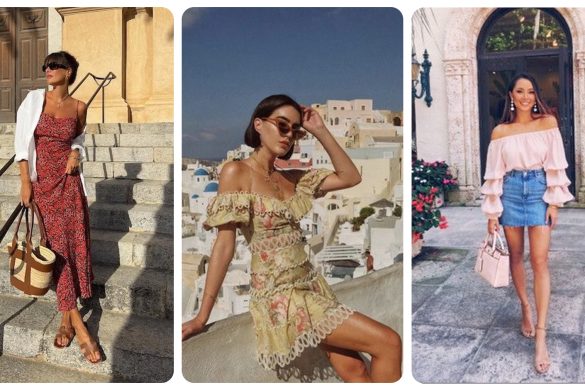
- Western casuals jeans, sundresses, or cocktail dresses are not appropriate for traditional ceremonies.
- Overly revealing outfits Indian weddings are family occasions. Keep necklines and hemlines tasteful.
- Black from head to toe acceptable at some modern receptions, but traditionally best avoided.
- Matching the bride's colour palette if the bride is wearing red, avoid red entirely.
Outfit Formulas for Indian Wedding Guests
- The classic daytime guest: Chanderi silk saree in pastels + delicate pearl earrings + kitten heels + potli bag.
- The Sangeet showstopper: Embroidered georgette lehenga in navy + statement kundan set + strappy heels + clutch.
- The modern Indo-Western look: Organza lehenga skirt + embellished crop top + structured cape + block heels.
- The NRI guest abroad: Silk Anarkali in jewel tones + minimal gold jewellery + strappy sandals.
Common Indian Wedding Guest Styling Mistakes
- Wearing the same outfit to multiple functions. Each ceremony has its own dress code.
- Ignoring the venue. A beach wedding in Goa calls for lighter fabrics; a palace wedding in Rajasthan calls for opulence.
- Underestimating comfort. A beautiful lehenga you cannot dance in is a poor choice for a five-hour celebration.
- Buying purely for photographs. Test your outfit under both natural and artificial light.
- Forgetting a dupatta. Always carry one, especially for religious ceremonies.
Frequently Asked Questions
Can I wear black to an Indian wedding?
Black is traditionally avoided as it is associated with mourning. It is increasingly accepted at urban evening receptions. When in doubt, choose midnight blue or plum instead.
Can I wear white to an Indian wedding?
Avoid wearing white to a traditional Indian wedding; it is the colour of mourning in many Hindu communities.
Can a non-Indian guest wear a saree or lehenga?
Absolutely. Non-Indian guests are warmly welcomed in traditional Indian attire. It is seen as a beautiful gesture of respect and cultural appreciation.
What should I wear to a South Indian wedding?
A Kanjivaram or Patola silk saree in traditional colours like gold, green, or red. Pair with temple jewellery and a neat bun adorned with jasmine.
What should I wear to a Sikh wedding?
Cover your head inside the Gurudwara a dupatta is essential. Choose a salwar suit, Anarkali, or saree in bright colours. Avoid black.
How do I choose between a saree and a lehenga?
A saree is timeless and works across all ages and body types. A lehenga offers more flexibility and is easier if you are unfamiliar with saree draping. Both are equally appropriate for Indian wedding guest wear.
The Aza Edit: Quick Style Guide
- Haldi: Light cotton-silk or chanderi in yellow, mustard, or orange.
- Mehendi: Greens and florals in georgette or cotton; avoid arm jewellery.
- Sangeet: Embellished lehenga or sequinned Anarkali in jewel tones or metallics.
- Wedding Ceremony: Rich silk saree or embellished lehenga in maroon, gold, or royal blue. Avoid bridal red and white.
- Reception: Indo-Western gown, statement lehenga, or contemporary saree in metallics or midnight blue.
- Avoid at all functions: Bridal red, all-white, and overly casual Western wear.