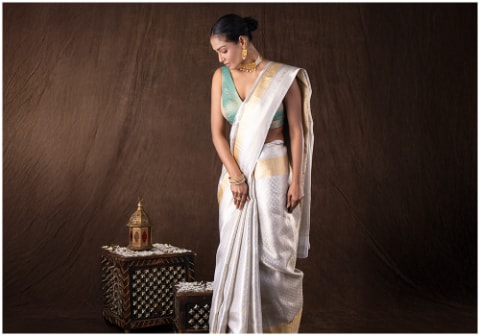
In the vast and colorful world of Indian textiles, some creations stand apart, revered not just for their beauty but for the legacy they carry. The Kanchipuram saree is one such masterpiece. It has rightfully earned the title of the "Queen of Silks" for its unmatched grandeur, exceptional craftsmanship, and profound cultural importance. This is not just a garment; it's a piece of art, a treasured heirloom, and a symbol of grace that transcends time.
A Kanchipuram saree is more than just woven fabric; it is a celebration of heritage passed down through generations. It marks life's most significant moments, from weddings to major festivals, making it a cherished possession in every South Indian family and beyond. But what gives this saree its royal status? Let’s delve into the rich history, intricate artistry, and timeless appeal that make the Kanchipuram saree a true icon of textile excellence.
A Rich History Rooted in a Sacred Town
The story of the Kanchipuram saree begins in the temple town of Kanchipuram in Tamil Nadu, a place renowned for its ancient culture and spiritual significance. The art of weaving in this region dates back centuries, with historical records suggesting it flourished during the Pallava dynasty and continued to be patronized by subsequent rulers like the Cholas and Vijayanagara emperors.
According to legend, the weavers of Kanchipuram are descendants of the master weaver Sage Markanda, who was said to weave tissues for the gods themselves. This divine connection elevated the craft from a mere profession to a sacred art form. For these skilled artisans, weaving a Kanchipuram saree was an act of devotion, and this reverence is evident in every thread. When you drape a Kanchipuram saree, you are not just wearing a beautiful piece of clothing; you are embracing a piece of living history.
The Art of Weaving: A Labor of Love and Precision
The creation of a Kanchipuram saree is a meticulous and demanding process that showcases the pinnacle of handloom artistry. Each saree is handwoven by master artisans who dedicate weeks, and sometimes even months, to completing a single drape.
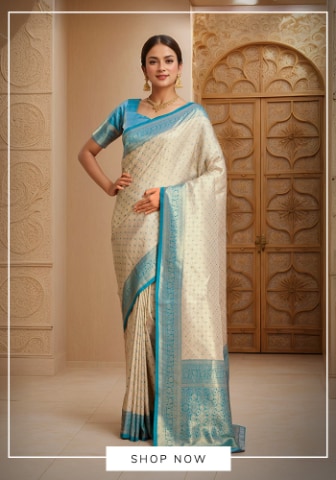
The journey begins with sourcing the finest raw materials. The lustrous mulberry silk yarn comes from neighboring Karnataka, while the pure gold and silver Zari threads, which give the saree its signature shimmer, are sourced from Gujarat. The silk threads are first dyed in vibrant colors and then starched to give them stiffness and strength.
One of the most unique features of a Kanchipuram saree is the way its body, border, and pallu are woven separately and then interlocked with a strong weave known as the korvai. This technique is so intricate that it requires two weavers working in tandem on the loom. The point where the body meets the pallu is marked by a distinctive zig-zag line called the pitni. This complex process not only results in a durable garment but also allows for the stunning contrast of colors and patterns that these sarees are famous for.
Defining Features of the Queen of Silks
Several elements distinguish a Kanchipuram saree and contribute to its royal reputation.
The Lustrous Silk and Pure Zari
The hallmark of an authentic Kanchipuram saree is the quality of its silk. The pure mulberry silk used is renowned for its thickness, durability, and natural sheen. This high-quality silk gives the saree its characteristic weight and beautiful drape. The traditional Zari used for the borders and pallu is made by twisting a fine silver wire around a silk thread, which is then dipped in pure gold. This gives the saree a radiant glow and a truly regal feel.
Symbolic and Intricate Motifs
The designs woven into Kanchipuram sarees are inspired by nature, mythology, and the magnificent temples of South India. Common motifs include peacocks, swans, parrots, mangoes (manga), and temple towers (gopuram). These motifs are not merely decorative; they carry deep symbolic meanings related to prosperity, fertility, and spirituality. The intricate patterns, whether checks, stripes, or floral buttas, are woven with mathematical precision, turning the saree into a visual narrative.
Vibrant and Contrasting Colors
Kanchipuram sarees are celebrated for their brilliant color combinations. The use of contrasting colors for the body and the border is a signature feature. You might find a vibrant green body paired with a deep maroon border or a royal blue with a striking orange pallu. This play of colors, achieved through the korvai technique, creates a stunning visual impact that is both traditional and timeless.
Cultural Significance and Enduring Appeal
The Kanchipuram saree holds deep emotional and cultural value in India. It is an indispensable part of a bride's trousseau in South India, symbolizing purity, auspiciousness, and the sanctity of marriage. These sarees are often passed down from mothers to daughters, becoming cherished heirlooms that connect generations.
Despite the ever-changing tides of fashion, the Kanchipuram saree has remained a constant symbol of elegance. Its classic design and graceful drape have an unfading appeal that resonates with every generation. Today, it has earned global recognition and is admired by fashion enthusiasts and designers worldwide for its exquisite craftsmanship. Celebrities and brides from different cultures choose this saree for its ability to blend tradition with a modern aesthetic effortlessly.
The Legacy Continues
The title "Queen of Silks" is not just a poetic expression; it is a recognition of the centuries of dedication, artistry, and cultural pride woven into every Kanchipuram saree. Each drape is a testament to the weaver's skill, a story told through threads of silk and gold.
Owning a Kanchipuram saree is like owning a piece of timeless art. It embodies the grace of tradition and the promise of enduring beauty. The rich heritage and meticulous craftsmanship ensure that this royal drape will continue to reign supreme in the world of textiles for generations to come. For those looking to experience the true essence of this iconic craft, a thoughtfully curated collection at a retailer like Aza Fashions can offer a glimpse into the majestic world of Kanchipuram silks.