Winter weddings have a mood all their own. The air is crisper, the celebrations feel more intimate, and the colour palette shifts into something deeper and moodier. This is the season for candlelit mandaps, layered drapes, and fabrics that actually make sense against cooler temperatures. Which brings us to velvet, the one fabric that seems built for exactly this kind of bridal moment.
There's a reason stylists keep circling back to velvet lehengas every winter. It's not just the warmth, though that matters when your wedding falls in December. It's the way velvet catches light, holds embroidery, and gives every silhouette a kind of quiet drama that chiffon or georgette simply can't replicate.
If you're a winter bride still deciding on your fabric, here's why velvet deserves a serious look.
Why Velvet Makes Sense for Winter Weddings
Velvet isn't just beautiful. It's practical in a way that bridal fabrics rarely are. The pile weave traps warmth, so you're not shivering through an outdoor ceremony or a late-night reception. That alone makes a velvet bridal lehenga worth considering if your wedding involves any time outside.
Then there's the texture. Velvet has a depth and richness that photographs beautifully, especially under warm, low lighting. It doesn't just sit on the body; it moves with it, catching shadows and highlights in a way that feels almost cinematic. Add to that its natural association with luxury (think old-world royalty, winter palaces, heirloom textiles) and you get a fabric that feels inherently bridal without trying too hard.
The Velvet Lehenga Colour Edit
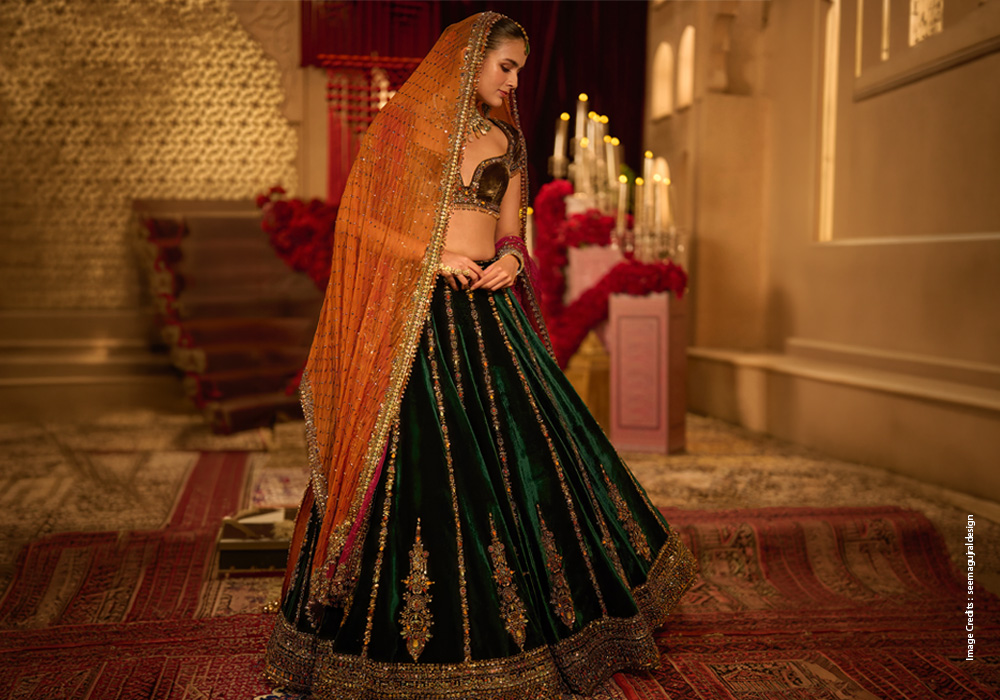
This is where velvet really earns its reputation. Deep jewel tones are made for this fabric, and winter weddings are the perfect excuse to go bold.
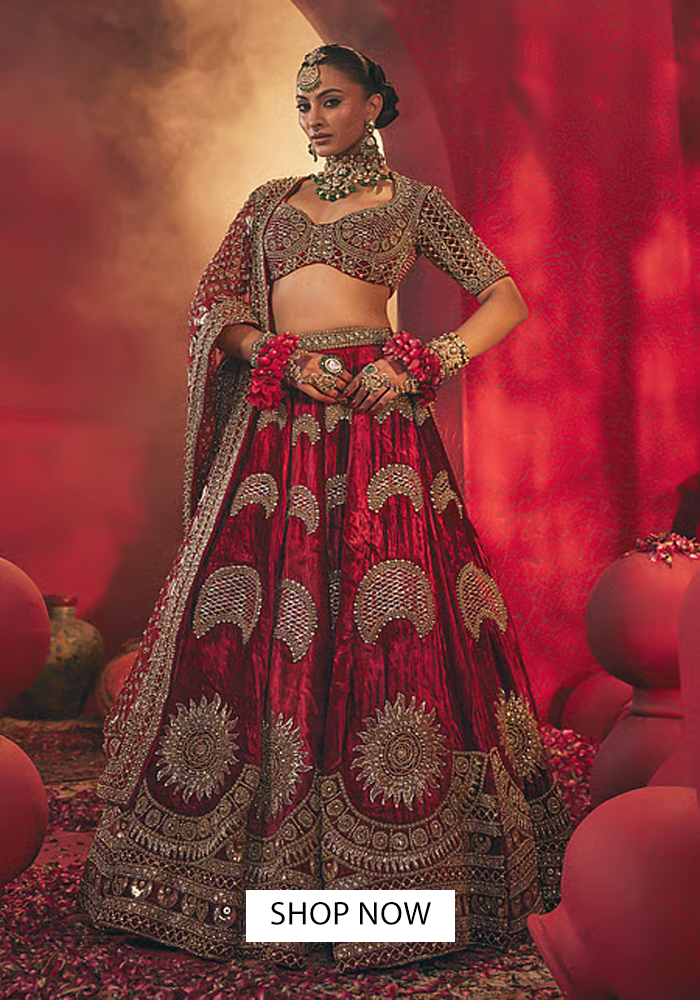
Wine and burgundy bring a sense of old-world romance, especially when paired with gold embroidery. Emerald green feels fresh and a little unexpected for bridalwear, while still reading as rich and formal. Midnight blue is for the bride who wants drama without going fully traditional. Plum sits somewhere between red and burgundy, offering warmth without the expected bridal cliché. And classic red, well, red on velvet is its own kind of statement. It's timeless, but velvet gives it a weight and gravity that silk alone doesn't.
The common thread across all these shades is mood. A winter wedding lehenga in any of these tones instantly feels more intentional, more considered, less like a safe bridal choice and more like a personal one.
Embroidery That Makes a Statement
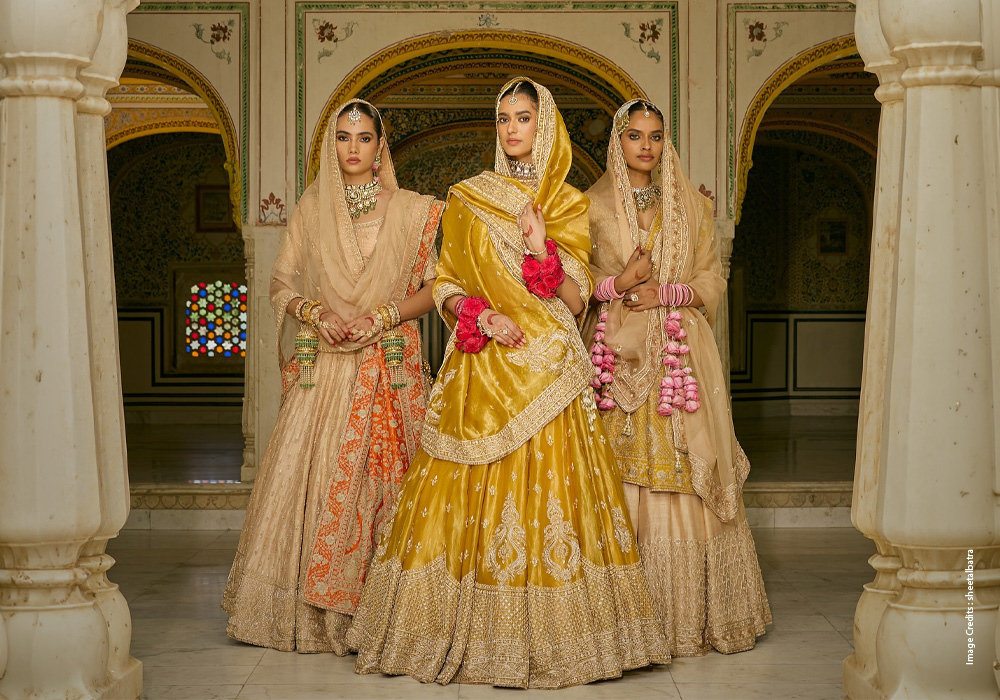
Velvet's dense weave is genuinely made for embroidery. It holds intricate threadwork in a way lighter fabrics struggle to, which is why designers love pairing it with zardozi, zari, and antique gold detailing.
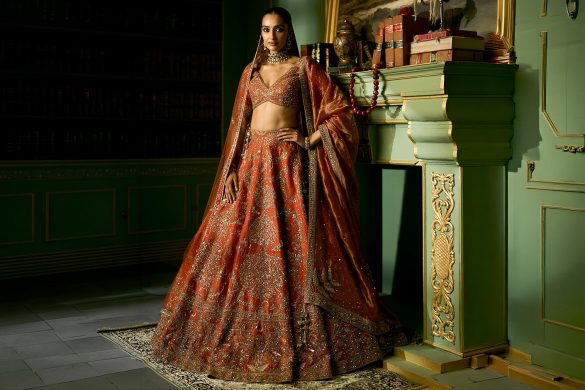
Zardozi on velvet has a sculptural quality. The metallic threadwork sits raised against the deep base colour, creating contrast that's hard to miss. Antique gold embroidery, in particular, pairs beautifully with velvet's richness, giving the whole look a slightly vintage, heirloom feel without looking dated.
Sequins and traditional embellishments work differently here too. On velvet, they don't overwhelm the fabric. They punctuate it. The result is a lehenga that feels detailed and considered, not overdone.
Silhouettes Worth Considering
A designer velvet lehenga doesn't have to mean an overly structured, stiff silhouette. There's actually a lot of room to play here.
Voluminous velvet lehengas with heavily embroidered skirts bring the kind of drama you'd expect from a statement bridal look, especially for a big, traditional ceremony. But contemporary blouse designs, think corset-inspired cholis or structured necklines, bring a sharper, more fashion-forward edge to the whole outfit. It's a nice contrast: a classic, voluminous skirt paired with a blouse that feels current.
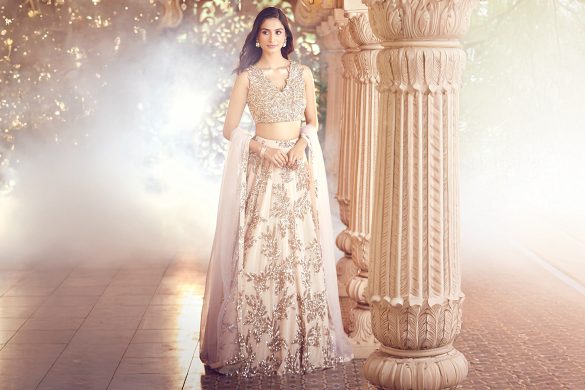
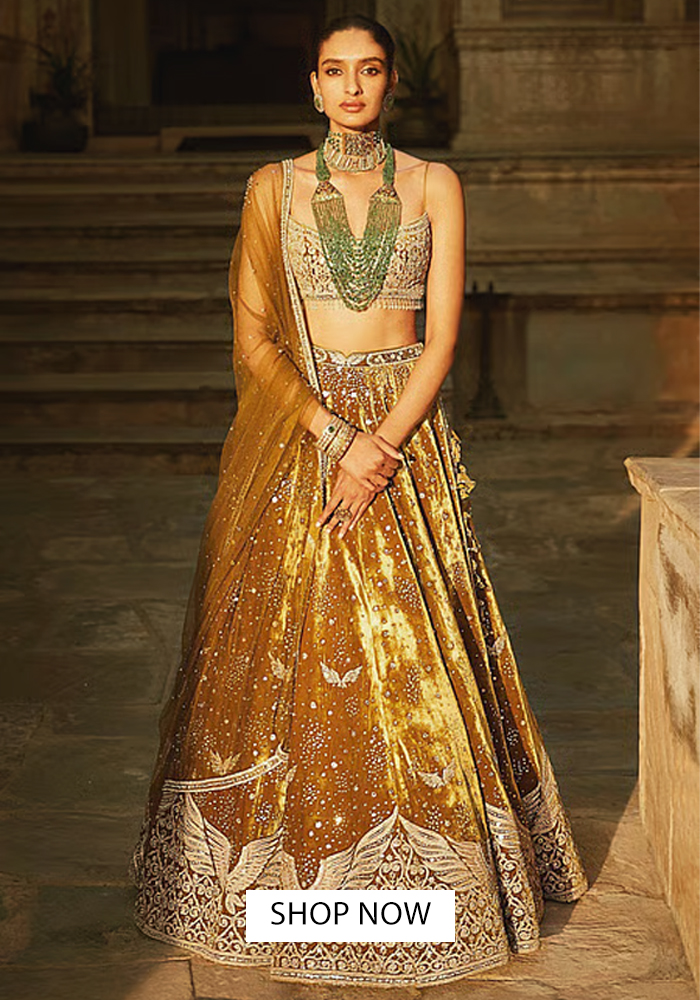
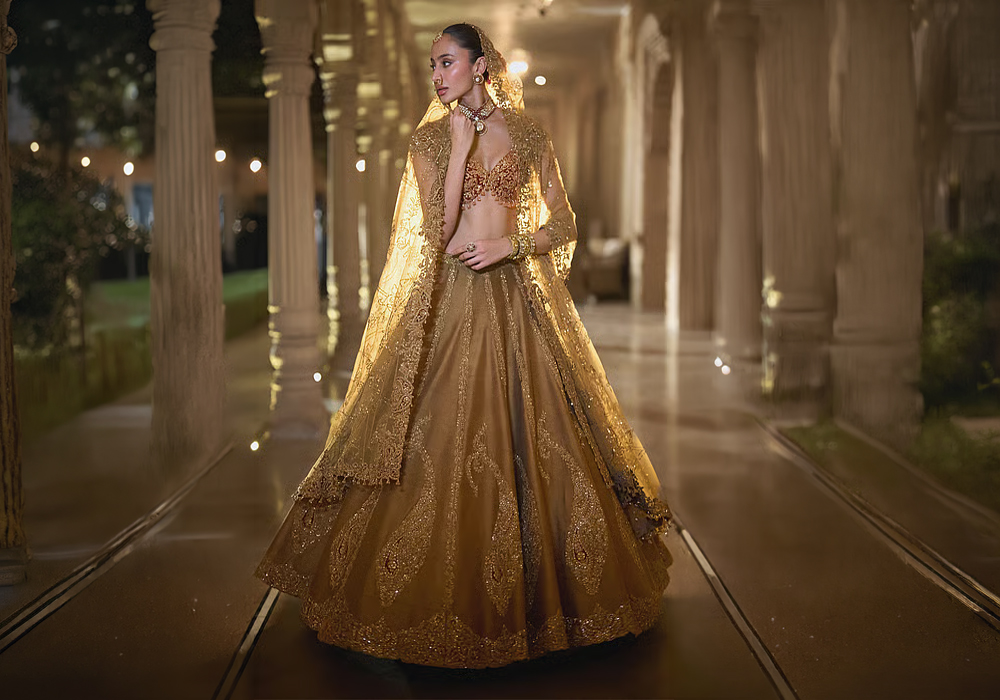
Dupatta styling matters just as much as the lehenga itself. A heavily embellished dupatta draped over one shoulder gives a more traditional finish, while a sheer, lighter dupatta layered differently can soften the overall weight of the velvet and keep the look from feeling too heavy.
Styling Your Velvet Bridal Look
Velvet already does a lot of the visual work, so styling becomes about balance, not addition.
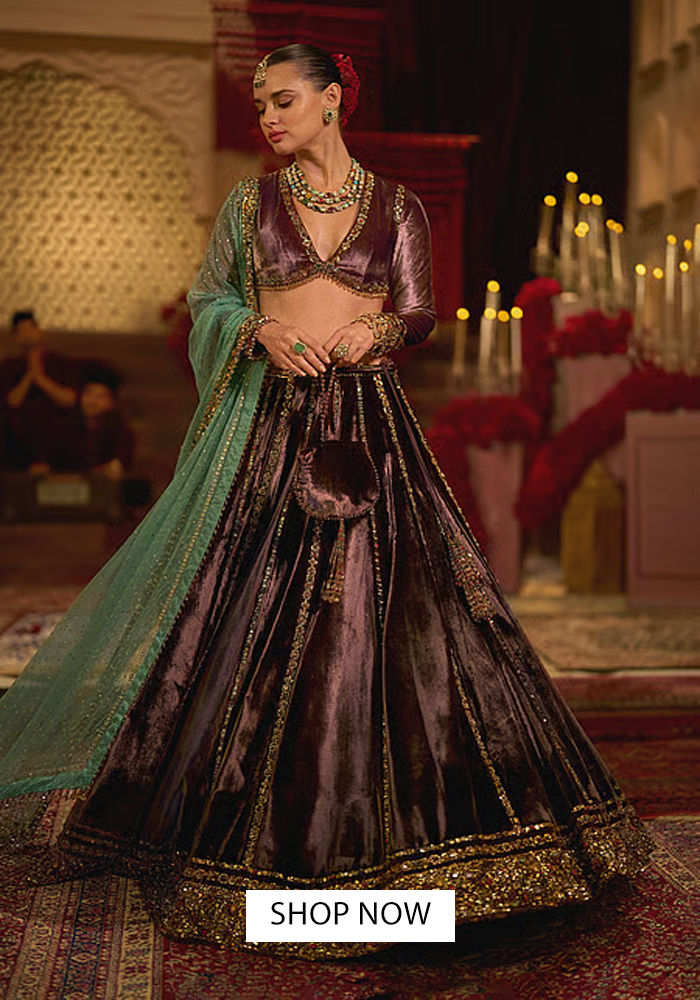
Statement kundan jewellery or a polki set works beautifully against the fabric's deep base colour. Layered necklaces add dimension without competing with the embroidery, and a well-placed maang tikka finishes the look without overcrowding it. The key is restraint. Because velvet lehengas tend to already carry heavy embroidery, the smartest styling choice is often to let one element lead, whether that's the jewellery or the embellishment, rather than maximizing both at once.
Footwear matters more than brides tend to think. Structured heels or embellished juttis in metallics (gold, bronze, antique silver) tend to complement velvet better than overly ornate options that pull focus from the outfit.
Making Velvet Feel Modern
Here's the thing about velvet: it can easily lean traditional if you let it. But the fabric itself is far more versatile than its reputation suggests.
Unexpected colour pairings, like a deep plum lehenga with a contrasting ivory or champagne blouse, instantly shift the look into something more fashion-forward. Contemporary blouse cuts (off-shoulder necklines, structured sleeves, unconventional backs) also help velvet feel less like a costume and more like an actual outfit a modern bride would choose.
Minimal styling helps too. Instead of layering on every traditional accessory, choosing one or two statement pieces and letting the velvet and embroidery do the talking creates a cleaner, more editorial finish. And draping, whether it's an asymmetric dupatta or an unconventional pleat, can completely change how traditional or modern the final look feels.
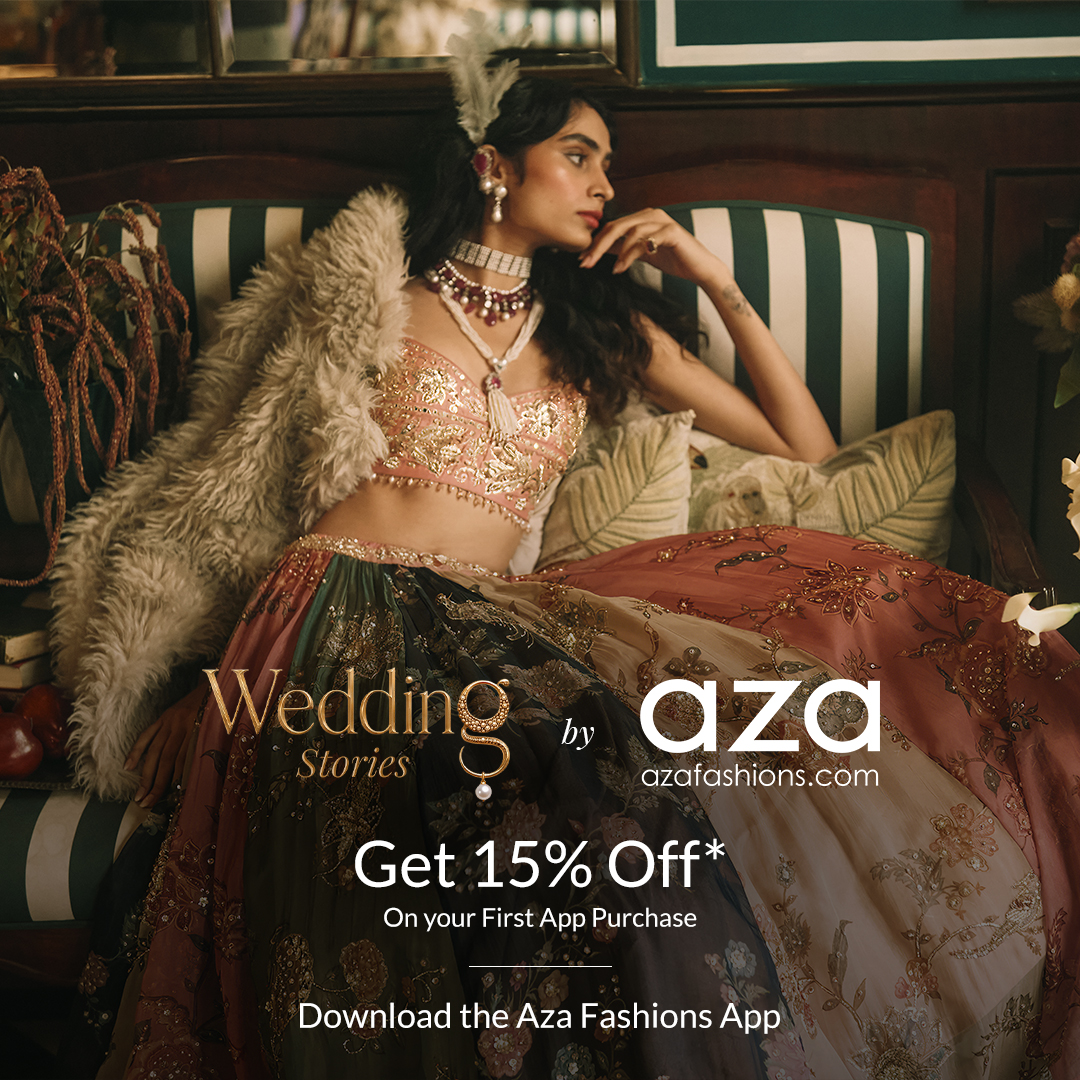
If you're exploring options, platforms like Aza are a solid starting point for browsing designer bridal lehengas across different weights, embroidery styles, and price points, especially if you want to compare velvet against other winter-appropriate fabrics before committing.
Velvet Is More Than a Seasonal Choice
What makes velvet genuinely special isn't just that it suits winter weddings logistically. It's that the fabric brings a kind of depth and presence that's hard to recreate elsewhere. A velvet lehenga doesn't just dress a bride for the season, it gives the whole look a sense of permanence, like something that will still feel relevant and beautiful years from now, not just on the wedding day itself.
For a winter bride weighing her options, that's worth considering. Velvet isn't a trend you're borrowing for one season. It's a fabric with enough weight, texture, and history to become the thing people remember about your wedding photos a decade from now.