
Layering is the secret to staying warm and stylish all winter here’s how to master it every single day. When the temperatures drop, simply piling on clothes can leave you feeling bulky, uncomfortable, and even too warm once you step indoors. The art of layering is about strategic choices that provide insulation, comfort, and a polished look. It’s about creating a versatile outfit that adapts to changing environments, whether you're commuting in the cold, sitting in a warm office, or enjoying a brisk walk.
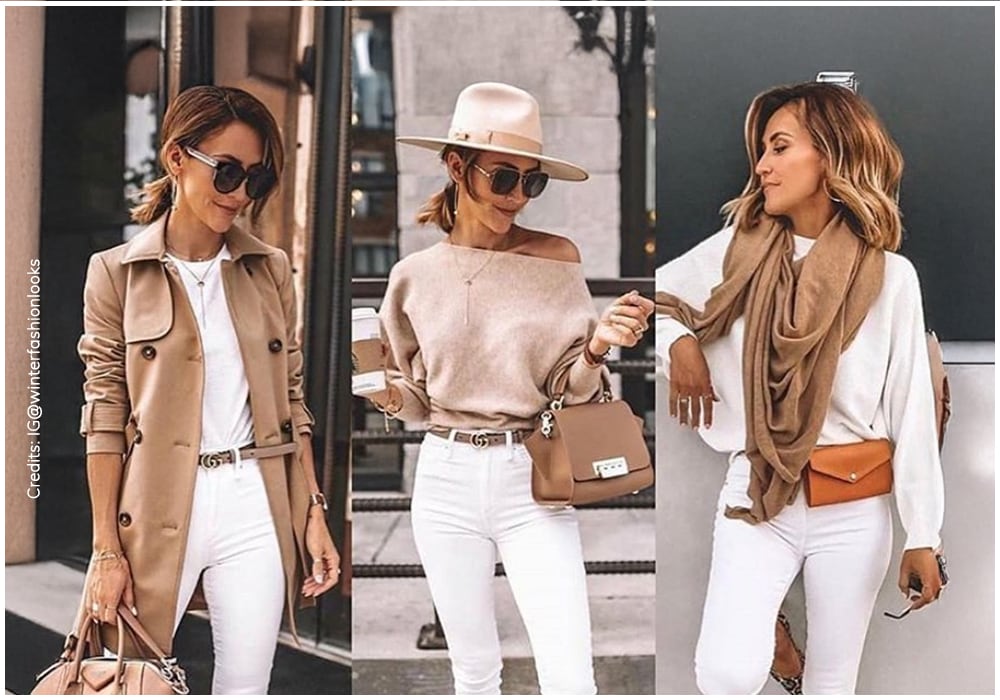
This guide will walk you through everything you need to know about smart winter layering. We’ll break down the fundamental 3-layer formula, share 10 essential tips for everyday dressing, and explore how to apply these techniques for different occasions and body types. Get ready to transform your winter wardrobe from bulky to brilliant.
What Is Layering in Winter Fashion?
At its core, winter layering is the practice of wearing multiple garments on top of one another to trap body heat and create a barrier against the cold. But it’s more than just piling on sweaters. Smart layering involves a strategic, three-part formula that ensures you stay warm, dry, and comfortable.
- The Base Layer: This is the layer closest to your skin. Its primary job is not to provide warmth, but to wick away sweat and moisture to keep you dry. A damp base layer can make you feel cold, regardless of what you wear on top.
- The Mid Layer: This is your insulation layer. Its purpose is to trap your body heat and keep you warm. This is where your sweaters, fleeces, and hoodies come into play.
- The Outer Layer: This is your shield against the elements. The outer layer protects you from wind, rain, and snow. It’s your first line of defense against the harshest winter conditions.
Everyday winter dressing demands this kind of intelligent layering. It allows you to easily remove a layer when you move from the cold outdoors to a heated indoor space, giving you complete control over your comfort and style.
The 10 Best Winter Outfit Layering Tips
Mastering the art of layering is easy with these ten practical tips. Integrate them into your daily routine to stay cozy and chic all season long.
Start With a Moisture-Wicking Base Layer
Your first layer is the foundation of your outfit. Choose fabrics that pull moisture away from your skin. Cotton is a poor choice for a base layer, as it absorbs sweat and stays wet, making you feel colder. Instead, opt for materials like merino wool, bamboo fabric, or synthetic thermal tops. These fabrics keep you dry and comfortable, regulating your body temperature effectively.
Choose Warm but Lightweight Mid Layers
The mid layer is all about insulation without the bulk. Look for pieces that offer significant warmth for their weight. Excellent options include merino wool pullovers, cashmere sweaters, fleece jackets, and thin down vests. You can even layer two thin mid-layers, like a cardigan over a fitted sweater, for added warmth and versatility.
Add a Stylish Outer Layer for Protection
Your outermost layer should be both functional and fashionable. It needs to block wind and precipitation while completing your look. Depending on the weather and occasion, you could choose a classic wool trench coat, a practical puffer jacket, or a sleek longline coat. A good outer layer should have enough room to comfortably fit over your base and mid layers without feeling tight.
Mix Textures to Look Stylish, Not Bulky
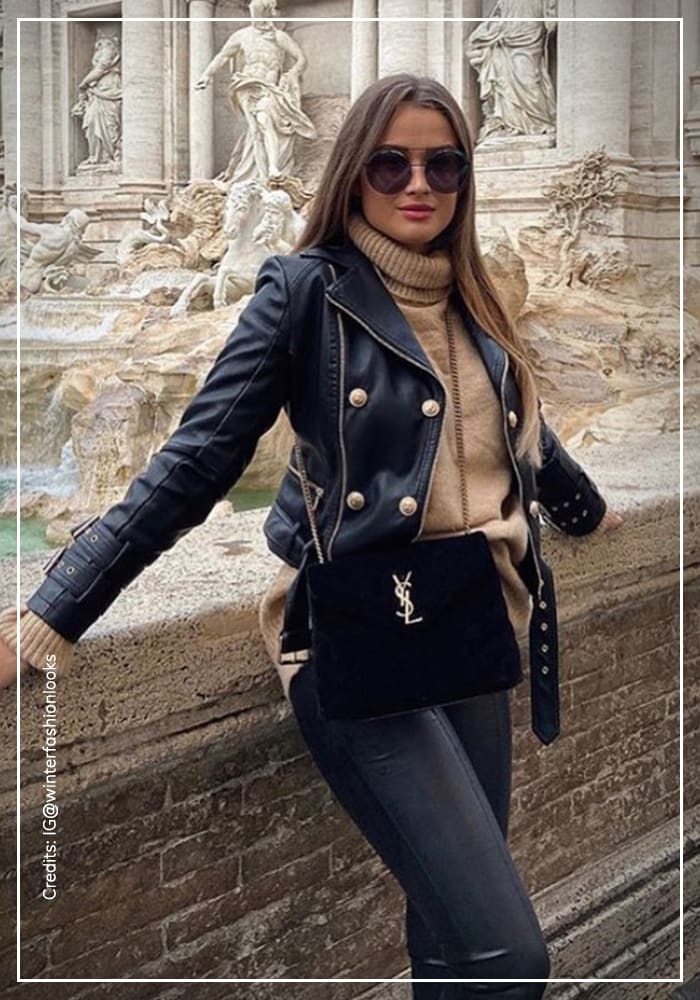
One of the best ways to add visual interest and avoid a bulky silhouette is to mix different textures. Combining various materials creates depth and dimension, making your layered outfit look intentional and stylish. Try pairing a soft knit sweater with faux leather pants, a chunky wool coat with denim jeans, or a silk camisole under a cashmere cardigan.
Use Thin Yet Warm Fabrics
You don't need thick, heavy materials to stay warm. Modern textiles offer incredible insulation in a lightweight package. Invest in pieces made from cashmere, merino wool, and fleece-lined fabrics. Heat-tech garments are also fantastic, as they are engineered to generate and retain warmth without adding any bulk, making them perfect for base layers.
Belt Your Layers for Shape
An oversized sweater or a long cardigan can sometimes hide your figure. A simple trick to define your waist and create a more flattering silhouette is to add a belt. You can belt a thick sweater, a cardigan, or even your outer coat. This instantly cinches in your waist, adds structure to your outfit, and prevents you from looking lost in your layers.
Layer With Scarves, Caps & Gloves
Accessories are your "fourth layer" and are crucial for sealing in warmth. A significant amount of body heat is lost through your head and neck. A stylish scarf, beanie, or wool cap adds a pop of color or texture while providing essential insulation. Gloves are non-negotiable for protecting your hands from the cold.
Invest in Good Winter Bottoms
Don't let all your layering efforts go to waste by neglecting your bottom half. Your legs need protection too. Fleece-lined leggings, thermal tights worn under trousers, wool-blend pants, and corduroys are all excellent choices. For a more casual look, fleece-lined jeans offer the classic style of denim with hidden warmth.
Play With Lengths for a Flattering Look
Varying the lengths of your layers creates a visually appealing and elongating effect. This is a key styling technique to avoid looking boxy. For example, wear a long coat over a shorter sweater and a tucked-in base layer. You can also pair an oversized sweater with fitted bottoms to balance proportions. This contrast in lengths adds sophistication to your outfit.
Choose the Right Footwear for Winter
The right shoes will keep your feet warm, dry, and complete your layered look. Insulated, water-resistant boots are a winter essential. Ankle boots work well with a variety of outfits, from jeans to dresses with tights. For milder days, insulated sneakers can be a comfortable and stylish option. Always pair them with warm socks, preferably made from wool or a thermal blend.

Common Layering Mistakes to Avoid
Even with the best intentions, it's easy to make a few layering missteps. Here are common mistakes to steer clear of:
- Wearing Thick Layers Instead of Smart Layers: Piling on a few very thick items is less effective than wearing multiple thinner layers. Thin layers trap air between them, which acts as an excellent insulator.
- Wrong Fabric Combinations: Avoid a cotton base layer at all costs. Similarly, don't wear a non-breathable outer layer if you expect to be active, as it will trap sweat.
- Over-Accessorizing: While accessories are important, too many can look cluttered. Choose one or two key pieces, like a scarf and a beanie, to complement your outfit.
- Ignoring Bottom-Layer Insulation: Focusing only on your top half will leave you feeling unbalanced and cold. Warm trousers or layered leggings are essential.
Winter Layering for Different Body Types
Layering can be flattering for every body type with a few simple adjustments.
- Petite: Avoid being swallowed by fabric. Opt for cropped jackets, stick to fewer layers, and use belts to define your waist. Playing with lengths by wearing a shorter jacket over a longer top can create the illusion of height.
- Plus-Size: Choose longline coats and cardigans that create a sleek vertical line. V-neck sweaters can be very flattering. Use a belt to accentuate your curves and prevent your outfit from looking shapeless.
- Tall: You can pull off longer lengths and more dramatic proportions. Experiment with oversized coats and wide-leg trousers. Layering multiple long pieces, like a long cardigan under a long coat, can look incredibly chic.
- Curvy: Highlight your shape by cinching layers at the waist. Wrap coats and belted cardigans are excellent choices. Pair voluminous tops with more fitted bottoms to maintain a balanced silhouette.
How to Maintain & Care for Layered Winter Clothes
Proper care will extend the life of your winter investment pieces.
- Washing: Always check the care label. Wash wool and cashmere in cold water on a gentle cycle or by hand. Lay them flat to dry to prevent stretching. Fleece can typically be machine-washed.
- Storing: Fold heavy sweaters instead of hanging them to avoid shoulder bumps and stretching. Store coats in breathable garment bags.
- Pilling: Use a fabric shaver or a sweater comb to gently remove pills from knitwear.
- Boots: Clean and treat leather and suede boots with a water-protectant spray at the beginning of the season.
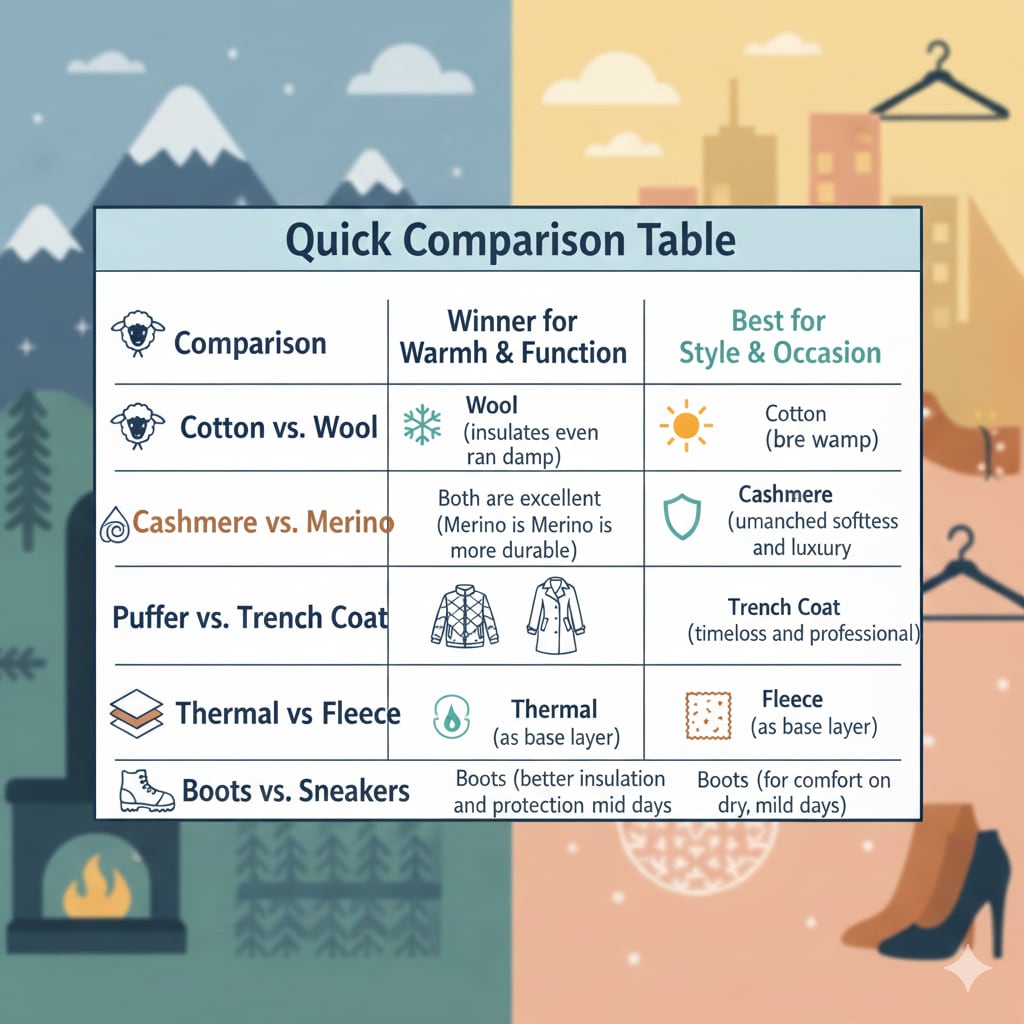
Quick Comparison Table
Frequently Asked Questions
What is the best way to layer clothes in winter?
The best way is to use the 3-layer formula: a moisture-wicking base layer (like merino wool), an insulating mid layer (like a fleece or sweater), and a protective outer layer (like a windproof coat).
How can I layer without looking bulky?
To avoid bulk, use thin, warm fabrics like cashmere and merino wool. Mix textures, play with different lengths, and use a belt to define your waist.
Which fabrics are best for winter layering?
Merino wool, cashmere, fleece, and synthetic performance fabrics (like those in heat-tech garments) are best. Avoid cotton for base layers.
Are thermals necessary for winter?
In cold climates, yes. Thermals act as an effective base layer to wick away sweat and provide an initial layer of warmth, making a significant difference in your overall comfort.