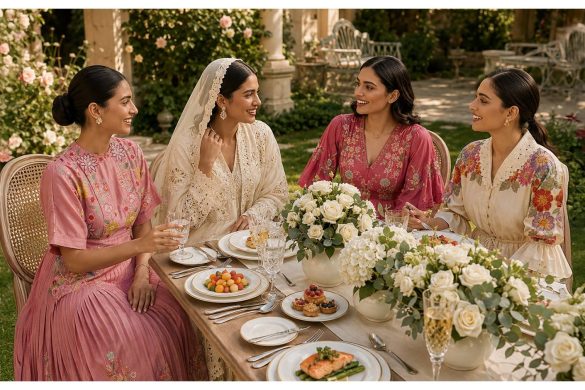
The bride's mother should choose outfits that feel elevated but comfortable, think structured sarees, anarkalis, or lehengas in rich winter tones like deep maroon, emerald, or gold. Pick fabrics with weight (velvet, silk, brocade) for colder months, avoid colors too close to the bride's palette, and pair each function with a silhouette that matches its energy.
Every mother of the bride knows this feeling: you want to look stunning, but you also don't want to steal focus or clash with what your daughter has planned. Here's the thing, though. You don't have to choose between elegance and restraint. The best outfits for this role do both.
Finding the Right Silhouette
Not every function calls for the same cut, and that's actually good news. You get variety.
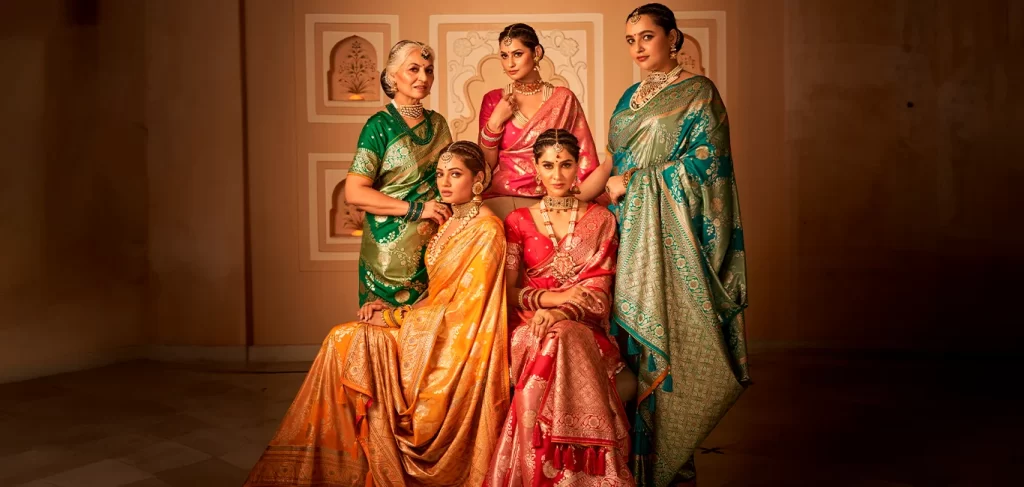
Sarees remain a classic choice for mothers of the bride because they drape beautifully and photograph well in every lighting. A structured pre-draped saree takes the guesswork out of styling while still giving you that traditional, regal look.
Lehengas work wonderfully for the sangeet or reception, especially if you want something with a bit more movement. Look at the Parents' Prestige Edit, which is curated specifically with this role in mind.
Anarkalis offer the best of both worlds: flowing, flattering, and formal enough for the actual wedding ceremony. A well-cut anarkali set with subtle embroidery hits that sweet spot between festive and refined.
Sharara sets are having a real moment right now, particularly for daytime functions like the haldi or mehendi. They're comfortable, easy to move in, and still feel celebratory.
If you want something a little different for the reception, a co-ord or gown-saree hybrid gives you modern polish without losing the Indian silhouette entirely.
Winter Fabrics and Colors That Work
Since so many weddings fall in the November to December window, fabric choice matters more than people realize. Velvet, raw silk, and brocade hold up beautifully in cooler weather and add visual richness that lighter fabrics just can't match.
For color, think jewel tones: emerald, wine, deep teal, and gold. These shades photograph beautifully against winter backdrops and work across skin tones. Browse the velvet and brocade edit for inspiration if you're not sure where to start.
How to Avoid Clashing With the Bride
This is the part that causes the most stress, and honestly, it's simpler than it feels. Ask your daughter early what colors and silhouette she's leaning toward for each function. Once you know that, steer clear of her exact palette and anything too close to it. If she's wearing red for the wedding, you're safer in emerald, navy, or gold rather than a different shade of red that might photograph similarly.
Function-by-Function Outfit Ideas
- Mehendi: Light, breathable pastels or soft pinks in a kurta set or sharara. Comfort matters most here since you'll be on your feet.
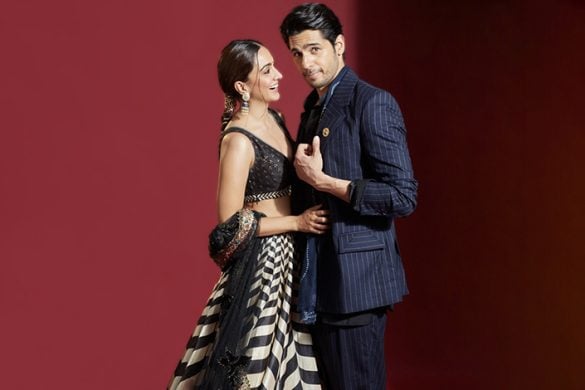
- Sangeet: This is where you can go bold. A sequined or embellished lehenga, or a statement gown, works beautifully for dancing and photos alike.
- Wedding: A traditional silk saree or a structured anarkali feels appropriate and dignified for the ceremony itself.
- Reception: Save your most glamorous piece for this one, whether that's a draped gown-saree or a richly embroidered lehenga.
Comfort, Fit, and Jewellery
No outfit works if you can't move in it or sit comfortably through a long ceremony. Always get blouses and bodices tailored closer to the event date, not months in advance, since fit can shift.
For jewellery, let the outfit lead. A heavily embroidered lehenga calls for simpler, statement earrings rather than a full set. Lighter sarees can handle more layered jewellery like a kundan necklace set without feeling overdone.
What this really means is that your outfit choices across the wedding season should feel like a cohesive story, not five unrelated looks. Start early, coordinate colors with your daughter, and prioritize fabrics that hold up through long winter functions.
FAQs
What colors should the bride's mother avoid wearing?
Avoid wearing the exact same color or shade as the bride, and steer clear of pure white or ivory, which is traditionally reserved for the bride in most ceremonies.
Should the mother of the bride wear a saree or a lehenga?
Either works well. Sarees suit more formal, traditional functions like the wedding ceremony, while lehengas feel right for the sangeet or reception where movement and energy are higher.
How far in advance should outfits be altered?
Aim to finalize alterations two to three weeks before the event, since body shape and fit can shift closer to the wedding date due to stress or schedule changes.
What fabric works best for a November or December wedding?
Velvet, silk, and brocade are ideal. They add visual richness and keep you warm during outdoor winter functions.