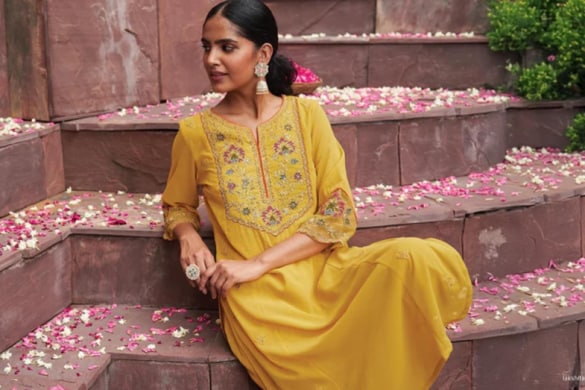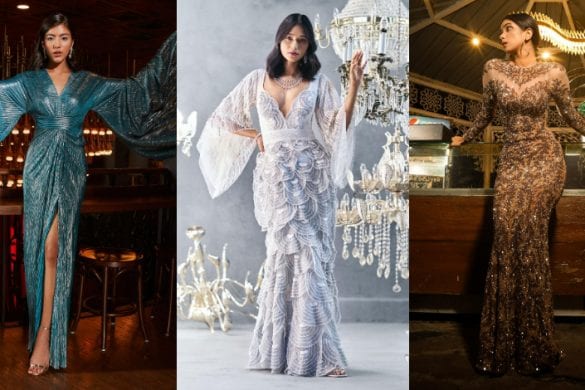
In the world of Indian ethnic fashion, few silhouettes are as iconic and beloved as the Anarkali and the Angrakha. Both styles are synonymous with grace, royalty, and timeless beauty. Whether you are attending a wedding, a festive celebration, or a family gathering, you have likely considered wearing one of these stunning outfits. But while they might share a similar flair and grandeur, they are distinctly different in their history, cut, and vibe. Choosing between an Anarkali and an Angrakha can be tricky if you aren't sure what sets them apart. Is one more formal than the other? Which one flatters your body type better? In this guide, we will break down the key differences between these two legendary styles so you can make the perfect choice for your next big event.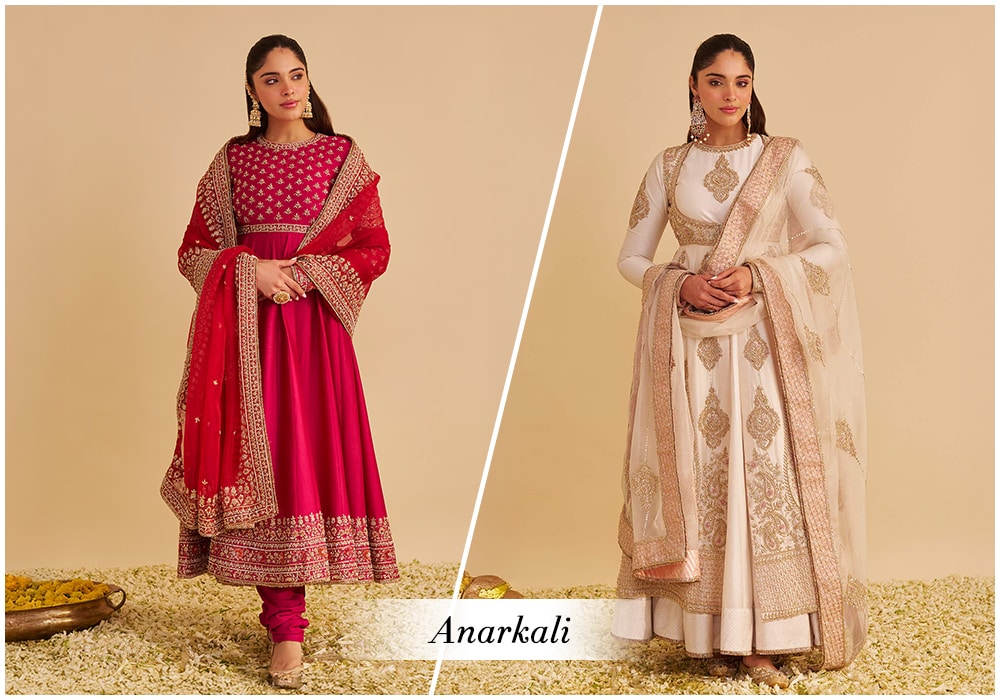 The Anarkali suit is named after the legendary courtesan Anarkali from the Mughal court of Emperor Akbar. The name itself translates to "pomegranate blossom," hinting at the delicate and vibrant nature of the outfit. It is a symbol of Mughal grandeur and has been a staple in Indian fashion for centuries.
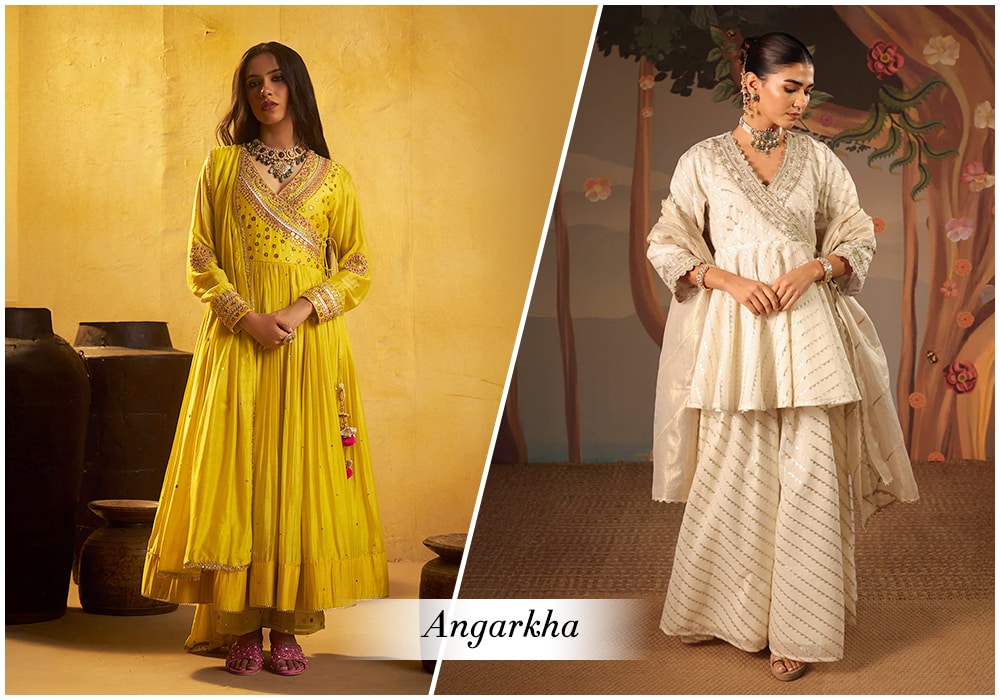 rt The Angrakha has a slightly more rugged and historic origin. The word "Angrakha" comes from the Sanskrit word "Angarakshak," which means "protector of the body." Originally worn by men in ancient India, specifically warriors and royals in Rajasthan and Gujarat, it eventually evolved into a popular style for women as well.
What Is an Anarkali?
The Anarkali suit is named after the legendary courtesan Anarkali from the Mughal court of Emperor Akbar. The name itself translates to "pomegranate blossom," hinting at the delicate and vibrant nature of the outfit. It is a symbol of Mughal grandeur and has been a staple in Indian fashion for centuries.Key Features of an Anarkali
The Silhouette: An Anarkali is essentially a frock-style kurta. It is fitted at the bodice (chest and waist) and then flares out dramatically from the waist down. The flare is created by stitching together multiple panels, known as "kalis," which give the outfit its name and voluminous swirl. The Length: Traditionally, Anarkalis are long, often reaching the ankles or even floor-length, resembling a gown. The Neckline: The neckline is usually round, square, or V-shaped, but it is typically symmetrical and centered. The Vibe: It offers a majestic, flowing look that is perfect for twirling. It is often associated with high formality and regal elegance.What Is an Angrakha?
rt The Angrakha has a slightly more rugged and historic origin. The word "Angrakha" comes from the Sanskrit word "Angarakshak," which means "protector of the body." Originally worn by men in ancient India, specifically warriors and royals in Rajasthan and Gujarat, it eventually evolved into a popular style for women as well.Key Features of an Angrakha
The Design: The defining feature of an Angrakha is its overlapping front. Unlike the symmetrical Anarkali, the Angrakha wraps across the chest, similar to a robe or a wrap dress. The Closure: Instead of a central zipper or buttons, the Angrakha is tied at the side (usually the left or right shoulder or waist) using strings or "doris." These strings are often embellished with colorful tassels or beads (latkans). The Silhouette: While it can also be flared like an Anarkali, the focus is on the asymmetrical wrap top. The flare can be straight or voluminous, but the defining element remains the cross-over neckline. The Vibe: It has a distinctively bohemian, folk, and traditional feel. It often looks more playful and culturally rooted compared to the structured elegance of the Anarkali.Anarkali vs. Angrakha: The Main Differences
While both outfits are stunning, here is a quick comparison to help you distinguish them.| Feature | Anarkali | Angrakha |
| Front Design | Symmetrical, fitted bodice | Asymmetrical, overlapping wrap |
| Closure | Back or side zipper/hooks | Side tie-ups with strings/tassels |
| Origin | Mughal Courts | Ancient Rajasthan/Gujarat |
| Silhouette | Voluminous frock-style flare | Wrap-style top, varying flare |
| Best For | Grand weddings, receptions | Mehendi, sangeet, festivals |