

Why 2026 is the Year of the "New" Banarasi
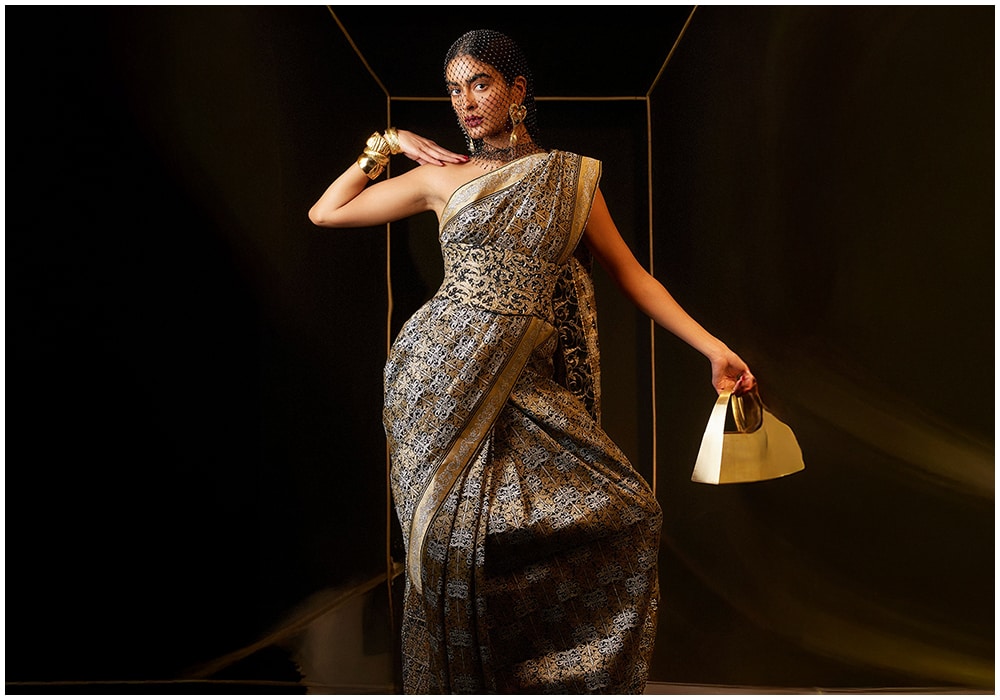
We are seeing a major shift. The classic grandeur is still there, but it is being mixed with modern comfort and style. Designers are listening to what women want today: elegance without the weight, and tradition without the rigidity.
Pastel Power: Moving Beyond Red and Gold
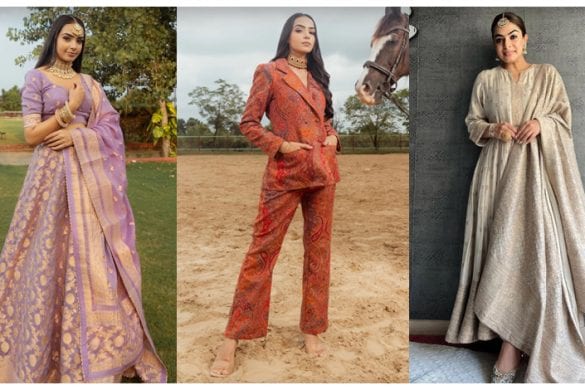
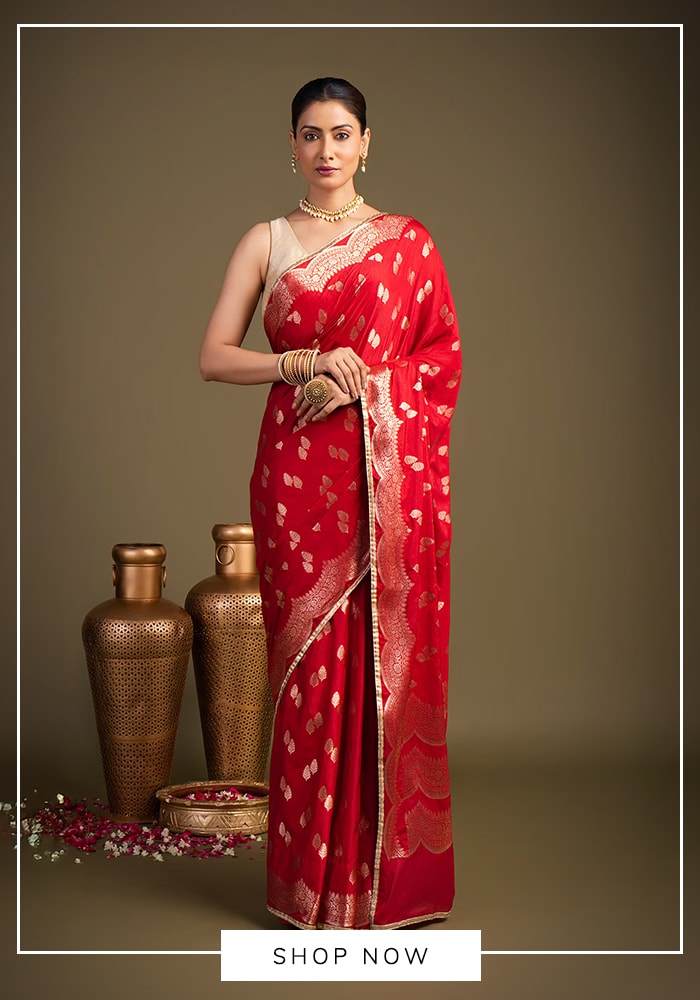
For decades, a Banarasi saree meant deep reds, royal blues, and bright magentas. While those classic colors are timeless, 2026 is welcoming a softer palette.
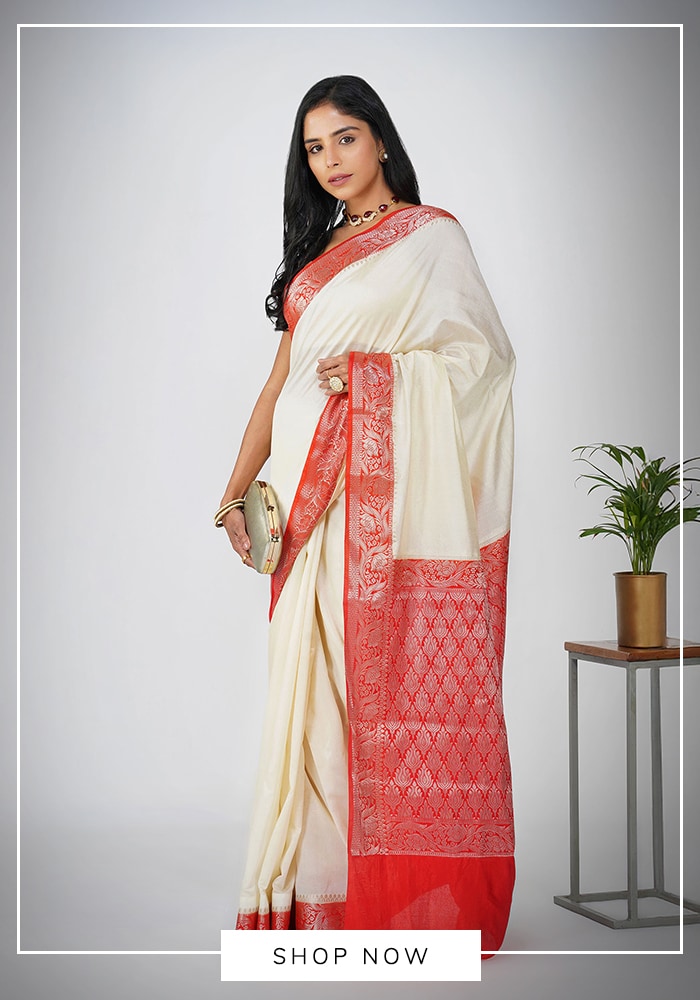
- Blush Pink: Romantic and subtle.
- Mint Green: Fresh and cooling.
- Soft Lavender: Elegant and unique.
- Powder Blue: Serene and royal.
The Rise of Sustainable Silk
Fashion is becoming more conscious, and traditional weaves are no exception. One of the most important trends to watch is the shift toward sustainability.
Lightweight Luxury: Comfort is Key
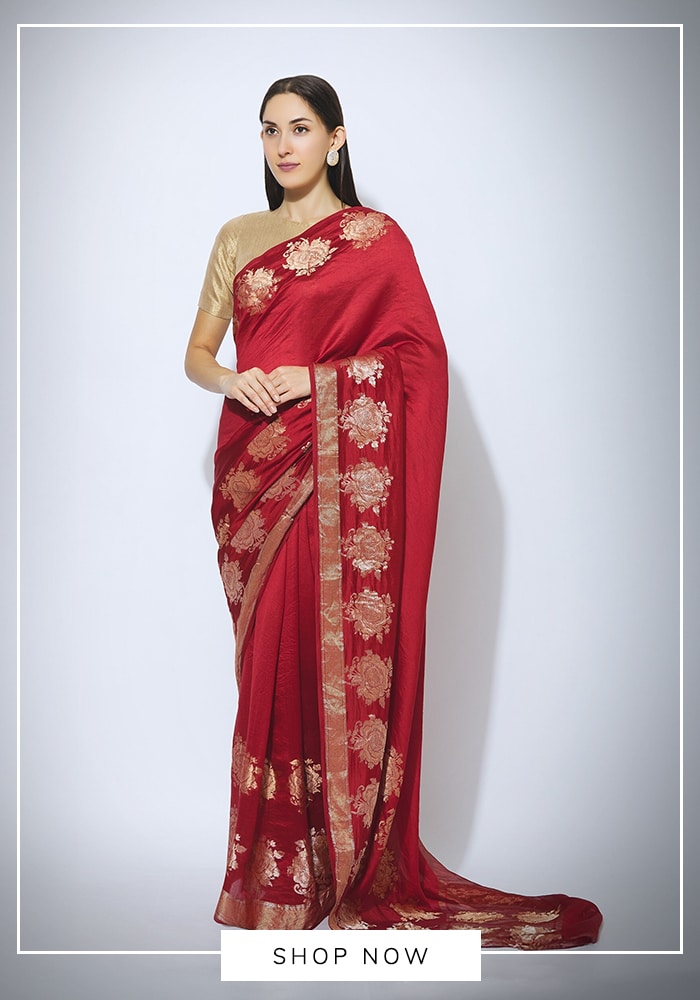
Let’s be honest: traditional Banarasi sarees can be heavy. The rich silk and heavy gold thread work can make them difficult to carry for long hours. But 2026 has a solution.
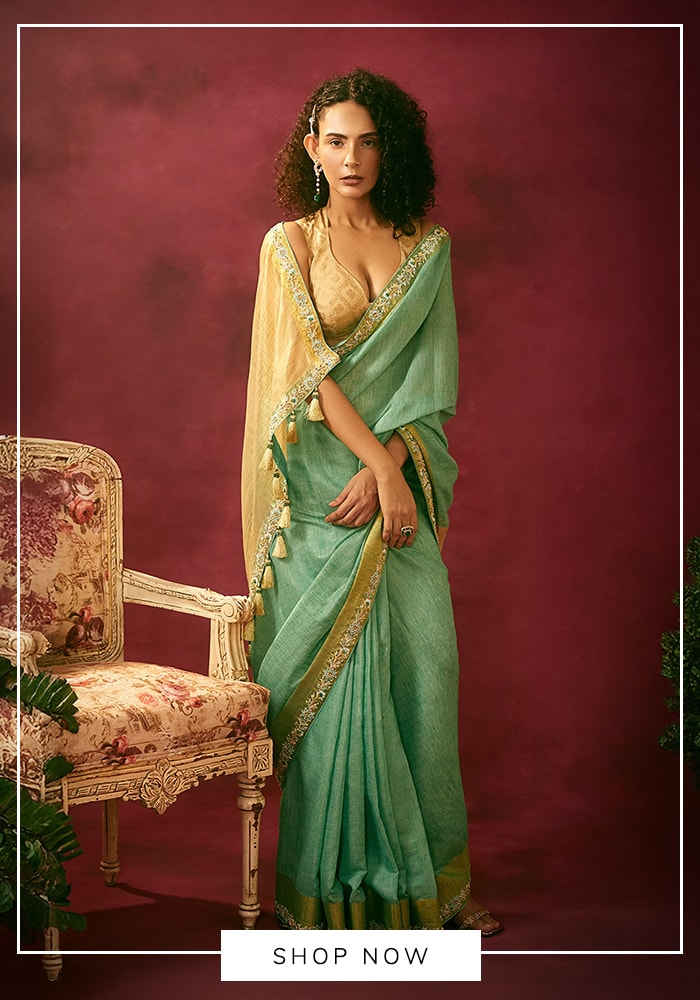
- Easy to Drape: Perfect for beginners who struggle with pleats.
- All-Day Wear: Ideal for long wedding ceremonies or festivals.
- Modern Aesthetic: The sheer texture adds a contemporary touch.
Fusion Styling: Breaking the Rules
Who says a saree must always be worn with a matching blouse and petticoat? In 2026, the rules of styling are being rewritten. Fusion wear is huge, and the Banarasi saree is at the center of it. Designers are experimenting with how these sarees are paired and draped. It is no longer just about the saree itself, but how you style it to reflect your personality.
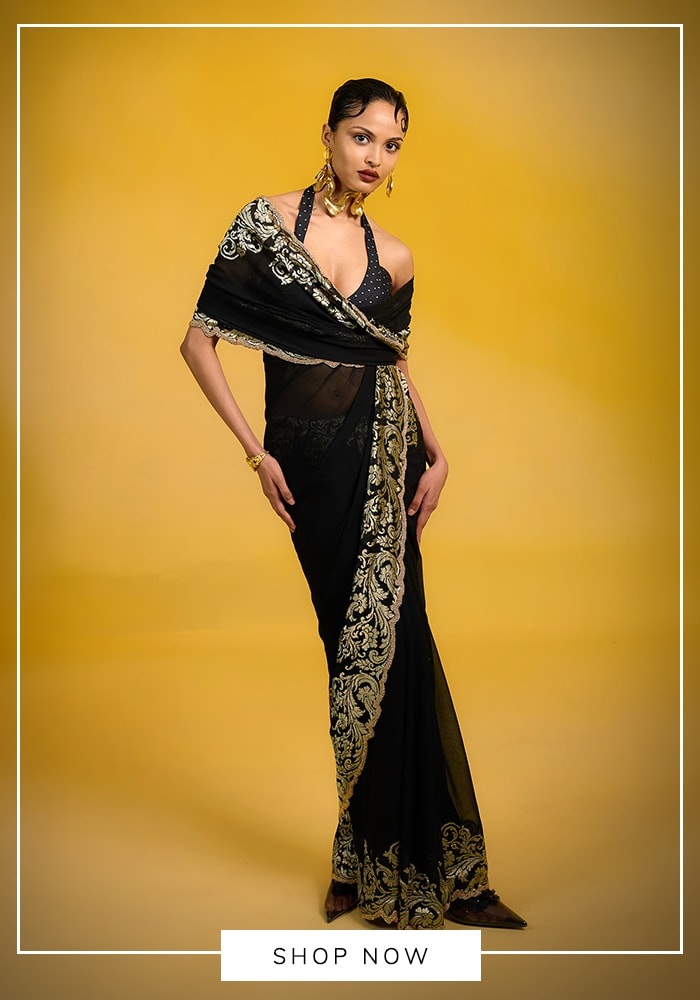
- The Power Suit: Drape your saree over a pair of pants or pair it with a tailored blazer for a chic, boss-lady vibe.
- Crop It Up: Swap the traditional blouse for a trendy crop top or a shirt.
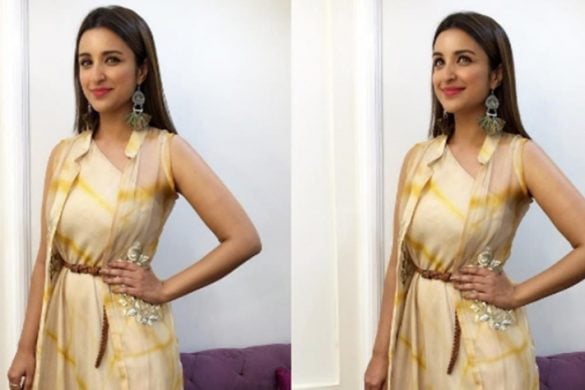
- Belt It: Add a sleek belt at the waist to hold your pallu in place and give your silhouette a modern definition.
- Lehenga Style: Pleat a Banarasi tissue saree to look like a lehenga skirt for a voluminous, regal effect.
Modern Motifs: Tradition Reimagined
The artistry of Banarasi weaving is famous for its motifs—paisleys, flowers, and vines inspired by Mughal art. These "Jangla" and "Tanchoi" patterns are legendary. However, modern tastes are influencing the loom. While the technique remains traditional, the designs are evolving. You will now see:- Geometric Patterns: Sharp lines and shapes for a minimalist look.
- Abstract Art: Designs that break away from standard floral repetition.
- Digital Inspirations: Weaves that mimic pixelated or modern graphic art.
Choosing the Right Banarasi for Your Occasion
With so many new trends, how do you choose the right one?- For the Bride: Stick to the classics but try a unique color. A heavy Jangla weave in a deep pastel or a rich jewel tone will never go out of style.
- For the Wedding Guest: A lightweight Banarasi tissue saree in mint green or peach is perfect. It is dressy but not distracting.
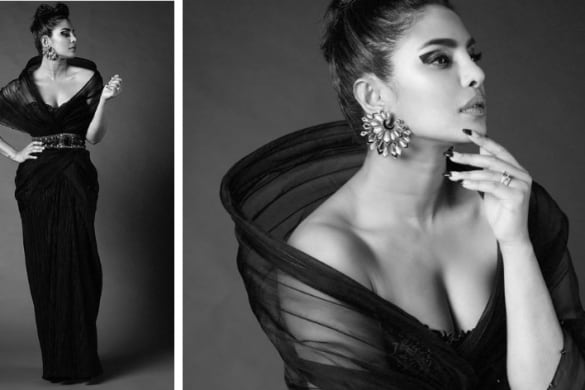
- For a Party: Go for fusion. A black or midnight blue Banarasi with geometric motifs, paired with a sleeveless jacket blouse, makes a strong statement.
Where Tradition Meets Trend
The beauty of the Banarasi saree lies in its ability to adapt. It has survived centuries of changing fashions by reinventing itself while keeping its soul intact. Whether you are shopping at a local boutique or browsing collections from retailers like Aza Fashions, you will notice this shift toward lighter, more wearable, and color-diverse options. In 2026, owning a Banarasi saree doesn't mean keeping it locked in a trunk for a "special day." With lightweight fabrics and modern styling, these sarees are ready to be worn, celebrated, and flaunted. They are a tribute to Indian craftsmanship, designed for the modern woman.Author


Banarasi Saree Trends 2026: A Modern Twist on a Timeless Classic was last modified: January 20th, 2026 by