Can You Wear Black to an Indian Wedding? Color Rules for Guests
Yes, you can wear black to many modern Indian weddings—but with care. Traditionally, black was avoided at Indian weddings because it's linked to mourning and considered inauspicious. Attitudes are shifting, especially at receptions and urban celebrations, where a black lehenga or saree with gold or jewel-toned embroidery reads as elegant, not somber. For traditional ceremonies or conservative families, it's safer to choose a rich, festive color instead.
Black is a wardrobe hero everywhere else. At an Indian wedding, though, the rules get a little more nuanced. Here's how to navigate them so you look polished without stepping on any cultural toes.
The Traditional View on Black
In many Indian communities, black carries heavy associations. It's tied to mourning, grief, and negative energy—the opposite of the joy, prosperity, and new beginnings a wedding celebrates. For that reason, older generations and more traditional families often view an all-black outfit as inauspicious for a wedding, particularly during religious ceremonies.
This isn't a hard universal law, but it's a widely respected sentiment. When in doubt, err on the side of tradition.
How Modern Attitudes Are Shifting
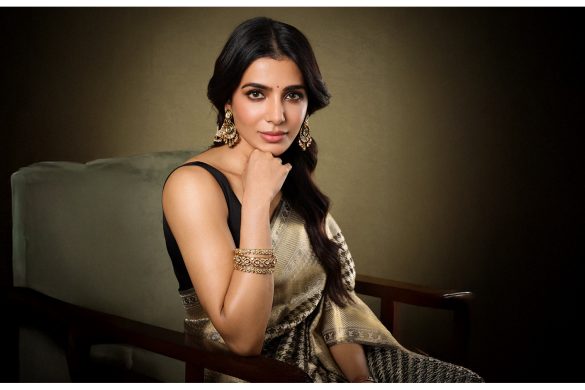
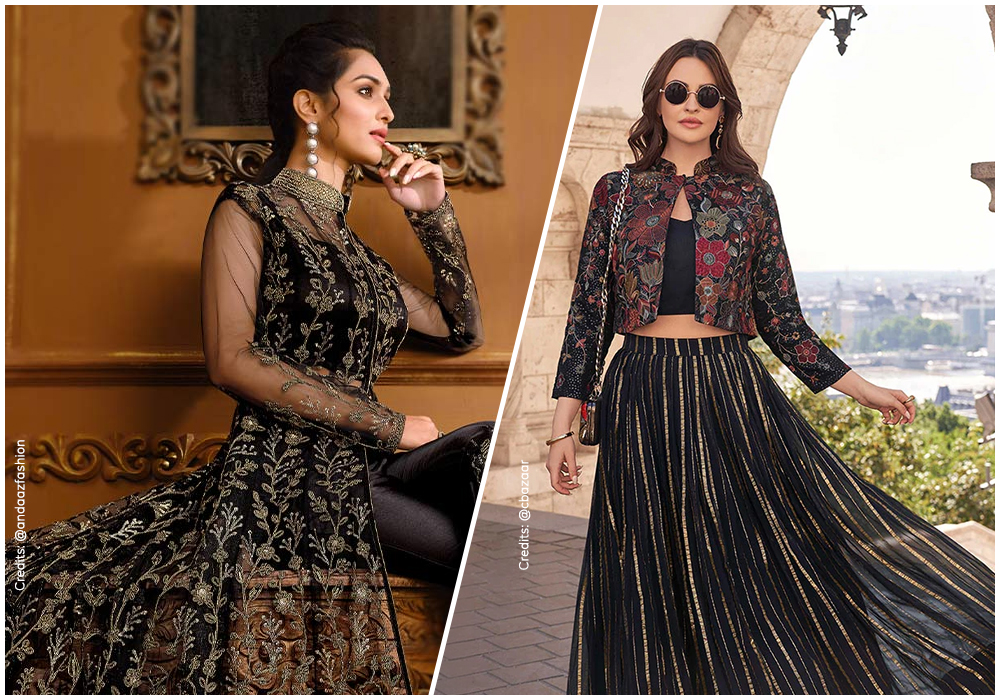
Fashion has moved fast. Younger couples, designers, and urban celebrations increasingly embrace black as a chic, sophisticated choice. A black lehenga glittering with gold zardozi or a black saree with vibrant thread embroidery now feels editorial rather than mournful.
The key difference? Intention. Modern black wedding wear is rarely plain—it's embellished, textured, and celebratory. That transforms how the color reads entirely.
Function-by-Function Guidance
Not every wedding event follows the same rules.
- Ceremony (Hindu rituals, pheras, temple settings): This is the most traditional moment. Play it safe with rich colors—emerald, royal blue, or deep red. Skip full black here unless you know the family is relaxed about it.
- Reception: The most flexible event of the celebration. A black outfit with gold or metallic detailing fits right in and looks striking under evening lighting.
- Sangeet and cocktail nights: Fashion-forward and festive. Black works beautifully, especially in an Indo-Western silhouette.
Internal link opportunity: Indian wedding dress codes decoded—what "festive," "traditional," and "Indo-Western" mean
How to Style Black Tastefully
If you decide to wear black, make it celebratory:
- Add gold. Gold jewelry, embroidery, or borders instantly lift black out of somber territory.
- Choose rich embellishment. Sequins, zardozi, mirror work, or bright thread work signal festivity.
- Bring in color. A colorful dupatta, blouse, or contrast border balances the palette.
- Keep it luxurious. Silk, velvet, or organza reads far more festive than matte cotton.
The goal is an outfit that clearly says "celebration," not "cocktail hour at a gallery."
Regional and Family Variation
Rules vary widely. Some South Indian and conservative North Indian families avoid black strictly. Other communities have no issue with it at all. Destination weddings and younger, cosmopolitan couples tend to be the most relaxed.
The simplest move: ask your host. A quick, respectful question about color preferences shows you care—and saves you any awkwardness on the day.
Internal link opportunity: Indian wedding guest outfits for non-desi guests—a first-timer's guide
What to Avoid
- Plain, unadorned black. It can read as too casual or funereal. Always add festive detailing.
- All-white outfits. Like black, white carries mourning associations in many Indian cultures.
- Black at a traditional ceremony when you're unsure of the family's views.
- Overly Western black cocktail dresses for religious events—save those for the reception.
Frequently Asked Questions
Is it disrespectful to wear black to an Indian wedding?
Not inherently. It depends on the family and the event. At modern receptions, embellished black is widely accepted. For traditional ceremonies or conservative families, a festive color is the safer, more respectful choice.
Can I wear a black saree or lehenga to an Indian wedding?
Yes, especially if it features gold, jewel tones, or rich embroidery. Ornamented black reads as elegant and celebratory rather than somber.
Why is black considered inauspicious at Indian weddings?
Black is traditionally linked to mourning and negativity, which clashes with the joyful, prosperous symbolism of a wedding. That's why older generations often avoid it.
Is black okay at the reception but not the ceremony?
Generally, yes. Receptions are more relaxed and fashion-forward, while ceremonies tend to follow traditional color expectations more closely.
How can I make a black outfit look festive enough?
Pair it with gold accessories, choose rich embellishment like zardozi or sequins, add a pop of color through a dupatta or blouse, and stick to luxurious fabrics like silk or velvet.