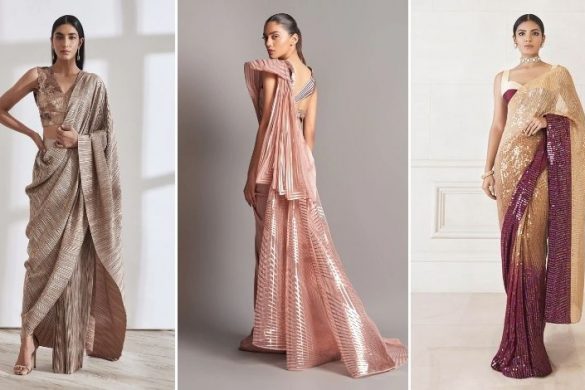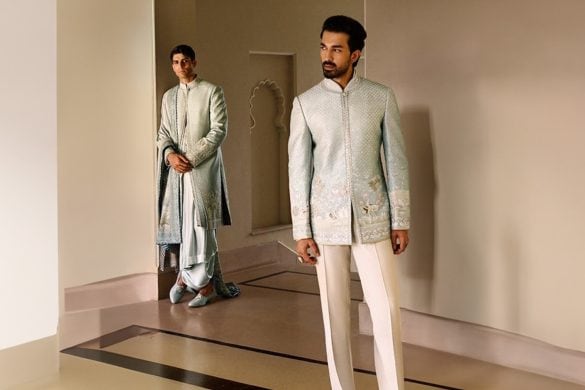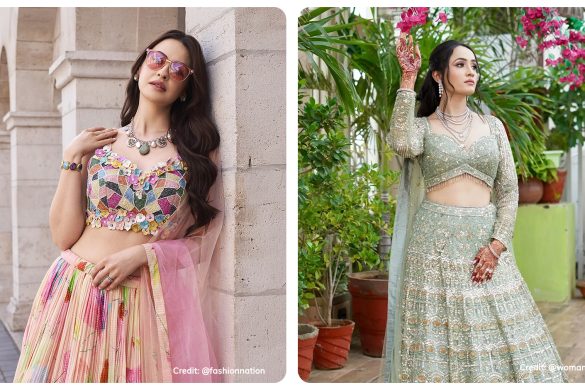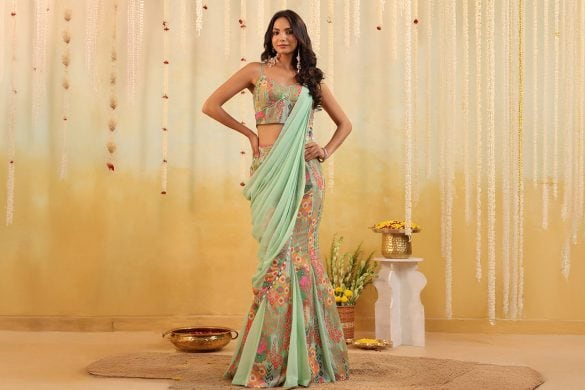
Cape lehengas feature a flowy, draped layer attached at the shoulders or waist, while jacket lehengas pair the skirt with a structured, tailored top. Both define 2026's structured layering trend in Indian bridal and wedding fashion—offering coverage, drama, and a modern silhouette without sacrificing tradition.
The dupatta isn't going anywhere. But it is getting some serious competition.
Across Indian couture collections, a new approach to layering has taken hold—one that replaces the traditional drape with something more intentional. Cape lehengas and jacket lehengas have moved from statement pieces to wardrobe staples, and the 2026 iterations are sharper, more structured, and more versatile than ever.
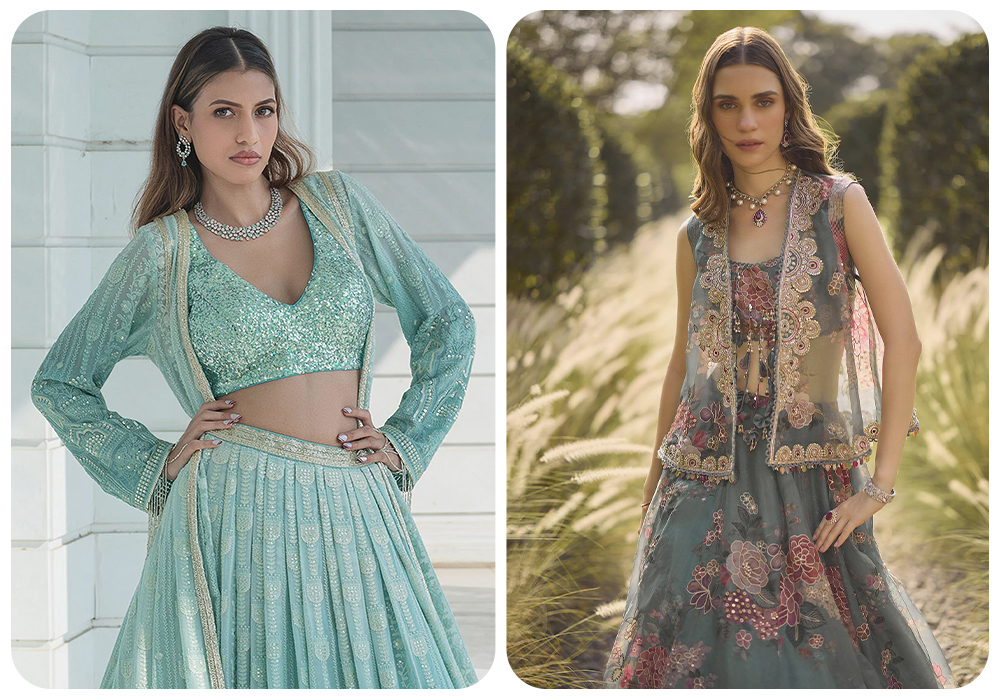
The appeal is practical as much as it is aesthetic. Both silhouettes offer coverage without bulk, a defined shape, and the kind of visual drama that photographs beautifully across ceremony lighting. But they are distinct garments, suited to different occasions and different kinds of brides. Understanding the difference is the first step to choosing well.
What Is the Difference Between a Cape Lehenga and a Jacket Lehenga?
The two styles are often grouped together, but they read very differently on the body.
A cape lehenga features a flowing, ethereal layer—typically attached at the shoulders, neckline, or waist—that falls loosely over the skirt. The movement is the point. Capes in organza, georgette, or tissue silk catch light and air in a way that creates a sense of ease and fluidity. The overall silhouette remains soft.
A jacket lehenga, by contrast, pairs the skirt with a tailored, structured top—often cropped, sometimes long-line—that is fitted through the torso and shoulders. The influence is unmistakably sartorial. The result is sharper, more architectural, and better suited to brides who want their outfit to feel like a deliberate fashion statement.
Both are departures from the conventional blouse-and-dupatta combination. The key distinction: capes move with you; jackets hold their shape.
Which Silhouette Suits Which Occasion?
Neither style is inherently more formal than the other—it depends on execution, fabric, and embellishment level.
Cape lehengas tend to suit:
- Mehendi and Haldi ceremonies, where lighter fabrics and a relaxed silhouette align with the event's energy
- Intimate weddings where the bride wants an ethereal, romantic look without heavy ornamentation
- Cocktail receptions, particularly in embellished or heavily embroidered capes that add drama without the structure of a jacket
Jacket lehengas work well for:
- Wedding ceremonies, where a more formal, composed silhouette reads well across traditional and contemporary settings
- Reception looks, especially when the jacket is embellished with tonal or contrast embroidery
- Pre-wedding functions like sangeet nights, when a structured jacket in a bold hue creates a high-impact look
For brides drawn to restrained, refined layering, these styles also pair naturally with the quiet luxury sensibility explored in our guide to tone-on-tone embroidery in Indian couture.
What Are the Key Fabric and Embellishment Choices for 2026?
The structured layering trend in 2026 is defined by considered fabric pairings, not just silhouette. A few directions are particularly strong this season:
For cape lehengas:
- Organza and tissue silk remain the defining fabrics—lightweight enough to float, structured enough to hold minimal embellishment
- Embroidered tulle capes with scattered thread or sequin work offer subtle sparkle without heaviness
- Tonal color stories—ivory on ivory, rose on blush—keep the look cohesive and contemporary
For jacket lehengas:
- Raw silk and brocade bring the weight and structure that a tailored jacket requires
- Contrast embellishment—a heavily worked jacket over a simpler skirt—creates balance without overcrowding the look
- Cropped lengths continue to dominate, particularly for brides who want to showcase a statement skirt
Which Indian Designers Are Leading This Trend?
Several designers available at Aza Fashions have made structured layering a consistent part of their design vocabulary:
- Seema Gujral brings precise tailoring to jacket lehengas, often in ivory and gold combinations that feel both regal and modern
- Sahil Kochhar favors fluid capes in organza and georgette, frequently styled over richly embroidered skirts for contrast
- Sheetal Batra works in nuanced palettes where the cape or jacket functions as an extension of the embroidery story, rather than a separate element
- Pankaj & Nidhi consistently explore structured layering with embellishment that is precise and graphic, making their jacket lehengas particularly strong for reception dressing
How to Style a Cape or Jacket Lehenga
The layering silhouette already does significant visual work—styling should support it, not compete with it.
On jewelry: Both styles benefit from cleaner jewelry choices. A statement necklace can be lost beneath a cape; instead, consider long earrings or a maang tikka that sits above the neckline. For jacket lehengas, a statement collar necklace can work if the jacket's own neckline is low or simple.
On the dupatta: Many brides wearing cape or jacket lehengas choose to forgo the dupatta entirely, allowing the layer itself to provide coverage and drama. If a dupatta is desired for ceremonial reasons, draping it over one shoulder—rather than both—keeps the look uncluttered.
On hair: Updos work particularly well with both silhouettes, as they expose the neckline and shoulder detailing that these styles are designed to showcase.
On footwear: The hem length matters. Cape lehengas in floor-length cuts pair well with heeled juttis or strappy sandals. Jacket lehengas, especially those with a cropped top, often benefit from a slightly elevated heel to elongate the silhouette.
Frequently Asked Questions
What is a cape lehenga?
A cape lehenga features a flowing, draped layer—typically in organza, georgette, or tissue silk—attached at the shoulders or neckline. The cape falls loosely over the skirt, adding movement and coverage without the weight of a dupatta.
What is a jacket lehenga?
A jacket lehenga pairs a lehenga skirt with a structured, tailored jacket top—usually cropped or long-line—that is fitted through the torso. The silhouette is more architectural than a cape and reads as more formally composed.
Which is better for a wedding ceremony—a cape or jacket lehenga?
Jacket lehengas tend to suit formal wedding ceremonies better, as their structured silhouette reads as more polished and composed. Cape lehengas are ideal for pre-wedding functions, intimate ceremonies, or receptions where a softer, more romantic look is preferred.
Can a cape lehenga replace a dupatta?
Yes. Many brides choose a cape lehenga specifically to avoid managing a dupatta during the ceremony. The cape provides coverage and visual interest while freeing the hands—a practical and aesthetic advantage.
Where can I shop cape and jacket lehengas online in India?
Aza Fashions carries a curated selection of lehengas from leading Indian designers who specialize in structured layering, including Seema Gujral, Sahil Kochhar, and Sheetal Batra.
Are cape and jacket lehengas suitable for non-bridal occasions?
Absolutely. Both silhouettes work well for sangeet nights, receptions, festive lunches, and formal weddings as a guest. The key is adjusting the embellishment level to match the occasion.
A New Layer of Possibility
The structured layering trend isn't replacing tradition—it's building on it. Cape and jacket lehengas offer brides a way to dress with intention, adding dimension and modernity to a silhouette that has always been central to Indian celebration dressing.
The difference between the two comes down to what you want your outfit to say: fluid and romantic, or sharp and composed. Either way, 2026's answer to the dupatta is worth considering.
Browse Aza Fashions' full lehenga collection to explore cape and jacket styles from India's leading couture designers.