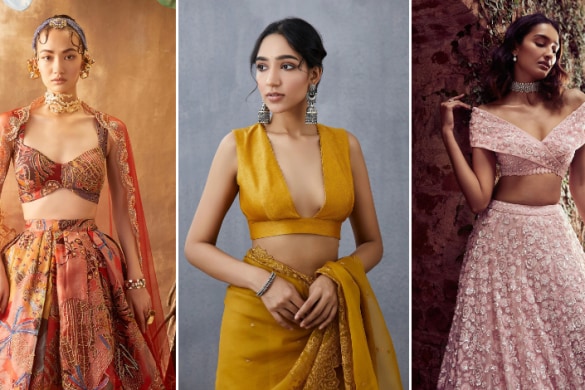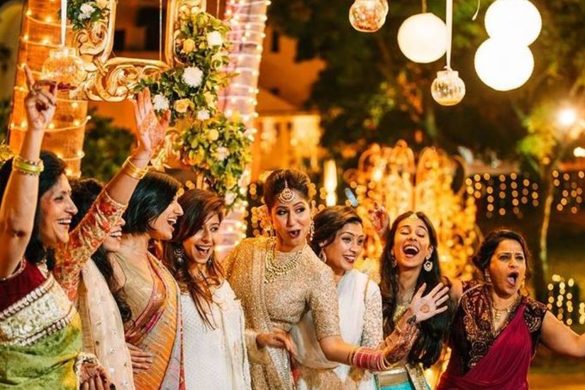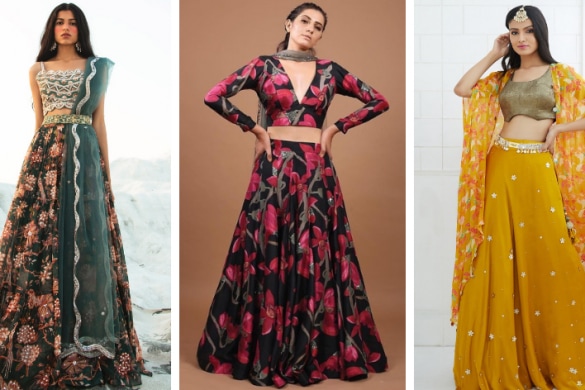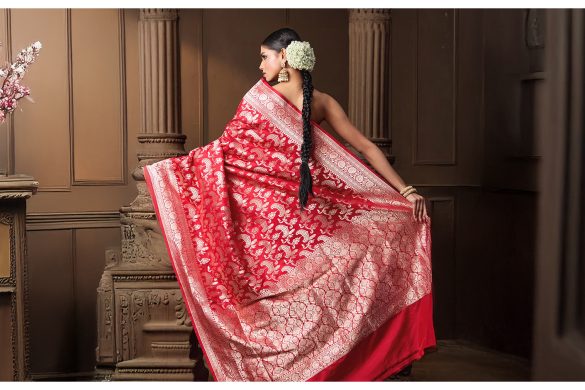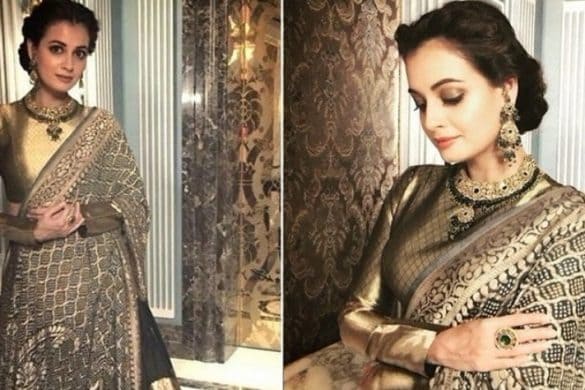
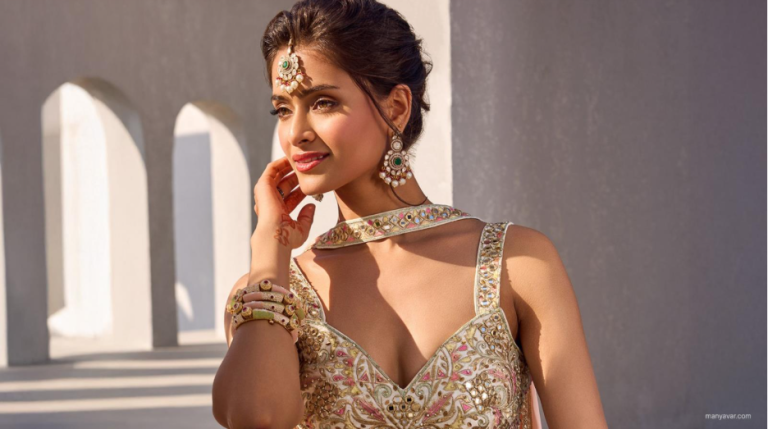
A Chandbali earring is more than just a piece of jewellery — it is a piece of history you wear. Rooted in the royal courts of Hyderabad and shaped by centuries of Mughal craftsmanship, the Chandbali has remained one of India’s most enduring and beloved jewellery styles. With its distinctive crescent-moon shape, intricate detailing, and the graceful sway of pearl or gemstone drops, a Chandbali earring has a presence like no other.
Today, from bridal lehengas to festive sarees and even contemporary Indo-Western looks, the Chandbali continues to be the earring of choice for women who want to make a statement. This guide covers everything you need to know — the history, the types, how to style them, and how to pick the right pair for every occasion.
What Are Chandbali Earrings?
The name “Chandbali” comes from two Hindi words: “Chand” meaning moon, and “Bali” meaning ring. Together, they perfectly describe the earring’s most defining feature — a curved, crescent-shaped base that resembles the moon.
Unlike simple studs or hoops, a Chandbali is designed to command attention. The crescent frame is typically filled with intricate patterns — set with Kundan stones, enamel work, or delicate pearl inlays — and finished with pearl drops, gemstone dangles, or a small jhumka at the bottom. The layered construction gives it movement and depth, making it one of the most visually striking pieces in traditional Indian jewellery.
A Royal Origin: Where Do Chandbali Earrings Come From?
Chandbali earrings trace their roots to Hyderabad, dating back to the Mughal era and the reign of the Nizams. Hyderabad was one of India’s most celebrated centres of jewellery craft, and Chandbalis were a staple of royal and aristocratic adornment. The intricate craftsmanship — often requiring weeks of skilled handwork — made them a symbol of luxury and status.
Over centuries, the style travelled across India and evolved into distinct regional expressions. Rajasthan embraced the Kundan and Polki versions, Jaipur added its signature Meenakari enamel work, and Bengal developed its own ornate variations. Today, the Chandbali is worn from Kashmir to Kerala — a truly pan-Indian jewellery icon.
Types of Chandbali Earrings: Finding Your Style
The Chandbali comes in a wide range of styles, each with its own character and occasion. Here are the most popular types you will find at AZA Fashions:
Kundan Chandbali
The most popular choice for brides. Kundan Chandbalis use highly refined gold with gemstones or glass pieces set flat into the frame using a lac base. The result is a bright, jewel-like finish that catches light from every angle. Kundan pairs beautifully with heavy bridal lehengas in red, gold, and ivory.
Polki Chandbali
Polki uses uncut, raw diamonds in their natural form, set in gold. Unlike the polished sparkle of Kundan, Polki has a more organic, textured appearance — rich, warm, and heirloom-worthy. Polki Chandbalis are favoured by brides who want jewellery that feels rare and unique.
Meenakari Chandbali
Meenakari is the art of applying vibrant enamel colours onto metal. Meenakari Chandbalis are a celebration of colour — deep blues, greens, reds, and pinks set against gold. They are ideal for Diwali, Navratri, and other festive occasions where a pop of colour elevates the look.
Pearl Chandbali
Elegant and lighter in weight, Pearl Chandbalis feature pearl drops or pearl detailing across the crescent frame. They work beautifully for daytime events, mehendi ceremonies, and occasions where you want understated grace rather than full bridal drama.
Jhumka-Chandbali
A hybrid of two classic styles, the Jhumka-Chandbali pairs the crescent Chandbali frame with a traditional bell-shaped jhumka drop at the bottom. This combination is festive, playful, and one of the most sought-after styles right now — especially for sangeet and cocktail evenings.
Oxidised / Antique Chandbali
Oxidised Chandbalis in silver or gold plating carry a darkened, matte finish that gives them a rustic, vintage character. They are lighter on the ears and versatile enough to wear with both ethnic and Indo-Western outfits — from a printed kurta set to a contemporary ethnic co-ord.
When to Wear Chandbali Earrings: Occasion Guide?
One of the great strengths of the Chandbali is its versatility. There is a Chandbali style suited to every occasion on the Indian calendar.
For a wedding or bridal ceremony, a heavy Kundan or Polki Chandbali in a rich colour is the natural choice. Its gemstone-rich look pairs perfectly with a bridal lehenga or Banarasi saree and photographs beautifully.
For sangeet and mehendi, Pearl or Meenakari Chandbalis keep the look festive but lighter. They pair well with anarkalis, shararas, and printed salwar sets.
For Diwali and Navratri, reach for a Meenakari or Jhumka-Chandbali in a vibrant colour. Worn with a lehenga or ghagra choli, they add the right amount of festive energy without overpowering the outfit.
For casual and everyday ethnic wear, oxidised or antique Chandbalis are the perfect choice. Lightweight and fuss-free, they pair easily with kurta sets, cotton sarees, and simple ethnic co-ords.
How to Style Chandbali Earrings?
Because Chandbalis are statement pieces, styling them well is mostly about letting them take centre stage.
Styling Your Chandbali Earrings
- Hair: Wear your hair up or tied back. A bun, braid, or half-updo shows off the full crescent shape and gives the earrings room to move.
- Necklace: Keep the necklace minimal or skip it entirely. A Chandbali is a statement earring — it does not need a competing necklace. If you must wear one, opt for a slim chain or a simple choker.
- Metal tone: Gold Chandbalis work best with warm outfit tones — red, orange, mustard, ivory. Oxidised silver pairs beautifully with cooler or earthier shades like green, blue, grey, and white.
- Bridal coordination: For a full bridal look, coordinate your Chandbali with your maang tikka and haath phool in the same jewellery style — Kundan with Kundan, Polki with Polki — for a cohesive set.
- Colour matching for Meenakari: Rather than matching the dominant colour of your outfit, pick a Meenakari Chandbali in a shade that echoes an accent colour in the fabric. The contrast makes both the outfit and the earring stand out.
Kundan vs Polki Chandbali: What Is the Difference?
This is one of the most common questions when shopping for bridal Chandbali earrings.
Kundan Chandbali uses refined gold with cut gemstones or glass set flat into the frame using a lac (resin) base. The stones sit smooth and even, creating a bright, polished, and symmetrical finish. Kundan jewellery is made for maximum visual impact, which is why it is the preferred choice for bridal sets that need to photograph well and stand up to heavy occasion wear.
Polki Chandbali uses uncut, natural diamonds in their raw, unpolished form. Because the stones are not faceted, Polki has a more organic and textured surface — warmer and less uniform than Kundan. Polki is considered heirloom-quality jewellery and is typically more expensive. Brides who choose Polki often do so for the sense of history and uniqueness it carries.
The simple way to choose: if you want a jewellery set that sparkles brilliantly and reads as grand in photos, go with Kundan. If you want something that feels rare, quiet, and heirloom-worthy, Polki is the one.
Explore Chandbali Earrings at AZA Fashions
AZA Fashions brings together India’s finest designers under one roof, and our jewellery collection features a carefully curated selection of Chandbali earrings — from bridal Kundan and Polki sets to everyday oxidised styles. Whether you are dressing for a wedding, a festive evening, or simply want to elevate your ethnic wardrobe, you will find a Chandbali at AZA that feels made for the moment.