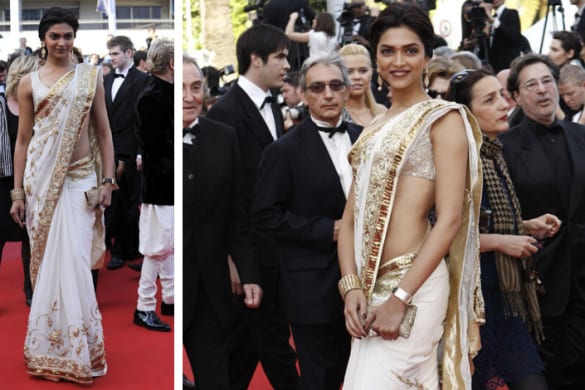
Few textiles capture the imagination quite like a beautifully embroidered Chikankari garment. Graceful, elegant, and painstakingly crafted by hand, this art form transforms simple fabrics into breathtaking masterpieces.
Chikankari refers to the specific technique used to create "chikan work." Artisans traditionally use pure white thread on light, pastel-colored fabrics like breathable cotton, soft muslin, delicate chiffon, and rich silk. This subtle contrast creates a shadow effect that looks both incredibly luxurious and effortlessly light.
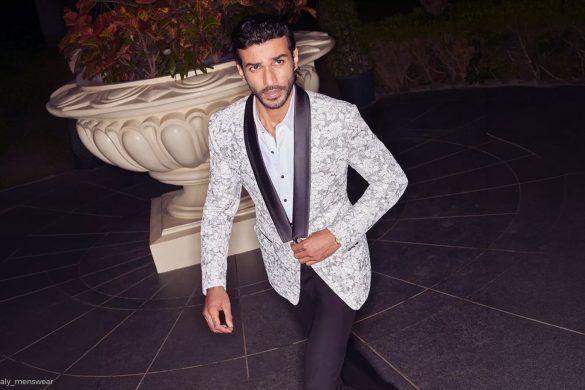
Whether you are attending a grand summer wedding or looking for an elegant festive outfit, chikan work offers unmatched versatility. In this guide, we will explore the fascinating royal history of Chikankari and uncover the intricate techniques behind the craft. We will also show you how Aza Fashions celebrates this traditional art by offering curated collections that perfectly blend Indian heritage with modern style.
Tracing the Royal Roots of Chikankari
To truly appreciate chikan work, you must look at its origins. The craft sinks its deepest roots into Lucknow, Uttar Pradesh. Known as the City of Nawabs, Lucknow remains the undisputed global heart of the Chikankari industry.
The history of this embroidery stretches back over four centuries, though some researchers believe it is much older. Ancient Greek historian Megasthenes noted the use of "flowered muslins" by Indians as far back as the 3rd Century BC. However, the most famous and authentic story of its origin traces back to the Mughal Empire.
The Legend of Noor Jahan
Many historians credit Noor Jahan, the wife of Mughal Emperor Jehangir, with introducing Persian art influences to Indian textiles during the 17th century. The word itself comes from the Persian word "chakin," which translates to a cloth featuring delicate needlework.
Noor Jahan was a gifted embroiderer who possessed a deep love for fine chikan work. Emperor Jehangir shared her passion and quickly established royal workshops to perfect the craft. Even after the Mughal Empire eventually collapsed, the artisans stayed rooted in Lucknow. They continued to pass their skills down through generations, preserving the art form exactly as the royals enjoyed it.
The Intricate Process Behind Chikan Work
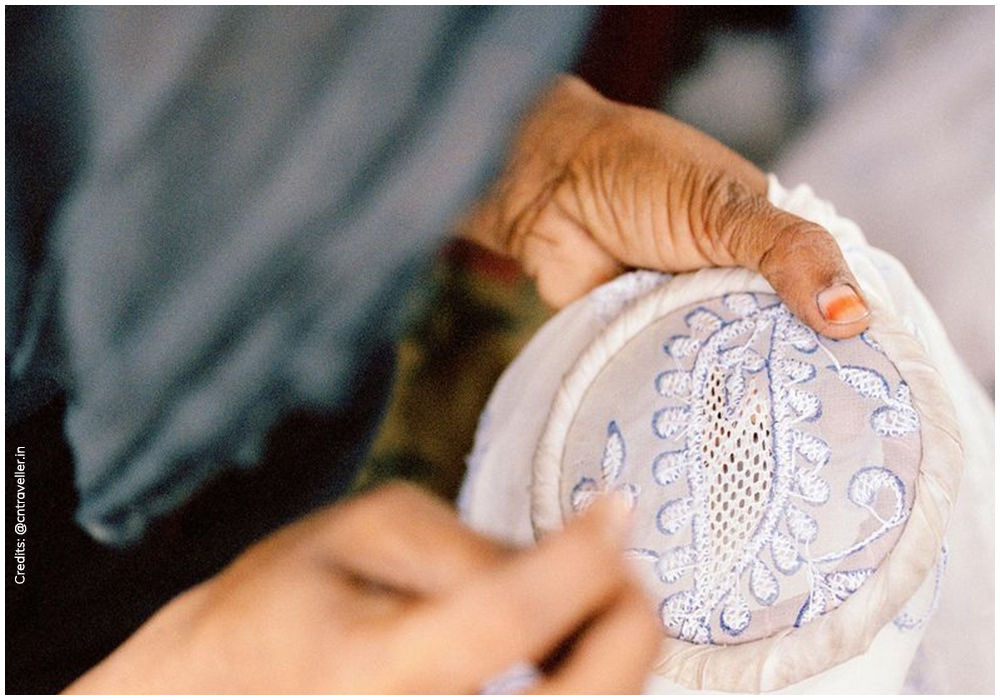
Creating a single Chikankari garment takes immense patience and skill. Artisans do not use machines. Instead, they rely entirely on their hands, their eyes, and years of dedicated practice. The creation process involves three distinct, vital steps.
Step 1: Block Printing the Design
The journey begins with the fabric. Artisans cut the chosen material according to the final garment they plan to create, whether it is a flowing Anarkali, a classic kurta, or a delicate saree.
Next comes block printing. Artisans dip intricately carved wooden blocks into handmade blue ink and press them firmly onto the fabric. This leaves a clear blueprint for the embroiderers to follow.
Step 2: The Art of Embroidery
This is where the true magic happens. Artisans use a needle and thread to bring the blue ink outlines to life. A single piece of clothing can take anywhere from a few days to several months to embroider, depending entirely on the complexity of the design. The workers meticulously craft every single petal, vine, and geometric shape by hand.
Step 3: Washing and Finishing
Once the embroidery is finally complete, the garment is not quite ready to wear. The fabric goes through a rigorous washing process. Artisans soak the cloth in plain water to completely remove the rough blue ink outlines and any stray marks.
Finally, they starch the fabric. This gives the cloth the perfect level of stiffness, ensuring the garment holds its elegant shape when worn.
The 36 Stitches of Chikankari
What makes Chikankari so unique is the sheer variety of stitches involved. Artisans use a combination of around 36 different stitches to create texture, depth, and shadow.
- Herringbone Stitches: Artisans sew these on the back of the fabric. This creates a beautiful shadow effect on the front, while leaving a simple running stitch outline.
- Double Back Stitches: These go on the front of the fabric, cleverly giving the illusion of herringbone stitches on the back.
- Running Stitches: Embroiderers use these simple stitches on the right side of the fabric to trace the main motifs.
- Stem and Chain Stitches: Stem stitches create the delicate branches of floral designs, while chain stitches enhance the bold flower petals.
- Satin and Fishbone Stitches: These act as essential fillers, giving the inside of the motifs a raised, textured appearance.
Creating the Iconic Jaali Work
Perhaps the most famous technique within Chikankari is "Jaali" work, also known as pulled thread work. Artisans carefully pull apart the threads of the fabric to create tiny, precise holes. They never cut the fabric. Instead, they manipulate the existing threads to form a beautiful, sheer lattice pattern. The final result mimics the ornate, carved window panes found in ancient Indian palaces.
Nature-Inspired Motifs
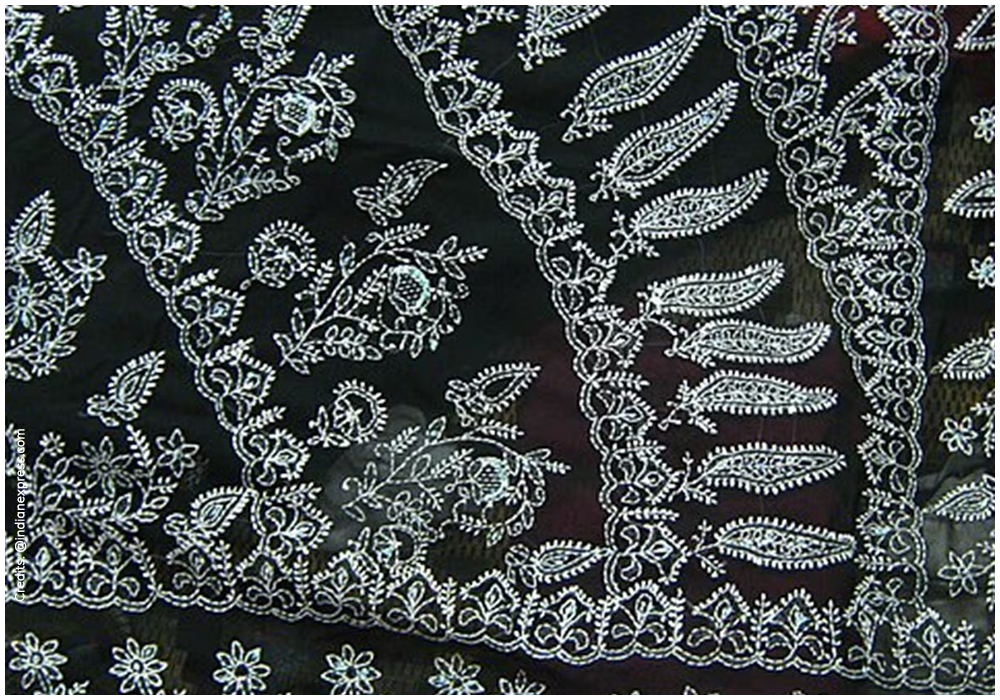
Because Noor Jahan deeply admired Persian architecture and gardens, Chikankari heavily features nature-inspired motifs. When you look closely at a chikan work garment, you will see a celebration of the natural world.
Artisans frequently embroider intricate mangoes, trailing creepers, and blooming flowers. You will also spot majestic animals like elephants, peacocks, and parrots hidden within the designs. To add a modern twist, contemporary designers sometimes incorporate additional embellishments. They weave sequins, glass beads, and metallic mukaish threads into the traditional white embroidery, creating a stunning fusion of old and new.
How to Style Chikankari for Any Occasion
Chikankari is no longer just a simple summer fabric. Designers have transformed this traditional craft into a staple for luxury ethnic wear. You can easily style these garments for almost any event on your calendar.
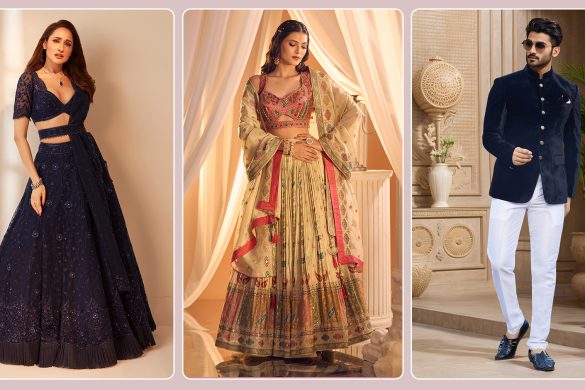
For a daytime wedding or a formal festive gathering, opt for a heavily embroidered Chikankari lehenga in a soft pastel shade like blush pink, mint green, or powder blue. Pair it with statement silver earrings or a delicate pearl choker. The light fabric keeps you comfortable, while the intricate embroidery ensures you look incredibly regal.
If you are attending a casual dinner or a daytime pooja, a classic Chikankari kurta set is your best friend. Choose a breathable georgette or cotton fabric. You can elevate the look with a pair of embroidered juttis and a sheer matching dupatta. The beauty of this craft lies in its effortless grace. You never need heavy styling to make an impact.
Celebrate Heritage with Aza Fashions
At Aza Fashions, we believe in honoring India's vast artisanal wealth. The remarkable textiles of Uttar Pradesh remind us that true luxury always stems from authentic, handcrafted artistry. While we love modern silhouettes and contemporary trends, we constantly look for ways to celebrate our traditional roots.
Our platform hosts an incredible selection of India's top fashion designers who masterfully incorporate Chikankari into their collections. We curate outfits that bridge the gap between ancient royal crafts and modern luxury fashion.
Whether you are looking for a breathtaking designer gown, a sophisticated fusion co-ord set, or a timeless traditional saree, you will find stunning chikan work options in our collections. We partner with creators who respect the original Lucknowi techniques while experimenting with bold new colors, luxurious fabrics, and modern cuts.
When you choose a Chikankari outfit, you are not just buying a piece of clothing. You are wearing centuries of history, supporting dedicated artisans, and keeping a beautiful royal tradition alive. Explore the exclusive designer collections at Aza Fashions to find your perfect embroidered masterpiece. Let your wardrobe tell a story of heritage, elegance, and unmatched craftsmanship.