Look closely at the aesthetic shifts happening in global fashion and modern design, and you will notice a striking visual element taking center stage. It is not a new geometric pattern or a retro revival. It is Devanagari—the ancient script used to write Hindi, Sanskrit, Marathi, and dozens of other languages.
For decades, this script lived quietly in the background of everyday Indian life. You found it stamped on government documents, woven into formal wedding invitations, etched into temple walls, and printed across the pages of childhood poetry books. It was functional, deeply traditional, and largely invisible as an object of modern design.
Now, a massive visual shift is underway. Devanagari is moving out of the textbook and onto the runway. Designers, independent artists, and global brands are reclaiming the script, transforming it into a badge of cultural pride and sophisticated style. Here is a look at why this historic script is quietly becoming one of the most compelling design motifs of our time.
From Sacred Texts to Everyday Nostalgia
To understand the rise of Devanagari in modern design, we must first look at its roots. The script has always carried a heavy weight of tradition. It is the visual language of the sacred and the official. For generations, growing up with the script meant associating it with specific, highly formal contexts.
You read it in morning newspapers and religious mantras. You saw it embossed in gold foil on heavy, ornate wedding cards. It lived on the weathered signboards of local shops and the vibrant, hand-painted lettering of highway trucks. Because it was everywhere, it rarely received the spotlight as a standalone artistic element. It simply existed as a vehicle for communication.
However, distance and time have a unique way of reshaping how we view the everyday. As younger generations navigate an increasingly globalized world, those familiar letters have transformed into artifacts of nostalgia. What was once mundane is now deeply romanticized.
The Anatomy of Cool: Devanagari's Graphic Appeal
Beyond cultural nostalgia, Devanagari possesses an undeniable, striking beauty. The script is an absolute dream for graphic designers and typographers.
The most defining feature of Devanagari is the shirorekha—the continuous horizontal headline that anchors the letters together. This structural line gives words an architectural, grounded feel. Below this rigid canopy, the characters bloom into perfectly balanced curves, elegant loops, and sharp angles.
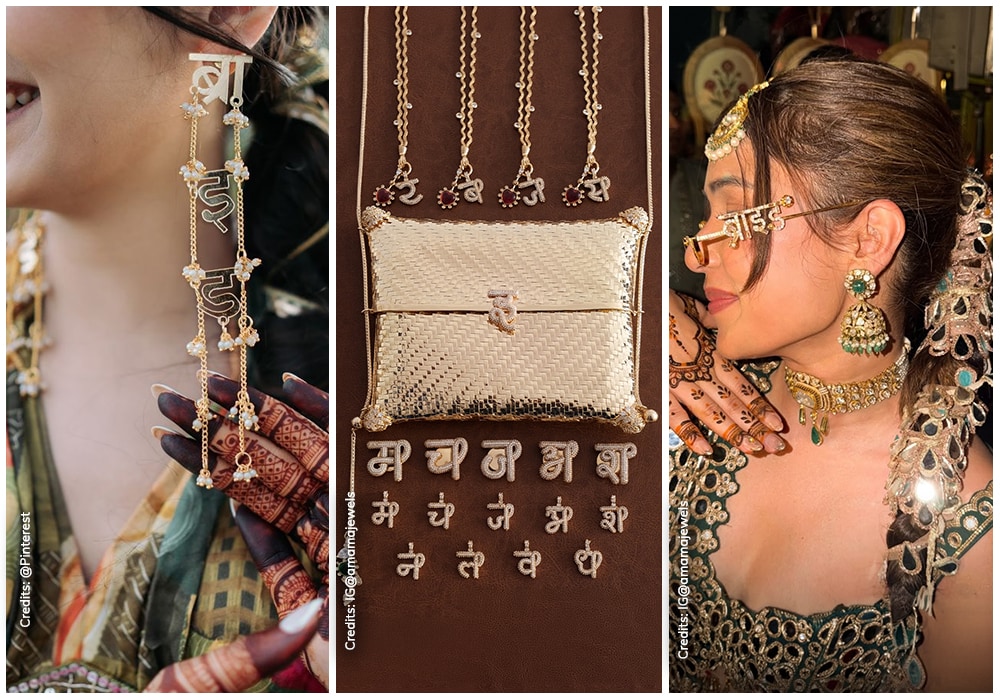
This combination of a rigid, linear structure and fluid, organic shapes give the script a highly graphic quality. It commands attention. When isolated, scaled up, or stripped down to minimalist lines, a single Devanagari letter looks less like a component of an alphabet and more like a piece of abstract art. It adapts beautifully to bold streetwear graphics, delicate jewellery engraving, and sleek, modern packaging design.
A Canvas for Contemporary Creators
Today's designers are completely untethering Devanagari from its traditional constraints. They are experimenting with the script across multiple mediums, proving its incredible versatility.
Jewellery with a Voice
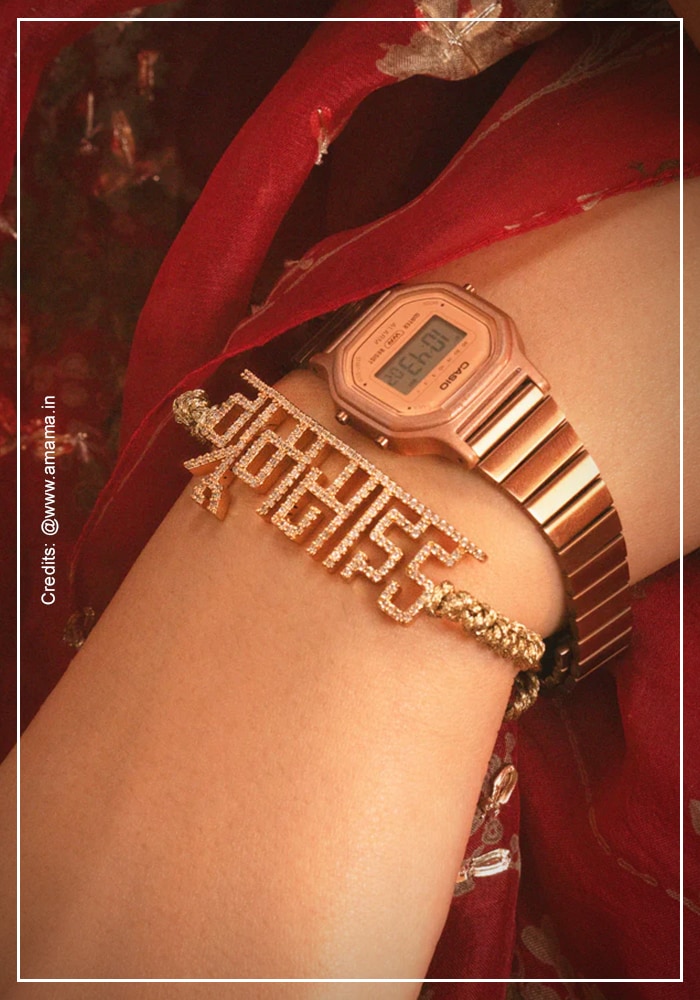
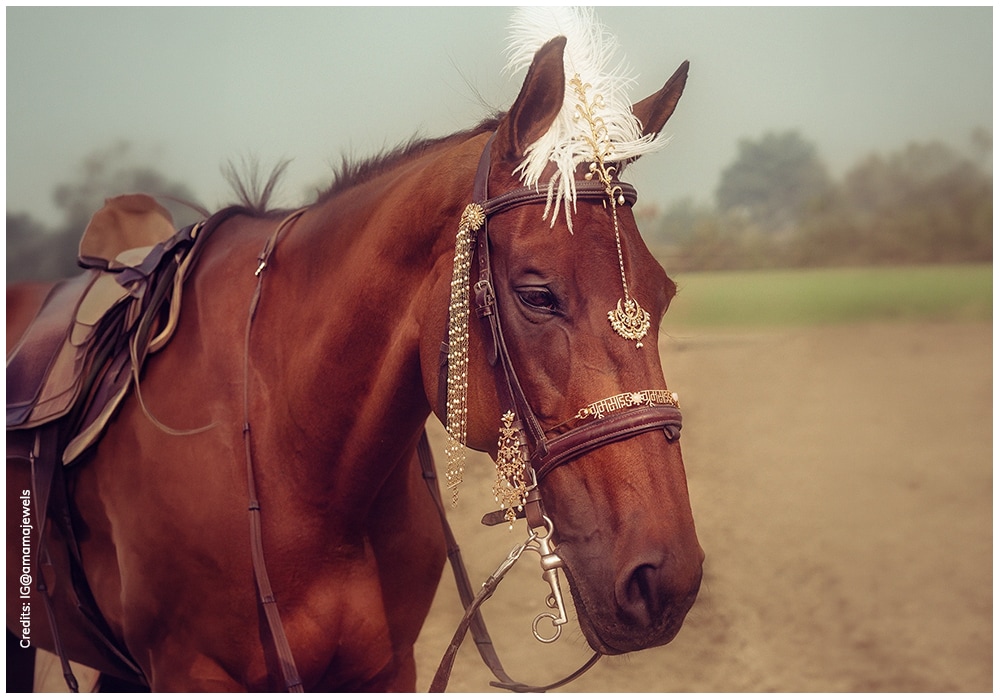
Walk into any cool, curated boutique, and you will likely see Devanagari shining in gold and silver. Jewellery brands are heavily leaning into the script, creating custom nameplate necklaces, minimalist rings, and delicate bracelets. Wearing a Devanagari piece adds a deeply personal layer to an outfit. Whether it is a personal name, a grounding mantra, or a word that holds private significance, these pieces allow the wearer to keep their heritage close to the chest. It is intimate, beautiful, and inherently meaningful.
Streetwear Meets Heritage
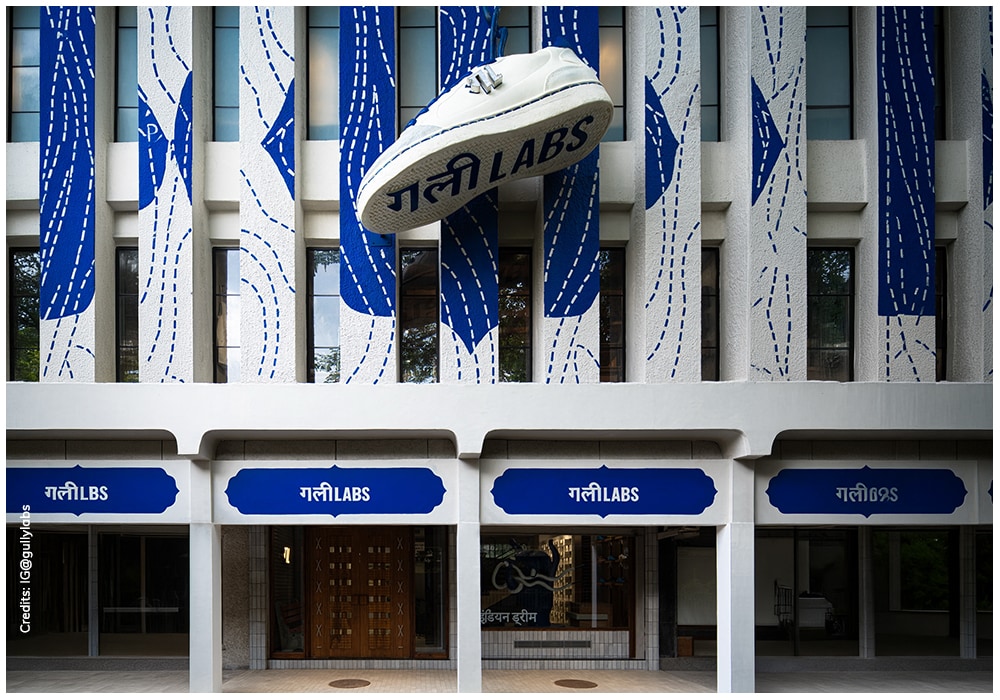
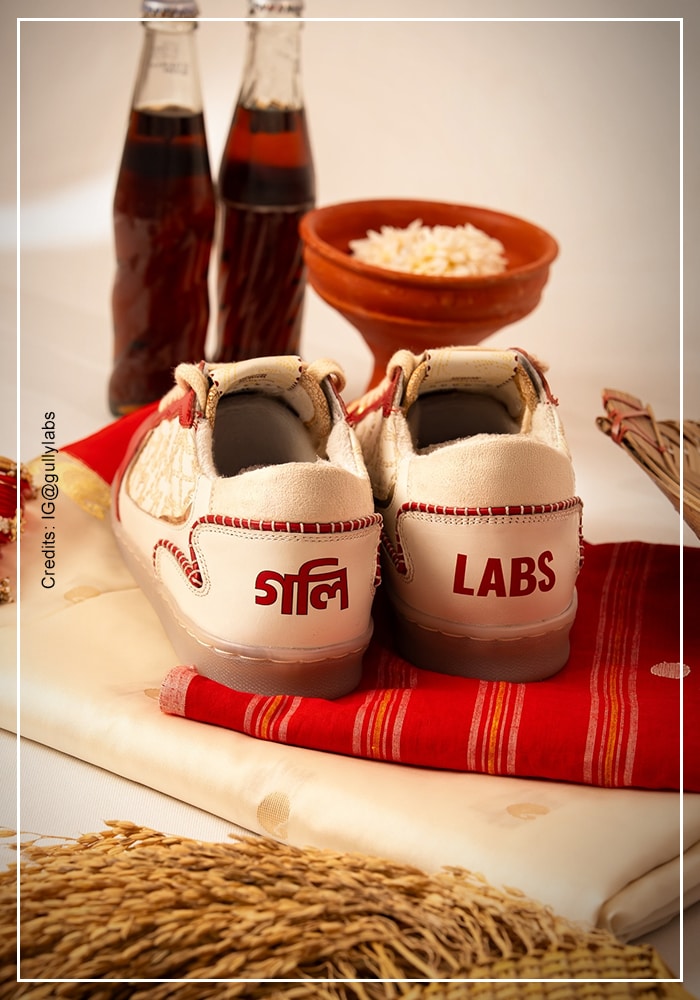
The streetwear scene thrives on bold typography, and Devanagari fits perfectly into this aesthetic. Independent fashion labels are embroidering the script onto heavy cotton hoodies, weaving it into the collars of oversized t-shirts, and slapping it across tote bags. Sneaker customizers are painting Devanagari letters onto classic leather silhouettes, turning mass-produced shoes into one-of-a-kind cultural statements.
Modern Branding and Packaging
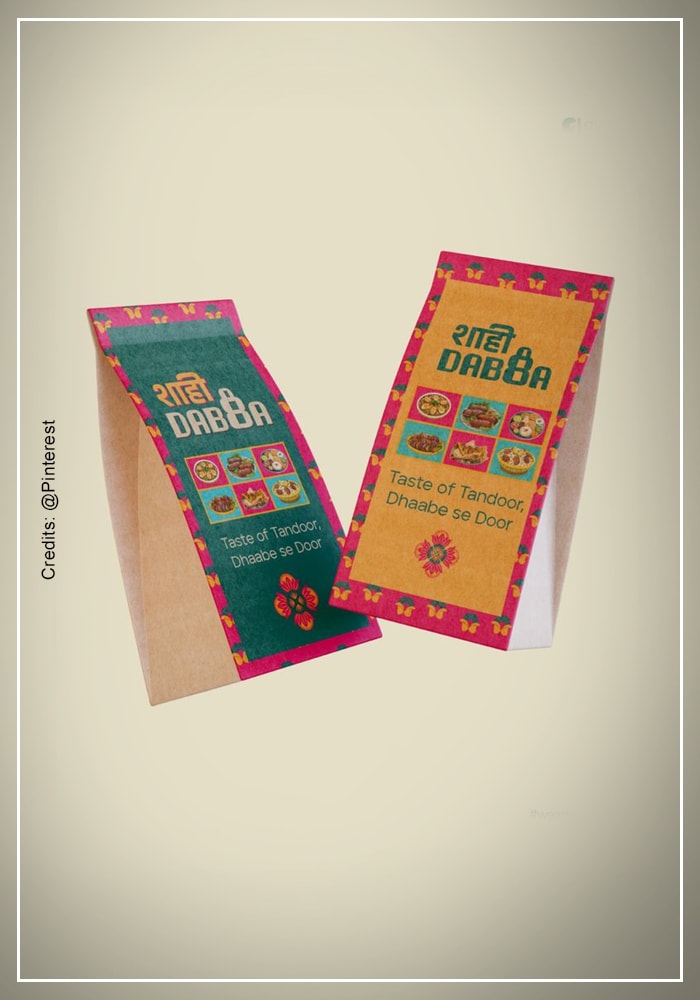
We are also seeing a major shift in how brands package their products. Modern Indian lifestyle brands—from artisanal coffee roasters to luxury skincare lines—are proudly integrating Devanagari into their visual identities. Instead of relying solely on English for a "premium" feel, they are using sleek, contemporary Devanagari typography to signal authenticity, luxury, and localized pride.
Owning the Narrative: Identity Over Obligation
Perhaps the most fascinating aspect of this trend is the psychology behind it. For younger generations, embracing Devanagari is no longer an act of cultural obligation. It is a confident, deliberate expression of identity.
Historically, colonial hangovers often dictated that English was the language of progress, luxury, and modern style. Native scripts were sometimes viewed as traditional to the point of being outdated. The current wave of Devanagari design completely shatters that outdated mindset.
When a young creative wears a jacket embroidered with a Hindi phrase or buys a minimalist poster featuring Sanskrit typography, they are making a statement. They are saying that their heritage does not need to be diluted to fit into a modern, globalized world. They are flexing their roots. The script becomes a secret handshake among those who understand it—a way to signal cultural pride without saying a word.
The Future of Heritage Design
Devanagari's rise as a modern design motif represents a much larger cultural shift. We are living in an era where heritage, language, and modern aesthetics are finally merging seamlessly. Tradition no longer has to feel heavy, rigid, or confined to specific spaces. It can exist in subtle, stylish, and completely everyday ways.
As Indian designers continue to push the boundaries of typography and fashion, the script will only evolve further. It will find new canvases, new interpretations, and new audiences. Devanagari has proven that true style does not require leaving your history behind. Sometimes, the coolest thing you can do is bring your heritage beautifully into the present.
Next Steps for the Culture-Curious:
- Take a closer look at the typography on your favorite imported goods or niche fashion labels—you might spot Devanagari hiding in plain sight.
- Support independent artists and jewelers who are modernizing traditional scripts through their small businesses.
- Consider incorporating a meaningful piece of custom script jewellery into your daily rotation as a unique conversation starter.