

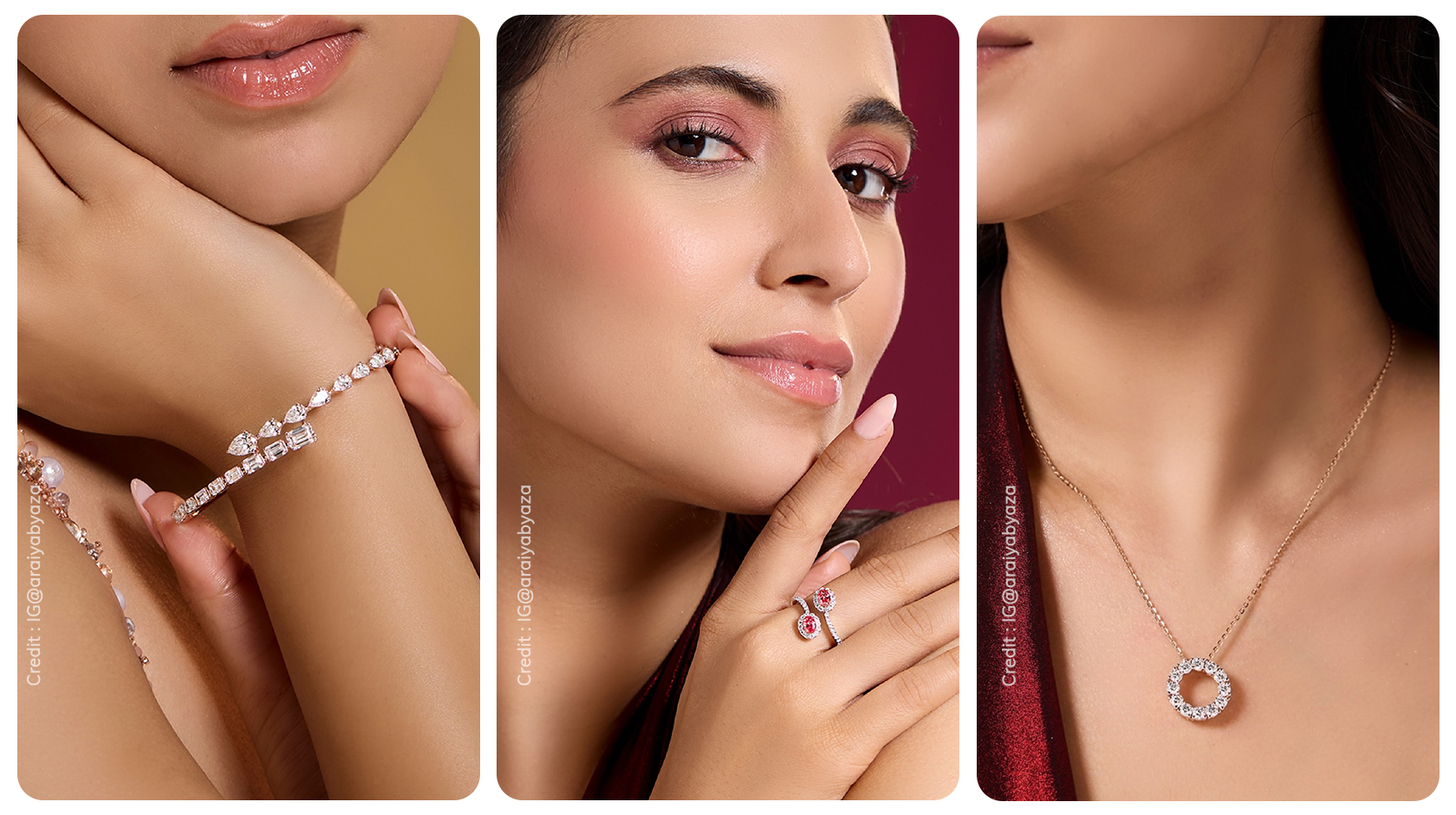
For decades, a diamond meant one thing: a proposal. The stone arrived in a velvet box, usually from someone else, tied to a single milestone. Gen Z has rewritten that script entirely. Younger consumers are now buying diamond jewellery to mark promotions, celebrate birthdays, and reward their own hard-won achievements—no partner required.
This shift is quietly transforming the entire category. According to a 2025 BriteCo survey, 80% of American adults now buy fine jewellery for themselves rather than waiting to receive it as a gift. For Gen Z, that purchase often looks different than it did for their parents: less about signaling wealth, more about telling a personal story. Diamonds remain as desirable as ever. The reasons behind buying them have changed.
Here's a closer look at why diamond jewellery has become this generation's favorite luxury flex—and what it reveals about the future of fine jewellery.
What Is Driving the Rise of Self-Gifting Culture Among Gen Z?
Self-gifting has moved from guilty pleasure to cultural default. Where previous generations waited for an anniversary or a major occasion, Gen Z has normalized buying luxury for themselves on their own terms.
Several forces are fueling this. Social media has turned personal style into a daily form of storytelling, and a sparkling necklace or stacked rings photograph beautifully. Financial independence plays a role too—younger buyers want pieces that reflect their own effort and identity, not someone else's gesture.
The occasions have expanded well beyond tradition. Today's diamond purchases celebrate:
- Career milestones, like a first promotion or new role
- First major purchases that mark a step into adulthood
- Personal achievements, from finishing a degree to hitting a savings goal
- Birthday self-gifting, treating yourself to something lasting
- Everyday luxury, simply because the piece feels right
The BriteCo data backs this up: enhancing personal style and celebrating a milestone tied as the top motivations for self-purchase, each cited by 22% of respondents. Roughly 1 in 5 buyers said they simply feel deserving of the reward. For Gen Z, that mindset is second nature.
Why Is Gen Z's Definition of Luxury Different?
Status symbols don't carry the same weight they once did. Gen Z grew up online, fluent in spotting what's authentic and what's performance. As a result, this generation values experiences, individuality, and transparency over the old markers of conspicuous wealth.
The modern luxury buyer wants more from a purchase. They look for meaning, versatility, and long-term value. They want pieces that come with a story they can tell, and they care about how those pieces are made. Ethical considerations and conscious consumerism are no longer fringe concerns—they're part of the decision from the start.
That reframes what a diamond actually represents. For Gen Z, diamond jewellery is an extension of personal identity, not a marker of how much someone earns. A piece earns its place because it feels distinctly theirs, fits seamlessly into daily life, and aligns with their values. Luxury, in this view, is personal before it is prestigious.

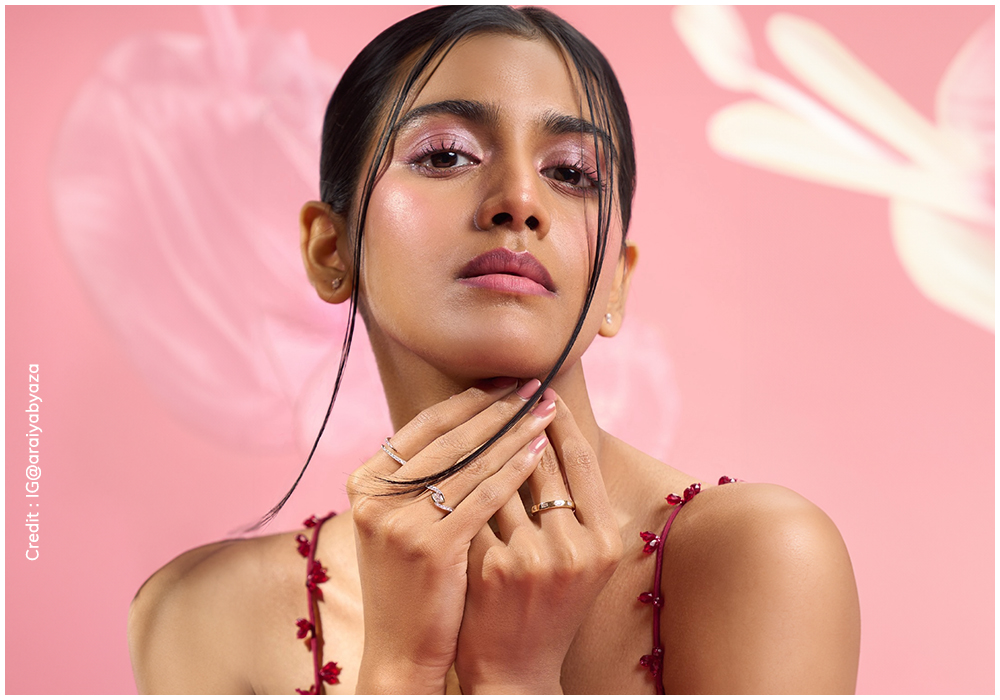
Why Do Lab-Grown Diamonds Fit the Gen Z Mindset?
Lab-grown diamonds answer almost every expectation this generation brings to a purchase. They are chemically and visually identical to mined diamonds, yet they arrive with a transparency and modernity that resonates deeply with younger buyers.
Lab-grown diamonds are a contemporary category of luxury jewellery—not a compromise or a runner-up. Several qualities make them a natural fit for Gen Z:
- Modern innovation: They represent cutting-edge technology, which appeals to a generation that respects progress.
- Transparency: Their origin is clear and traceable, supporting conscious consumption.
- Better value for money: Lab-grown diamonds cost significantly less than mined stones—often 50% to 80% less—without sacrificing quality.
- Access to larger, high-quality stones: That value unlocks more impressive carat weights and clarity at accessible price points.
- Design experimentation: Lower entry costs free designers and buyers to be bolder and more creative.
The momentum is real. A 2025 McKinsey analysis found that lab-grown diamonds have surged in popularity, with roughly half of millennial and Gen Z couples now choosing them for engagement rings. The appeal extends far beyond proposals—lab-grown diamond jewellery has become a cornerstone of sustainable luxury for everyday buyers.
Choose lab-grown diamonds if transparency, value, and ethical sourcing matter as much to you as brilliance and design. For most of Gen Z, they do.
How Is Gen Z Wearing Diamonds Every Day?
The old rule was simple: save diamonds for special occasions. Gen Z has thrown that rule out. Fine jewellery now belongs in the everyday wardrobe, styled with the same ease as a favorite pair of sneakers.
This generation mixes high and low without hesitation. A tennis bracelet pairs with a casual sweatshirt. Diamond studs become a daily uniform rather than a once-a-year treat. The styling skews personal and layered:
- Layered diamond necklaces worn at varying lengths
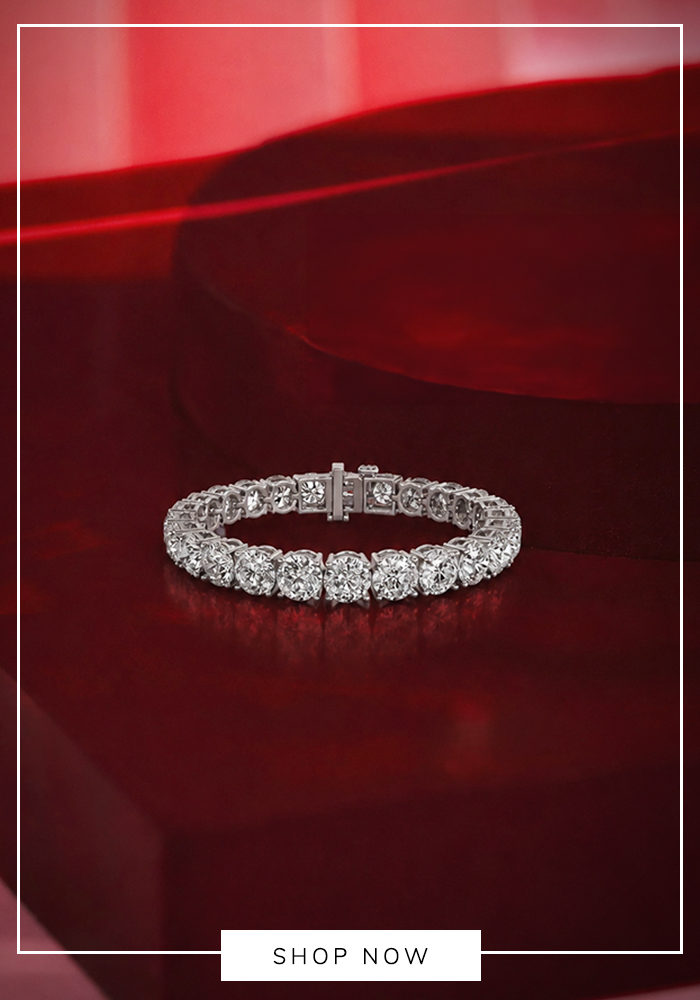
- Tennis bracelets dressed down with denim and knits
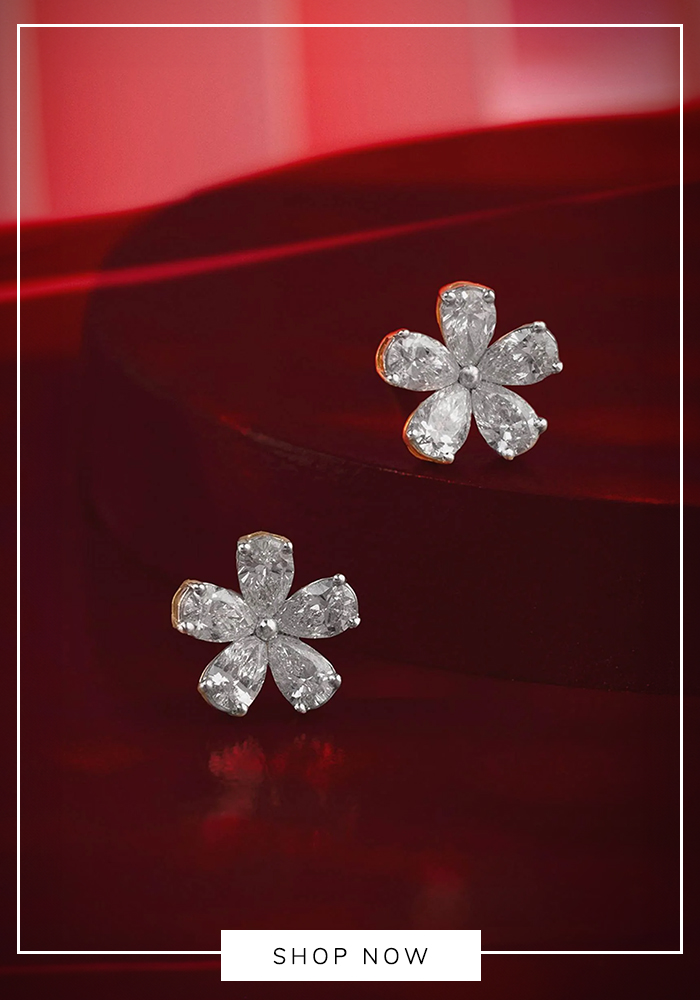
- Diamond studs as an everyday signature
- Stackable rings mixed and matched across fingers
- Minimalist fine jewellery built for constant wear
It's no surprise that Gen Z is the only generation to favor necklaces over rings, with 35% naming necklaces their most meaningful self-purchase, per the BriteCo survey. Layering and personalization are central to how this generation expresses style—and diamonds have become a flexible, everyday part of that language.

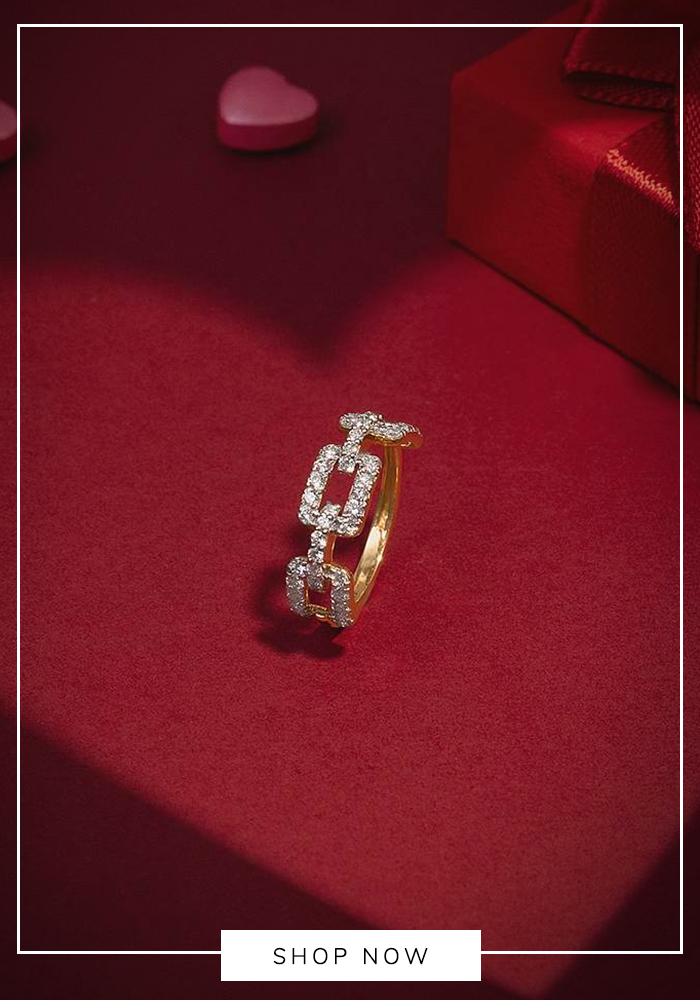
How Does Araiya by Aza Speak to the New Luxury Consumer?
The brands resonating with this generation understand that diamonds now live in daily life, not just in jewellery boxes. Araiya by Aza, the lab-grown diamond jewellery house launched by Aza Fashions, reflects that shift with a distinctly modern point of view.
The brand pairs IGI-certified lab-grown diamond craftsmanship with a contemporary design language built for wearability. Its collection spans dainty solitaire pendants for everyday sparkle to statement necklaces made for celebrations—pieces designed to transition effortlessly from day to night. That fashion-first approach mirrors how Gen Z actually wears fine jewellery: integrated, expressive, and ready for real life.
By grounding luxury in ethical sourcing and current design rather than tradition alone, Araiya by Aza speaks the language of the new luxury consumer. It treats diamond jewellery as something to live in, not lock away.
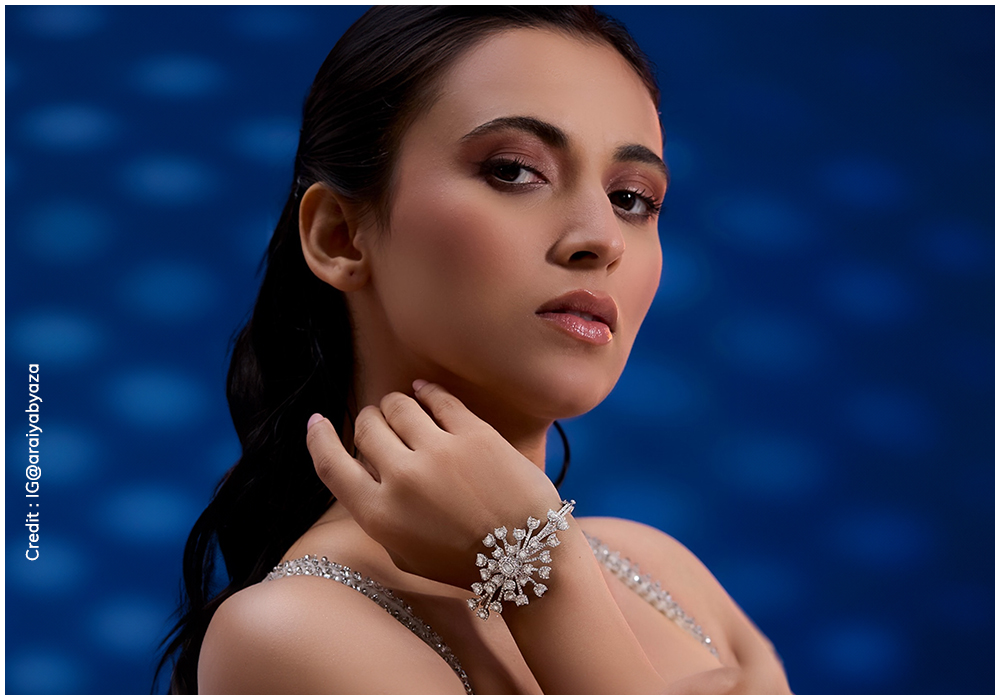
The New Era of Diamond Jewellery
Diamonds aren't losing their shine—they're gaining new meaning. For Gen Z, a diamond represents individuality, achievement, confidence, and personal style far more than financial status. The purchase is increasingly something you make for yourself, on a day that matters to you.
This is the heart of today's diamond jewellery trends: luxury that feels personal, conscious, and wearable. As lab-grown diamonds make fine jewellery more accessible and expressive, brands like Araiya by Aza are helping shape a new era—one aligned with the values of a generation rewriting what luxury means.
If you've been waiting for the right occasion to invest in diamond jewellery, Gen Z has a simple answer: the occasion is you.