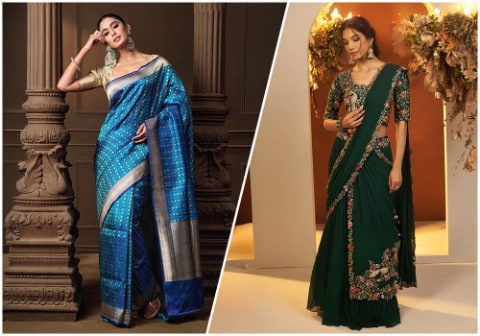
In the vibrant world of Indian ethnic wear, the saree stands as an undisputed icon of grace and tradition. Yet, modern innovation has given rise to exciting new silhouettes that offer the same elegance with a contemporary twist. One such creation is the lehenga saree, a beautiful hybrid that has captured the hearts of many. While both garments offer a stunning, draped look, they are fundamentally different in their structure, draping style, and overall feel.
For anyone navigating the choices for a wedding or festive event, understanding the difference between a classic saree and a lehenga saree is key. Is the convenience of a pre-stitched garment better for you, or do you prefer the timeless art of draping a traditional saree? This guide will break down the unique features of each, help you decide which is right for your occasion, and provide styling tips to perfect your look.
What is a Traditional Saree?
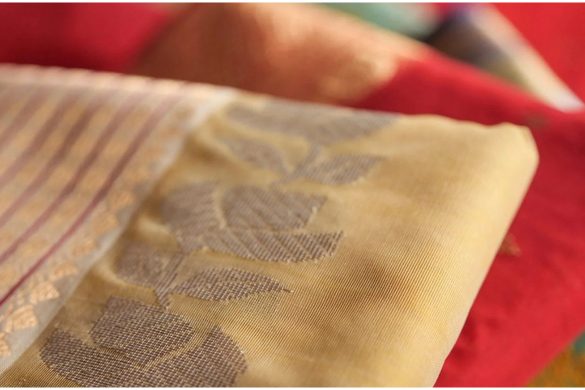
The traditional saree is a timeless piece of unstitched fabric, typically ranging from five to nine yards in length. Its beauty lies in its simplicity and versatility. This single long cloth is skillfully draped around the body, pleated at the waist, and thrown over the shoulder to create a graceful and fluid silhouette. It is worn with a separate blouse (choli) and an underskirt (petticoat).
The art of draping a saree is a skill passed down through generations, with dozens of regional styles, from the classic Nivi drape to the Bengali Athpourey drape. The saree is more than just clothing; it is a canvas for weavers and artisans to showcase incredible craftsmanship.
Key Features
- Structure: A single, unstitched rectangular piece of fabric.
- Draping: Requires manual pleating and draping, offering immense versatility in styling. The final look depends entirely on the skill of the wearer.
- Components: Worn as a three-piece ensemble: the saree, a blouse, and a petticoat.
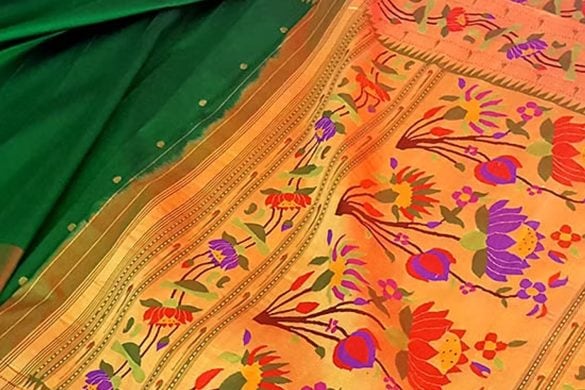
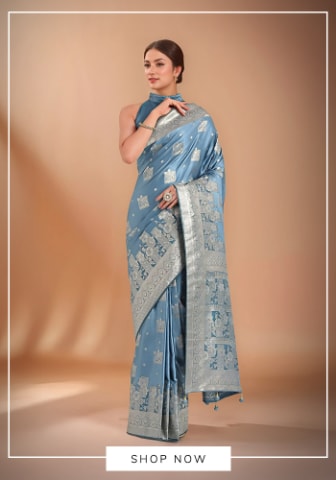
- Fabric and Work: Can be found in every imaginable fabric, from simple daily-wear cottons to heavy, handwoven silks like Banarasi and Kanjeevaram, often featuring intricate embroidery, prints, or woven patterns.
Best Occasions
The traditional saree is incredibly versatile and can be adapted for any event.
- Formal and Corporate Events: A crisp linen or silk-cotton saree projects professionalism and elegance.
- Weddings and Grand Ceremonies: Heavy, ornate silk or georgette sarees are perfect for making a grand statement.
- Religious and Cultural Functions: A traditional handloom saree is always a respectful and beautiful choice.
What is a Lehenga Saree?
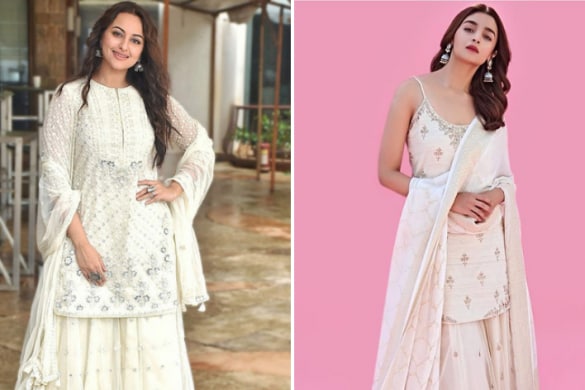
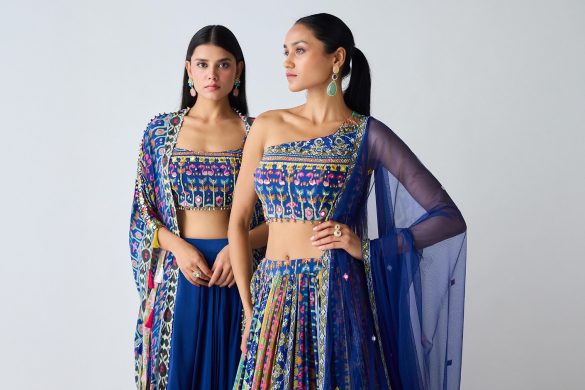
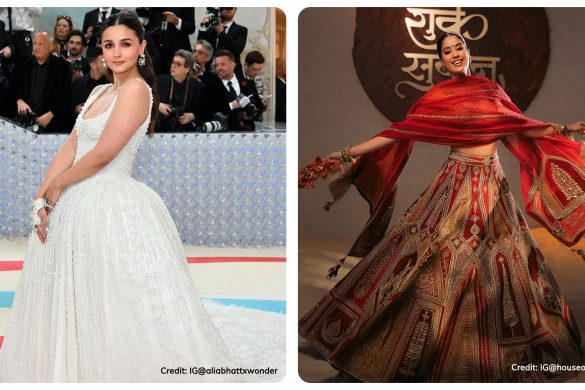
The lehenga saree, also known as a pre-stitched saree, is a modern innovation designed for convenience. It brilliantly combines the look of a traditional saree with the ease of wearing a lehenga. This garment eliminates the complex process of pleating and draping.
The bottom half of a lehenga saree is essentially a pre-stitched skirt (lehenga) with pleats already sewn in place. The wearer simply has to slip it on like a skirt. The attached "pallu" (the decorative end piece) is then draped over the shoulder to mimic the look of a classic saree.
Key Features
- Structure: A semi-stitched garment. The lower portion is a skirt with pre-defined pleats, and the pallu is a long, attached drape.
- Draping: Requires no manual pleating. The process is as simple as wearing a skirt and draping the attached pallu over your shoulder.
- Components: Worn as a two-piece set: the lehenga saree skirt and a blouse. No separate petticoat is needed.
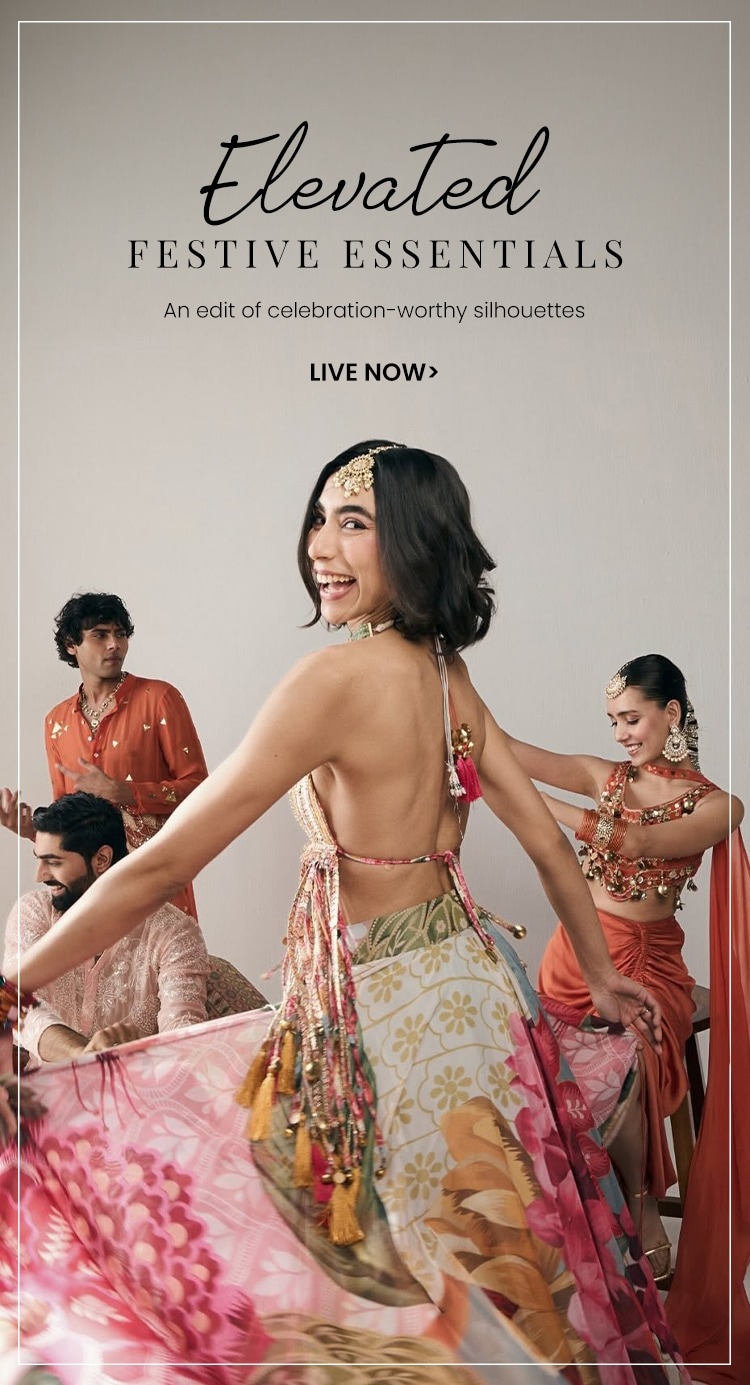
- Design: Often features a fusion of lehenga and saree aesthetics, with a flared or A-line skirt portion and a heavily embellished pallu.
Best Occasions
The lehenga saree is perfect for those who love the saree look but not the hassle of draping it.
- Sangeet and Cocktail Parties: The ease of movement makes it perfect for events with lots of dancing and socializing.
- Receptions and Engagements: It provides a glamorous, contemporary look that is both stylish and comfortable.
- Destination Weddings: It is an excellent choice for when you need to get ready quickly without assistance.
Saree vs. Lehenga Saree: The Core Differences
Let’s summarize the main points of comparison.
- Ease of Wearing: The lehenga saree is the clear winner here. It can be worn in minutes with no prior experience, making it beginner-friendly. A traditional saree requires practice and time to drape perfectly.
- Authenticity and Versatility: The traditional saree offers unparalleled authenticity and draping versatility. You can style one saree in numerous ways. The lehenga saree has a fixed drape, offering style consistency but limited creativity.
- Silhouette: A well-draped traditional saree creates a sleek, body-hugging silhouette. A lehenga saree often has more volume at the bottom due to its skirt-like structure, resembling an A-line lehenga.
- Comfort: Comfort is subjective. Some find the unrestricted movement of a lehenga saree more comfortable for long events. Others prefer the custom fit of a personally draped traditional saree.
Styling Tips for Each
How to Style a Traditional Saree
- The Blouse: Experiment with your blouse design. A contemporary blouse—like a high-neck, off-shoulder, or bell-sleeved style—can give a traditional saree a modern update.
- Accessorize Thoughtfully: Pair handloom sarees with chunky silver or temple jewelry. For dressier sarees, opt for Kundan, Polki, or diamond sets.
- Belt It: Adding a stylish belt (kamarbandh) at the waist not only holds the pleats in place but also adds a chic, modern element.
How to Style a Lehenga Saree
- Focus on the Blouse: Since the drape is fixed, a statement blouse can elevate the entire look. Think corset styles, intricate back designs, or dramatic sleeves.
- Minimalist Draping: Let the pallu fall gracefully over your shoulder or drape it neatly over your arm. Since the pleats are set, you can play more with the pallu.
- Modern Jewelry: Complement the modern feel of a lehenga saree with contemporary jewelry, such as chandelier earrings, a statement choker, or sleek cuffs.
Which One Should You Choose?
Your choice depends entirely on your priorities and the event.
- Choose a Traditional Saree if: You cherish the classic, timeless elegance of Indian heritage wear. You appreciate the art of draping and want the flexibility to style your garment in different ways.
- Choose a Lehenga Saree if: You prioritize comfort, convenience, and a modern aesthetic. You love the look of a saree but are new to wearing one or need to get ready quickly for a fast-paced event like a Sangeet.
Final Thoughts
Both the traditional saree and the lehenga saree are beautiful choices that celebrate the richness of Indian fashion. One represents timeless tradition and artistry, while the other embodies modern convenience and style. Your wardrobe can happily make room for both, giving you the perfect option for any mood and occasion.
Whether you're drawn to the classic allure of a Banarasi saree or the hassle-free glamour of a designer lehenga saree, Aza Fashions offers an extensive, curated collection. Explore a world of exquisite designs from top Indian designers and find the perfect draped ensemble to make your next event unforgettable.