

Durga Puja 2026 in New Jersey and New York will bring together community pandals, cultural performances, and festive food across cities like Edison, Iselin, and Manhattan. The celebration typically falls in September or October, based on the Hindu lunar calendar. For pandal visits, opt for traditional wear like sarees, kurtas, or panjabis, while keeping comfort in mind for long days of standing and walking.
Durga Puja is one of the most anticipated festivals for the Bengali community, and its energy doesn't fade just because you're thousands of miles from Kolkata. Across New Jersey and New York, local associations recreate that same spirit each year with elaborate pandals, traditional rituals, and community feasts that pull in thousands of visitors.
If you're planning to attend Durga Puja 2026 in the tri-state area, here's what you need to know about finding pandals near you and dressing the part.
When is Durga Puja 2026?
Durga Puja follows the Hindu lunar calendar, so the exact dates shift each year. The festival usually falls sometime in September or October, spanning five main days that culminate in Bijoya Dashami, when the idol of Goddess Durga is ceremonially immersed. Local associations in New Jersey and New York often extend celebrations across a weekend to accommodate working professionals and families, so check with your nearest pandal for their specific 2026 schedule closer to the date.
Where can I find Durga Puja pandals in New Jersey and New York?
New Jersey has one of the largest Bengali populations on the East Coast, which means pandals pop up in numerous towns each year. Areas with strong South Asian communities, like Edison, Iselin, and Piscataway, tend to host some of the larger celebrations, often organized by community associations and cultural organizations. In New York, celebrations are common across Queens and parts of Manhattan, frequently hosted by Bengali cultural associations and temples.
Because organizers and venues can change year to year, your best bet is to search for "Durga Puja 2026" alongside your town name, or check community Facebook groups and Bengali association websites closer to the festival dates. Many pandals also list their event details on Eventbrite or similar platforms once the schedule is confirmed.
What should I wear to a Durga Puja pandal?
Traditional Bengali attire is the norm, but there's plenty of room to make it your own.
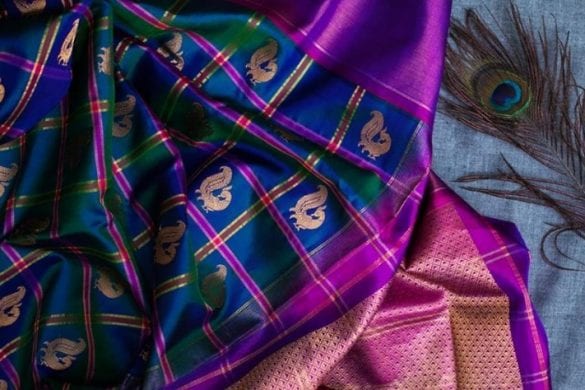
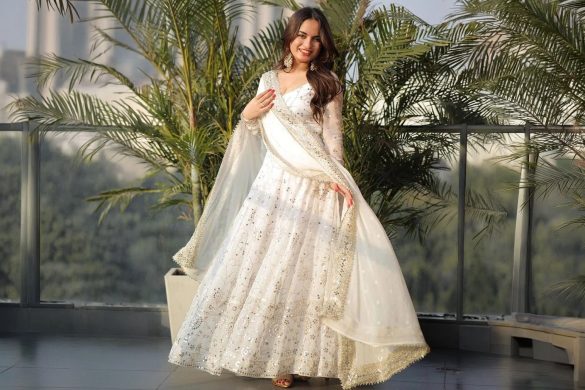
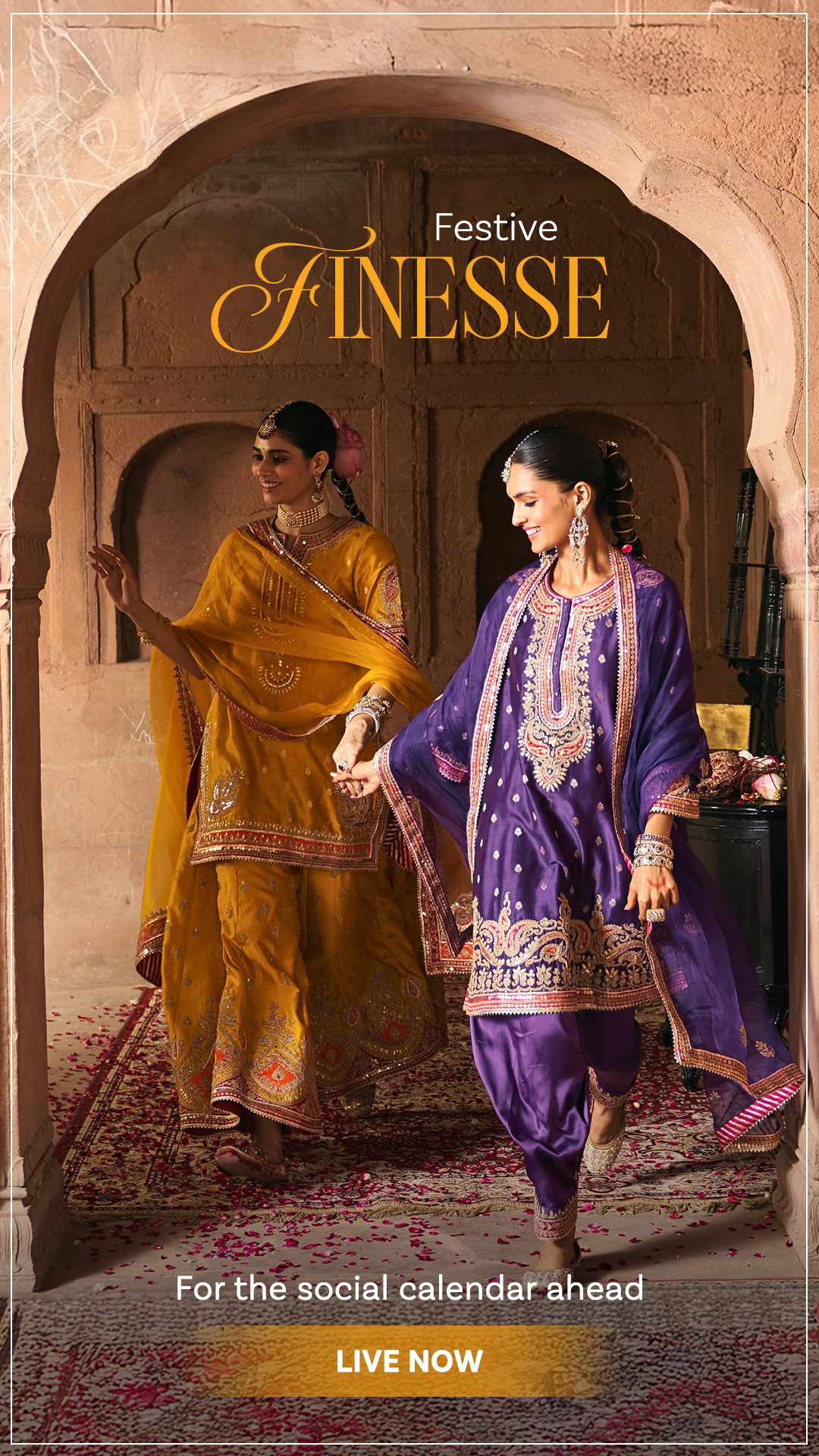
For women: A saree is the classic choice, especially red and white combinations, which hold cultural significance during Durga Puja. Silk sarees like tant or Kanjivaram are popular, but a comfortable cotton or georgette saree works just as well for long days of walking between pandals. Salwar kameez or a kurta with palazzo pants are great alternatives if you want something easier to move in.
For men: A dhoti-panjabi combination is the traditional pick, particularly on Ashtami, the most significant day of the puja. If that feels like a lot, a simple kurta paired with jeans or trousers works fine for a casual pandal hop.
A few practical tips:
- Choose breathable fabrics. Early autumn weather in New Jersey and New York can still be warm, and pandals get crowded.
- Wear comfortable footwear. You'll likely be standing in line, walking between food stalls, and taking part in the aarti.
- Bring a light shawl or stole for cooler evenings, especially if the puja runs into October.
Why does dressing traditionally matter at Durga Puja?
Dressing traditionally isn't about following a dress code. It's about participating in a shared cultural moment. Durga Puja is as much a social and spiritual gathering as it is a religious one, and wearing traditional attire connects you to generations of the same celebration, whether it's happening in Kolkata or Edison.
That said, no one is going to turn you away for showing up in jeans. The bigger point is joining in, eating the food, watching the dhunuchi naach, and soaking in a festival that turns a New Jersey community center into a small piece of Bengal for a weekend.
Make the most of Durga Puja 2026
Durga Puja in New Jersey and New York proves that community celebrations don't need geography on their side to feel authentic. Start checking local Bengali associations and cultural centers a few months ahead of the festival to lock in dates, plan your outfit around comfort and tradition, and leave room in your schedule to visit more than one pandal. Each one brings its own flavor, from the food stalls to the way the idol is decorated.
FAQ
Do I need to be Bengali or Hindu to attend a Durga Puja pandal?
No. Durga Puja pandals in New Jersey and New York are open to everyone. Many attendees come purely for the food, music, and cultural performances, regardless of religious background.
Is there an entry fee for Durga Puja pandals?
Some larger pandals charge a small entry fee or ask for donations to cover event costs, while smaller community pandals may be free. Fees vary by organizer, so check with the specific association hosting the event.
What food can I expect at Durga Puja celebrations?
Expect Bengali staples like khichuri, luchi, mishti doi, and rasgulla. Many pandals also sell snacks like fish fry and biryani from food stalls run by the local community.
Can I wear Western clothing to a pandal?
Yes. While traditional attire is common, especially during aarti or on Ashtami, there's no strict dress code. Comfortable, modest Western wear is perfectly acceptable.