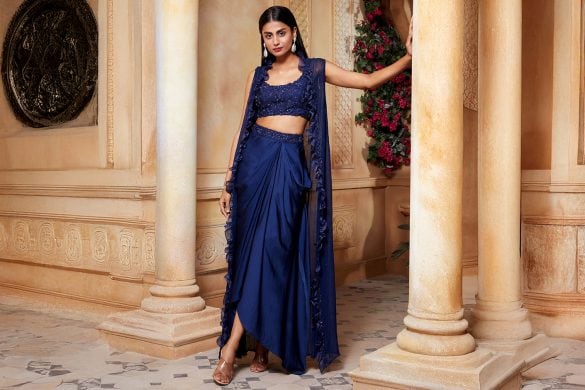
Durga Puja isn't just five days of pandal hopping and dhak beats. It's an entire wardrobe moment. Every day has its own energy, and your outfit should move with it. Panchami eases you in. Ashtami demands drama. Dashami closes the chapter with emotion and tradition.
If you've ever stood in front of your closet wondering what to wear for Durga Puja that feels festive without looking like you raided your mother's puja trunk, this guide is for you. We're breaking down Durga Puja outfit ideas for each day, covering silhouettes, colours, fabrics, and the small styling details that make a look feel finished.
What to Wear on Panchami: The Warm-Up Look
Panchami is the soft launch. The city is just waking up to Puja mode, pandals are still under construction, and the vibe is more anticipation than celebration. This is the day to ease into festive dressing without going full traditional.
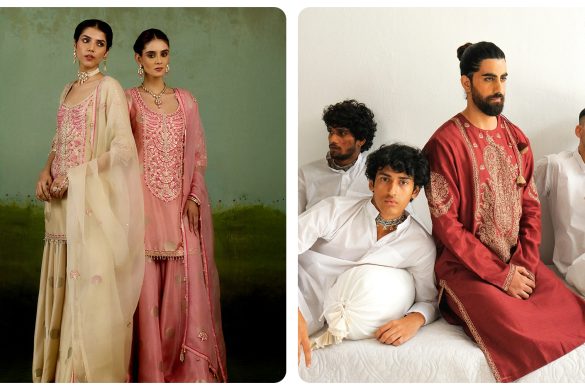
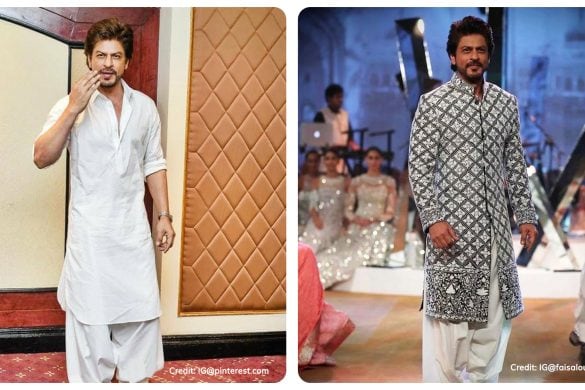
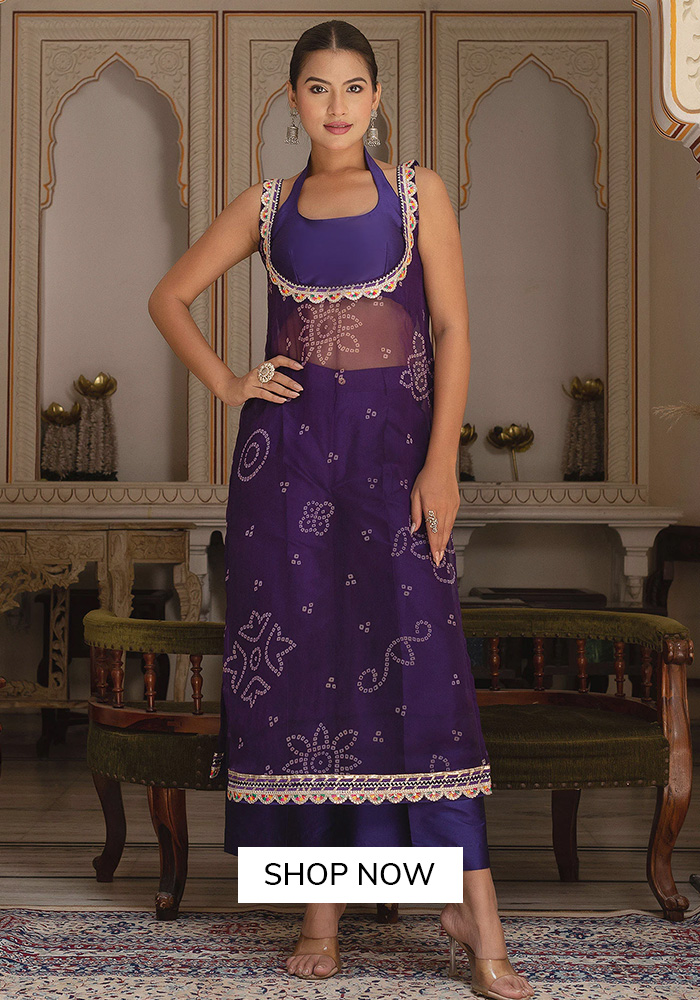
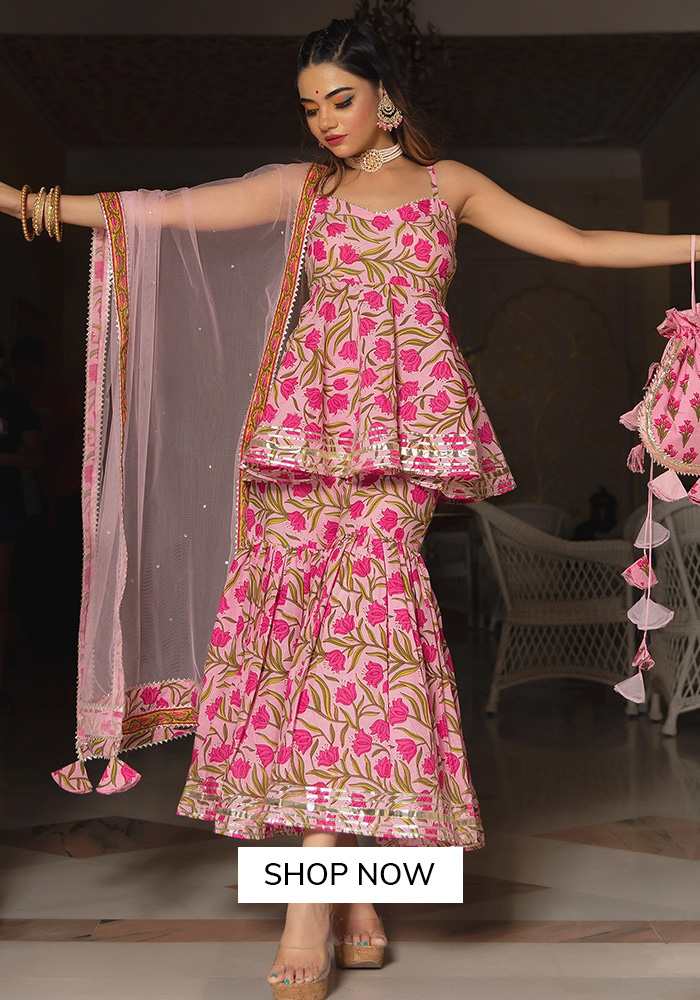
Think structured kurta sets in linen or cotton silk, paired with statement earrings and kolhapuris. Pastel shades like sage green, dusty pink, and buttery yellow work beautifully here. If sarees feel like too much this early, a well-draped dhoti saree or an indo-western co-ord set hits the same festive note with far less effort.
Keep prints minimal. A single block-printed dupatta or a subtly embroidered kurta does more than a busy pattern ever could. This is understated Durga Puja fashion, the kind that photographs well in daylight and feels effortless in the humidity.
What to Wear on Shashti: The Statement Arrival
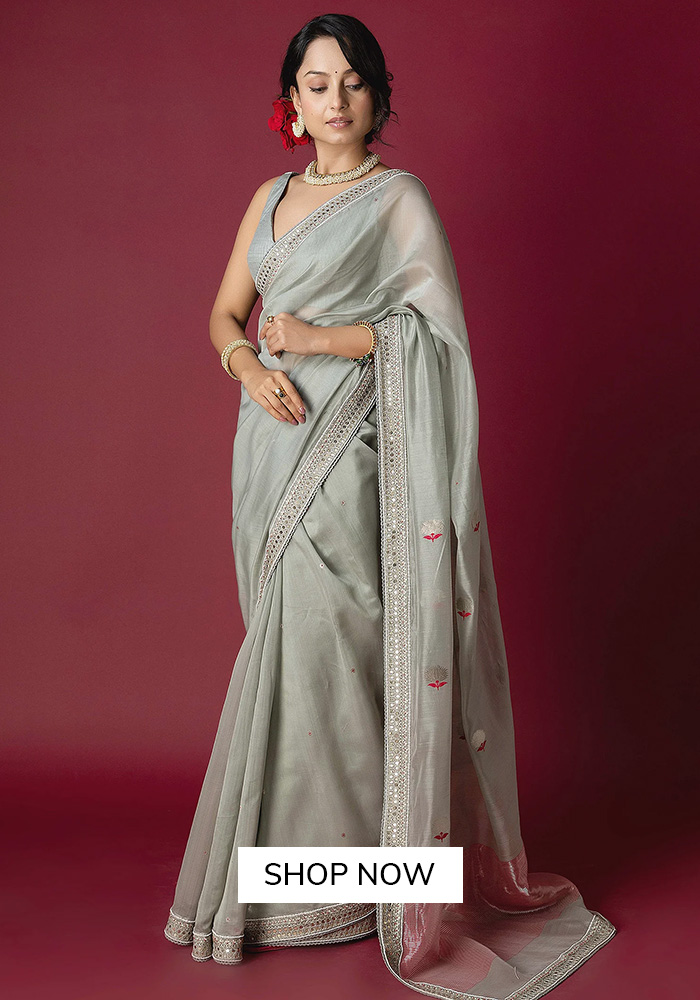
Shashti marks the real beginning. Bodhon happens, the goddess is unveiled, and the pandal hopping officially starts. This is your first big saree moment, and it deserves one of your best Durga Puja saree ideas.
Go for a tussar silk or a handloom cotton saree in deeper festive tones, think brick red, mustard, or teal, paired with a contrast blouse that does some of the talking. Bengali Durga Puja outfits traditionally lean into red and white, but Shashti is a good day to experiment before you commit to the classic combination later in the week.
Jewellery should feel substantial but not heavy. A pair of jhumkas, a few bangles, and a bindi that matches your blouse rather than your saree create a look that feels intentional. Comfortable block heels or embellished flats are non-negotiable if you're hopping between three pandals before dinner.
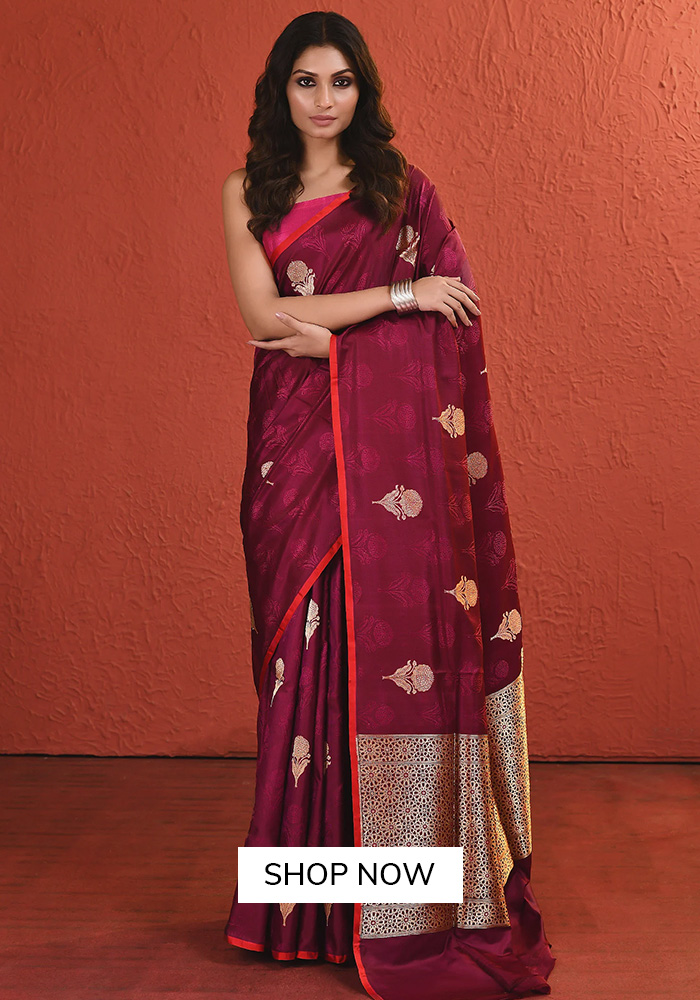
What to Wear on Saptami: The Classic with a Twist
Saptami is where tradition meets a little rebellion. The rituals get more serious, but your outfit doesn't have to.
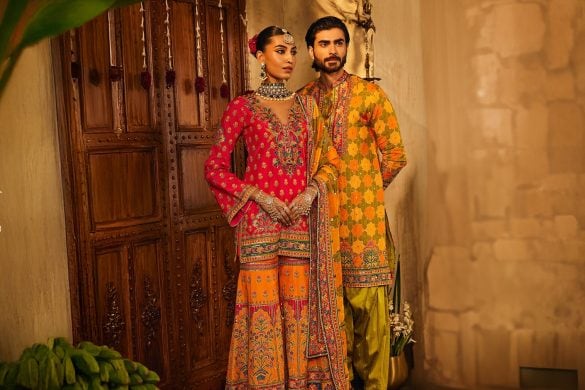
This is the perfect day for a Bengali cotton tant saree but styled differently than your grandmother would. Try a printed tant with a solid contrast blouse in an unexpected colour, like a lavender blouse against a red-and-white tant. Or skip the saree altogether for a structured Anarkali in soft cotton silk, which gives you the same festive silhouette with a lot more room to move (literally).
Fabrics with texture, like jamdani or a light kantha-embroidered cotton, add interest without needing bold colour. Keep accessories light: a single statement cuff, small jhumkas, and a bindi are enough. Saptami rewards outfits that look put-together in photos but still let you sit cross-legged on a pandal floor without a wardrobe malfunction.
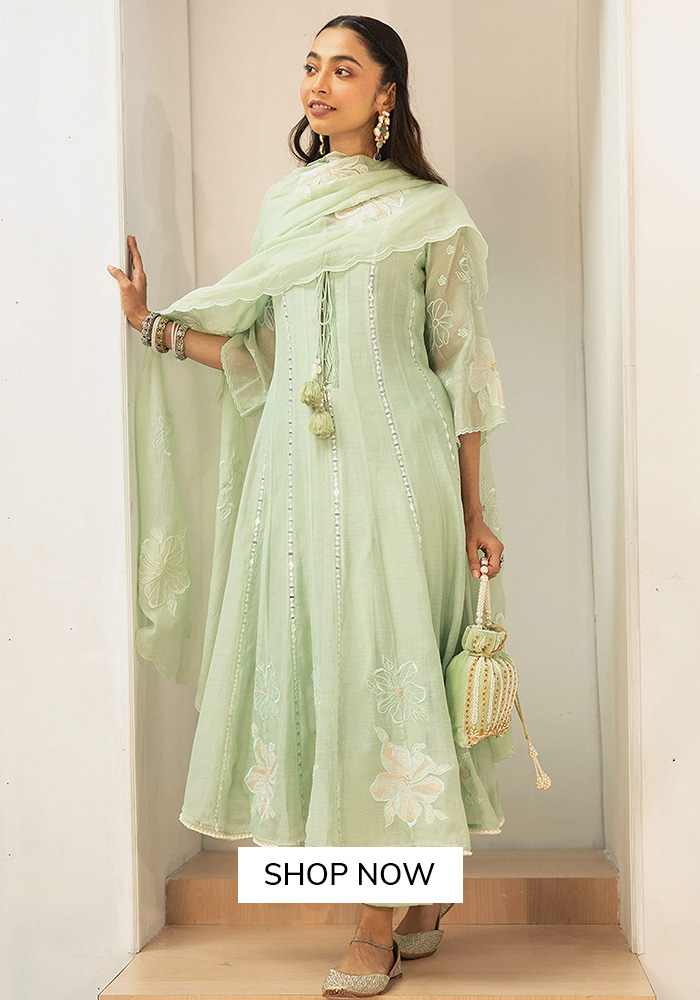
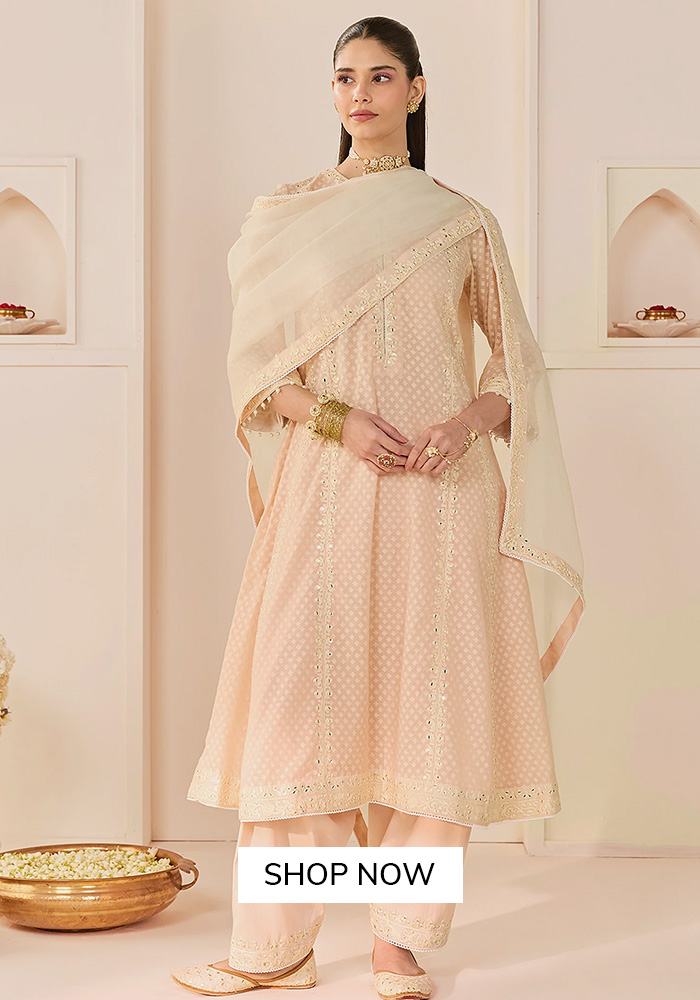
What to Wear on Ashtami: The Showstopper
Ashtami is the main event. Anjali happens in the morning, followed by evening celebrations that stretch late into the night. This is the one day where going bigger is not just allowed, it's expected.
For Anjali, most women still lean into white and red, a nod to the traditional laal paar saree. A crisp white cotton or silk saree with a deep red border, paired with minimal jewellery and a bold red bindi, is timeless for a reason. It photographs beautifully in morning light and respects the ritual without feeling costume-y.
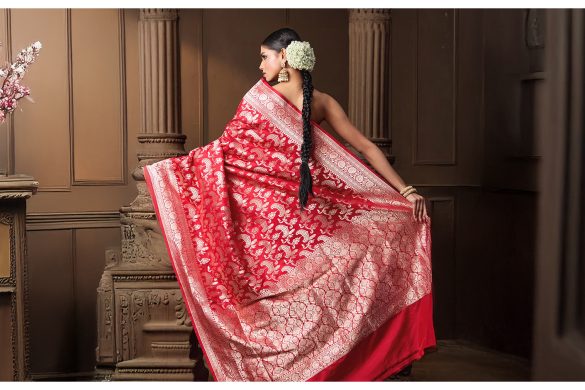
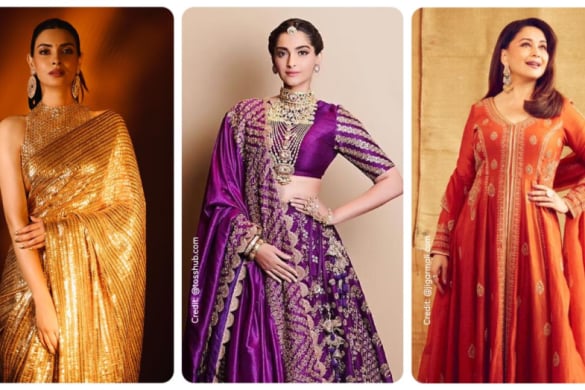
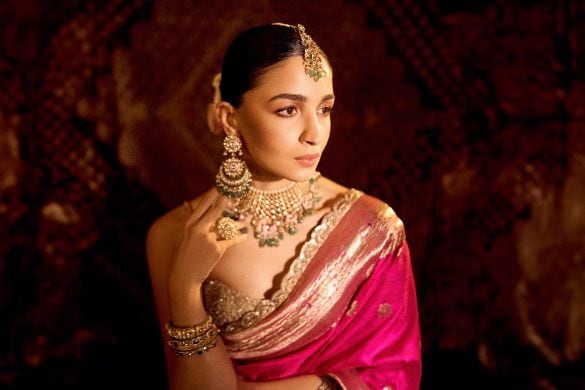
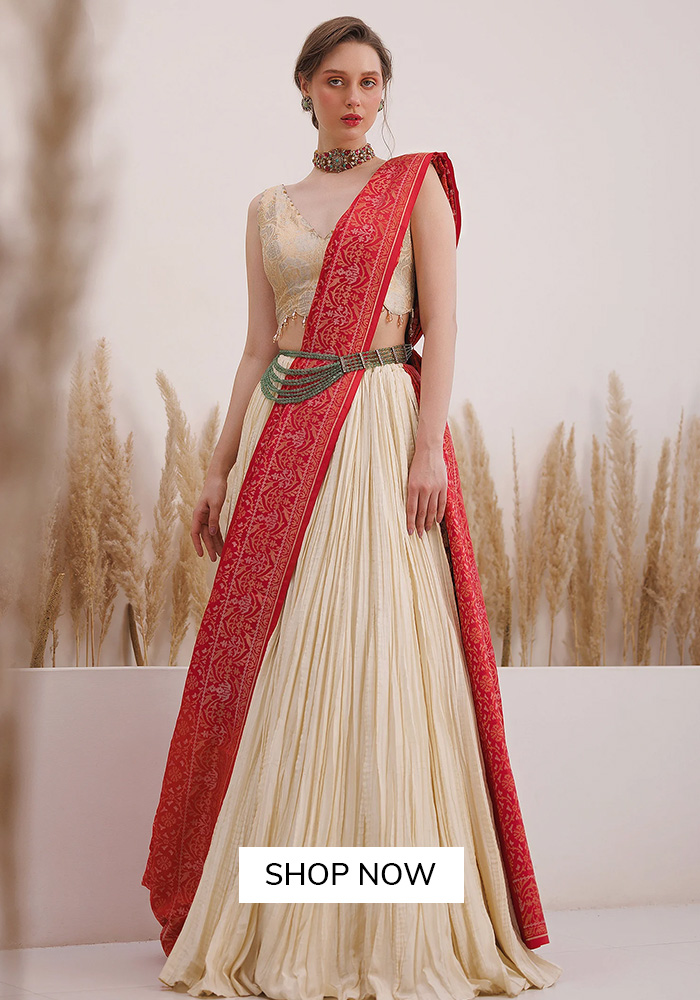
Come evening, switch gears entirely. This is your chance to wear the lehenga or heavily embroidered saree you've been saving. Think Banarasi silk in jewel tones like emerald, wine, or royal blue, or a structured lehenga with zari and sequin work if you want something more contemporary. Layer on statement jewellery, a maang tikka if you're feeling extra, and heels you've already broken in (trust us on this one).

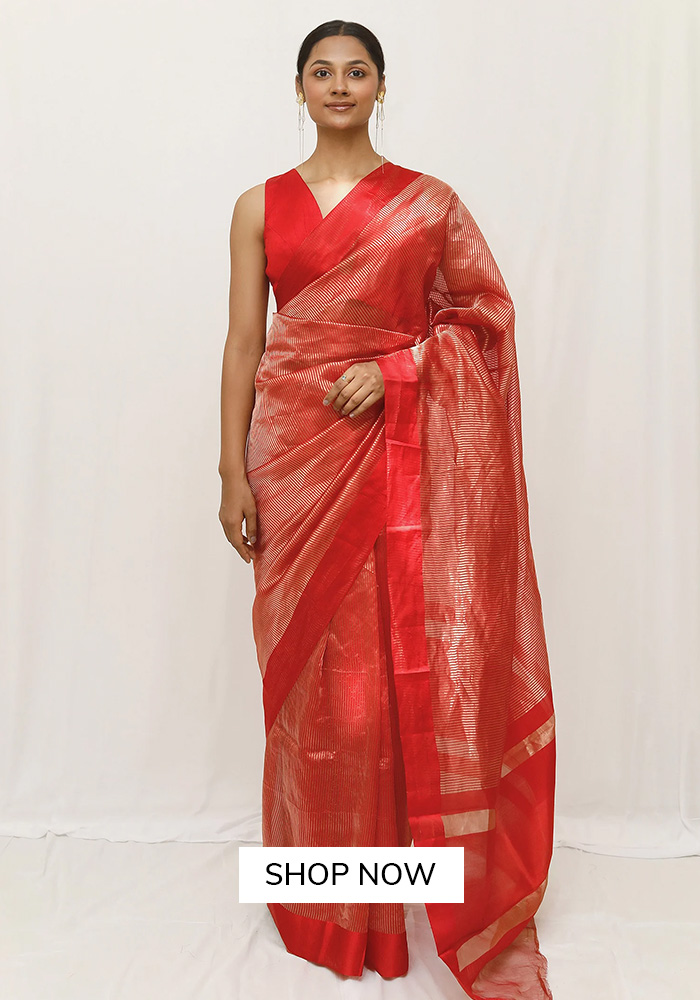
What to Wear on Navami: The Cultural Night Look
Navami often means cultural programs, family dinners, and one last big night before the goddess departs. The mood is celebratory but slightly more relaxed than Ashtami's intensity.
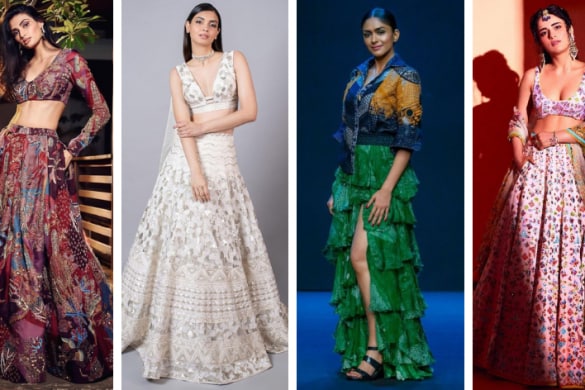
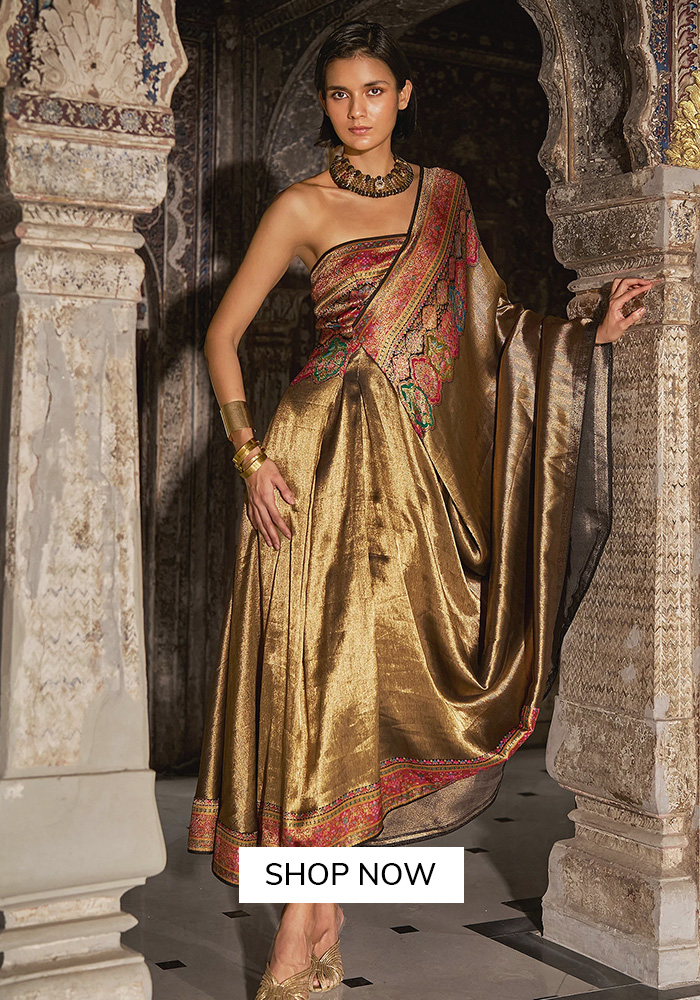
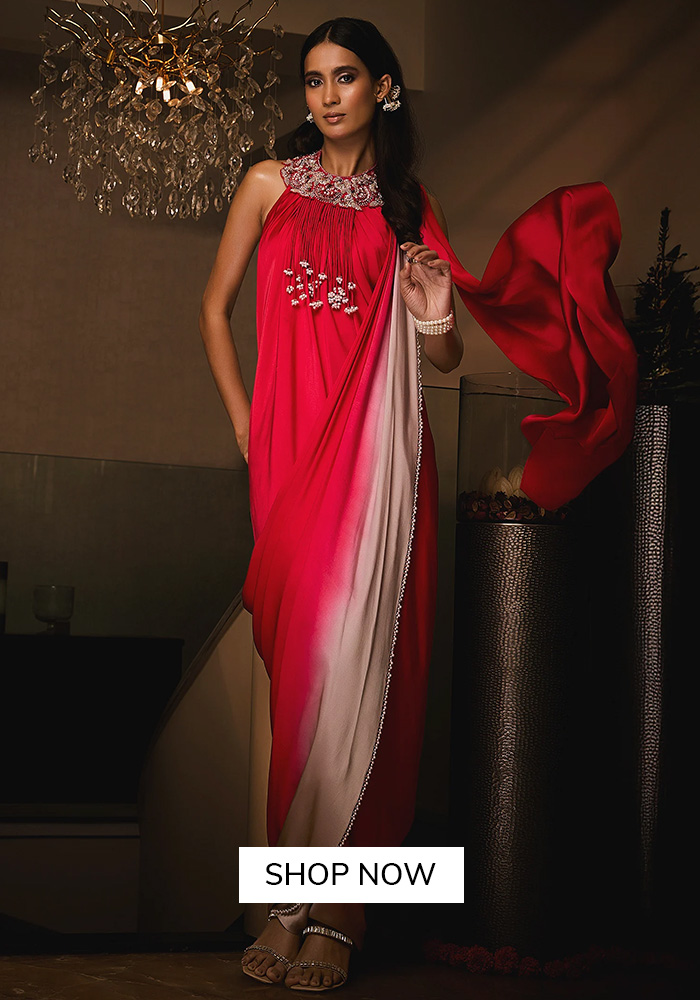
This is a good day for festive separates, a sequinned or embroidered blouse paired with a flowing skirt, or a pre-draped saree gown if you want the drama of a saree without the draping effort. Metallics work well here: gold, copper, and bronze tones catch the light beautifully during evening events.
If you're attending a cultural program with dance or music performances, choose something that moves well. Heavily structured lehengas can feel restrictive if you're going to be sitting for hours or dancing later. A well-fitted anarkali or a lightweight embellished saree gives you both movement and glamour.
What to Wear on Dashami: Sindoor Khela and the Farewell
Dashami is emotional. The goddess is bid farewell, married women participate in Sindoor Khela, and the entire mood shifts from celebration to bittersweet closure. Your outfit should reflect that.
The white saree with a red border remains the defining look of the day, and for good reason. It's practical (sindoor stains are inevitable), symbolic, and deeply rooted in Bengali tradition. Choose a cotton or silk saree with minimal embellishment so it can withstand the chaos of Sindoor Khela without feeling precious. A simple red blouse, a bold bindi, and minimal jewellery complete the look.
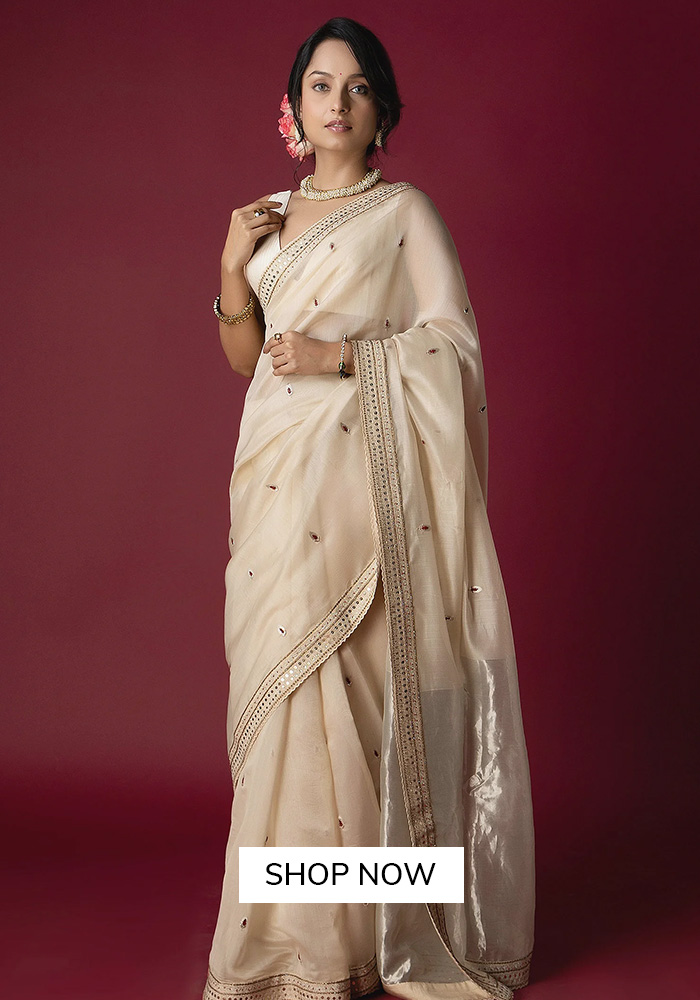
If you're not participating in Sindoor Khela but still attending the visarjan festivities, a plain white saree with subtle gold or silver detailing works just as well, offering the same reverence without the ritual-specific styling.
Final Styling Notes
The best Durga Puja outfits for women aren't the ones that try hardest. They're the ones that match the mood of the day, whether that's Panchami's easy anticipation or Dashami's quiet emotion. Comfortable footwear matters more than people admit, humidity is not a myth, and a well-chosen bindi can elevate an outfit more than another accessory ever will.
Plan your five (or six) looks ahead of time, but leave room to adjust based on weather, energy levels, and how your feet are holding up by day four. Puja fashion works best when it feels like an extension of the celebration, not a performance separate from it.