India's rich textile history is woven with vibrant threads and intricate patterns, many of which come to life through the timeless art of hand block printing. This traditional craft is a cornerstone of the country's heritage, with Uttar Pradesh standing out as a major hub. The state is renowned for its classic designs, including paisley, butis, and the iconic "tree of life" motif. Join us as we explore the world of hand block printing, from its ancient roots to its place in modern fashion.
This post will guide you through the fascinating history of this technique, show you how artisans create these beautiful prints, and discuss why this art form remains so important today.
Tracing the Origins of a Timeless Craft
Hand block printing is not just a method of decorating fabric; it is a story passed down through generations. Its origins can be traced back thousands of years to the Indus Valley Civilization, around 3500 to 1300 BC. Archeological evidence suggests that dyed and printed textiles were a part of life even then. However, the art form truly blossomed and gained widespread recognition under the patronage of the Mughal Emperors, whose love for ornate patterns and luxurious fabrics helped it flourish.
In Uttar Pradesh, the city of Farrukhabad became a significant center for hand block printing. Its unique style and high-quality craftsmanship attracted attention from around the world. The city's founder, Nawab Muhammad Khan, was a great patron of the arts and created a supportive environment for artisans to thrive. This legacy continues today, with cities like Lucknow, Tanda, Varanasi, and Pilakhua also contributing to the state's rich printing portfolio.
How the Magic Happens: The Printing Process
Creating a hand block printed textile is a labor of love that requires immense skill, patience, and precision. While the process may vary slightly between different regions, the core steps remain a beautiful testament to manual artistry.
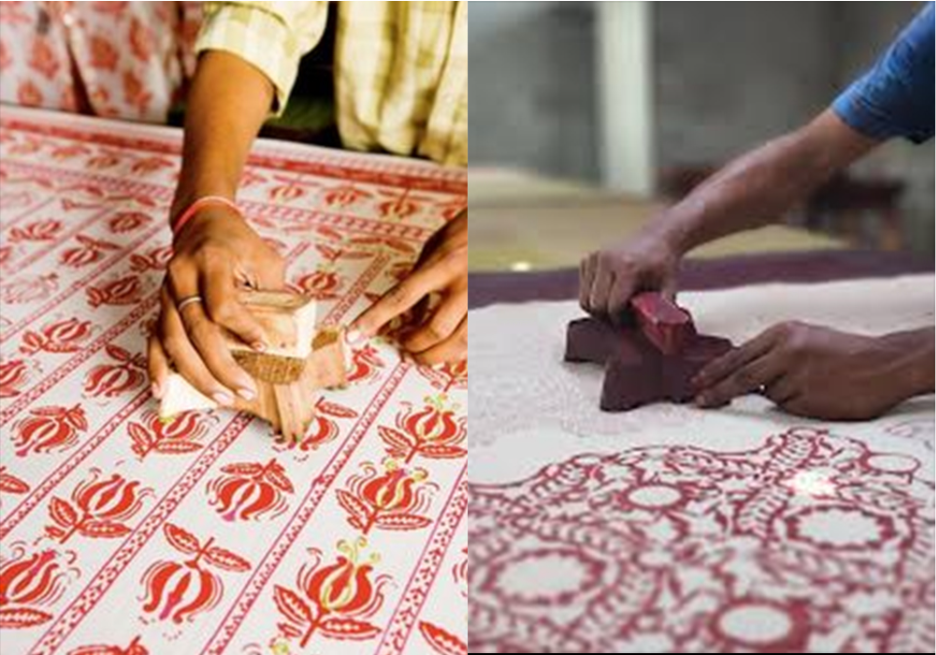
First, the tools of the trade—the blocks—are meticulously prepared. These are typically carved from seasoned wood, though sometimes brass is used for finer details. The chosen block is soaked in oil, scraped, and sanded until perfectly smooth. An artist then carves the desired design onto the block's surface, often using a paper stencil as a guide.
Next, the fabric is prepared. It is stretched tightly over a long printing table, which is often padded with layers of blankets or a waterproof cloth. A thin layer of starch paste may be applied to help the colors adhere evenly. Artisans then carefully mix the inks. These are not simple dyes; they are a special concoction of gum powder, caustic soda, oil, and various colors to create the perfect consistency for printing.
Finally, the printing begins. The artisan dips the carved block into the ink tray, presses it firmly onto the fabric, and strikes it with their hand or a small mallet to ensure a clear, even impression. This process is repeated with remarkable precision, moving across the length of the fabric to create a seamless pattern. For multi-colored designs, a different block is used for each color, requiring incredible accuracy to align the patterns perfectly.
The Stories Told Through Design
The motifs used in Uttar Pradesh's hand block printing are a beautiful blend of cultural influences, with strong ties to Indo-Persian art and Muslim architecture. These designs are more than just patterns; they are symbols rich with meaning and history.
The Tree of Life
One of the most profound and universally recognized motifs is the 'tree of life'. This design symbolizes connection, growth, and eternity across various cultures and religions. In block prints, the tree is often depicted with sprawling branches, surrounded by birds, animals, and flowers, all enclosed within decorative borders. Early versions even featured marine life, like fish, alongside lotuses and peacocks.
Butis
Simplicity at its finest, 'butis' are small, often repeating motifs that resemble polka dots or tiny floral or geometric shapes. They are one of the most traditional elements in hand block printing. Butis are typically printed on light-colored fabrics, allowing the delicate patterns to stand out and create an elegant, understated look.
Paisley
Known in India as the 'mango' or 'keri' motif, paisley is a teardrop-shaped design that is beloved worldwide. It can be created in countless variations—from fine and intricate to bold and graphic. Its flowing, curved shape adds a sense of movement and grace to any fabric, making it a perennial favorite in fashion and decor.
Hand Block Printing in the Modern World
In an era of fast fashion and mass production, the art of hand block printing faces significant challenges. The process is time-consuming and labor-intensive, making it difficult for artisans to compete with the speed and volume of machine-based printing. The pressure to meet high demand while maintaining low prices puts a strain on these traditional craftspeople.
However, the story is far from over. A growing appreciation for slow fashion and handmade goods has brought renewed attention to this ancient craft. Several NGOs, art associations, and design houses are working closely with artisan communities in Uttar Pradesh and other parts of India. These organizations help provide resources, training, and a platform for artisans to showcase their work to a global audience. Their efforts are helping to preserve this invaluable tradition and ensure it is passed on to future generations.
By choosing hand block printed items, you are not just buying a piece of fabric; you are supporting a community of artisans and helping to keep a beautiful art form alive. Each print tells a story of skill, heritage, and human touch, making every item truly one-of-a-kind.
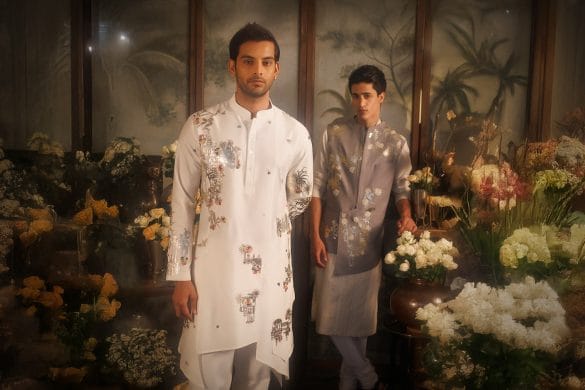
Ready to explore the beauty of this traditional craft? You can discover stunning hand block printed pieces from talented designers at Aza Fashions. Embrace the elegance and history woven into every thread.