A traditional Bengali wedding is a magnificent celebration filled with vibrant colors, soulful rituals, and incredible food. Before the grand wedding day arrives, families host a series of warm, intimate pre-wedding functions. One of the most highly anticipated events is the Aiburobhaat ceremony.
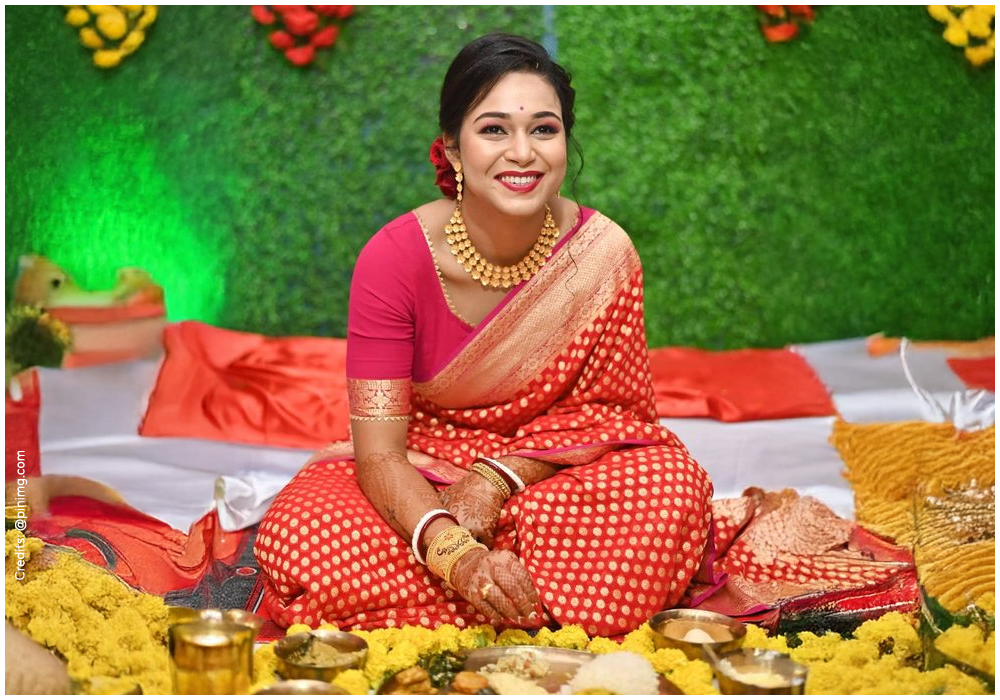
This special tradition is essentially a beautiful feast dedicated entirely to the bride and groom. It serves as the Bengali equivalent of a bachelor or bachelorette party, but with a much stronger focus on family, culture, and culinary delights. The families celebrate this event separately in their respective homes, showering the bride and groom with love, blessings, and their absolute favorite dishes.
If you are planning your own Bengali wedding or attending one soon, understanding the customs of the Aiburobhaat makes the experience truly special. In this guide, we will explore the deep cultural significance of this ceremony, the mouthwatering food involved, and the traditional rituals. We will also help you find the perfect outfit for the occasion using the curated luxury collections at Aza Fashions.
What is the Aiburobhaat Ceremony?
The word "Aiburobhaat" comes from two Bengali words. "Aiburo" translates to a bachelor or an unmarried person, while "Bhat" means rice. Together, the term signifies the last formal meal of rice a person eats as an unmarried individual in their family home.
Usually held the day before the wedding, this ceremony is especially popular among the Ghoti or East Bengal communities. The core of the tradition is beautifully simple. The bride and groom dress in elegant traditional clothes and sit down for a lavish feast.
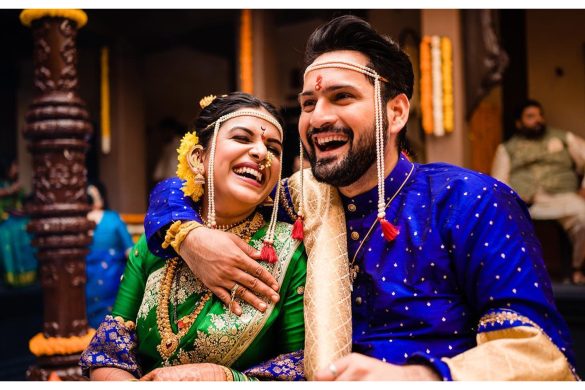
Friends, extended family members, and close relatives gather around the couple to celebrate this milestone. They sing traditional songs, share funny childhood stories, and offer their blessings for the upcoming marriage. It acts as a joyful, relaxing buffer right before the hectic schedule of the main wedding day begins.
The Cultural Significance Behind the Tradition
While it looks like a simple feast, the Aiburobhaat carries heavy emotional and cultural weight. It officially marks the person's transition from singlehood into married life. For the bride, this ceremony is particularly moving. It represents one of the very last meals she will share with her parents in her childhood home before moving to her new house.
The mother of the bride or groom usually takes charge of this event. She personally cooks the entire meal, pouring her love into every single dish. This act of cooking and serving is the ultimate expression of a mother's affection.
The ceremony also highlights the time-honored Bengali tradition of extreme hospitality. By inviting loved ones over to share this massive meal, the families show deep appreciation for their community. It reinforces strong family bonds and ensures the couple begins their new journey surrounded by absolute positivity and support.
A Feast to Remember: Traditional Bengali Cuisine
You cannot discuss a Bengali celebration without focusing heavily on the food. The Aiburobhaat menu features the absolute best of traditional Bengali cuisine. The mother prepares a massive spread that includes fried appetizers, rich curries, and an endless supply of famous local sweets.
Families serve this meal on traditional "kansha" (bell metal) platters and bowls. The mother arranges the dishes in a very specific order, usually anti-clockwise, to guide the couple on how to eat the meal.
The Flavorful Starters
The feast always begins with "Sada Bhaat" (steamed white rice) topped with a generous dollop of pure homemade ghee. Sometimes, families serve a fragrant, yellow "Basanti Pulao" instead.
This rice sits alongside "Paanch Rokom Bhaja," which translates to five types of fried vegetables. This usually includes fried eggplant, pumpkin, potatoes, bitter gourd, and pointed gourd. The couple also enjoys "shukto," a traditional bittersweet vegetable stew that cleanses the palate.
The Rich Main Courses
Bengali cuisine perfectly balances vegetarian and non-vegetarian flavors. For the vegetarian portion, dishes like "Mochar Ghonto" (banana flower curry), "Alu Posto" (potatoes cooked in poppy seeds), and "Cholar Dal" (sweet and savory Bengal gram) make a mandatory appearance.
The non-vegetarian spread is where the feast truly shines. Bengalis adore their seafood, and the Aiburobhaat reflects this love perfectly. The platter features iconic fish curries like "Bhetki Paturi" (fish wrapped and steamed in banana leaves) and crispy Kolkata Fish Fry. The main attraction is often "Chingrir Malai Curry" (prawns in a rich coconut milk gravy) or "Shorshe Ilish" (hilsa fish in a pungent mustard sauce). Meat lovers also enjoy spicy chicken curries or a slow-cooked, rich mutton dish.
The Sweet Ending
A Bengali meal must end on a massive sweet note. The dessert platter features legendary sweets like soft rosogolla, sandesh, and rich mishti doi (sweetened yogurt). The mother also prepares special homemade treats like payesh (rice pudding), narkol-naru (coconut laddoos), and malpoa specifically for this auspicious day.
Fashioning Tradition: What to Wear for Aiburobhaat
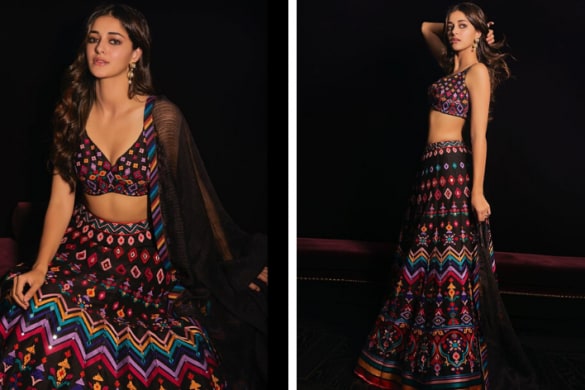
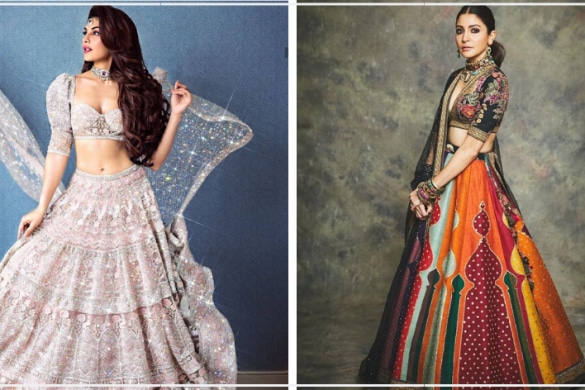
Because the Aiburobhaat is an intimate, home-based ceremony, the fashion leans toward comfortable yet deeply traditional elegance. The bride and groom wear outfits that honor their heritage while allowing them to comfortably sit and enjoy their massive feast.
Stunning Styles for the Bride
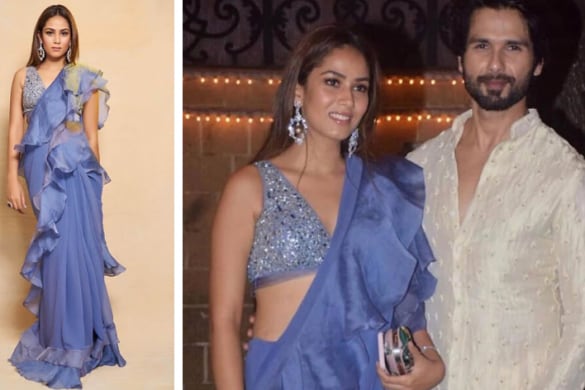
For the Aiburobhaat, the bride typically wears a beautiful, lightweight traditional saree. West Bengal boasts a rich legacy of heritage weaves, giving the bride plenty of incredible options.
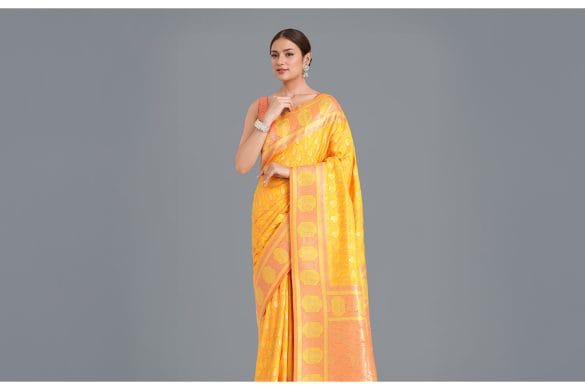
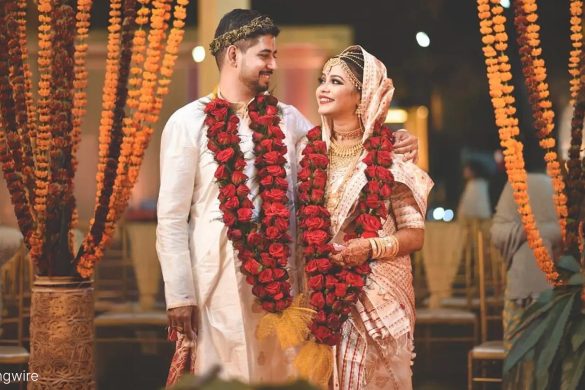
Many brides opt for a "Tant" saree. These lightweight, crisp cotton sarees are perfect for the humid Bengal weather. They feature thick, contrasting borders and delicate floral motifs. A bride might also choose a rich "Tussar Silk" saree. These textured silk weaves often come in solid jewel tones with a stunning golden sheen. Another highly popular choice is the "Murshidabad Silk" saree, known for its bright colors and fine silk threads.
Red, hot pink, and royal blue remain the most popular color choices for this pre-wedding event. The bride pairs her saree with a contrasting, well-tailored blouse to complete the elegant look.
Classic Looks for the Groom
The groom keeps his look classic and refined for his Aiburobhaat. The most common and beloved choice is a traditional dhoti-kurta ensemble. The pristine white or cream dhoti pairs beautifully with a brightly colored silk kurta.
If he wants a slightly more elevated and structured look, the groom can layer a patterned Nehru jacket or a Bundi over his kurta. This adds a fantastic touch of modern sophistication to a very traditional outfit. He finishes the look with a pair of comfortable, embroidered leather sandals or juttis.
Essential Jewelry and Accessories
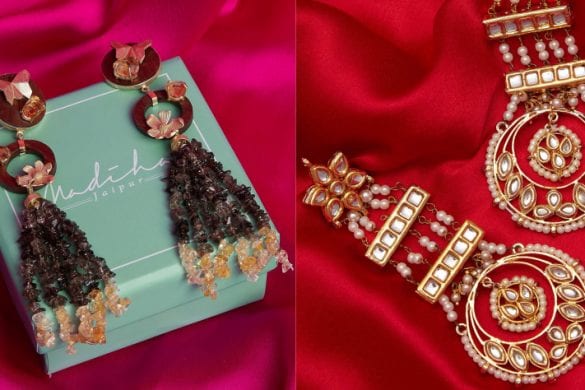
Since the wedding day requires heavy bridal jewelry, the bride keeps her Aiburobhaat accessories relatively simple and understated. She usually wears a delicate gold necklace featuring traditional Bengali motifs.
She pairs the necklace with classic gold earrings, such as intricate jhumkas or chaandbalis. Many Bengali brides also wear "Kaan Balas" or "Kaan Pashas," which are large, circle-shaped gold statement studs that cover the earlobe. A few gold bangles and a simple bindi complete her radiant, pre-wedding glow.
Find Your Dream Aiburobhaat Outfit at Aza Fashions
Preparing for a traditional Bengali wedding requires a wardrobe that perfectly balances cultural heritage with modern luxury. At Aza Fashions, we celebrate the incredible craftsmanship of Indian textiles. We curate collections that help you honor your roots while expressing your unique personal style.
We partner with India's most celebrated luxury designers to bring you a massive selection of premium ethnic wear. Whether you are the bride, the groom, or a beloved family guest, Aza Fashions has the perfect outfit for your Aiburobhaat celebrations.
Curated Collections for the Bride
Brides looking for their pre-wedding outfits will find a treasure trove of options on our platform. You can explore our extensive collection of luxurious silk sarees, featuring intricate zari work and traditional borders. If you prefer a modern twist, we also offer lightweight, pre-draped sarees that provide the classic Bengali look with zero draping hassle. Pair your saree with our selection of designer blouses to create a truly customized ensemble.
Sophisticated Menswear
For the groom, Aza Fashions offers an exclusive range of sophisticated ethnic menswear. Discover our collection of impeccably tailored silk kurtas, structured Nehru jackets, and comfortable churidar sets. Our menswear designers focus on premium, breathable fabrics and sharp cuts. You will easily find an outfit that allows you to enjoy your Aiburobhaat feast in complete comfort and style.
Outfits for Family and Friends
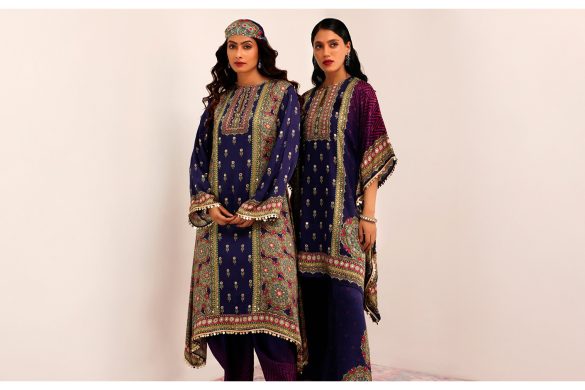
The Aiburobhaat is a celebration for the entire family. Aza Fashions curates extensive collections for bridesmaids, mothers, and wedding guests. From elegant Anarkali suits to chic co-ord sets and lightweight printed sarees, our platform provides luxurious options for every single attendee.
Celebrate Your Roots with Grace
The Aiburobhaat ceremony is a beautiful reminder of the power of family, culinary traditions, and pure love. It provides a peaceful, joyous foundation right before the massive wedding celebrations begin. By understanding the deep meaning behind the last bachelor meal, the specific foods served, and the traditional attire, you can fully appreciate the absolute magic of a Bengali wedding.
When it is time to choose your outfit for this memorable feast, let your clothing reflect the beauty of your vibrant heritage. Explore the exclusive designer collections at Aza Fashions today. Find a meticulously crafted garment that helps you celebrate love, honor tradition, and look effortlessly sophisticated.