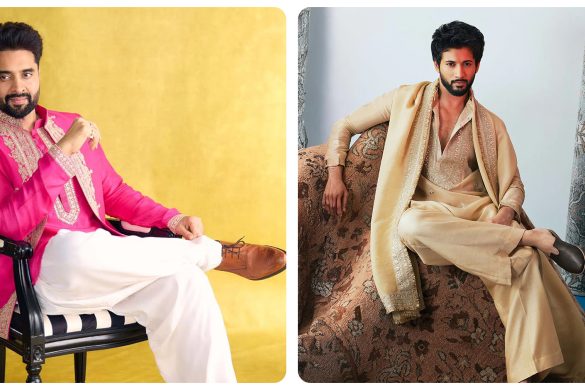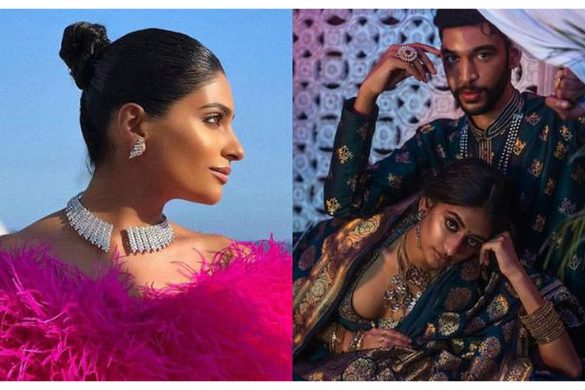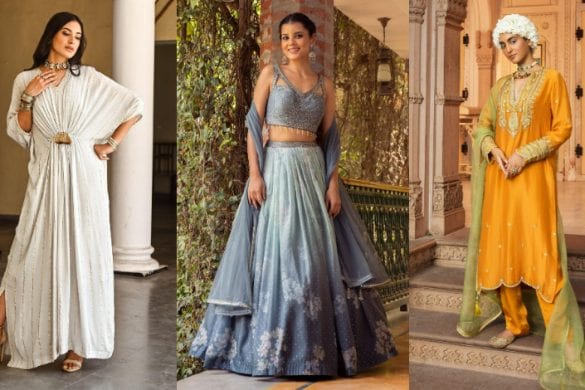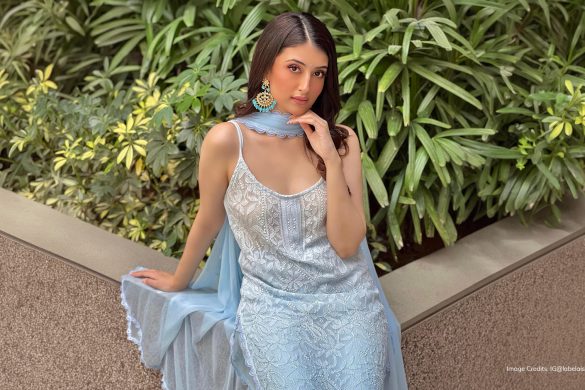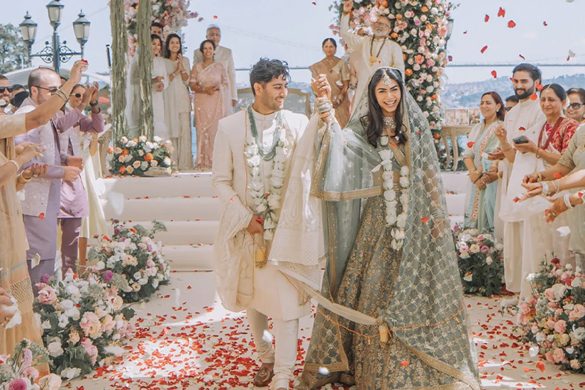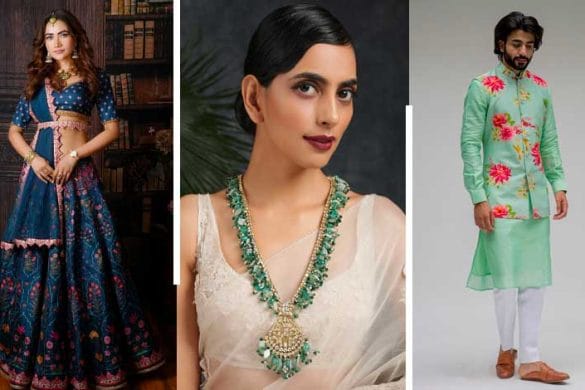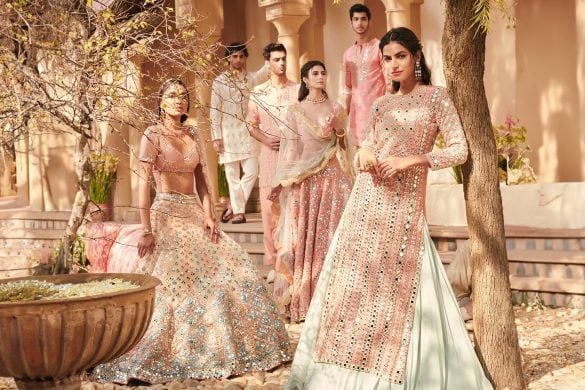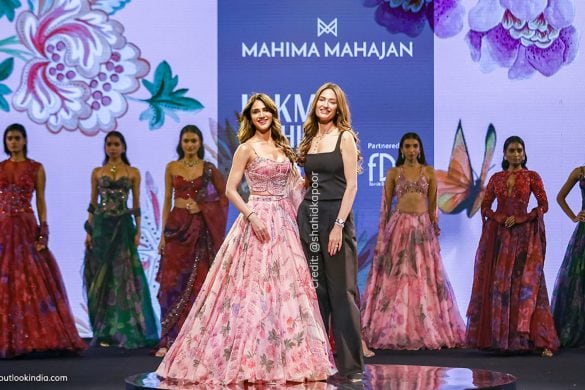
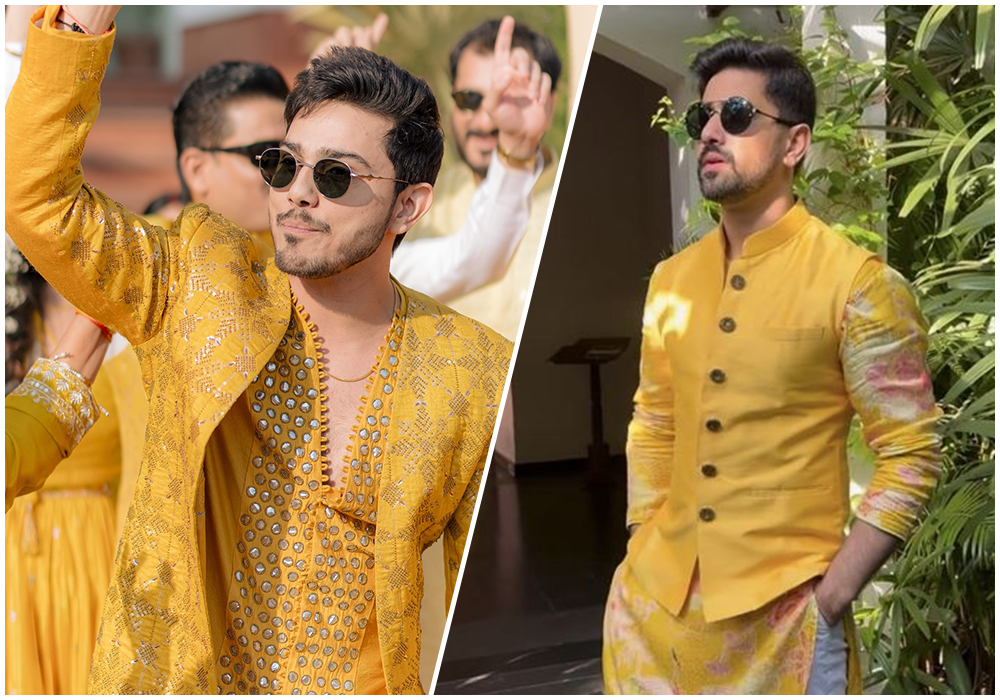
For a Haldi ceremony, men traditionally wear yellow kurtas in cotton or silk, paired with churidars or pajama pants. Yellow Nehru jackets, Pathani suits, and Indo-Western kurta sets are popular alternatives. Choose breathable fabrics like cotton or linen for daytime comfort, and pick outfits you're comfortable getting turmeric on.
The Haldi ceremony, also known as the turmeric ceremony or "Pithi" in some regions, is one of the most joyful pre-wedding rituals in Indian culture. Rooted in ancient Vedic traditions, the ceremony involves applying turmeric paste to the bride and groom before their wedding day—a ritual believed to purify the couple and bring prosperity, good health, and a natural glow. The atmosphere is playful, often held outdoors among marigold flowers, colorful drapes, and lots of laughter.
For men—whether the groom himself, a groomsman, or a guest—dressing for Haldi calls for a balance of tradition, practicality, and personal style. You want to look festive, but you also need to accept the reality: turmeric stains everything. The best Haldi outfit for men is one that photographs well, moves easily, and you won't lose sleep over when the paste starts flying.
This guide covers traditional and modern Haldi outfit ideas for men, the best colors to choose, fabric tips, and how to pull the look together with the right accessories.
What are the best traditional Haldi outfit ideas for men?
Yellow silk kurta
The yellow silk kurta is the most classic and widely worn choice for Haldi ceremonies. Yellow holds deep symbolic significance in Hindu traditions—it represents positivity, prosperity, and new beginnings, making it a natural fit for this pre-wedding ritual. A well-fitted kurta in bright or mustard yellow, paired with white or cream churidar pants, creates a clean and polished traditional look. For the groom, adding a matching dupatta or stole elevates the ensemble considerably.
Yellow Pathani suit
The Pathani suit—a long, loose-fitting kurta paired with slim churidar pants—is a comfortable and traditionally grounded option. The relaxed silhouette makes it practical for a ceremony involving a lot of sitting, bending, and movement. Bandhani-printed versions in yellow look particularly striking and add a regional festive touch that works well for Haldi's celebratory energy.
Yellow short kurta
A short kurta offers the traditional kurta aesthetic in a lighter, more relaxed format. Cotton or silk construction keeps the garment breathable during what is often a daytime, outdoor event. Short kurtas work well for guests and groomsmen who want a festive look without going too formal—pair with straight-leg pajamas or churidars and juttis for a sharp, simple finish.
Kurta with dhoti pants
For a groom looking for something traditional with visual impact, a kurta paired with dhoti pants offers movement, elegance, and a distinctive silhouette that photographs beautifully. The flowing quality of dhoti pants suits the outdoor, celebratory nature of a Haldi perfectly.
What are the best modern Haldi outfit ideas for men?
Nehru jacket or Bandi jacket set
A Nehru jacket layered over a base kurta or solid shirt is one of the more versatile options for Haldi. The Bandi jacket—shorter and more fitted than a sherwani—adds structure and style without being overly formal. Yellow or mustard versions work for the groom and groomsmen alike. Mirror-work or subtle embroidery on the jacket adds visual interest without the heavy weight of full embellishment.
Indo-Western kurta set
Indo-Western styles combine ethnic fabrics with contemporary cuts—think kurtas in cotton-silk with relaxed dhoti pants, or structured kurtas paired with tapered Jodhpuri trousers. These options appeal to men who want to honor the occasion without sticking strictly to traditional silhouettes. They also tend to be more comfortable for extended wear during day-long wedding functions.
Short kurta with ethnic joggers
A modern take gaining popularity among younger guests, the short kurta paired with ethnic joggers or Jodhpuri pants creates a casual, fashion-forward look. Floral or paisley-printed kurtas add festive character without requiring formal styling effort. This combination works particularly well for groomsmen or wedding guests who want a contemporary Haldi outfit.
Light sherwani
Sherwanis can work for Haldi, provided they are kept minimal. Avoid heavy embroidery and dense fabrics—these are impractical for a daytime celebration that can get messy. A lighter sherwani in breathable fabric with a simple design offers elegance while remaining appropriate for the occasion.
What colors work best for men at a Haldi ceremony?
Color is central to the Haldi aesthetic, and choosing the right shade makes a real difference to how the look photographs and how well it fits the occasion.
- Yellow is the primary traditional color, symbolizing happiness, prosperity, and the turmeric ceremony itself. Bright yellow and mustard both work well.
- Gold pairs naturally with yellow and signals festivity—gold accessories or a gold-toned jacket with a neutral base kurta is an effective combination.
- Ivory and cream are clean, understated choices that complement the yellow tones of the ceremony without competing with them.
- Peach and beige offer a softer alternative for guests who prefer pastels. Both photograph beautifully in the marigold-heavy settings typical of Haldi celebrations.
- Mint green and soft blue work for guests who want to avoid yellow entirely while still honoring the ceremony's cheerful tone.
- Avoid black and deep maroon—these colors clash with the auspicious, lighthearted spirit of the occasion and tend to look out of place in the photographs.
How should men accessorize a Haldi outfit?
Accessories can lift a simple Haldi outfit or complete an elaborate one. Keep them purposeful and proportionate to the outfit.
- Safa (turban or headwrap): A yellow or marigold-colored safa is one of the most immediate ways to signal festivity. For the groom especially, a well-tied safa anchors the whole look.
- Dupatta: A dupatta draped over the shoulder adds traditional elegance. It works particularly well on kurta-jacket sets or more formal kurta styles.
- Brooches and pocket squares: Small additions like a brooch on a Nehru jacket or a pocket square in a complementary color add polish to the overall look without overcomplicating it.
- Footwear: Embroidered juttis, mojaris, or kolhapuris are the most appropriate footwear choices. They are comfortable for extended wear, culturally fitting, and will not be ruined if turmeric or water reaches them. Avoid formal leather shoes—these are impractical for the setting and the substance.
Practical tips for dressing well at a Haldi ceremony
The most important thing to accept when dressing for Haldi is that turmeric stains are essentially permanent on most fabrics. That does not mean you should dress carelessly—but it does shape some practical decisions.
Choose fabrics like cotton, linen, or cotton-silk for maximum breathability and ease of movement. These materials hold up well in outdoor, daytime settings and are more forgiving on the body across long celebrations. Avoid heavy embellishments or detailed embroidery if you are close to the action—cleaning paste out of intricate work is nearly impossible.
Fuss-free silhouettes also matter. The ceremony involves sitting, dancing, bending, and sometimes being on the receiving end of a well-aimed turmeric application. Structured, stiff garments are a poor choice. Opt for relaxed, flowing cuts that let you participate fully without worrying about the outfit.
Finally, keep the formality level appropriate to your role. The groom can go more elaborate—a full kurta-jacket set with a safa and dupatta is entirely fitting. Groomsmen should aim to complement rather than compete. Guests have the most freedom, and a simple yellow cotton kurta with comfortable pajamas is genuinely all that is required.
Frequently asked questions about Haldi outfits for men
What is the most traditional outfit for men at a Haldi ceremony?
A yellow silk or cotton kurta paired with churidar pants is the most traditional choice for men. Yellow is the ceremonial color of Haldi, symbolizing prosperity and new beginnings. For grooms, adding a dupatta or safa completes the traditional look.
Can men wear colors other than yellow to a Haldi ceremony?
Yes. While yellow is the traditional and most symbolic choice, mustard, ivory, cream, peach, pastel green, and soft blue are all appropriate. The key is to avoid dark or somber colors—black and deep maroon do not suit the festive spirit of the occasion.
What fabric should men choose for a Haldi ceremony outfit?
Cotton, linen, and cotton-silk are the most practical choices. They are breathable, comfortable for daytime outdoor wear, and hold up well during active celebrations. Silk works for a more refined look but may be less forgiving in warmer conditions.
Should men worry about their Haldi outfit getting stained?
Yes, and that is worth factoring into the decision. Turmeric paste stains most fabrics permanently. Choose outfits that are either specifically designated for the event or ones that you are comfortable keeping as a keepsake—many families treat Haldi-stained garments as a fond memory of the celebration.
What is the difference between a groom's Haldi outfit and a guest's?
The groom typically wears a more elaborate ensemble—a kurta-jacket set, sherwani-inspired look, or heavily accessorized kurta with safa and dupatta. Guests have more flexibility and can keep it simple with a cotton kurta and pajamas. The general rule is that guests should complement the groom's look rather than outshine it.
What footwear works best for men at a Haldi ceremony?
Embroidered juttis, mojaris, or kolhapuris are the best options. They are comfortable, culturally appropriate, and practical for outdoor settings where turmeric or water may be present. Formal leather shoes are not recommended.