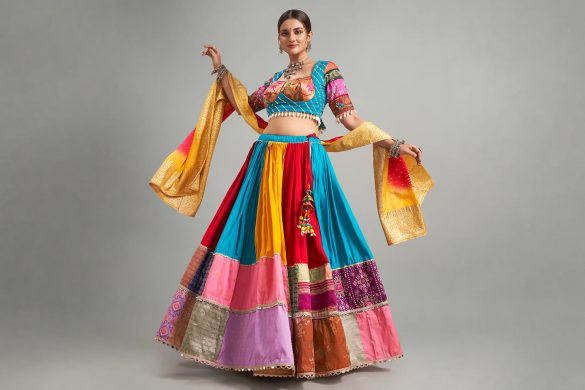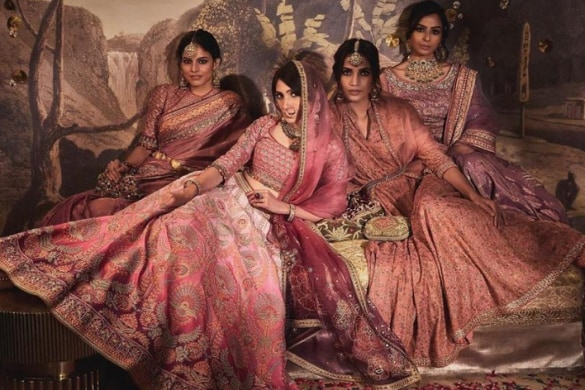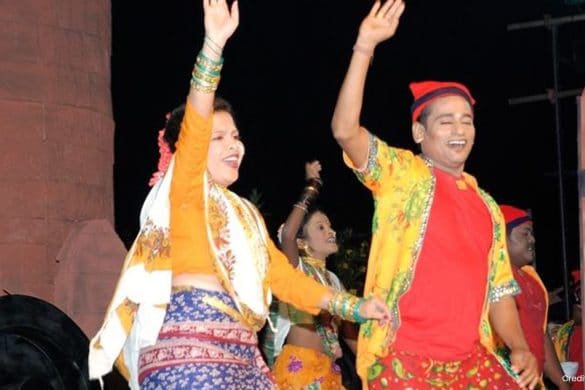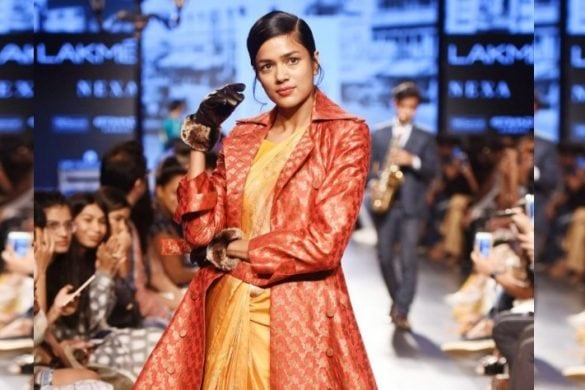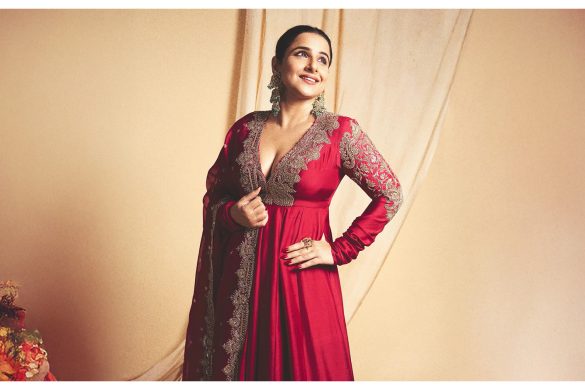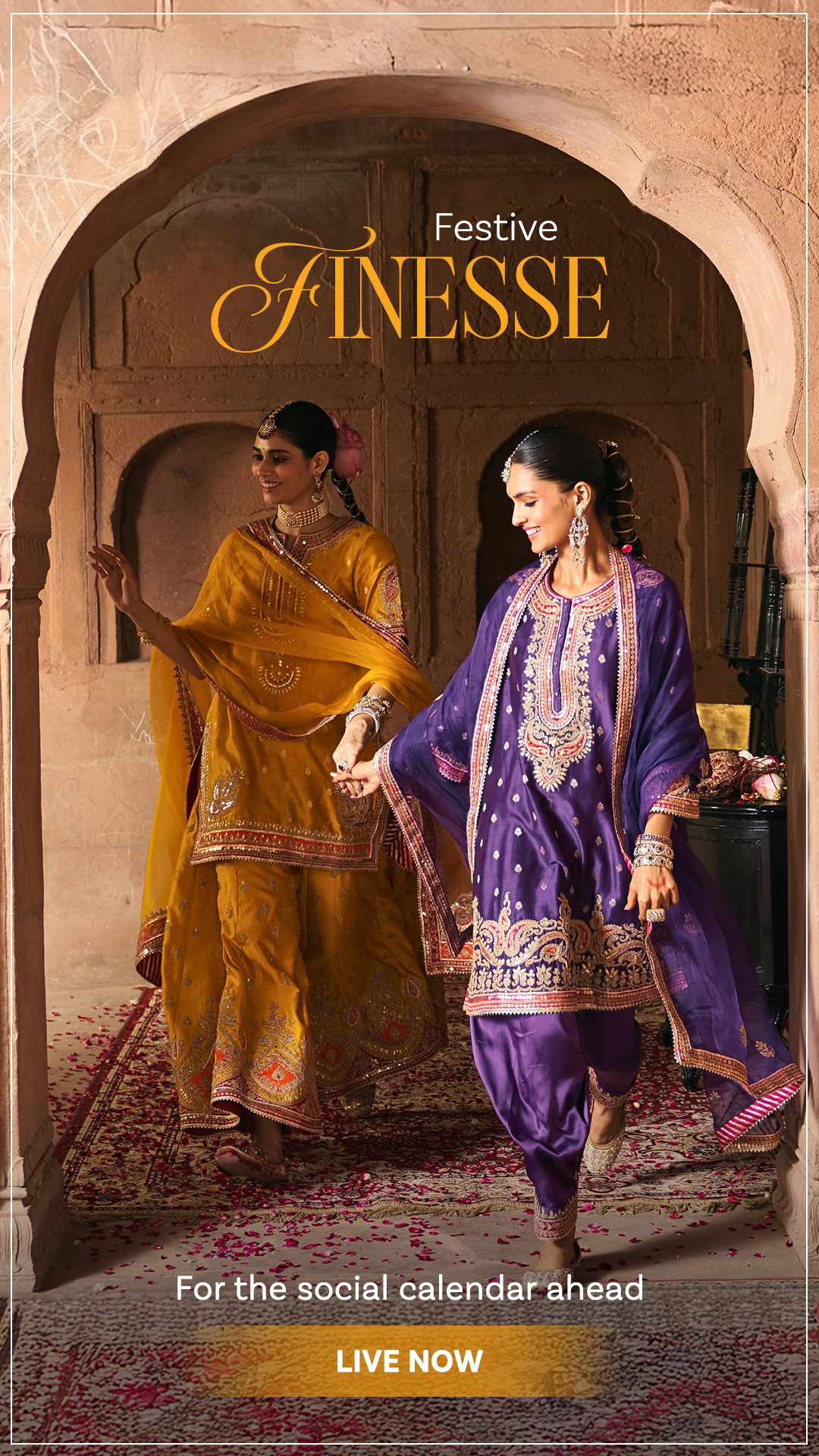
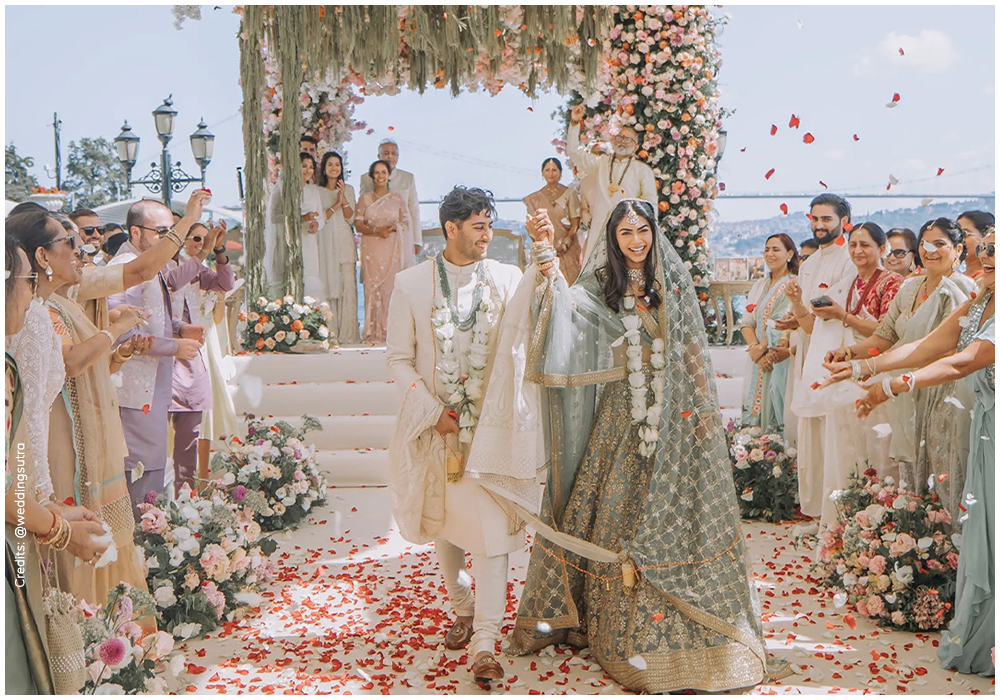
For an Indian American wedding in the USA this summer, plan one outfit per function. Pick breathable fabrics (organza, chanderi, cotton-silk, georgette, mulmul, tissue), lean into Summer 2026's signature palette — baby pink, butter yellow, sage green, dusty rose, Pichwai blue, silver-grey, and tone-on-tone ivory — and match the formality to the event. A pre-draped saree or lightweight lehenga is the safest summer pick for the main ceremony; a sharara or cape lehenga wins the sangeet; a printed cotton kurta set is perfect for haldi and mehendi. Avoid bridal red, all-white, and head-to-toe black for the religious ceremony.
Why Indian American Summer Weddings Need Their Own Playbook
If you've grown up between two cultures, you already know the assignment is harder than it looks. Indian American summer weddings in 2026 are happening everywhere from Napa vineyards and Houston ballrooms to backyard tents in New Jersey and beach resorts in Cabo or Cancun. The dress code must honor the tradition and survive a July afternoon in Austin. It also must read well in your cousin's reel, your nani's group photo, and the bride's curated wedding hashtag.
Most "Indian wedding guest guides" online are written either for guests in India or for first-time non-Indian attendees in the West. This Summer 2026 edit from Aza Fashions is built specifically for the Indian American guest — second-generation, well-travelled, dual-coded — and the friends and partners who'll be joining them.
Here's exactly what to wear to every function this season, what's trending, what to avoid, and how to actually stay cool while looking like the best dressed person in the room.
Summer 2026 Trends: What's Shaping Indian Wedding Guest Fashion
Before we get specific outfits, these are the seven trends every guest should know.
- Tone-on-tone embroidery.Ivory on ivory, champagne on champagne, dove-grey on dove-grey. The luxury signature of 2026 — quiet glamour over loud sparkle.
- The pre-draped saree goes mainstream.A saree with the pleats and pallu pre-stitched into a skirt-style base. Slip-on glamour, two minutes to wear,dance friendly. The single biggest shift for diaspora guests who love the look but hate the drape.
- Soft pastels for daytime, jewel tones after sundown.Baby pink, butter yellow, lavender, sage and dustyrose dominating daytime functions. Emerald, sapphire, ruby, cobalt and aubergine take over after 6 PM.
- Cape sets and structuredseparately.A short or floor-length cape worn over a bustier and lehenga skirt, or a fitted kurta layered with an organza jacket. Most photogenic silhouette of the year.
- Indo-western reception gowns.Saree gowns, draped-skirt corsets, and embroidered fusion gowns are increasingly the chosen reception look forIndian American guests at hotel-ballroom receptions.
- Belted sarees.A waist-cinching metallic or embroidered belt over the pallu — a tiny accessory that completely changes the silhouette.
- Heritage prints, modern cuts.Pichwai,Bandhani, Ajrakh and block prints are showing up on contemporary silhouettes — wrap skirts, halter blouses, modern co-ords.
Function-By-Function Outfit Guide
Most Indian American weddings in the USA span 2–5 functions across one to four days. Here's exactly what to wear to each other.
- Haldi /Pithi(turmeric ceremony)
Vibe: Casual, sunny, and intimate. Turmeric stains are part of the deal. Dress code: Yellow-dominant, washable, comfortable. Best summer fabrics: Cotton, mulmul, chanderi, lightweight cotton-silk.
Outfit ideas:
- Mustard or marigold cotton kurta with palazzo or sharara pants
- A lightweight printed organza saree in lemon or saffron (skip if you're seated very close to the action)
- A printed co-ord set with a cropped kurta and flared pants
- For men: a white or off-white cotton kurta with a yellow chikankari dupatta
Aza tip: This is not the function of investing in heavy embroidery. Choose pieces under $300 that you genuinely won't cry over if they catch turmeric. Save the heavy designer pieces for the wedding day.
- Mehendi (henna ceremony)
Vibe: Festive daytime garden party. Dress code: Bright colours, easy movement, prints encouraged. Best summer fabrics: Chanderi, organza, georgette, lightweight silk.
Outfit ideas:
- A bright printed Anarkali in fuchsia, parrot green or coral
- A floral organza saree with a contrast blouse
- A sharara set with mirror work or Gota Patti embroidery
- A short kurta layered with a printed cape, paired with cigarette pants
Colour cheat sheet: Mehendi is the function of wearing green photographs beautifully against henna designs. Bottle green, sage, parrot, emerald all work. Avoid yellow (saved for haldi) and red (bridal).
- Sangeet (music and dance night)
Vibe: The fashion-forward party. Often the most photographed event of the wedding. Dress code: Festive semi-formal to formal. Glamour, sparkle, but danceable. Best summer fabrics: Net, georgette, lightweight silk, sequined tulle, organza.
Outfit ideas:
- A sequined cape lehenga in cobalt blue, emerald or fuchsia
- A statement Anarkali with thread, mirror and sequin embroidery
- A modern sharara set with a corset blouse
- A draped pre-stitched saree in metallic gold or champagne
- An Indo-western embroidered gown for the truly cocktail-leaning sangeet
Aza pick for the sangeet: Look for designers like Seema Gujral, Itrh, Arpita Mehta, Punit Balana and Masaba — their signature aesthetic of mirror work, sequins and contemporary cuts is built for this exact function.
- The Wedding Ceremony (Pheras/ Anand Karaj / Nikah / Reception Ceremony)
Vibe: The most formal and culturally significant event of the entire wedding. Dress code: Traditional, modest, heavily embellished. This is where you invest. Best summer fabrics: Organza silk, tissue, raw silk, Banarasi, brocade, embroidered chiffon (look for lightweight versions for July/August ceremonies).
Outfit ideas:
- A handwoven Banarasi saree in pastel pink, ivory, antique gold or Pichwai blue
- A classic Kanjivaram in jewel tones for an evening ceremony
- A floor-length Anarkali in tone-on-tone embroidery
- A pastel lehenga with delicate Zardozi, Marodi or sequin work
- A pre-draped saree for guests who want the look without the hassle
Cultural notes for the ceremony:
- Cover your head at a Sikh wedding (Anand Karaj) and many traditional Muslim Nikah ceremonies. Dupatta works perfectly.
- Modest necklines and sleeves are appreciated at religious portions of the day. Save the bustier for the reception.
- Avoid bridal red, white and head-to-toe black for the ceremony itself. We'll cover this in detail below.
- Thereception
Vibe: Modern, glamorous, often western-influenced — especially at hotel ballroom receptions. Dress code: Black-tie or contemporary festive. Everything goes by. Best summer fabrics: Velvet (yes, even in summer, in air-conditioned ballrooms), satin, sequined net, organza, embroidered silk.
Outfit ideas:
- A black sequined pre-draped saree (yes, black is fair game at the reception)
- An Indo-western saree gown or corset lehenga
- A draped skirt set with an off-shoulder blouse
- A floor-length embroidered gown by an Indian designer
- A statement bustier with a high waist lehenga skirt and embellished belt
Reception is the function for high-fashion experimentation. This is where Janhvi Kapoor's draped corsets, Shilpa Shetty's saree gowns, and Tarun Tahiliani's drape couture make perfect sense.
Summer 2026 Color Palette: What's in and What's Out
These are the colour combinations Aza's stylists are recommending most this summer.
Daytime palette (Haldi, Mehendi, daytime ceremonies):
- Butter yellow + ivory
- Baby pink + champagne
- Sage green + dusty gold
- Lavender + silver
- Coral + ecru
Evening palette (Sangeet, evening ceremonies, reception):
- Cobalt blue + antique gold
- Emerald + ivory
- Fuchsia + silver
- Aubergine + rose gold
- Black + sequin (reception only)
Colours to avoid as a guest:
- Bridal red (including maroon, crimson, scarlet) — competes with the bride at most Hindu and Sikh weddings
- All-white — associated with mourning in many Indian traditions
- Head-to-toe black — traditionally inauspicious for religious ceremonies; fine for reception
- Identical shade to the bride — if the wedding has a colour theme, avoid matching exactly
Fabric Guide: What Actually Works in a US Summer
Indian weddings + American summers + outdoor venues = a fabric decision that matters more than the embroidery.
For outdoor ceremonies (90°F+ days, Texas / Arizona / Florida / California summer):
- Mulmul cotton, organza, chanderi, kota cotton, georgette, lightweight tissue
- Avoid velvet, heavy silk, brocade, raw silk
For indoor air-conditioned venues (hotel ballrooms, banquet halls):
- Anything goes — including silk, brocade, velvet, heavy organza
- The room is set to 68°F regardless of what's happening outside
For destination weddings (Mexico, Caribbean, Hawaii, coastal California):
- Stick to chiffon, georgette, organza, tissue
- Pack a foldable steamer — humidity will wrinkle everything
- Pre-draped sarees are ideal for beach venues — wind makes traditional draping a nightmare
Outfit Ideas By US Climate Zone
Northeast / Mid-Atlantic (NY, NJ, MA, DC) — humid heat: Lean into organza, georgette and chanderi. Avoid layered velvet. Pastel lehengas and pre-draped sarees photograph beautifully against East Coast green-garden venues.
West Coast (CA, WA, OR) — dry warmth, cool evenings: You can play with more fabrics. A silk saree at a 5 PM Napa ceremony is comfortable. Pack a shawl for evening receptions — temperatures drop fast.
South (TX, FL, GA, AZ) — extreme heat and humidity: The breathable fabric rules are non-negotiable. Mulmul, kota cotton and lightweight tissue only for outdoor functions. Sequined nets and georgettes work indoors.
Midwest (IL, OH, MI, MN) — variable, often humid: Plan in layers. A sleeveless blouse with a cape or jacket gives you options for both AC and outdoors.
Accessories: The Details That Finish the Look
Jewellery:
- Daytime: dainty kundan studs, a single tikka, delicate bangles
- Evening: chandelier earrings, layered necklaces, statement cocktail ring
- For tone-on-tone outfits: lean into temple jewellery or polki for contrast
- Pearls are having a major 2026 moment — pair with pastels
Footwear:
- Embroidered juttis or mojaris for daytime ceremonies (and for non-Indian guests who'll be sitting cross-legged)
- Block heels for the sangeet (dance-friendly)
- Stilettos or strappy heels for the reception
- A second pair of flats stashed in your clutch — non-negotiable for the dance floor
Bags:
- A small embroidered potli or box clutch for daytime
- A metallic or beaded clutch for evening
Dupatta styling:
- Pleated and pinned on the shoulder for movement
- Draped over both arms for the ceremony (more modest, more formal)
- Side-swept and tucked into a belt for the sangeet
- Skip the dupatta entirely if you're wearing a cape or jacket — they replace it
Outfit Ideas for Non-Indian Guests
If you've been invited as a non-Indian friend or partner, please wear Indian clothing — it's warmly welcomed and the family will love you for it. Here's how to navigate:
- Start with a kurta set or pre-draped saree — both are forgiving on fit and easy to wear
- Choose bright colours — unlike Western weddings, muted tones feel underdressed
- Ask your host about the dress code per function — they'll be thrilled to help
- Skip bridal red, all-white, and head-to-toe black for the ceremony
- Aza ships to the USA with US sizing and styling support — book a consult before the trip
Aza Fashions' Designer Picks for Summer 2026
These are the designers Aza's stylists are recommending most for Indian-American guests this summer:
- Anita Dongre — handwoven Banarasi sarees and breathable lehengas with heritage prints. Perfect for the wedding ceremony.
- Tarun Tahiliani — drape couture, corset lehengas, fusion gowns. The reception go-to.
- Punit Balana — bold Indo-western prints and modern cuts. Sangeet and mehendi.
- Seema Gujral — sequined glamour. Sangeet and reception specialist.
- Itrh — contemporary cape sets and structured separates.
- Arpita Mehta — signature mirror work and bohemian-luxe drapes.
- Masaba — print-led prêt and statement co-ords. Mehendi gold.
- Ridhi Mehra, Mahima Mahajan, Masumi Mewawalla — pastel lehengas with romantic detailing for daytime ceremonies.
Browse Aza's complete designer wedding guest edit online — we ship globally with US-friendly sizing and styling support.
What Not to Wear: The Quick Checklist
- Bridal red, crimson, scarlet (unless the invite explicitly says so)
- All-white outfits for the religious ceremony
- Head-to-toe black for the ceremony (fine for reception)
- The exact shade and silhouette the bride is wearing (ask the bride or her stylist if unsure)
- Heavy velvet or thick brocade for outdoor July ceremonies
- Sneakers, flip flops or beachwear (yes, even at "garden" weddings)
- Anything that requires major surgery to dance in
Budgeting: What to Expect to Spend (USD)
For Indian-American guests shopping designer pieces in the USA, here's a realistic range per function:
- Haldi outfit: $150–$350 (treat this as semi-disposable)
- Mehendi outfit: $300–$700
- Sangeet outfit: $500–$1,500 (the function to invest in if you only invest in one)
- Wedding ceremony outfit: $700–$2,500 (a Banarasi saree, designer Anarkali or pastel lehenga lasts decades)
- Reception outfit: $500–$1,800
A full four-function wardrobe from designer brands at Aza typically lands between $2,500–$5,500 — pieces that are genuinely re-wearable to future weddings, anniversaries and major festivals.
How to Re-Style One Outfit Across Two Functions
If you're attending two weddings in one summer, or want to extract more wear from a single piece, here are the easiest swaps:
- Pastel lehenga → Sangeet to ceremony: Swap the choli for a long-sleeve embroidered blouse, add temple jewellery, and you've gone from sangeet to a daytime pheras.
- Pre-draped saree → Reception to mehendi: Switch from a sequined blouse to a printed cotton blouse, change your shoes, and the same saree reads completely differently.
- Anarkali → Daytime to night: A pastel Anarkali becomes a reception-appropriate look with a sequined dupatta, smoky eye and statement earrings.